±30g Tactile Force Variation Across Batches: How Inconsistent Silicone Keypad Ruin Your Instrument's Premium Feel
- Share
- publisher
- Suey
- Issue Time
- Aug 10,2026
Summary
Instrument silicone keypad force variation (±30g) ruins premium tactile feel. Inconsistent actuation across batches degrades brand perception. Choose force-stable keypads with ±5g tolerance from specialists to ensure consistent, professional instrument experience.
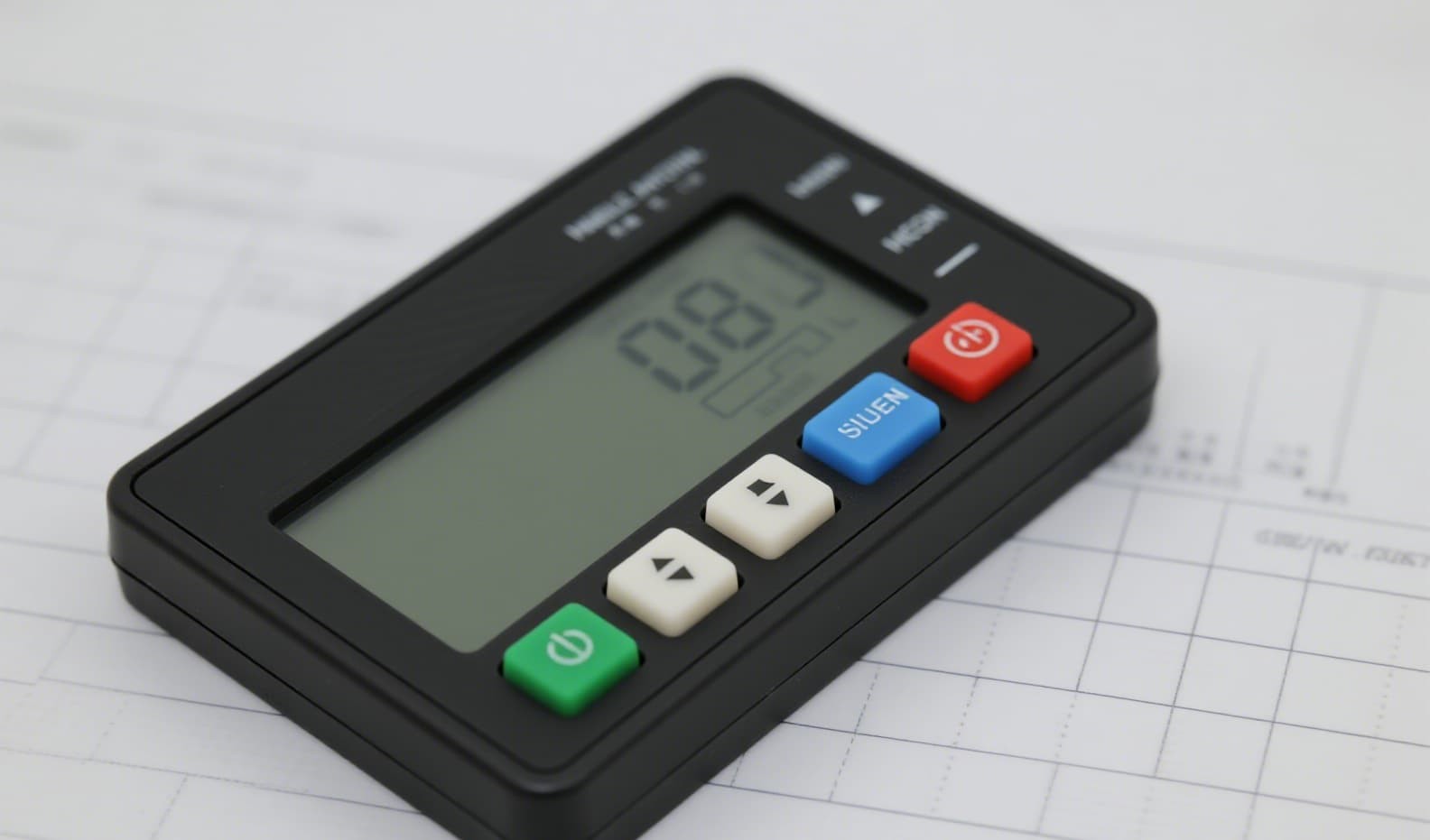
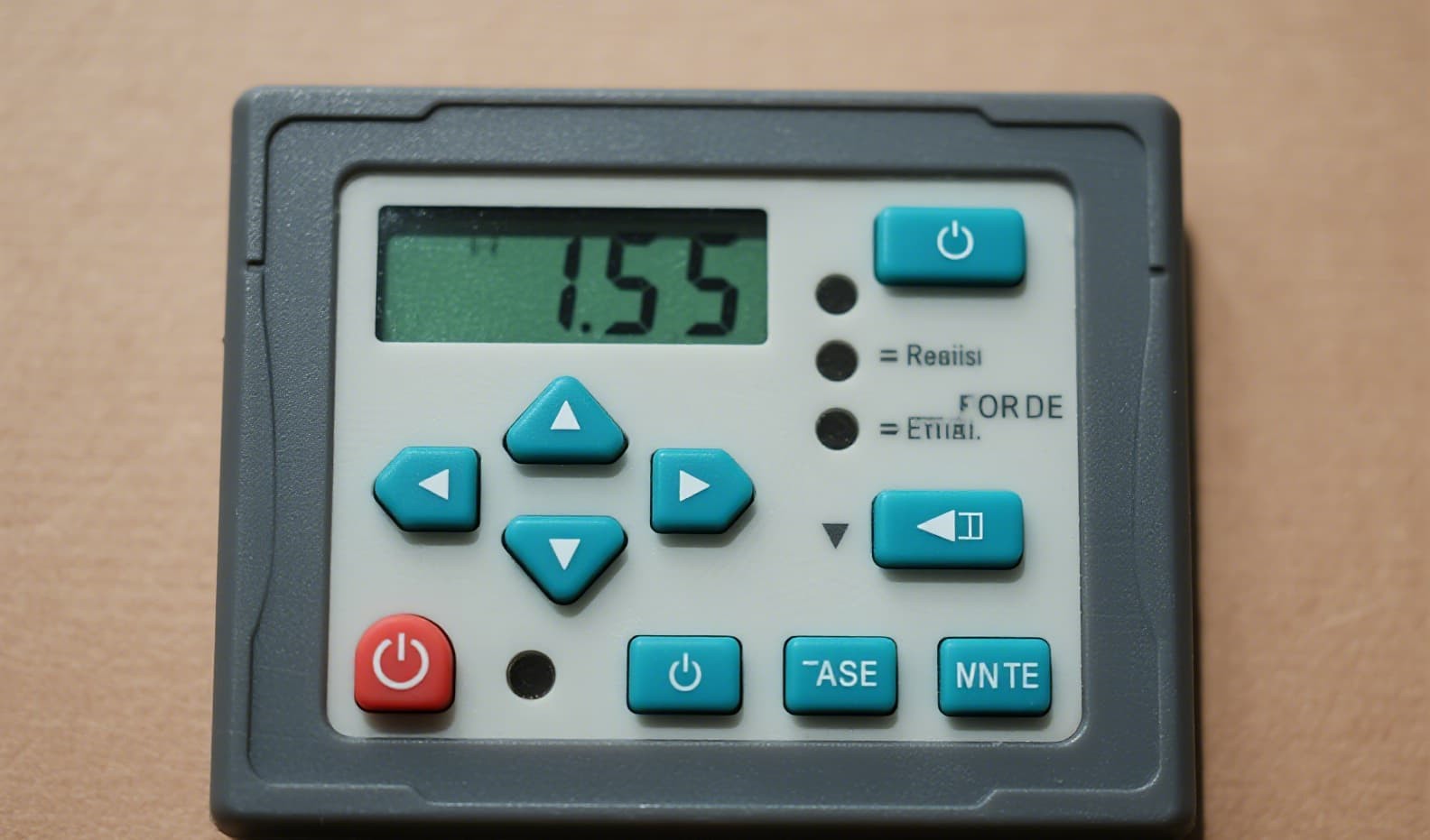
⚡ Your instrument's tactile feel is a key differentiator — but a ±30g force variation in the instrument silicone keypad can make a $10,000 device feel cheap.
When a user presses a button on your premium instrument, they expect a consistent, crisp response. But if your instrument silicone keypad supplier cannot control batch‑to‑batch tactile force, you'll ship units that feel mushy, stiff, or inconsistent — ruining the professional perception your brand worked so hard to build.
Why Instrument Silicone Keypad Force Varies
The tactile force of a instrument silicone keypad depends on the elastomer's durometer, the snap‑dome geometry, and the carbon‑pillar design. Even slight variations in material compounding, molding temperature, or curing time can shift the actuation force by ±30 g or more. Generic suppliers often lack the process control to keep these parameters tight, resulting in force inconsistency that your end‑users will notice immediately.
Case 1 — Premium Oscilloscope Loses Its "Solid" Feel
A leading test & measurement brand received complaints that their new oscilloscope's buttons felt "spongy" in some units and "stiff" in others. Investigation traced the issue to a instrument silicone keypad supplier who allowed a ±35 g force spread across batches. Switching to FromRubber — with our closed‑loop force control and in‑line testing — reduced variation to ±5 g, restoring the premium feel.
Case 2 — Medical Monitor — User Fatigue Due to Inconsistent Buttons
A patient monitor's front‑panel buttons varied from 60 g to 120 g actuation force across production batches. Nurses reported finger fatigue and mispresses. FromRubber redesigned the instrument silicone keypad with a tighter force specification and 100 % force‑stroke verification, eliminating the complaint.
How Instrument Silicone Keypad Force Affects Brand Perception
In high‑end instruments, the tactile experience is part of the value proposition. A consistent, well‑damped click conveys precision and reliability. A ±30 g spread, on the other hand, makes the product feel uncalibrated — literally and figuratively. Customers may not measure the force, but they feel it. And they will associate that inconsistency with poor overall quality.
Grams of Variation
Typical spread from generic instrument silicone keypad suppliers — enough to make one unit feel mushy and another stiff.
Grams — FromRubber's Promise
Our proprietary process control delivers ±5 g force consistency, preserving the premium tactile experience across every shipment.
✅ Key Takeaway
Instrument silicone keypad force inconsistency is a silent brand killer. Don't let a ±30 g spread cheapen your product.
More Real‑World Consequences of Force Variation
High‑End DMM — User Complaints
Field reports of "cheap feeling" buttons traced to a ±28 g force spread. FromRubber provided a custom instrument silicone keypad with a guaranteed ±5 g force tolerance, restoring user confidence.
Industrial HMI — Operator Fatigue
Operators complained about inconsistent push‑button response on a control panel. The instrument silicone keypad had force variation of 70‑120 g. FromRubber re‑engineered the keypad to a tight 85±5 g, eliminating fatigue and improving productivity.
✓ FromRubber is the specialist in precision instrument silicone keypads. We combine advanced material science with automated force‑stroke testing to guarantee ±5 g tactile consistency — from the first batch to the millionth. Our customers trust us to protect their brand's premium feel.