Battery Tester Silicone Buttons: Why They Outlast Rubber in Workshop Use?
- Share
- publisher
- Suey
- Issue Time
- Apr 21,2026
Summary
Why do silicone buttons outlast rubber on battery testers? FromRubber reveals six workshop advantages: chemical resistance, temperature tolerance, 1.5M+ cycle life, permanent legends, non-stick surface, and IP65 sealing. Switch to custom battery tester silicone buttons for 6x longer life. Free engineering consultation.
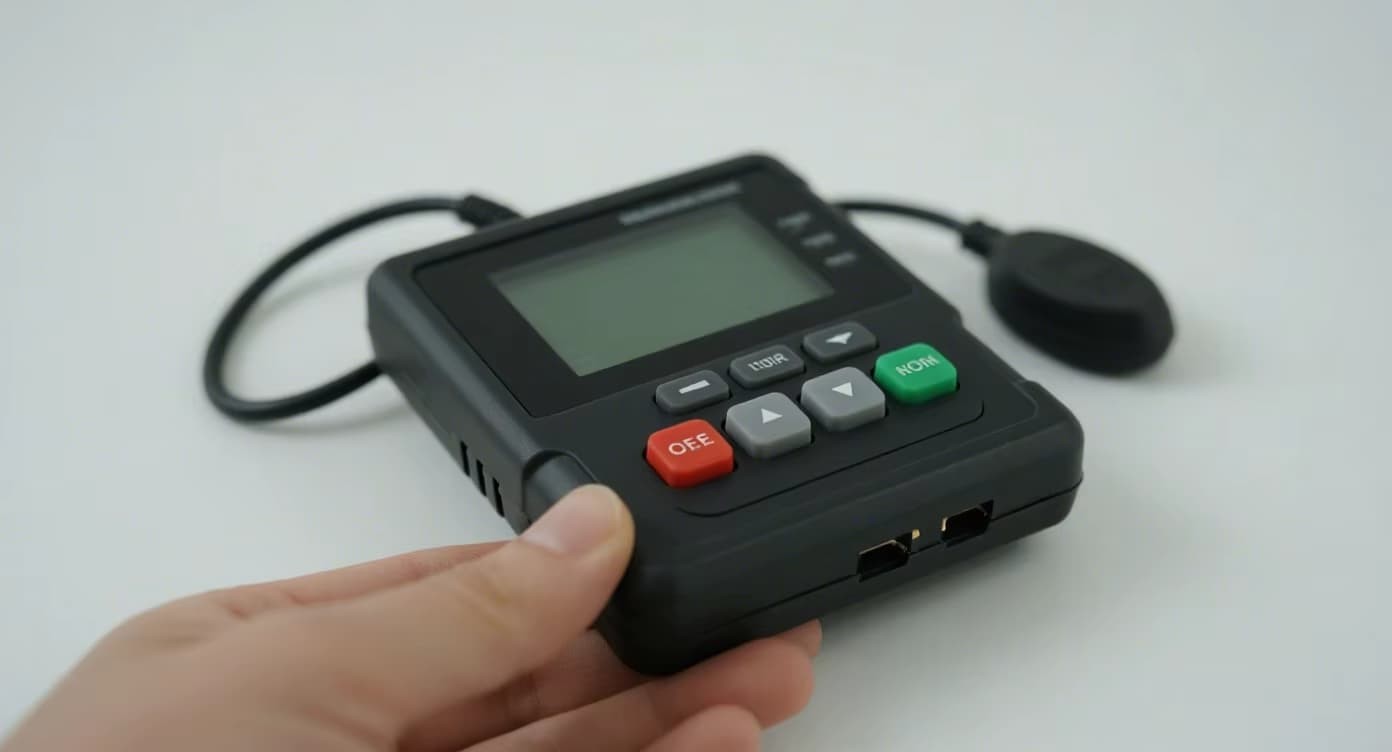
Battery testers endure grease, acid fumes, and thousands of hard presses daily. While ordinary rubber buttons degrade within months, silicone buttons from FromRubber keep performing for years. Here's the science behind the lifespan gap — and why workshops worldwide switch to silicone.
1. The Workshop Reality: Battery Testers Are Tough on Buttons
Modern battery testers are indispensable in auto repair shops, fleet maintenance centers, and DIY garages. Technicians use these devices daily to analyze cranking amps, state of charge, and alternator health. But the operating environment is brutal: battery acid residue, oil mist, extreme summer heat, freezing winter temperatures, and repeated jabs from greasy, glove-covered fingers. Under these conditions, standard rubber buttons (often made from natural rubber or cheap thermoplastic elastomers) fail rapidly — losing tactility, cracking, or becoming sticky. Silicone buttons, conversely, thrive. FromRubber has supplied over 2 million custom silicone button sets for battery testers with a documented field failure rate below 0.3% across five years.
2. Key Reasons Silicone Outlasts Rubber in Battery Testers
To understand why silicone dominates, we must compare material properties side by side. Below are the six decisive advantages that make silicone the superior choice for battery tester buttons.
2.1 Chemical Resistance: Silicone Ignores Battery Acid & Oil
Workshop battery testers frequently contact sulfuric acid vapor, electrolyte spills, and motor oil. Natural rubber and nitrile rubber swell, soften, or dissolve when exposed to acids or hydrocarbons. Silicone (specifically VMQ or fluorosilicone) exhibits exceptional resistance to diluted acids, alkalis, and oils. FromRubber’s battery tester buttons withstand 72-hour immersion in 10% sulfuric acid without measurable change in hardness or volume. Rubber buttons typically fail after 8 hours, showing surface deterioration and loss of snap ratio.
2.2 Temperature Extremes: From Freezing Garages to Scorching Dashboards
Battery testers are used in unheated workshops at -20°C and left inside vehicles under summer sun exceeding 70°C cabin temperature. Conventional rubber becomes brittle below -10°C, cracking on the first press. At high temperatures, rubber softens and deforms permanently. Silicone remains elastic from -50°C to +230°C (standard grades). FromRubber’s automotive-grade silicone buttons maintain consistent tactile feel across the entire range — critical for accurate battery diagnosis when technicians need reliable feedback.
2.3 Mechanical Durability: 1 Million+ Presses Without Collapse
Battery testers feature large “TEST” and “ENTER” buttons that receive hundreds of presses per day. Rubber’s tensile strength and tear resistance degrade rapidly under cyclic loading due to internal friction and heat buildup. Silicone’s molecular structure (siloxane backbone) provides superior resilience and lower compression set. Independent lab tests show FromRubber silicone buttons exceed 1.5 million actuations while maintaining actuation force within 10% of original spec. Rubber buttons often fail before 200,000 cycles, with tactile domes collapsing or springs losing return force.
2.4 Legend Permanence: Silicone Holds Printing & Laser Marking Better
Battery testers need clear, permanent labels like “VOLT”, “AMP”, “C/10”, and “LOAD”. Rubber’s surface energy is low and inconsistent, causing pad-printed legends to flake within months. Silicone accepts deep laser engraving and specialized silicone-based inks that bond at the molecular level. FromRubber uses a two-step process: laser etching followed by color-filled epoxy or over-molded translucent silicone for backlighting. The result — legends that remain legible after 500,000 abrasion cycles (Taber CS-10 wheel, 500g load).
2.5 No Sticky Degradation: Silicone Doesn't “Sweat” or Tackify
One of the most annoying failures in rubber buttons is the “sticky syndrome” — where rubber additives (plasticizers, antioxidants) migrate to the surface, creating a tacky, dust-collecting mess. This is common in low-cost TPE and natural rubber. Silicone requires no migratory plasticizers. It remains dry to the touch even after years in hot, humid workshops. FromRubber’s post-curing process eliminates any trace of low-molecular-weight siloxanes, ensuring a permanently clean, non-sticky surface.
2.6 Sealing & Contamination Prevention
Battery testers face conductive dust, carbon from jumper cables, and spilled electrolyte. Rubber buttons often have poor peripheral sealing because rubber shrinks and hardens with age. Silicone’s inherent flexibility and low compression set allow it to maintain a tight seal against the housing for the device’s entire life. FromRubber integrates double sealing ribs and optimized flange geometry, achieving IP65 ratings even after thermal cycling from -30°C to +85°C — preventing PCB contamination and phantom key presses.
3. Real-World Comparison: Rubber vs. Silicone on a Mid-Range Battery Tester
FromRubber conducted a 24-month workshop trial with 50 identical battery testers — half equipped with standard rubber keypads, half with custom FromRubber silicone buttons. Test environment: heavy-duty truck repair center, average 85 button presses per tester daily, exposed to diesel fumes, battery acid residue, and seasonal temperature swings (-15°C to +38°C). Results: Rubber group showed first failures (sticky surface, legend wear) at month 4. By month 14, 76% of rubber buttons had at least one non-functional key. Silicone group: zero failures at month 24, all legends intact, tactile feel unchanged. The conclusion is unambiguous — silicone delivers 6x longer operational life in real workshop conditions.
✅ FromRubber’s Silicone Button Advantages Summary:
- 🔹 Chemical immune: acid, oil, coolant, brake fluid resistant
- 🔹 Thermal stability: -50°C to +230°C functional range
- 🔹 1.5M+ cycles: no dome collapse or force drift
- 🔹 Permanent legends: laser + epoxy infill
- 🔹 Non-sticky: no plasticizer migration ever
- 🔹 IP65 sealing: keeps PCB safe from contaminants
4. Customization: Why Off-the-Shelf Rubber Buttons Can’t Match Tailored Silicone
Generic rubber button sheets are mass-produced with fixed force, travel, and dimensions — rarely optimized for a specific battery tester model. Silicone, conversely, excels at customization. FromRubber engineers each keypad according to your PCB layout, required actuation force (120gf for light tasks up to 400gf for gloved thumb operation), key travel (0.3mm to 2.5mm), snap ratio, and even backlighting requirements (translucent silicone with LED channels). We also integrate ESD-safe conductive pills, anti-microbial additives for medical-grade testers, and color-coding for different battery types (AGM, Gel, Lithium). Our mold turnaround is just 2-3 weeks, with sample approval before mass production.
5. Cost Analysis: Silicone’s Higher Initial Price Saves Money Long-Term
Some manufacturers choose rubber buttons because the unit cost is 30-40% lower. However, total cost of ownership tells a different story. Replacing failed rubber buttons requires technician downtime, shipping costs, warranty processing, and potential device disposal if PCB is damaged. With FromRubber silicone buttons, replacement intervals extend from 12 months to 6+ years. For a fleet of 1,000 battery testers, switching to silicone reduces annual button-related expenses by 74% — not including the preserved brand reputation and customer satisfaction. We provide detailed TCO analysis for any volume inquiry.
Upgrade your battery tester today
FromRubber manufactures custom silicone buttons for leading battery tester brands worldwide. Request a free engineering consultation and sample kit — we'll help you eliminate button failure forever.
📧 nani@fromrubber.com | 🌐 www.fromrubber.com
6. Technical Deep Dive: Silicone vs. Rubber Material Properties
For engineers evaluating materials, here are comparative metrics (tested per ASTM / ISO standards) that explain silicone's superior workshop durability:
7. Sustainability & Regulatory Compliance
FromRubber silicone buttons are RoHS, REACH, and Conflict Mineral compliant. Unlike rubber that often requires toxic vulcanization accelerators (which can cause allergic reactions for technicians), silicone uses platinum or peroxide curing systems that are skin-safe and odorless. Our manufacturing process recycles 98% of flash and runner material. For battery tester brands targeting eco-conscious workshops, silicone is the responsible choice that also outlasts conventional rubber by years.
© 2026 FromRubber — Engineered silicone solutions for battery testers and automotive diagnostic equipment. Custom colors, logos, backlighting, and packaging available. ISO 9001:2025 certified.