Build Your Brand with Custom Silicone Bowl Covers: The Must-Have Kitchen Essential for 2025
- Share
- publisher
- Suey
- Issue Time
- Jun 24,2025
Summary
How to specify custom silicone bowl covers for a retail range: sizing against a stretch band rather than one bowl, rim bead design, food-contact and dishwasher requirements, and where branding and colour add cost.
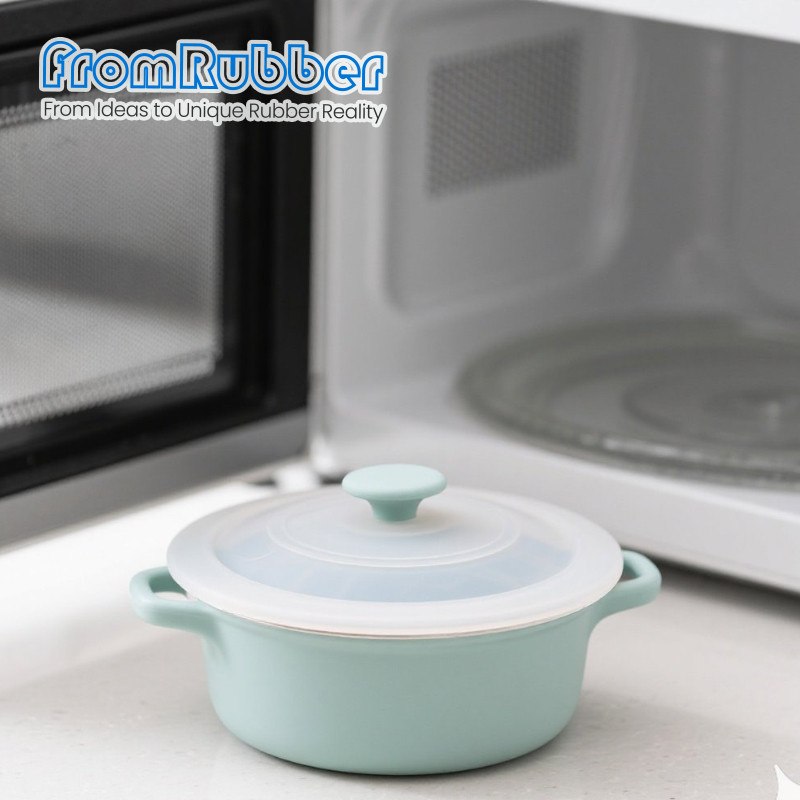
Bowl covers look like the easiest product in a kitchen range and behave like the hardest. They have to stretch over a rim, seal on a wet surface, survive a dishwasher and still be cheap enough to sell in a three-pack.
This is a private-label view of custom silicone bowl covers: sizing logic, material and food-contact requirements, branding methods and why the set, not the piece, is the product.
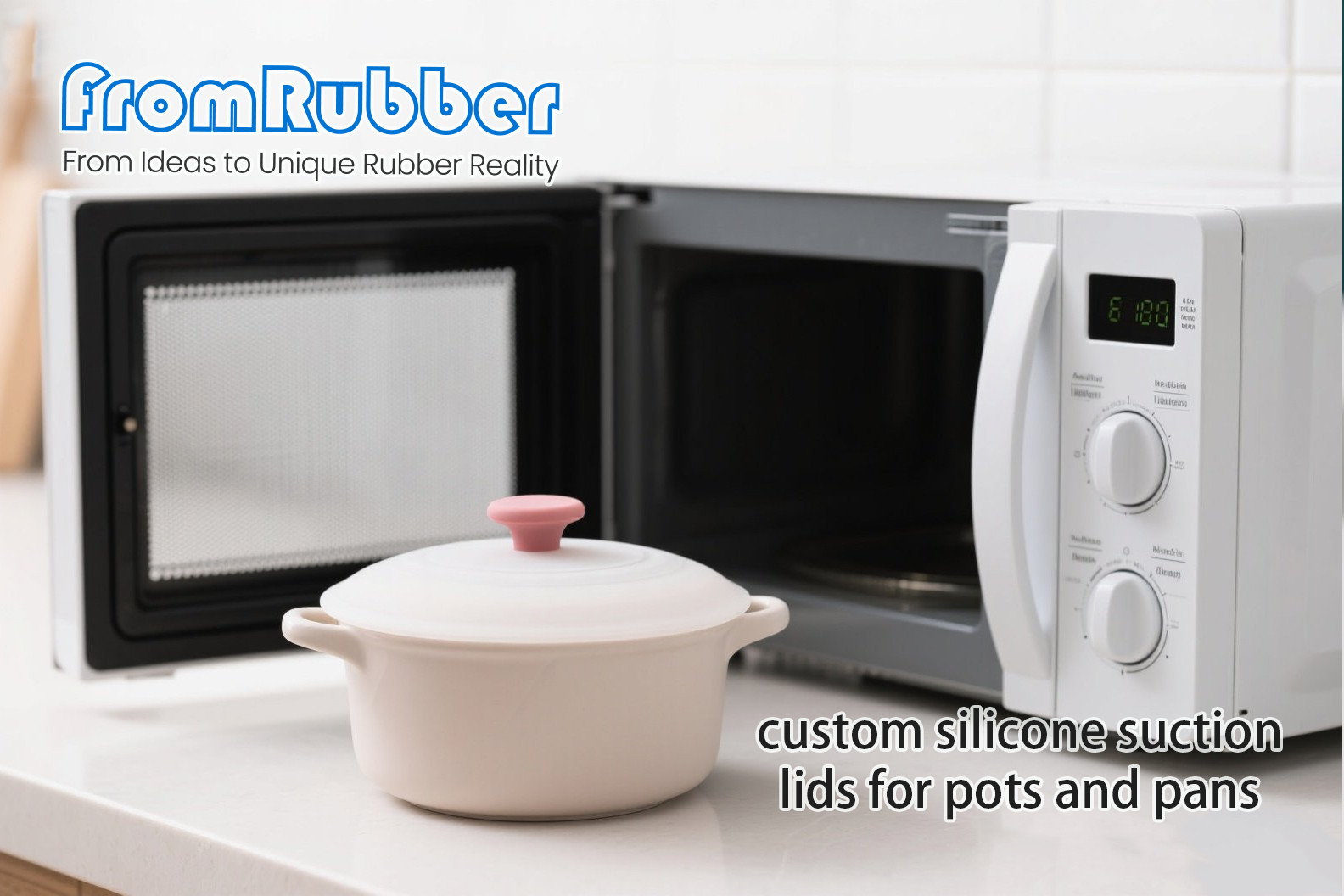
How Do You Specify Custom Silicone Bowl Covers for a Retail Range?
The direct answer: define the rim diameters you must cover, the stretch range you are willing to demand, the heat and cleaning conditions, and the branding method. Those four decide the tool, the material and the price, in that order.
Most ranges fail on the first point. A cover sized to a nominal diameter fits only that bowl, and a three-pack that fits three specific bowls is a much harder sell than one that stretches across a range of common sizes.
Sizing, Seal and the Three Numbers That Matter
The bead line is where nearly all field failures occur, which is why it deserves its own drawing detail rather than being left to the moulder.
| Parameter | Practical guidance | Failure if wrong |
|---|---|---|
| Stretch range | Design each size to cover a band of rim diameters, not one | Either it will not stretch on, or it hangs loose |
| Rim bead | A thickened edge that grips and releases cleanly | Slips on a wet rim; tears when pulled off |
| Wall thickness | Thin enough to drape, thick enough to hold a seal | Too thin tears at the bead; too thick will not stretch |
| Surface | Matte inner face for grip, easy-clean outer | Condensation makes a glossy inner face slide |
Material and Food Contact: What Belongs in the Specification
State the grade family, the hardness, the colourant system and the maximum service temperature. Then state that the finished article will be tested, because a material statement does not cover what the moulding process adds.
Two practical requirements follow. The cover must tolerate the dishwasher cycle the packaging claims, which is a heat and detergent exposure rather than a single temperature. And it must not retain odours, which is a property of the compound and the post-cure, and the reason a cheap cover smells of tomato sauce after a week.
Branding at Retail: Where the Cost Actually Goes
Four decoration routes exist. A moulded-in logo in relief is free per piece and the most durable. A printed logo is cheap to change and wears at the edge. A moulded tab or tag gives the brand a physical place to sit and doubles as a pull handle. And packaging carries more brand weight than most buyers expect, because the set is usually sold hanging or boxed.
Colour is the other lever. A custom compound colour carries a batch minimum, so a range of six colours can cost more in material commitment than in tooling. Many private-label programmes launch two colours and add seasonal shades once volume is proven.
For a brand building a kitchen range, the covers sit alongside other silicone items that share the same supply chain and the same colour system. Constructions are shown on our custom silicone product page, and the moulding constraints that apply are the same ones described in the injection moulding guide.
Frequently Asked Questions
Can one size fit most bowls?
Only within a limited band. Stretch is finite, and a cover designed for a wide range will fit the middle sizes poorly. A three-size set covers far more real kitchens than one universal cover.
Are silicone bowl covers microwave safe?
Silicone tolerates microwave temperatures well, but the cover should not seal a container completely during heating, because steam needs a path. Design or label accordingly.
Why do cheap covers tear at the edge?
Usually a bead that is too thin, or a compound with low tear strength chosen to hit a price. The tear starts at the point where the cover is pulled hardest, which is the same place every time.