Carbon pill vs. metal dome actuation in a silicone keypad – which is better suited for industrial instrumentation applications?
- Share
- publisher
- Suey
- Issue Time
- Aug 13,2026
Summary
Carbon pill offers superior sealing and vibration immunity for industrial instrumentation silicone keypad. Metal dome provides crisper feedback and longer life. FromRubber supplies both technologies with full characterization data to match your application requirements.
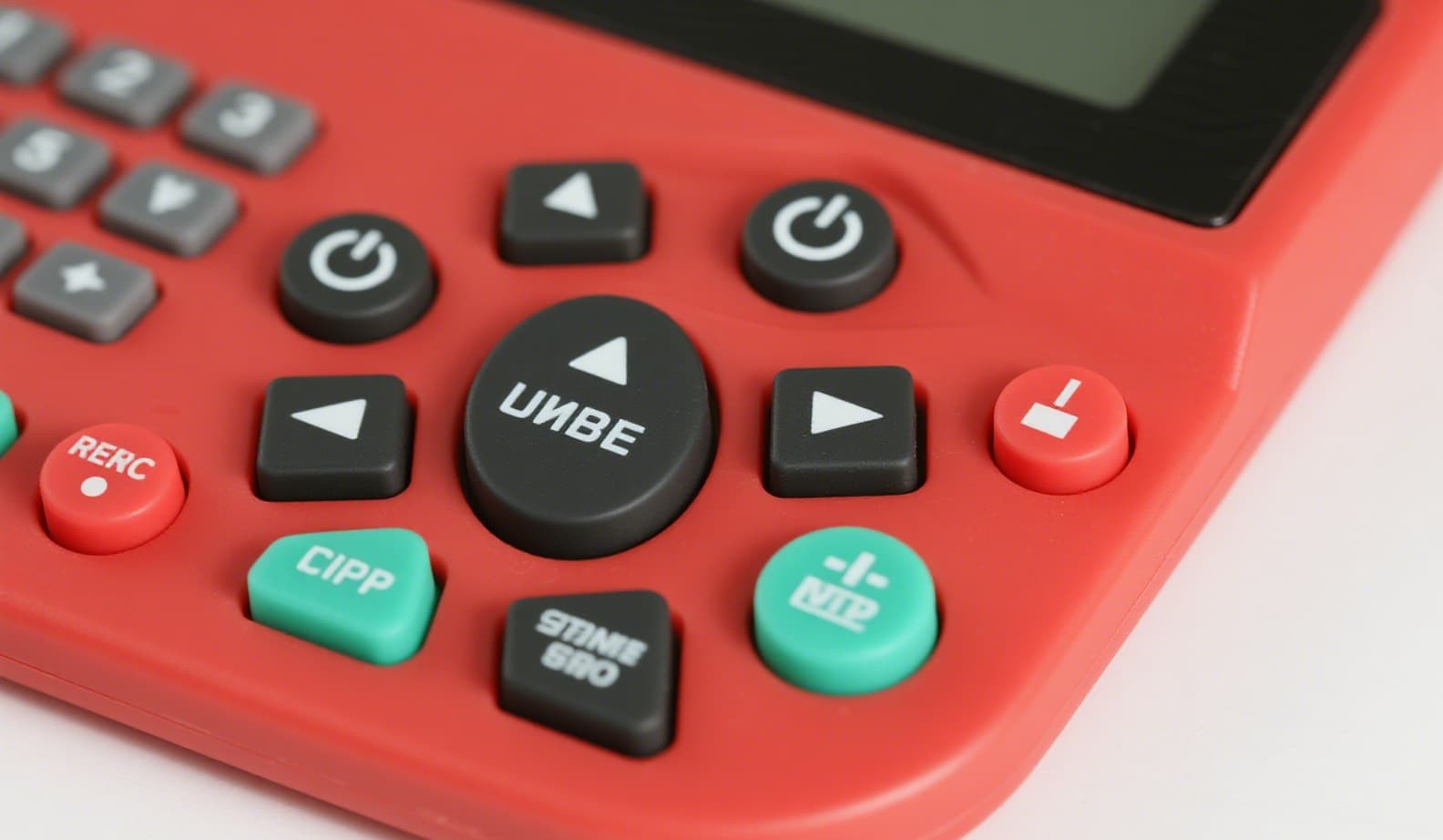
⚙️ In industrial instrumentation, the choice between carbon pill and metal dome contact technology is not trivial – it affects reliability, tactile feel, and long-term performance. Both have distinct strengths, and the right choice depends on the specific demands of the environment and the user.
Carbon Pill
Integrated conductive elastomer- Contact resistance: 10–200 Ω typical
- Lifecycle: 1–5 million cycles
- Resistance drift: <5% over life
- Tactile feel: Softer, quieter, progressive
- Environmental sealing: IP68 capable (moulded-in)
- Cost: Lower – no secondary assembly
Detailed Comparison for Industrial Instrumentation Silicone Keypad
| Parameter | Carbon Pill | Metal Dome | Industrial Winner |
|---|---|---|---|
| Contact Resistance Stability | Stable, drift <5% over 1M cycles | Very stable, virtually no drift | Metal Dome |
| Environmental Sealing (IP Rating) | Sealed – moulded into keypad, IP68 possible | Requires external sealing (tape, gasket) | Carbon Pill |
| Vibration & Shock Resistance | No mechanical snap – no vibration transmission | Snap action can transmit vibration | Carbon Pill |
| Lifecycle (Cycles) | 1–5 million | 5–10+ million | Metal Dome |
| Contact Resistance (Ω) | 10–200 Ω | 5–50 Ω | Metal Dome |
| Corrosion Resistance | Inherently non-corrosive (silicone + carbon) | Susceptible to corrosion if not gold-plated | Carbon Pill |
| Tactile Consistency | Softer, force depends on webbing design | Crisp snap; ±5 gf batch tolerance | Metal Dome |
| Assembly Simplicity | Single-step moulding | Requires dome placement / carrier | Carbon Pill |
| Cost (Total System) | Lower – no extra parts | Higher – dome + tape + placement | Carbon Pill |
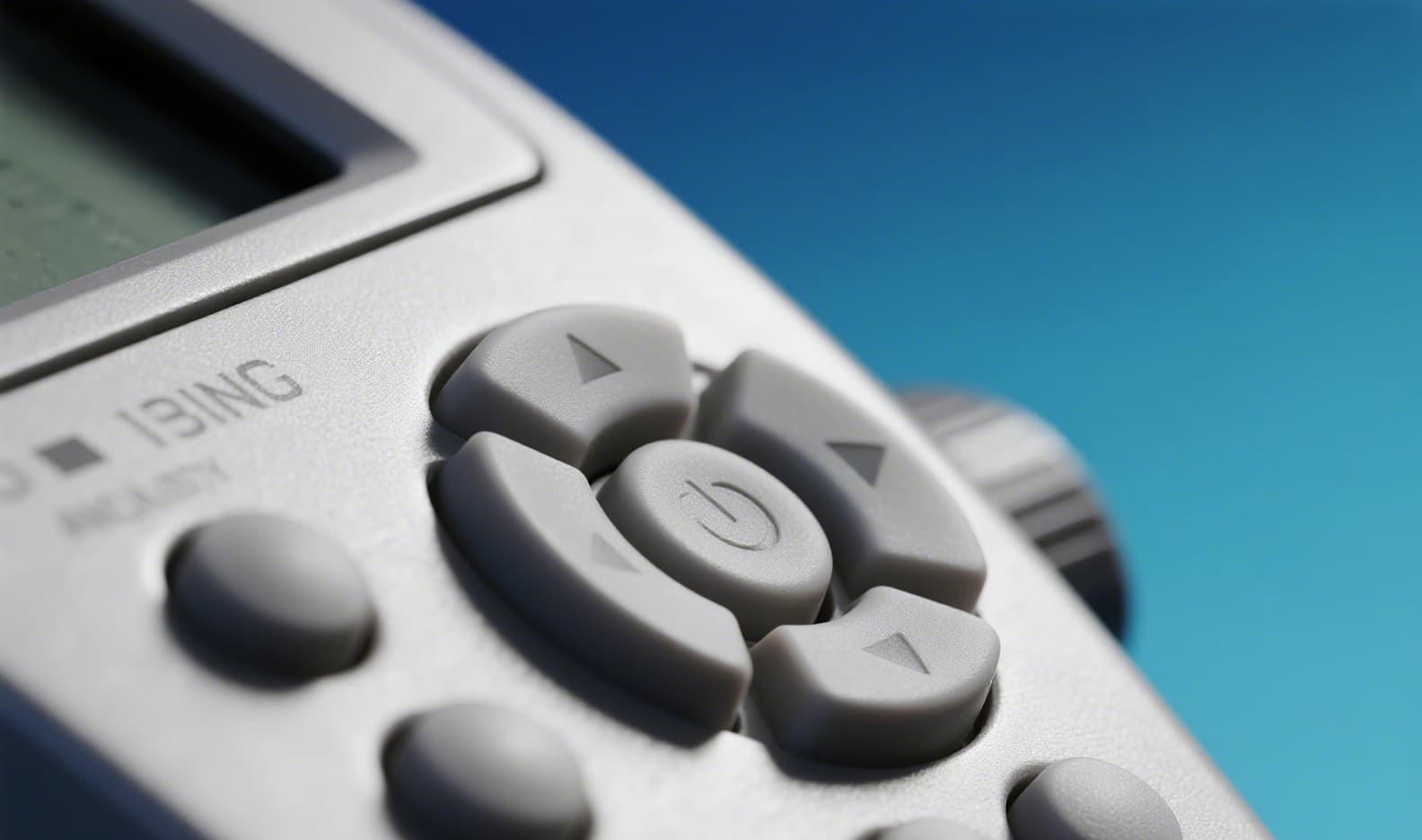
Industrial Application Scenarios of Silicone Keypad
When Carbon Pill Excels
- Harsh, dirty environments – mining, oil & gas, food processing – where sealing is critical.
- Vibration-sensitive instruments – optical encoders, precision balances – where snap vibration is undesirable.
- Cost-sensitive, high-volume applications – where simpler assembly reduces BOM.
- IP68-rated enclosures – carbon pills are moulded into the keypad, eliminating ingress paths.
- Quiet operation – no metallic snap noise, suitable for hospital or library environments.
When Metal Dome Excels
- High-cycle industrial controls – production line panels, heavy machinery – where >5M life is needed.
- Applications demanding crisp, unmistakable feedback – emergency stop, start/stop, toggle functions.
- Low contact resistance required – high-precision measurement circuits (e.g., micro-ohm sensing).
- Gloved operation – the crisp snap is felt clearly even through thick gloves.
- Backlit or ultra-low-profile designs – metal domes are thin (0.05–0.20 mm).
For most industrial instrumentation applications, the choice is not absolute – it depends on your priority.
• If environmental sealing, vibration immunity, and cost are your primary drivers – carbon pill is the superior choice.
• If crisp tactile feedback, ultra-long life, and lowest possible contact resistance are paramount – metal dome is the better fit.
Many high-end instruments use carbon pill for front-panel navigation and metal dome for critical function keys (e.g., emergency stop) – a hybrid approach that leverages the strengths of both.
FromRubber supplies both technologies and offers expert guidance to match the right solution to your application. We provide full characterisation data – force-stroke curves, contact resistance drift, and environmental test results – so you can make a data-driven decision.
Making the Right Choice for Silicone Keypad
Industrial instrumentation demands reliability, consistency, and robustness. Both carbon pill and metal dome have proven their worth over decades of use. The key is to align the technology with your specific application requirements – environmental conditions, expected lifecycle, user ergonomics, and signal integrity needs. With proper design and validation, either technology can deliver a 10+ year service life in demanding industrial settings.
✓ FromRubber offers both carbon pill and metal dome configurations for industrial instrumentation silicone keypads. We help you evaluate the trade-offs and provide prototype samples for real-world testing.