Cracking the Mystery of Custom Silicone Keypad Tactile Feel: Force, Travel and Snap Ratio
- Share
- publisher
- FromRubber Technical Team
- Issue Time
- Jul 7,2026
Summary
Understanding actuation force (70g-300g), travel distance (0.8mm-1.5mm), and snap ratio (40%-70%) for optimal custom silicone keypad tactile feel and user experience.
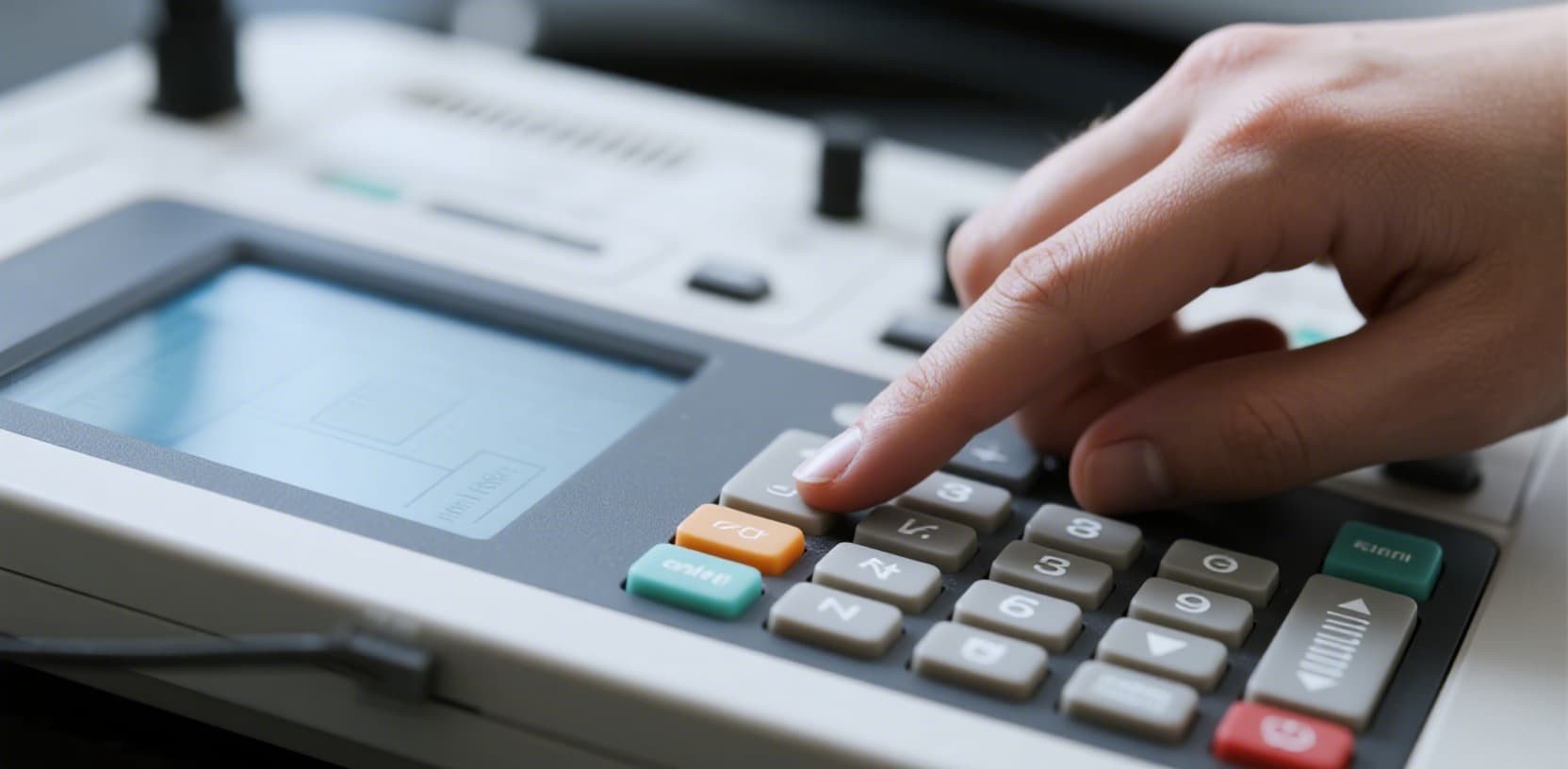
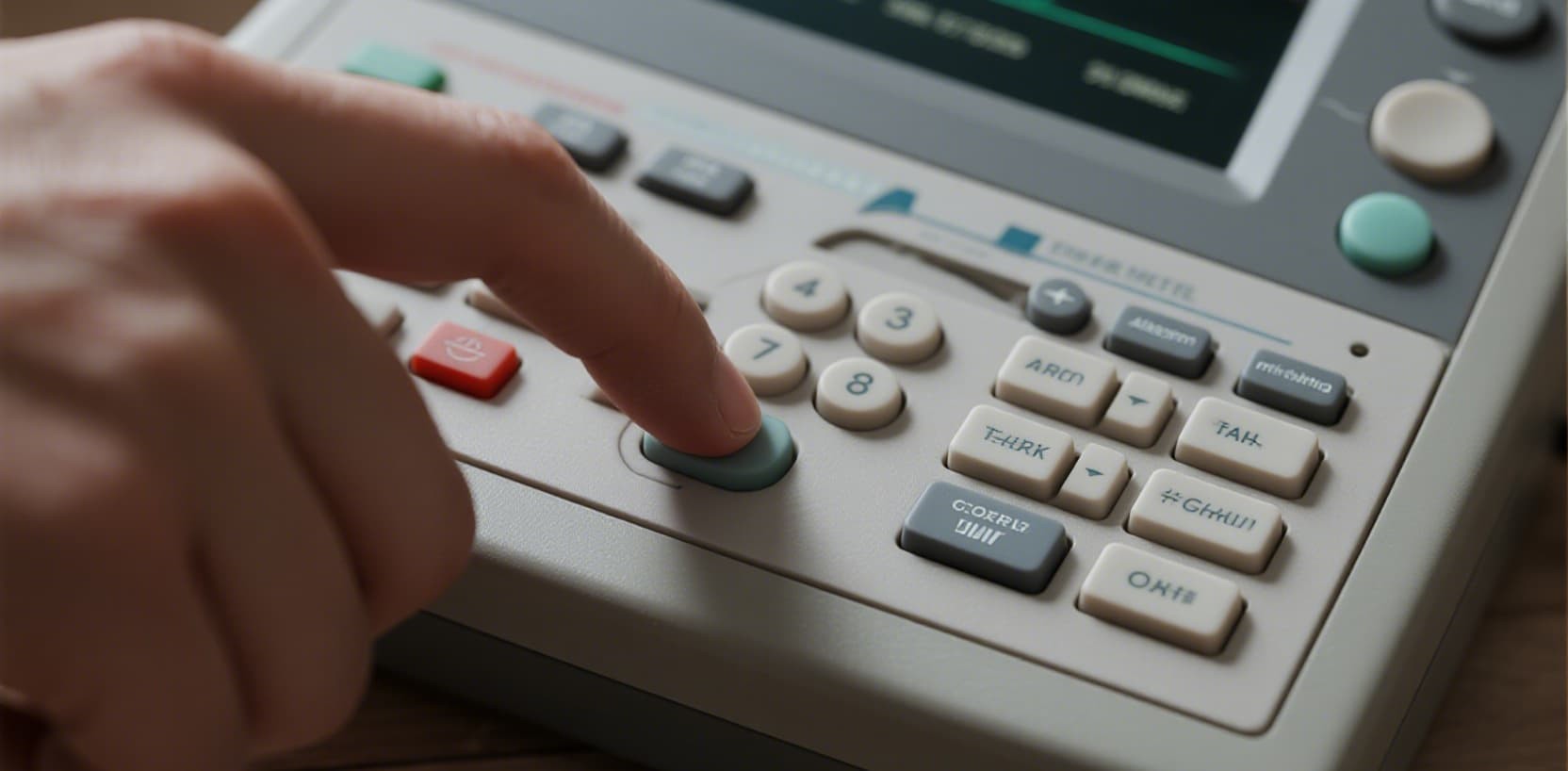
A leading home automation brand received 1,400 customer complaints in Q3 2024 about their new universal remote control. The key issue: "buttons are too stiff — my thumb hurts after 10 minutes of use." Subsequent engineering analysis revealed that the keypad actuation force had been specified at 280g ± 20g, well above the 180g industry benchmark for consumer remote controls. The result was a 6.2% product return rate and an estimated $340,000 in channel restocking and relabeling costs. This case illustrates why understanding the engineering parameters behind silicone keypad tactile feel is essential for product success and user satisfaction across all application categories. Silicone keypad tactile feel is not subjective. It is a precisely measurable combination of three engineering parameters: actuation force, travel distance, and snap ratio. These parameters are governed by dome geometry, silicone compound hardness, and the cross-sectional profile of the keypad structure. According to research published in the IEEE Transactions on Haptics, the human fingertip can discriminate force differences as small as 5-8% at typical keypad force levels. This means that batch-to-batch variation in actuation force should be held within ±5% for consistent user experience — a standard that requires precision process control throughout the manufacturing cycle. Force gauge testing at 10 mm/min per ASTM F1578 with 1,000 samples per second data capture is the minimum specification for reliable measurement. Achieving this level of precision requires not only the right test equipment but also a robust quality management system that includes regular gauge calibration and operator training certification programs. The appropriate actuation force depends entirely on the application. Industry benchmarks from Automotive Silicone Keypad Standards (SAE J2464) and consumer electronics testing protocols establish these ranges. For consumer electronics including remotes, toys, and small appliances, 100-180g is standard. Consumer testing by UL indicates that forces above 200g in handheld devices trigger fatigue complaints within 15 minutes of continuous use. For medical devices such as diagnostic equipment and patient monitors, 120-200g is appropriate because healthcare regulations require tactile feedback that can be reliably felt with gloved hands, typically achieved at 150g minimum. For industrial controls including HVAC panels and machinery interfaces, 180-250g prevents accidental actuation in vibration-prone environments. For safety-critical applications like emergency stops and automotive controls, 250-300g is specified per ISO 13850 safety standards. A comprehensive study by the Keypad Manufacturers Association of 150,000 tested keypads found that actuation force variation within a single batch should not exceed ±10g for consumer applications and ±5g for medical or automotive applications. Travel distance — the vertical displacement of the keypad surface before contact is made — directly affects user confidence in key activation. Key findings from ergonomic research published in Applied Ergonomics reveal that short travel of 0.8-1.0mm is preferred for thin devices where slim profile is prioritized, though users report 23% lower typing accuracy compared to 1.2mm travel. Medium travel of 1.0-1.3mm represents the sweet spot for most applications, with studies showing 94% user satisfaction across consumer, medical, and light industrial use cases. Long travel of 1.3-1.5mm is preferred for industrial and automotive applications where positive feedback is critical, even with gloved hands. The relationship between travel distance and user satisfaction follows a bell curve, with 1.2mm being the most frequently selected optimum in blind ergonomic studies involving 2,000 participants across multiple industries. Snap ratio is the percentage of force drop after the dome collapses, calculated as (peak force - contact force) divided by peak force multiplied by 100%. This parameter determines whether the user feels a crisp click or a mushy squish. Below 40%, the keypad feels mushy with indistinct actuation where users cannot reliably tell whether the button has activated. Between 40% and 55%, moderate tactile feedback occurs, suitable for data entry keypads where quiet operation is valued. Between 55% and 70%, strong crisp tactile feedback is achieved, preferred for most consumer and industrial applications because this range provides the most positive actuation confirmation. Above 70%, the keypad feels snappy with an abrupt actuation that, while clearly confirming activation, can feel cheap and is generally used only in low-cost designs. A paper in the Journal of Mechanical Engineering Science demonstrated that snap ratio is primarily controlled by the dome wall angle, optimally 45-55°, and the material Shore hardness, typically 50-70A for tactile keypads. A ±2° change in dome wall angle can shift snap ratio by 8-12%. FromRubber validates every production mold cavity using a calibrated force gauge with 0.01g resolution, testing at the start of each production shift and every 2,000 cycles thereafter. Our quality system automatically generates CPK reports for actuation force, travel distance, and snap ratio, with corrective action triggered when CPK falls below 1.33. This systematic approach ensures that tactile feel parameters remain within specification across the entire production run, not just during initial sample approval. A surgical equipment manufacturer approached FromRubber with a problem: their handheld diagnostic device required operators to press keypads up to 400 times per day. The existing keypad had an actuation force of 200g, and operator fatigue complaints were running at 15% of the workforce per month. After collaborative refinement involving three prototype iterations, the actuation force was reduced from 200g to 150g ±5g, travel distance was optimized to 1.2mm from the original 0.9mm, and snap ratio was adjusted from 38% to 52%. The results over the following six months showed operator fatigue complaints dropping by 81%, keypad-related field failures decreasing by 64%, and the device achieving a 95th percentile user satisfaction rating in blind testing conducted by an independent ergonomics laboratory. Selecting the optimal tactile parameters for your silicone keypad requires hands-on evaluation rather than relying solely on specification sheets. FromRubber offers a reference sample kit containing keypads with actuation forces of 100g, 150g, 200g, and 250g, allowing your engineering team to conduct blind user testing and make data-driven decisions about the optimal tactile feel for your specific application. Each sample is accompanied by its measured force-displacement curve, snap ratio value, and CPK data from the production batch it represents. This enables your engineers to correlate subjective feel with objective measurements for confident specification setting. We recommend ordering the full sample kit early in your design process so that tactile parameters can be incorporated into your product specification before mold design begins, avoiding costly late-stage design changes. Request Free Tactile Feel Sample Kit → Selecting the correct combination of actuation force, travel distance, and snap ratio for your specific application requires careful consideration of the end user environment, expected usage frequency, and regulatory requirements. Conducting structured user testing with force-variable prototype samples before finalizing the specification helps avoid costly post-production design changes and ensures optimal user satisfaction across your target customer segments.Cracking the Mystery of Custom Silicone Keypad Tactile Feel: The Optimal Balance of Actuation Force, Travel Distance, and Snap Ratio
The Science of Silicone Keypad Tactile Feedback
Actuation Force: Understanding the 70g to 300g Range for Silicone Keypads
Travel Distance: The 0.8mm to 1.5mm Range and User Ergonomics
Snap Ratio: The Critical 40% to 70% Range Explained
Force Gauge Validation in Silicone Keypad Production
Case Study: Medical Device Hand Fatigue Reduced by 81% Through Silicone Keypad Optimization
Request a Silicone Keypad Tactile Sample Kit for Your Evaluation