Custom Backlight Keymats Silicone Rubber LED Keypad Manufacturing
- Share
- publisher
- karl
- Issue Time
- Oct 9,2025
Summary
How a custom backlight keypad transports light from LED to legend: the light guide, diffuser and legend mask, the power and heat compromise, the uniformity ratio worth specifying, and the process points that decide whether the backlight survives.

Backlighting a keypad is a light-transport problem disguised as a cosmetic feature. The LED is easy; getting its light to arrive evenly under every legend, at the thickness the product allows, is the work.
This covers how a custom backlight keypad is actually built: the light path, the layers, the power budget and the failure modes that show up as bright spots or dark corners.
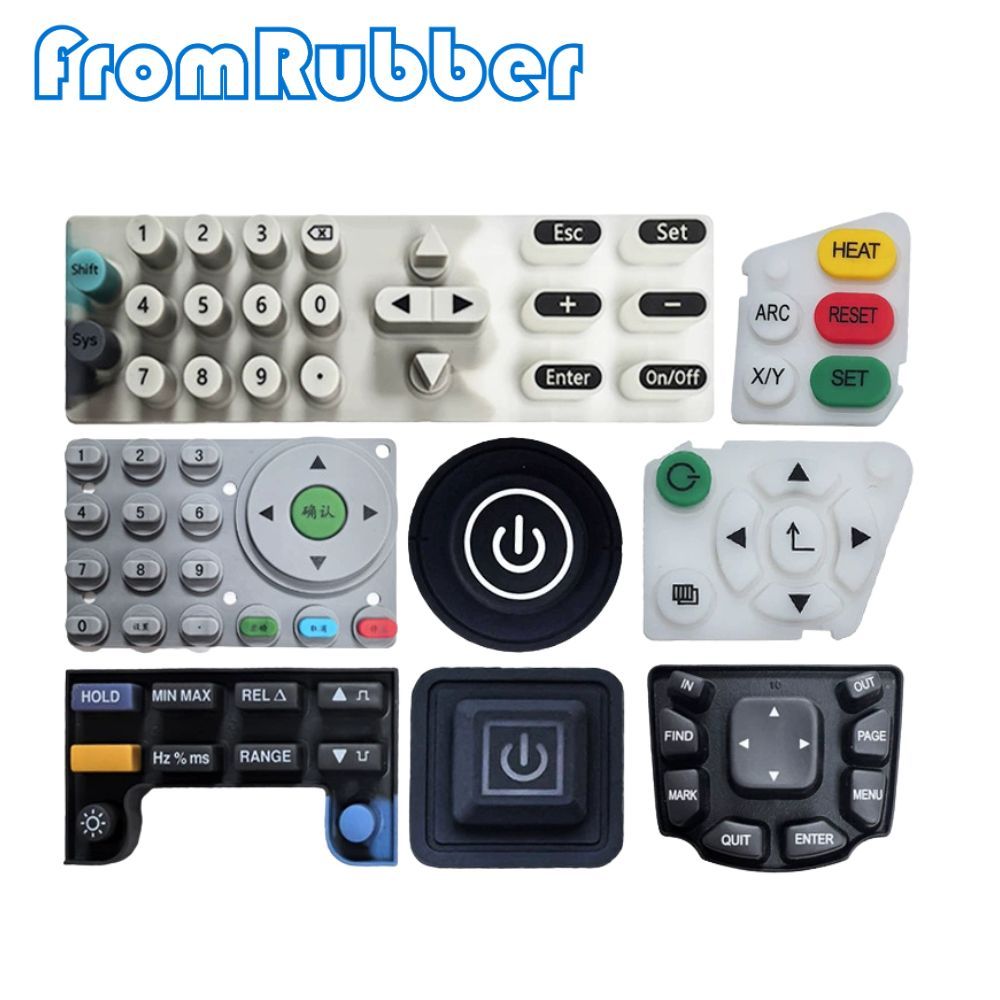
How Does Light Reach the Legend on a Custom Backlight Keypad?
The direct answer: through a stack of four elements. The LED emits, a light guide spreads the light laterally, a diffuser evens the remaining hotspots, and the legend either transmits through a translucent silicone or is masked by an opaque layer with clear windows.
Every one of those layers costs thickness. That is why a backlit keypad is designed from the light path outward rather than by adding a light to an existing panel.
The Layers and What Each One Solves
The mask is the layer most often treated as decoration. It is a functional layer: its opacity decides whether the legend reads as a crisp symbol or as a soft patch of light.
Layer order matters as much as layer choice. Put the diffuser above the light guide and the mask directly under the legend surface, and the light arrives at the character with the shortest possible path. Reverse the order and the same components produce a dimmer, softer result with no change to the bill of materials.
The stack also decides thickness, and thickness decides key travel. A backlit panel that adds half a millimetre under the keys changes their feel, so the light path should be allocated its depth before the key geometry is drawn rather than after.

| Layer | Job | Symptom when it is wrong |
|---|---|---|
| LED placement | Distance and spacing from the legend | Hot spot directly above the LED |
| Light guide | Spread light laterally across the panel | Bright keys in the middle, dark at the edges |
| Diffuser | Even out remaining variation | Visible dots or bands |
| Legend mask | Block light everywhere except the character | Glow around the legend, blurry characters |
Manufacturing a Backlit Keypad Without Surprises
Three process points decide the outcome. The legend window must stay aligned through moulding, printing and assembly, which is a tool question as much as an assembly one. The light guide must be positioned without a gap that creates a dark band. And the whole stack must be sealed, because a backlit panel that admits moisture loses brightness before it loses function.
Test the first article in the dark, on the actual electronics, at the actual supply voltage. A panel tested on a bench supply at nominal voltage tells you little about the production unit running at the low end of its battery range.
Where the panel also needs a flame rating, the backlight layers join the assessment, and that interaction is covered in our article on flame-retardant backlit keypads. Backlit constructions are shown on the backlit dome switch keypad page.
What Are Backlight Keymats: A Deep Dive into Design and Functionality
Backlight keymats are specialized keyboard overlays designed to illuminate key symbols using integrated lighting. They combine tactile rubber keypads with LED backlighting to enhance visibility in low-light settings, making them essential in industries like aerospace, medical devices, and industrial controls. At their core, these keymats consist of several key components working together seamlessly.
Core Components and Materials
- Silicone Rubber Keypad: The foundation of most backlight keymats, silicone rubber provides flexibility, durability, and a tactile feel. Its translucent properties enable light diffusion, essential for even backlighting.
- Translucent Silicone Button Pad: These pads allow LED light to pass through symbols etched or printed on the keys for clear visibility.
- Laser Etched Backlight Icons: Symbols or characters on the keymat are often laser etched to ensure precise, durable, and sharp illumination.
- LED Integration: Small LEDs are embedded beneath or beside key areas, lighting the etched symbols without excessive power consumption.
How Backlighting Works: From LED Integration to Symbol Illumination
The backlighting process starts with LED placement behind the silicone keys. When powered, these LEDs emit light that travels through the translucent silicone button pads. Thanks to light diffusion techniques within the rubber layer, illumination appears uniform across each key symbol, enhancing legibility without glare.
This integration not only improves usability in dark environments but also enables customization options such as multicolor lighting or adjustable intensity. Overall, backlight keymats combine advanced materials and smart engineering to provide durable, high-performance illuminated keyboards tailored to demanding professional settings.
Manufacturing Backlight Keymats: Techniques for Superior Performance
When it comes to making high-quality backlight keymats, the process has to be precise and consistent. From start to finish, manufacturers focus on materials like silicone rubber that are durable and perfect for LED illumination. Here is a simple breakdown of the production process and some advanced tips to get it right.
Step-by-Step Production Process
-
1.Material Selection
Using translucent silicone button pads ensures the light passes through evenly, which is key for clear backlighting.
-
2.Molding and Shaping
Silicone rubber keypads are molded to form the keymat shape, including raised tactile silicone switches for better feedback.
-
3.Laser Etching Backlight Icons
The symbols or icons on the keys are laser etched, allowing light to shine through the membrane switch clearly without wear over time.
-
4.LED Integration
LEDs or light guides are carefully positioned behind the keymat to make sure every key lights up uniformly.
-
5.Applying Durable Coatings
Coatings protect the keypad surface and help diffuse light evenly, boosting both durability and aesthetics.
-
6.Final Assembly and Testing
The fully assembled keymat undergoes quality checks to confirm the lighting and tactile functions meet high standards.
Advanced Techniques to Avoid Common Pitfalls
-
Uniform Light Diffusion
Using special diffusion layers stops hot spots and uneven lighting, common issues in LED illuminated membrane switches.
-
Precision Laser Etching
Avoid blurry or fading icons by opting for precise laser etching instead of silk screening.
-
Material Quality Control
Consistent silicone curing prevents warping or shrinkage, which can disrupt LED placement and key function.
Cost Factors and Lead Times
-
Production costs vary based on:
- Material quality (silicone vs cheaper alternatives)
- Complexity of LED layouts
- Custom design requirements
-
Typical lead times range from 4 to 8 weeks, depending on order size and customization level.
-
Choosing reliable backlight keypad manufacturers or industrial backlight keymat suppliers in China or local US markets can help balance costs and turnaround without sacrificing quality.
By following these tried-and-true manufacturing steps and advanced tips, you get backlight keymats that combine durability, excellent performance, and clear illumination - ready to meet the demands of industrial or consumer use.
Key Applications and Benefits in High-Stakes Industries
Backlight keymats play a crucial role in industries where precision, reliability, and visibility matter most. From aerospace and medical devices to industrial controls and military equipment, these illuminated keypads ensure users can operate equipment accurately under all conditions, including low light or nighttime use.
Real-World Use Cases
- Medical Equipment: Backlight keymats help healthcare professionals easily identify controls on devices like monitors and diagnostic tools, reducing errors during critical procedures.
- Aerospace and Aviation: Pilots rely on backlit silicone rubber keypads for clear visibility of cockpit controls regardless of lighting, ensuring safe navigation.
- Industrial Machinery: In dark factory settings, LED illuminated membrane switches enhance operator efficiency and machine safety by providing clear feedback.
- Military Operations: Durable LED keymat coatings withstand harsh environments while delivering visible controls during night missions.
Tangible Benefits Backlight Keymats Offer
- Improved Visibility: Laser etched backlight icons and translucent silicone button pads allow easy reading without extra lighting.
- Tactile Response: Tactile silicone switches deliver satisfying feedback for confident input even with gloves on.
- Durability: Custom conductive keymats made from high-grade silicone resist wear, water, and chemicals common in tough work environments.
- Customization: Tailored backlight keymats can match specific industry needs, from symbol arrangement to light diffusion across keys.
Compared to alternatives like printed overlays or non-backlit keyboards, backlight keymats stand out by offering a blend of durability, clear illumination, and tactile control, making them the go-to choice for U.S.-based companies in critical fields who demand reliable performance under pressure.
FromRubber Custom Solutions: Tailoring Backlight Keymats to Your Needs
At FromRubber, we specialize in creating custom backlight keymats designed specifically for your unique needs. Whether you require a silicone rubber keypad with laser etched backlight icons or an LED illuminated membrane switch, our expert team ensures every detail matches your project's demands. We work closely with you to design durable, translucent silicone button pads that deliver excellent light diffusion and tactile feedback.
Our End-to-End Services
We offer a full range of services from product design, prototyping, to final manufacturing. This means you get everything under one roof - custom conductive keymats, backlit rubber keyboard manufacturing, and quality control with durable LED keymat coatings. Our streamlined process reduces lead times and keeps costs manageable while maintaining high standards.
Success Stories and Customization Options
We have helped many industrial clients across the U.S. who depend on reliable backlight keymats for critical equipment. From rugged medical devices to control panels in harsh environments, our custom solutions have enhanced functionality and user experience. You can choose options like tactile silicone switches, multiple LED colors, or special coatings to make your product stand out.
When you partner with FromRubber, you get more than just parts - you get tailored solutions that work seamlessly for your applications.
Choosing the Right Partner: Tips for Sourcing Custom Backlight Keymats
Finding the right partner for custom backlight keymats is crucial, especially for U.S. businesses that demand quality, durability, and fast delivery. Here is what you should look for when sourcing from backlight keypad manufacturers:
Must-Haves in Suppliers
- Experience with Silicone Rubber Keypads: Choose suppliers familiar with silicone rubber keymat designs and laser etched backlight icons to ensure clear, durable illumination.
- Strong LED Integration Knowledge: Your supplier should know how to work with LED illuminated membrane switches and light diffusion in keymats to get consistent, bright backlighting.
- Custom Conductive Keymat Capabilities: Look for partners who offer tailored solutions like custom conductive keymat options that fit specific use cases.
- Reliable Production Times: Especially important for U.S. companies is a supplier who can meet your deadlines and offer transparent lead times.
- Quality Materials and Coatings: Confirm that they use durable LED keymat coatings and high-grade translucent silicone button pads for longevity.
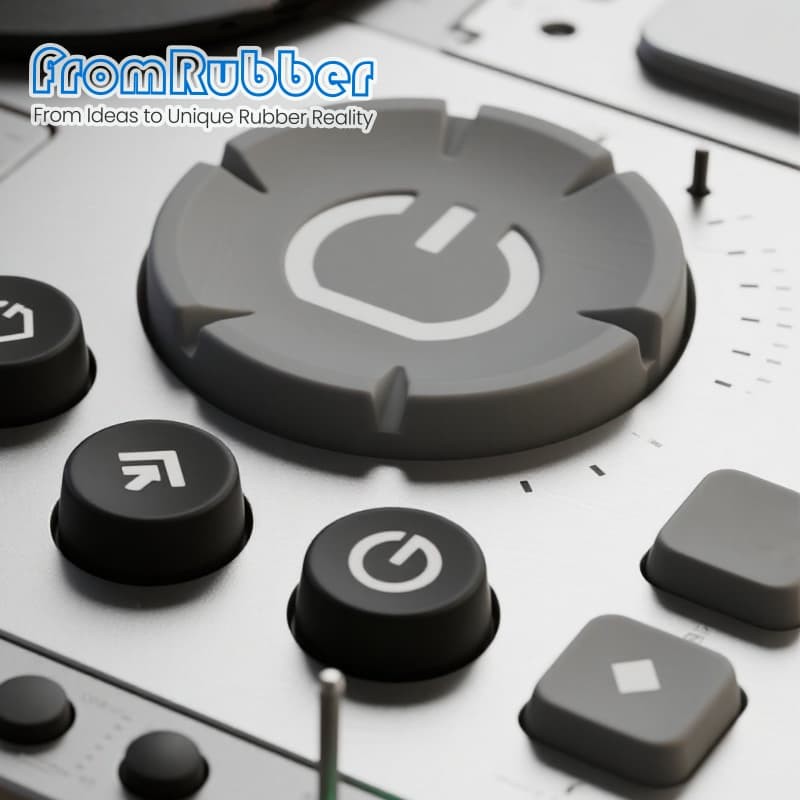
Power, Heat and the Compromise Nobody Mentions
Brighter backlighting needs more current, and more current in a sealed enclosure means heat where the components are least able to shed it. The practical answer is not a brighter LED but a better light path: efficiency gains at the diffuser and the mask usually beat power increases.
Heat also affects the silicone itself. A compound that is fine at ambient may show colour shift or accelerated compression set near a hot LED, so the thermal design of the backlight and the material choice should be reviewed together.
Uniformity Is the Acceptance Criterion
Write the uniformity requirement as a ratio between the brightest and dimmest legend, checked in a dark room at the working distance. Without that number, "evenly backlit" is an opinion, and opinions differ between the factory and the customer's site.
Red Flags to Avoid
- Lack of Certifications or References: Avoid manufacturers who cannot back up their quality claims or do not have industrial backlight keymat supplier certifications.
- Poor Communication: If the supplier is slow or unclear, it can complicate customization and delay your project.
- Inflexible Minimum Order Quantities: U.S. customers often need variable order sizes. Beware if a supplier mandates very high minimums without flexibility.
- No Local Support or After-Sales Service: Having a U.S.-based contact or responsive support makes a difference when issues come up.
Final Thoughts
When sourcing backlight keymats, think beyond price and focus on quality, customization, and delivery reliability. The right partner helps you get dependable, high-performing backlit rubber keyboards adapted to your industry needs, whether it is industrial controls, medical devices, or consumer electronics. Choose suppliers that align with these priorities for the best results.
Illuminate Your Project with Precision Partner with FromRubber for Custom Backlight Keymats That Shine Get Your Free Quote NowFrequently Asked Questions
Can every key be individually lit?
Yes, with separate LED channels, but the wiring and the power budget grow quickly. Most panels group keys into a few channels and accept shared brightness.
Why does the backlight look uneven after a few months?
Usually moisture or contamination in the light path, or yellowing of the diffuser. Both reduce transmission unevenly, which reads as patchy brightness rather than a failed LED.
Does backlighting weaken the keypad?
It adds layers but not necessarily weakness. The risk is thickness: a stack that is too tall changes key travel, so the geometry has to be designed for the light path from the start.