Custom Logo & Color Options: How to Source OEM Silicone Cup Holder Pads for Your Car Accessory Brand
- Share
- publisher
- Suey
- Issue Time
- Apr 20,2026
Summary
OEM silicone cup holder pads are sold as brand assets, not as commodity mats, so the specification has to carry compression, colour and logo decisions. This sourcing brief sets out the five values to put on the drawing, how each logo method behaves after a year in a car, and the RFQ checklist that keeps two quotations comparable.
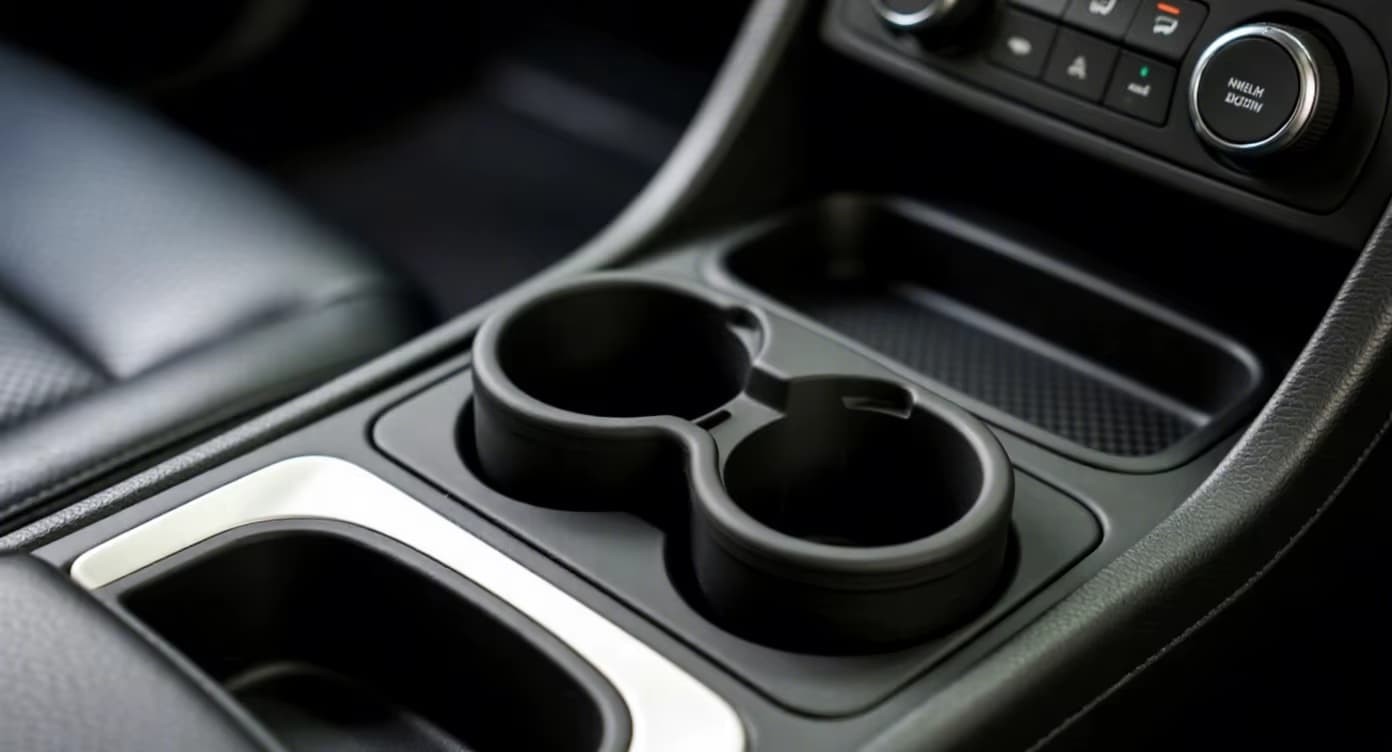
Sourcing brief
The difference between a cup holder pad that strengthens a brand and one that embarrasses it is usually five numbers on a drawing: thickness under load, colour tolerance, logo depth, surface gloss and pack quantity. None of them is expensive to control. All of them are expensive to discover after the container ships.
- Compression matters more than hardness: a 3 mm pad that loses a third of its thickness lets a cup tilt in a moving car.
- Colour is a measured value, not a swatch photo — hold the pad to a Delta E tolerance against a physical master.
- The logo method decides the failure mode: moulded survives, printed wears, laser-etched is permanent but low contrast.
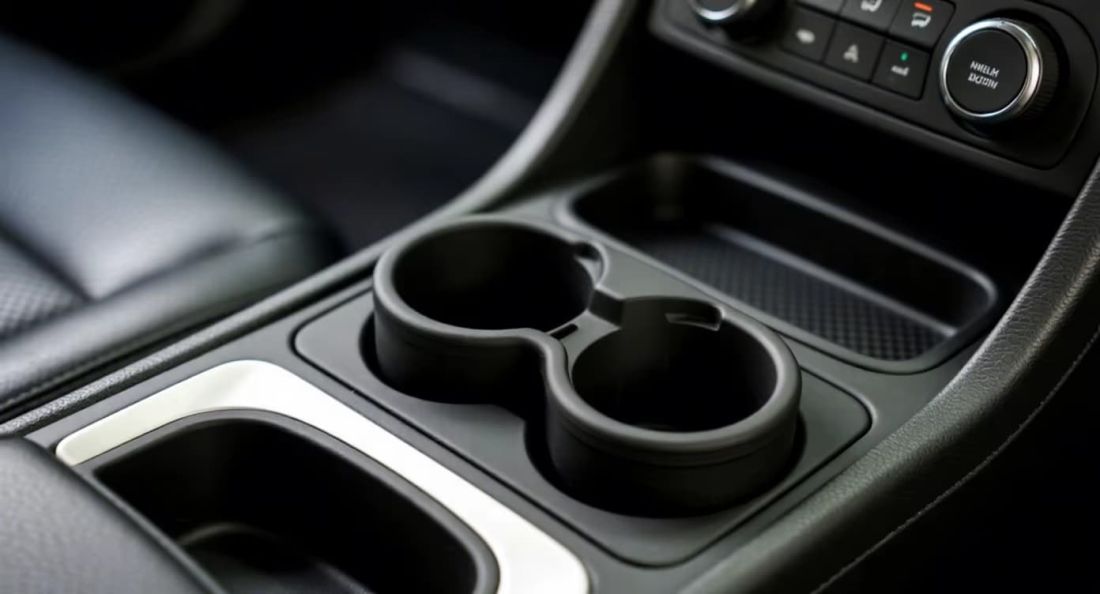
Five values to put on the drawing for OEM silicone cup holder pads
Thickness is quoted as a nominal figure, which is why pads fail in service. What a cup actually feels is thickness under load: a 3 millimetre pad at 50 Shore A compresses by roughly a third under a full travel mug, and the cup then sits on the console rather than on the pad. Specify the compressed thickness at a stated load, and the pad keeps holding the cup for the life of the vehicle.
The other four values are equally plain. Colour needs a Delta E limit against a physical master kept by both parties. Surface finish needs a gloss unit target, because a matte pad and a satin pad look like different products on a shelf. Logo depth needs a tolerance in millimetres. Pack quantity and labelling need to be written down, because retail packaging is where a good pad arrives looking like a sample.
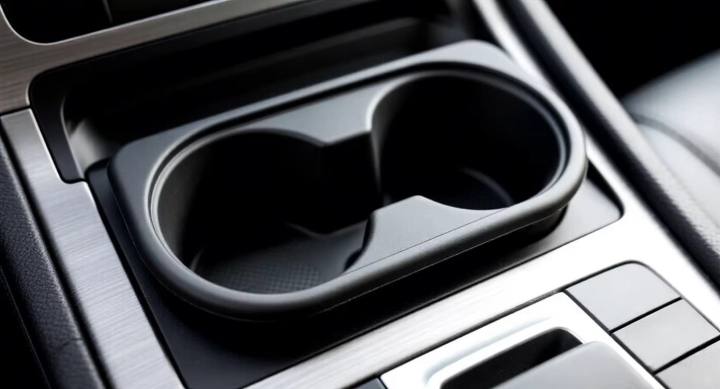
Choosing a logo method that survives a car interior
Moulded-in logos are cut into the cavity, so the mark is the same material as the pad and cannot wear off. The trade-off is tooling cost and a minimum contrast: a shallow moulded mark in a dark pad is nearly invisible until it collects dust. Printed logos give full colour and fine detail, but the ink is a separate layer that meets sunscreen, hand sanitiser and UV.
Laser etching sits between them: permanent, no added chemistry, but the mark depends on contrast between the etched surface and the base colour. For a brand that refreshes artwork every season, print on a shared tool is the pragmatic route; for a logo that must last the product life, mould it.
- Moulded — zero wear, one-time tooling, best in a single colour with a deep cut.
- Screen printed — full colour, needs a solvent-resistant ink and a cure record.
- Laser etched — permanent, monochrome, contrast depends on the compound.
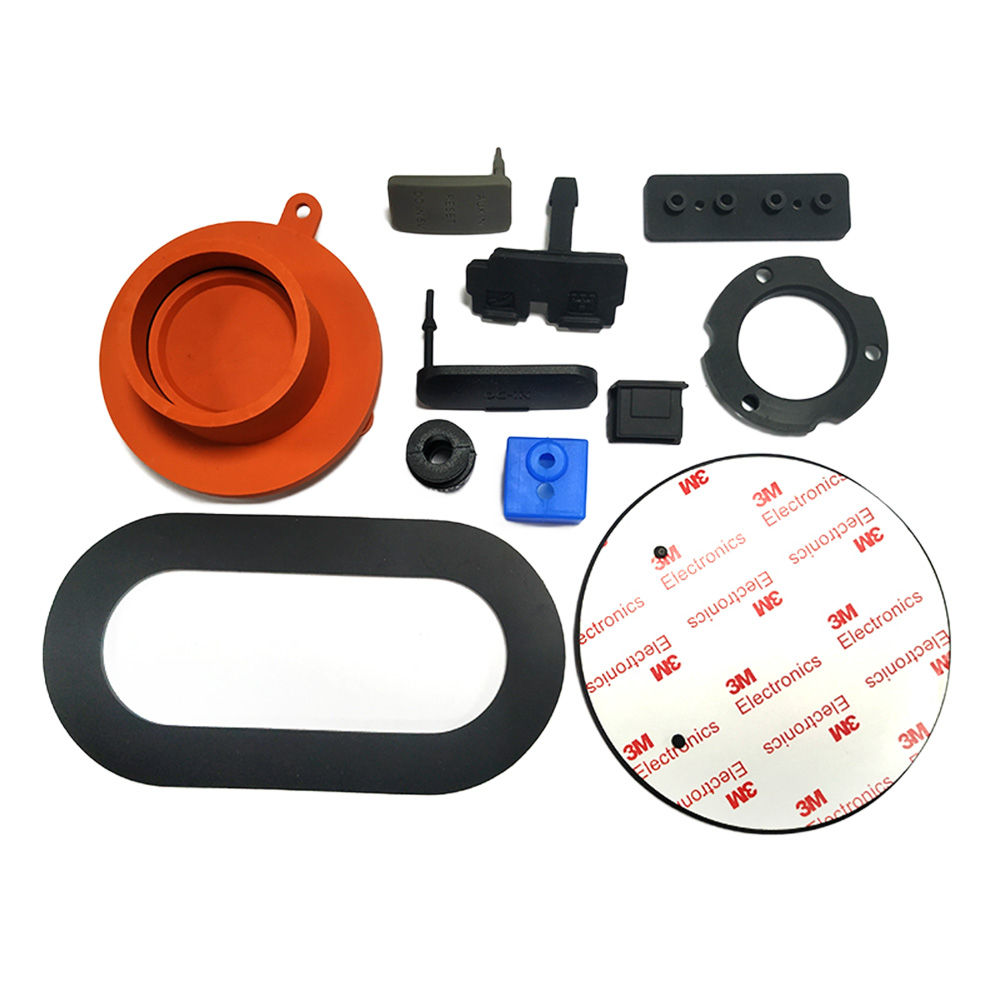
Specification sheet for a branded cup holder pad
These are the lines that make two quotations comparable; leave any of them out and the cheaper quote is cheaper for a reason.
| Parameter | Suggested value | Why it matters |
|---|---|---|
| Hardness | 40 to 60 Shore A | Sets grip and compression without feeling spongy |
| Compressed thickness | Stated at a defined load | Controls whether the cup sits on the pad or the console |
| Colour tolerance | Delta E 1.5 or tighter | Keeps a second production run matched to the first |
| Surface gloss | Matte, 3 to 8 GU at 60 degrees | Prevents the shiny, reprocessed look that reads as cheap |
| Logo depth | 0.3 to 0.6 mm moulded | Deep enough to read, shallow enough to clean |
| Heat resistance | 100 °C continuous | A closed car on a summer dashboard exceeds 80 °C |
Packaging and presentation decide the retail impression
A pad that arrives warped, dusty or smelling of cure by-products undoes the specification work in the first ten seconds. Silicone picks up odour from packaging films and from storage next to rubber or solvent-based print, so specify a low-odour bag and a defined rest period after cure before packing.
For retail, the pack geometry matters as much as the pad: a rolled pad creases along the same line every time, and a crease in a matte surface is permanent. Ship flat in a rigid sleeve, or roll around a former with a radius large enough that the pad relaxes within an hour of unpacking. Both options cost cents and prevent a category of complaint that no material upgrade can fix.
Tooling options for a private-label cup holder pad
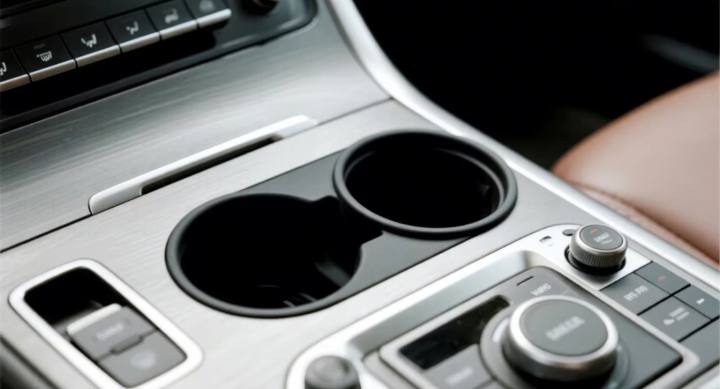
A pad is a simple part with a simple tool, which is exactly why tooling decisions get rushed. A single-cavity tool is right for a launch range with several colours, because you change the compound rather than the cavity; a multi-cavity tool is right when one colour dominates the volume and the per-part cycle time starts to matter. Ask for both configurations priced, then choose against your forecast rather than against the first order.
Insert tooling is the third option and the one most brand owners should consider. A common frame with interchangeable logo inserts lets a programme carry three or four brand marks or seasonal designs without cutting a new tool each time. The frame is paid once; the inserts are small and quick to make, which keeps a private-label range commercially viable at modest volumes.
From artwork to approved sample: the approval loop
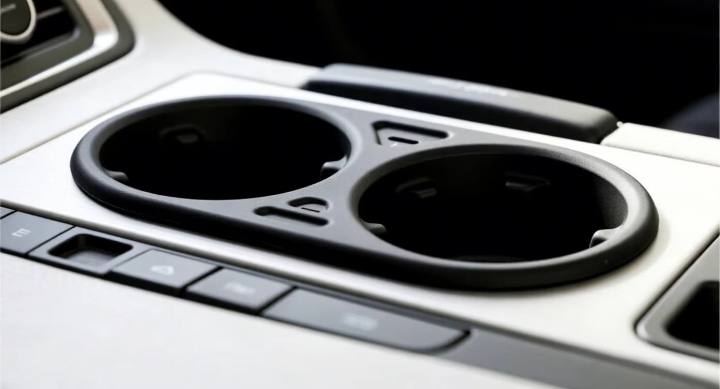
The loop has four gates and each one should close before the next opens. First, the drawing is signed with tolerances and the colour master is agreed physically. Second, a sample is moulded in the production compound and the compressed thickness is measured, not eyeballed. Third, the logo is checked at the depth and definition specified, in the lighting the product will be seen in. Fourth, a pilot run of a few hundred pieces is inspected against the approved sample.
Skipping the pilot is the most common cause of a dispute, because a sample of three hides the drift that a run of three hundred reveals. Keep the approved sample sealed and dated, and measure every later delivery against it rather than against a photograph. That single practice removes most of the arguments about colour and gloss.
Matching the tool to the programme
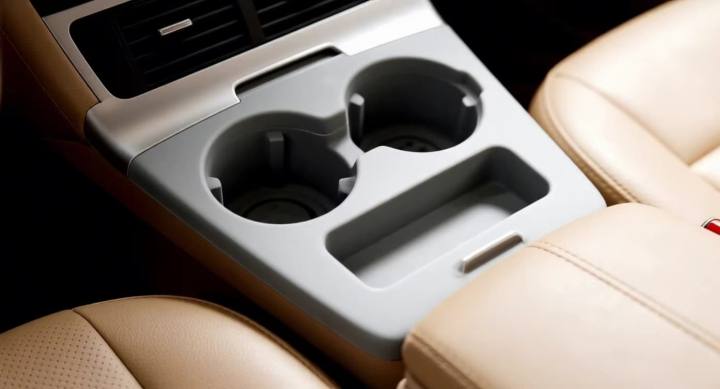
| Programme | Tool choice | Why |
|---|---|---|
| One brand, one colour, high volume | Multi-cavity frame | Lowest cycle cost per part |
| One brand, several colours | Single cavity, colour changes | Tool cost stays low; volume per colour is small |
| Several brands, shared shape | Common frame with logo inserts | One frame, cheap variants |
| Seasonal artwork | Shared frame, printed or etched logo | Artwork changes without tooling |
| Premium moulded logo | Dedicated cavity with cut logo | Deepest, most durable mark |
What to send for a pad quotation
Five items turn a guess into a quote that holds.
Console aperture drawing
With tolerances; a photo of the console is a starting point, not a specification.
Cup or bottle sizes
Base diameter and full weight, so the compressed thickness can be set.
Colour reference
A physical sample or a Pantone number plus the substrate it will sit against.
Logo artwork
Vector file, plus the method you prefer and the depth you will accept.
Packaging format
Poly bag, display card or rigid sleeve, and the quantity per carton.
Four mistakes that cost a private-label pad programme a season
None of these is a manufacturing defect; all of them are specification gaps that surface after the first container.
Matching colour to a screen
The master must be a physical sample, agreed under a defined light source. A colour approved from a phone photo will not survive the first production run, and the argument is unwinnable.
Quoting without cup dimensions
Cup base diameter and full weight decide the compressed thickness. A pad specified from a drawing alone may hold an espresso cup and collapse under a travel mug.
Ignoring the console material
A pad that grips well on plastic can slide on a leather-trimmed console, and adhesive-backed variants need a surface that can take the adhesive.
Approving a sample, not a run
A three-piece sample hides colour drift and edge flash that a pilot of several hundred exposes. Approve the pilot, then hold the sealed sample against every delivery.
Questions buyers ask before placing a pad order
Is a softer pad always better for grip?
No. Soft compounds conform to a cup base but also collapse under a heavy bottle, so the cup leans. Grip comes from surface texture and a compression range that still leaves thickness under a full container.
Can we use one tool for several vehicle models?
Only if the console apertures are close enough. A shared cavity with a trimmed edge is cheaper, but the fit line on a premium console has to follow the aperture within a millimetre or two, which usually means separate cavities.
How do we check colour on incoming batches?
Against a physical master under a defined light source, with a spectrophotometer reading and a Delta E limit. Photographs on a phone are not a colour standard.
Does the pad need a food-contact certificate?
If it will hold cups, lids or snacks, yes — and that certificate applies to the finished coloured part, not to the raw compound alone.
Send the console drawing and the brand colours
FromRubber moulds cup holder pads, coasters and console inserts in Dongguan, with moulded or printed logos and colour matched to a physical master. Send the aperture drawing, the cup sizes the pad must hold and the packaging format; we will return a specification sheet and a tooling concept before sampling.
Request a pad specification reviewRelated reading: custom silicone cup mats and coasters and designing a central control cup holder.