Custom Multi-Color Silicone Rubber Keypads OEM Factory Solutions
- Share
- publisher
- karl
- Issue Time
- Oct 20,2025
Summary
How multi-color silicone rubber keypads are actually produced: two-shot moulding, hand-filled cavities, pad printing and laser etching, the registration limits that decide manufacturability, and how to order without colour drift.
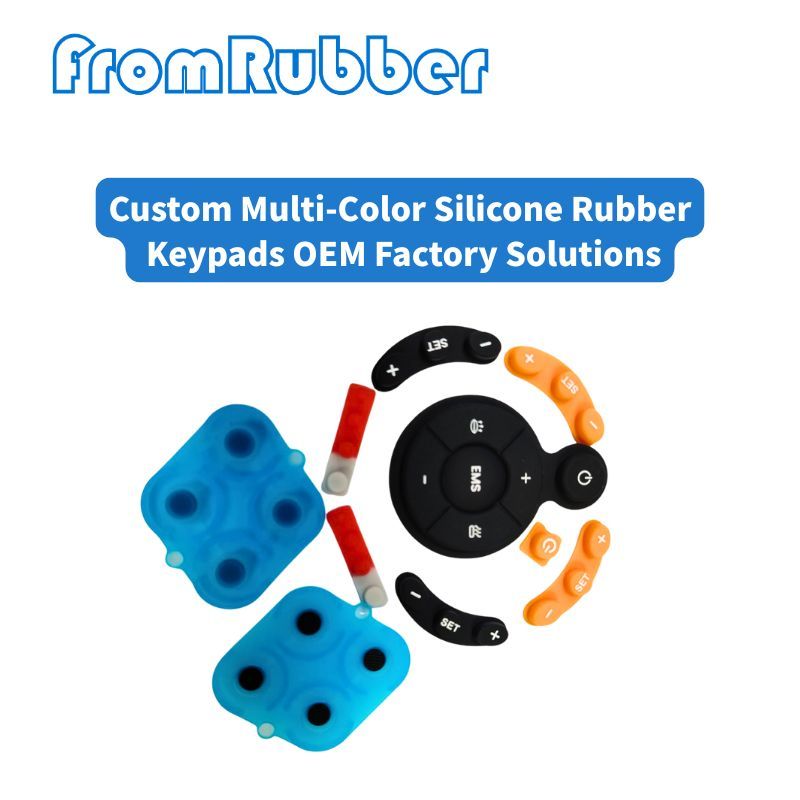
Every multi-colour keypad sample looks convincing. The problem appears at volume, when the second colour drifts half a millimetre and a two-colour panel starts to look hand-made.
This covers how multi-color silicone rubber keypads are actually produced, what each method costs, and the design limits that decide whether a colour layout is manufacturable at all.
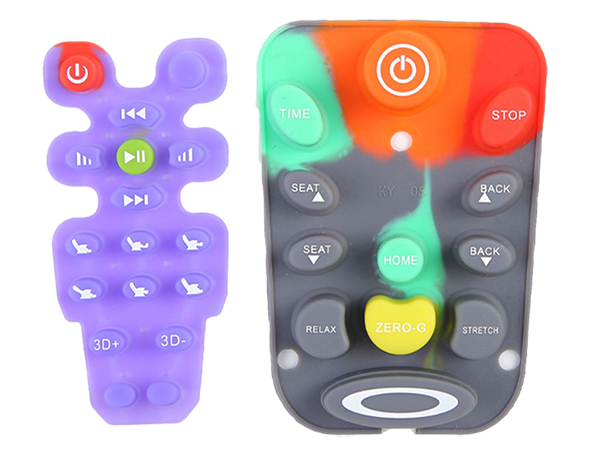
How Are Multi-Color Silicone Rubber Keypads Produced?
The direct answer: four methods, and they are not interchangeable. Two-shot moulding, hand-filled cavities, pad printing and laser etching. Each produces a different quality level, a different tooling cost and a different minimum quantity.
Two-shot moulding gives the crispest result, because both colours are moulded and the boundary is steel. Hand-filling is cheaper to tool and depends entirely on the operator. Printing and etching sit on the surface and wear in a predictable place.
The Four Methods and What They Cost
The fourth method is underused. Where the design allows a light base with a darker top layer, etching the legend reveals the base colour and produces a durable two-tone effect with no printing at all.
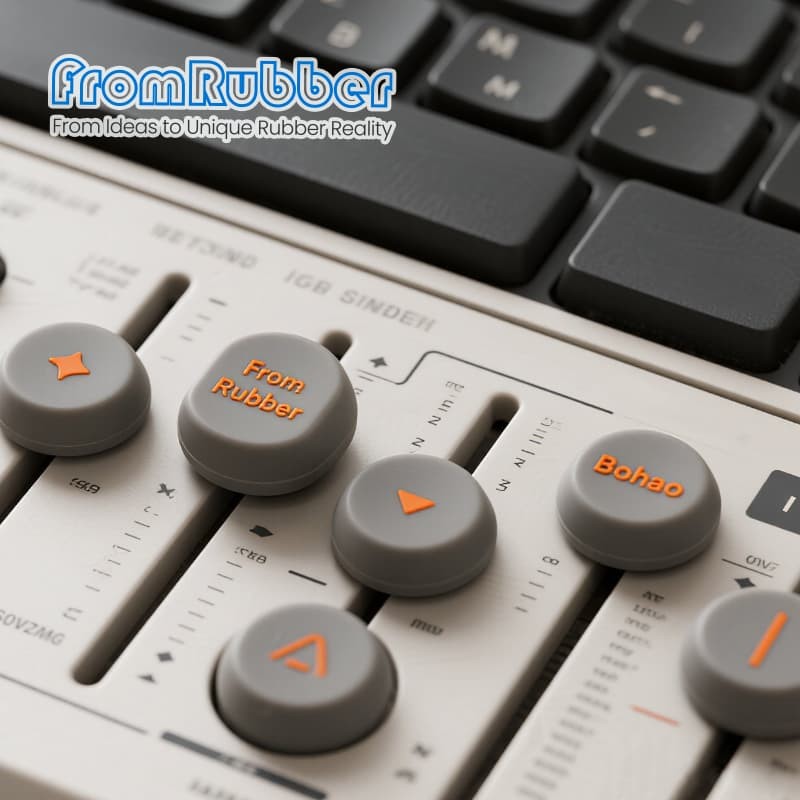
| Method | Quality | Cost behaviour |
|---|---|---|
| Two-shot moulding | Sharp boundary, colour through the full thickness | Highest tooling, lowest unit cost at volume |
| Hand-filled cavities | Good, but operator dependent | Low tooling, high labour, watch consistency |
| Pad printing | Thin colour layer on the surface | Low tooling, wears at high-use keys |
| Laser etching | Colour revealed from beneath a top layer | Medium tooling, no ink to wear |
Ordering Multi-Colour Panels Without Colour Drift
Approve colour against a physical standard under the lighting the product will be used in, and keep a retained sample from the approved batch. Colour disputes without a retained sample are settled by opinion, and opinion favours whoever is holding the panel.
Specify which surfaces are cosmetic and which are functional, then ask for the colour boundary tolerance in writing. A supplier who cannot state that tolerance has not thought about the second shot.
Where the panel carries legends on top of two colours, the printing or etching step becomes a third variable. Keep the legend single-colour on a two-colour panel wherever possible; it removes one registration problem at no cost to the design. Constructions are shown on our raised and recessed character keypad page, and the material side is covered in the RTV and LSR comparison.
The Rise of Multi Color Designs Meeting Modern OEM Demands
Multi-color silicone rubber buttons and keypads have become essential for modern OEMs looking to blend functionality with striking design. As devices grow more complex and user interfaces more interactive, single-color keypads no longer meet visual or operational needs. Multi-color keypads offer enhanced user feedback, clear button differentiation, and improved brand recognition—all critical factors for OEMs competing in a crowded market.
Today's manufacturers demand custom silicone keypad molding that supports multiple colors without sacrificing durability or tactile performance. Techniques like multi-shot silicone overmolding enable precise color placement alongside reliable mechanical properties, making it easier to create backlit, color-coded, or functionally segmented interfaces. This shift allows OEMs to deliver intuitive, visually engaging products without compromising quality or production timelines.
In short, multi-color silicone keypads empower OEMs to meet evolving industry standards while addressing end-user preferences for usability and aesthetics. This trend reflects a clear move toward more sophisticated elastomeric keypad designs that combine innovation with practical solutions.
Key Features and Technical Advantages of Multi Color Silicone Keypads
Multi color silicone rubber buttons keypads stand out for their blend of style and function, making them a smart choice for today's OEM needs. Here's what sets them apart:
1. Clear Visual Differentiation
Using multiple colors helps users quickly identify buttons, improving usability—especially in complex devices. Backlit multi-color keypads enhance visibility even in low light, crucial for industrial or consumer electronics.
2. Durable and Resistant
Silicone offers excellent resistance to moisture, chemicals, and temperature changes. This makes these keypads ideal for rugged environments, whether it's industrial silicone rubber interfaces or outdoor equipment.
3. Precise Tactile Feedback
Thanks to advanced tactile silicone keyboard manufacturing techniques, multi-color keypads provide reliable, comfortable button presses. This is essential for user experience in everything from medical devices to consumer gadgets.
4. Custom Silicone Keypad Molding
OEM silicone factories use multi-shot silicone overmolding to combine colors precisely and create complex designs without sacrificing durability. This process enables custom silicone keypad molding tailored to specific project requirements.
5. Versatile Functionality
Beyond aesthetics, multi-color silicone keypads can integrate conductive rubber buttons OEM-style, including OEM conductive carbon pill keypads, suited for electronic signaling and input needs.
In short, these keypads combine customization, durability, and user-friendly features that keep them ahead in various industries. That's why many choose multi-color silicone rubber buttons keypads for their next generation products.
Manufacturing Processes From Concept to Colorful OEM Production
Turning ideas into multi-color silicone rubber buttons and keypads takes a mix of skilled craftsmanship and advanced manufacturing tech. At the start, we work from your concept, using elastomeric keypad prototyping to create accurate samples. This step makes sure the design, colors, and tactile feel are just right before full production.
We use multi-shot silicone overmolding to achieve vibrant, precise multi-color designs without extra assembly. This process bonds different silicone colors directly, delivering durable, seamless keypads that stand up to heavy use. For OEM conductive carbon pill keypads and conductive rubber buttons, the right materials and molding techniques ensure reliable electrical performance.
Backlit multi-color keypads get special attention with embedded light guides or transparent silicone sections. This ensures bright, even lighting without sacrificing color or texture. Silkscreen printed rubber switches can also be added to customize labels or icons.
Every step follows strict quality checks to meet industrial silicone rubber interfaces' standards. Whether you need a small batch for testing or large-scale manufacturing, working with a trusted silicone factory—like FromRubber—means you get consistent, high-quality keypads made to fit your exact specs.
Applications Across Industries Tailored Solutions from FromRubber
Multi-color silicone rubber buttons and keypads are everywhere, and at FromRubber, we understand how different industries need custom solutions that fit their exact use cases. Whether you are in consumer electronics, healthcare, automotive, or industrial controls, our OEM silicone factory knows how to deliver durable and reliable products tailored to your needs.
Here's how our multi-color silicone keypads make a difference across sectors:
- ●Consumer Electronics: We create backlit multi-color keypads for devices that demand both style and function. Our tactile silicone keyboard manufacturing ensures every button feels right, with smooth key presses and clear feedback.
- ●Medical Devices: Silicone keypads with conductive rubber buttons OEM can withstand rigorous use and frequent sterilization, maintaining performance without wear.
- ●Automotive: Our industrial silicone rubber interfaces provide durability even in harsh environments, withstanding temperature swings and rough handling.
- ●Industrial Controls: Silkscreen printed rubber switches and OEM conductive carbon pill keypads enable users to operate machinery reliably, with clear markings that resist fading.
- ●Home Appliances and Tools: Custom silicone keypad molding from FromRubber offers multi-shot silicone overmolding for splash-proof and reliable controls that last.
With elastomeric keypad prototyping and custom silicone products customization, FromRubber ensures your multi-color silicone keypads fit perfectly into your product designs. Our solutions are crafted to meet the real-world demands of U.S. manufacturers and consumers, combining quality with innovation at an affordable cost.
Selecting the Right OEM Partner What to Look for in a Silicone Factory
Experience with Custom Silicone Keypad Molding
Make sure the factory has proven expertise in custom silicone keypad molding, especially with multi-shot silicone overmolding and tactile silicone keyboard manufacturing. This ensures they can handle complex designs and deliver consistent results.
Technical Capabilities
A reliable silicone factory should offer advanced processes like conductive rubber buttons OEM production and silkscreen printed rubber switches. These capabilities mean they can provide durable silicone button solutions with accurate color and functionality.
Quality and Certifications
Look for factories with strong quality control and relevant certifications. U.S. customers especially value consistency and compliance with industrial standards for silicone rubber interfaces.
Prototyping and Flexibility
A good OEM partner should support elastomeric keypad prototyping. This lets you test designs early and tweak details. Flexible production means they can scale from small jobs to large global orders, handling everything from OEM conductive carbon pill keypads to backlit multi-color keypads.
Communication and Support
Choose a factory that communicates clearly and understands your market needs. Working with a partner who offers timely updates and responsive support helps keep projects on track without surprises.
Location and Lead Times
Since you're serving the U.S. market, consider factories that either have local presence or efficient shipping methods to keep lead times short. A durable silicone button factory in China with strong logistics can still be a great fit if these points are addressed.
By focusing on these factors, you ensure your OEM silicone factory partnership is built on reliability, quality, and the ability to customize silicone products tailored for the U.S. market.
Case Study FromRubber Multi-Color Keypad Success for a Global Electronics OEM
At FromRubber, we recently teamed up with a leading global electronics OEM to create custom multi-color silicone rubber buttons keypads that fit their exact needs. This client required a durable, tactile silicone keypad with backlit multi-color options for their high-end devices. They also wanted OEM conductive carbon pill keypads for reliable performance and long-term use.
Our multi-shot silicone overmolding process allowed us to produce precise, vibrant buttons that met strict quality and durability standards. Using custom silicone keypad molding techniques, we ensured each keypad had consistent feel and reliable electrical response.
The project included:
- ●Prototyping elastomeric keypads quickly to meet the client's design timeline
- ●Applying silkscreen printed rubber switches for clear, lasting graphics
- ●Integrating conductive rubber buttons OEM technology for smooth functionality
- ●Manufacturing in our durable silicone button factory in China while maintaining tight quality control
The result? A high-quality, multi-color silicone keypad that enhanced the product's user interface and durability. The client appreciated the seamless collaboration and on-time delivery, proving FromRubber's strength as a reliable OEM partner for custom silicone rubber keypads tailored to complex electronics applications.
Future Trends in Silicone Keypad Innovation
Looking ahead, silicone keypad innovation is set to grow with a strong focus on customization and advanced functionality. Multi-color silicone rubber buttons keypads will continue to evolve, offering even more vibrant and precise color options through multi-shot silicone overmolding techniques. This method helps OEMs create eye-catching designs that also improve user experience.
Expect more silicone factories to invest in conductive rubber buttons OEM technology, especially in conductive carbon pill keypads that boost performance and durability. Backlit multi-color keypads are becoming increasingly popular in industrial silicone rubber interfaces, making devices easier to use in low-light environments.
We're also seeing a rise in elastomeric keypad prototyping that speeds up product development, allowing quicker customization to meet specific US market needs. Plus, silkscreen printed rubber switches will expand design possibilities, combining functionality with appealing looks.
Durability remains key. The focus will be on enhancing silicone products customization to withstand tougher environments, meeting demands in sectors like medical devices, automotive, and consumer electronics.
For companies looking to stay ahead, partnering with a reliable OEM silicone factory experienced in tactile silicone keyboard manufacturing and custom silicone keypad molding is essential. This ensures innovative, high-quality solutions that align with future market trends focused on smarter, more colorful, and user-friendly keypads.
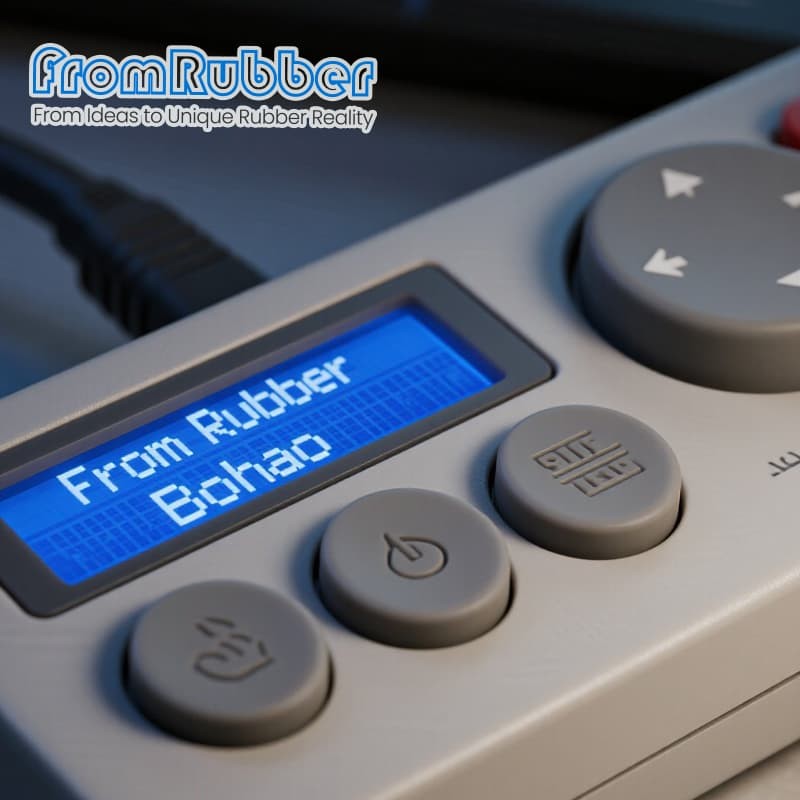
Design Limits That Decide Whether It Can Be Made
Four limits matter more than the colour count.
- Registration tolerance. Two-shot tools do not align perfectly, so a colour boundary nearer than a fraction of a millimetre to a feature will wander. Keep clear space around every colour edge.
- Minimum feature size. Very small colour islands need a cavity that can be filled reliably; below that, the second colour either shorts into the first or leaves a gap.
- Wall thickness at the boundary. A thin wall between two colours can flash or bond poorly, which shows up as a dark seam.
- Gate position. The second shot must reach the far end of the part before it cures, otherwise the colour is uneven across the panel.
All four are drawing decisions. None of them can be corrected by tightening inspection after the fact.
Frequently Asked Questions
How many colours can a silicone keypad have?
Two moulded colours is the practical limit for most programmes. More than that is usually achieved by printing or etching rather than by additional shots, because each extra cavity adds tooling and registration risk.
Does two-shot moulding change the feel of a key?
It can, because the second shot adds material and a boundary near the key edge. Force targets should be confirmed on the two-colour tool rather than assumed from the single-colour version.
Can printed colour be as durable as moulded colour?
No. Printing sits on the surface and wears at the edges first. It is acceptable on low-use keys and on consumer products with a shorter service life.