Custom Silicone Cleaning Balls for Eyelash Extension Artists – Gentle & Reusable
- Share
- publisher
- Suey
- Issue Time
- May 8,2026
Summary
How lash studios and private-label brands specify silicone cleaning balls: platinum-cure for 121 °C autoclave cycles, anti-static compound, 15°/30° nozzles, debossed branding, and MOQs of 200–500 pieces.
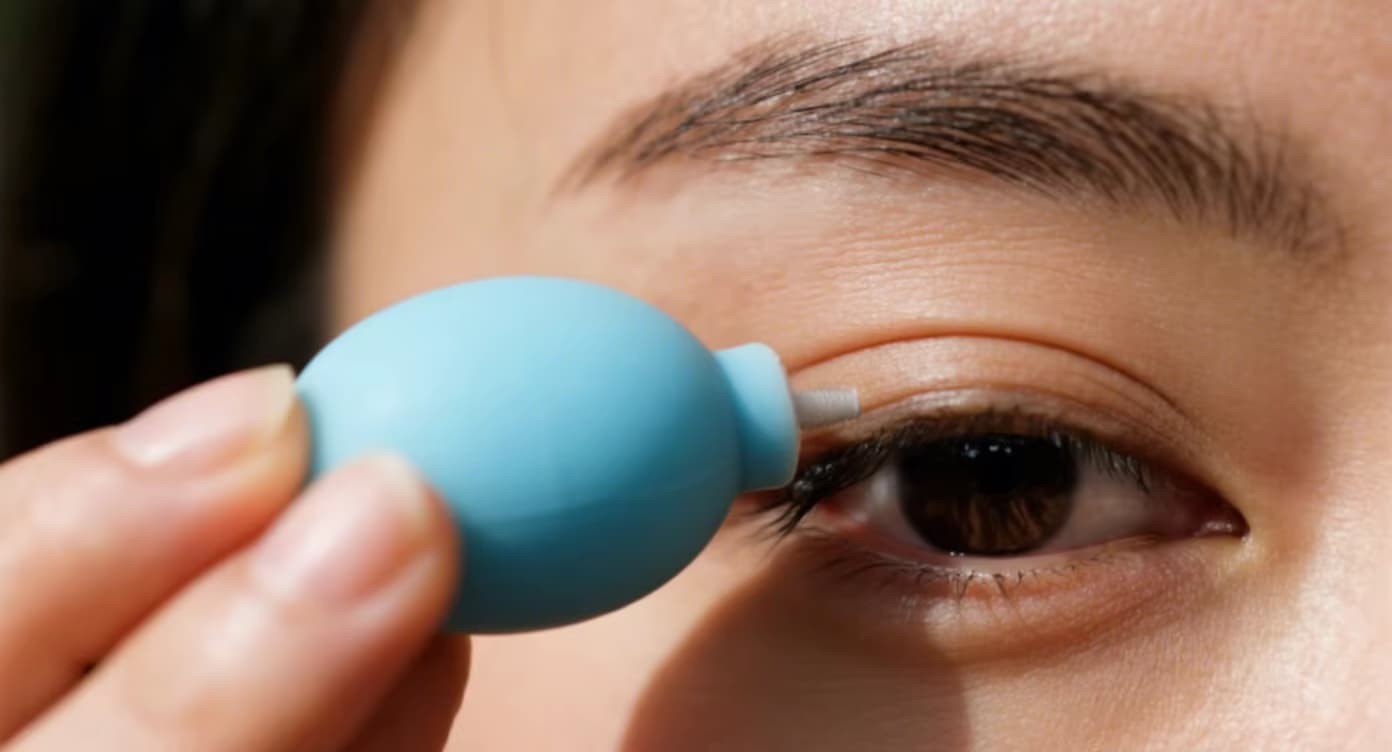
A silicone cleaning ball is the one tool in a lash studio that touches the adhesive, the natural lash line and the client's skin without ever being sterile-packed. That makes it a specification problem rather than a beauty accessory: the compound has to survive autoclave cycles, the nozzle has to deliver air gentle enough not to disturb a bond, and the surface has to be non-porous so nothing grows in it.
The practical answer for a studio or private-label brand: specify platinum-cured, anti-static silicone; agree the sterilisation route in writing (121 °C for 20 minutes, or 70% isopropyl alcohol between clients); and fix the nozzle angle — 15° or 30° — against how your artists actually work. Below is the reasoning behind those three decisions.
What the tool has to do in a lash appointment
A blower is used four times in a normal set, and each use puts a different demand on it. Understanding the sequence explains why a cheap rubber bulb fails the job even when it moves air.
- Pre-fill prep — clearing dust and loose natural lashes before taping, without touching the eye area.
- Adhesive drying — a controlled puff accelerates cyanoacrylate curing; too much blast makes the bond brittle and frosts the finish.
- Infill cleanup — lifting powder residue and old adhesive flakes off the lash line before isolation.
- Aftercare demonstration — showing the client how to keep lashes clean at home, which is also a brand moment.
In every step the tool sits in the client's breathing zone, inches from open eyes, which is why the material argument outweighs the price argument.
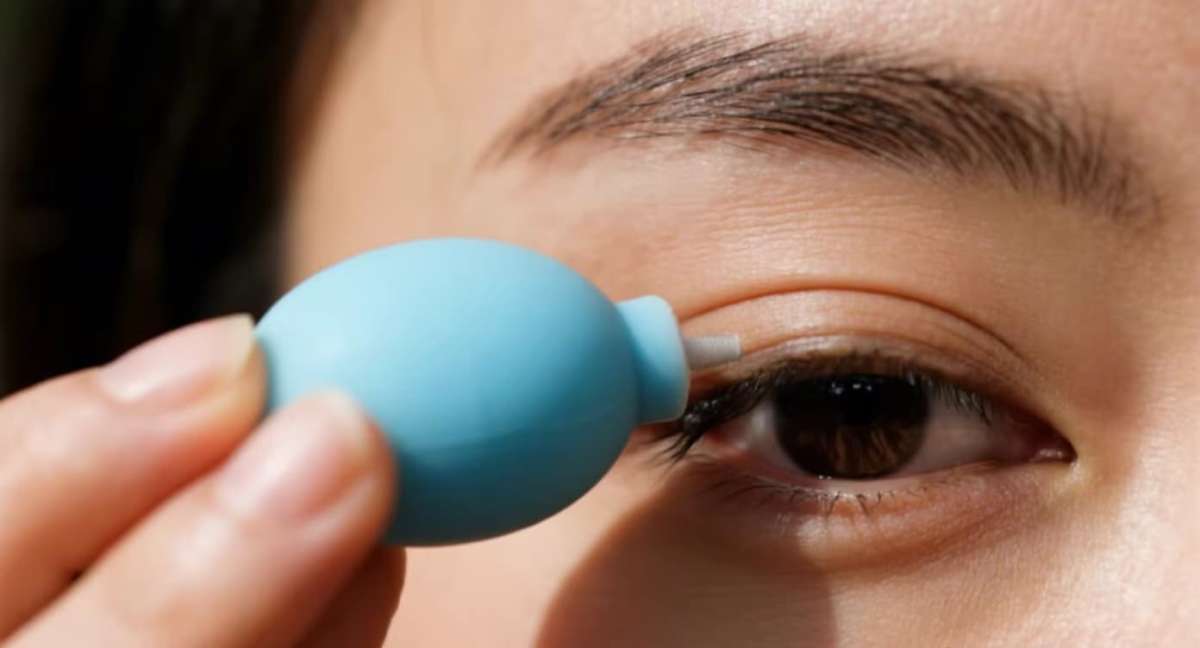
A lash blower is judged on air softness and cleanability, not on how much air it moves in one squeeze.
Rubber bulb, canned air or platinum-cured silicone
The three options on the market differ in ways that show up in a hygiene audit long before they show up in a client complaint.
| Option | Surface and hygiene | Air quality | Service life |
|---|---|---|---|
| Rubber blower | Porous, traps bacteria, cannot be fully sterilised | Rubber dust and odour possible | Short; cracks at the neck |
| Canned air | Single-use metal can, no contact risk | Propellant residue, bitterants, freezing effect near eyes | One can, then waste |
| Platinum-cured silicone | Non-porous, autoclavable, anti-static | Dry, controllable, no propellant | 2–4 years with proper sanitising |
The canned-air column ends the discussion in most studios: a propellant stream that can chill skin is not a tool you point at a client's eye.
Why the compound decides whether the tool survives sterilisation
Between clients the routine is warm water and mild soap; for deeper cleaning, 70% isopropyl alcohol spray or an autoclave cycle at 121 °C for 20 minutes. Peroxide-cured or filled compounds degrade under that regime: the surface turns tacky, the shoulder hardens, then splits.
Platinum-cured silicone holds its elasticity through repeated heat cycles, which is why the same tool can run for years instead of months. Anti-static compounding matters for a second reason: a statically charged bulb pulls lint and cut hair towards the lash line exactly when the artist is trying to keep it clear.
Storage and traceability
Two habits extend life and satisfy an inspection: keep the blower in a closed container when not in use, and mark each unit with the artist's name so a shared station cannot become a cross-contamination point.
Ask for the sterilisation claim in writing, with the cycle used to verify it. "Autoclavable" without a temperature and time is a marketing word, not a specification — and it is the first thing a salon insurer will ask about.
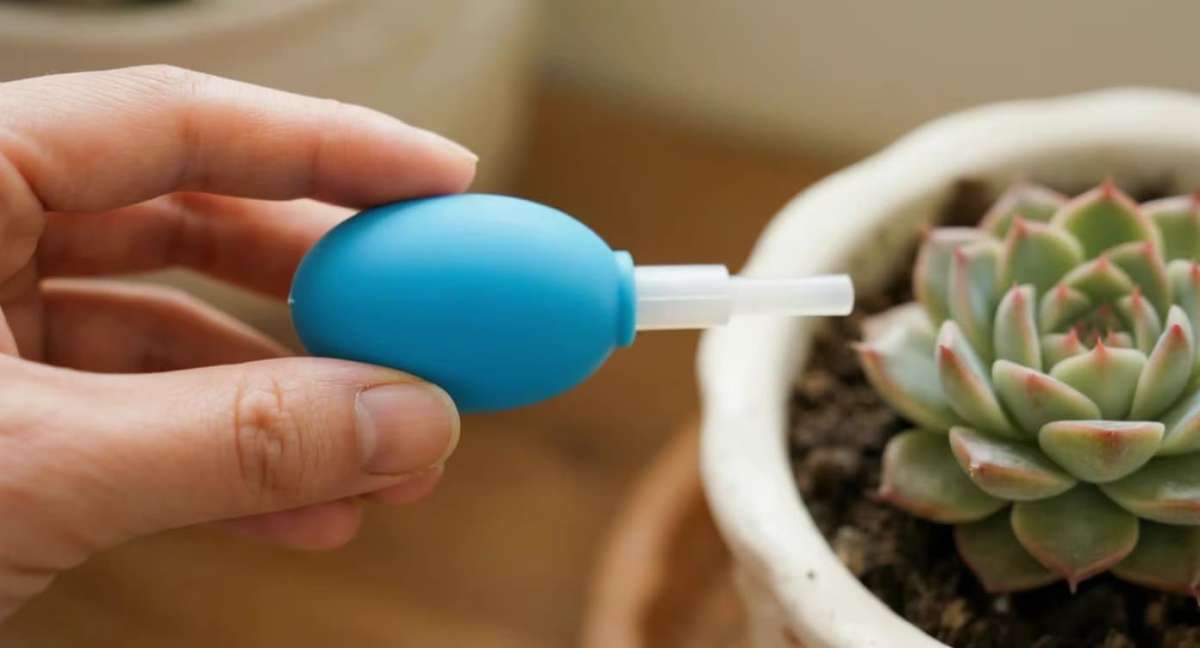
Platinum-cure keeps the bulb elastic after repeated 121 °C cycles; filled compounds go tacky, then split at the shoulder.
Specifying custom silicone cleaning balls for a lash brand
Once the compound is fixed, three variables remain, and each is a tooling or artwork decision rather than a material one.
Nozzle geometry
Angled tips at 15° and 30° suit different grips: the steeper angle reaches the inner corner without the artist's hand crossing the client's nose, while an extra-fine tip concentrates air for isolated lashes. A wide mouth moves more air but is harder to aim in a volume set.
Colour, finish and logo
Pantone matching, metallic flake and matte or gloss finishes all come out of the same mould, and colour is the cheapest differentiator for a studio's own retail range. Debossed and embossed logos are moulded into the part and cannot wear off; print sits on the surface and is the option to avoid on a tool washed daily.
Order structure
Colour changes start at 200 pieces; full logo embossing starts at 500, with samples approved before production. That split lets a single studio brand its tools before it is ready for a full retail run.
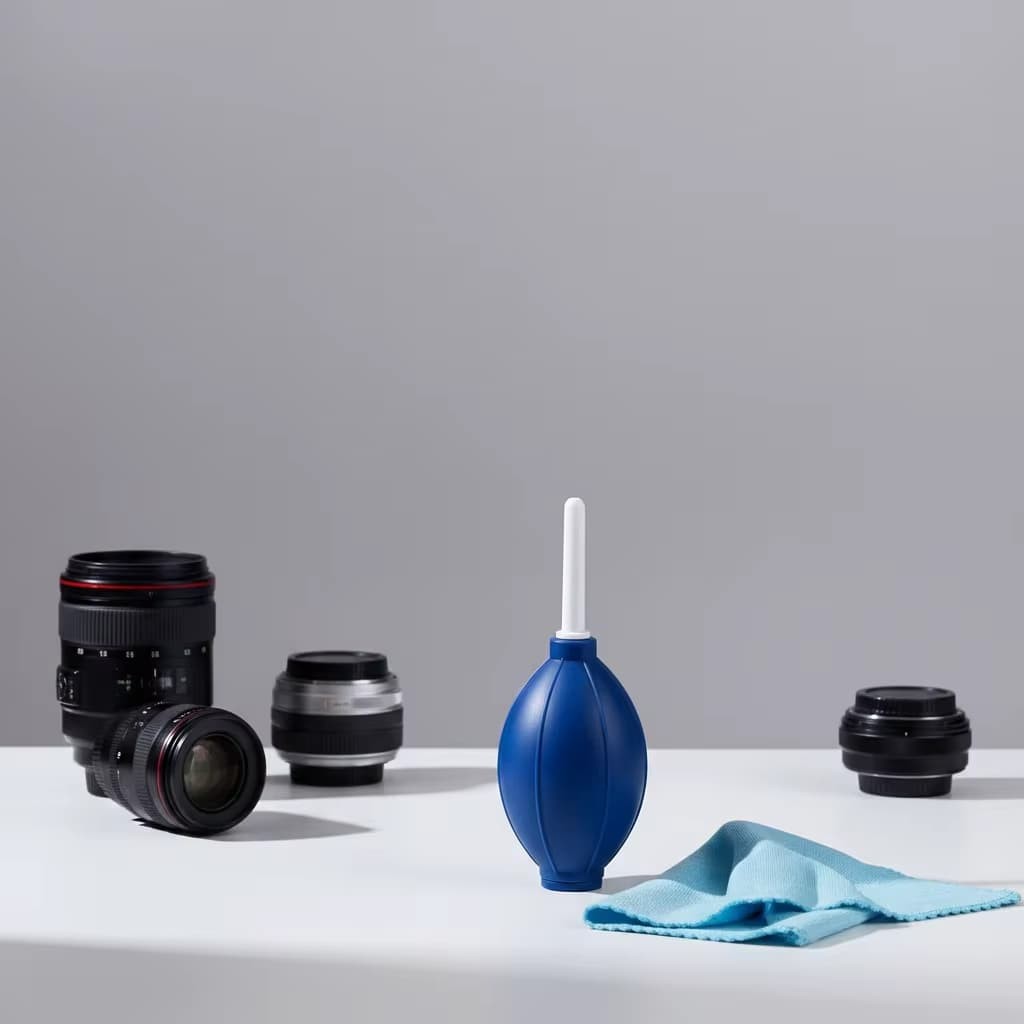
Nozzle angle, tip bore and logo method are moulded features — they are set once, at tooling, and cannot be revised per order.
Questions studios and distributors ask
Is a silicone blower safe for classic and volume lashes?
Yes. Pressure is set by how hard the bulb is squeezed, so one tool covers classic, hybrid and mega-volume sets. Artists should squeeze lightly and aim across the lash line, not into it.
How long does one unit last?
Two to four years with routine sanitising, depending on cycle frequency. Tearing at the neck and a tacky surface are the two signs to replace; both indicate the compound has degraded rather than the tool wearing out.
Can it be used after the set is finished?
Yes, and it should be. A final gentle puff removes loose particles before the client leaves, and demonstrating it is a natural way to sell the tool for home aftercare.
What is the minimum order for a branded version?
200 pieces for a basic colour change, 500 for full logo embossing. A physical sample is approved before mass production, so the logo depth and nozzle angle are confirmed on real silicone.
Start a private-label lash blower project
Send the nozzle angle, colour reference and logo artwork you want, and we will quote a platinum-cured, anti-static silicone cleaning ball with a sample approved before tooling is released.
See how studios specify the tool in our guide to hygienic silicone dusting balls for eyelash work, or review silicone OEM manufacturing for the production route.