Custom Silicone Keypad Tooling Cost vs. Product Differentiation – The Dilemma Facing Every Small-Batch Instrument OEM
- Share
- publisher
- Suey
- Issue Time
- Aug 11,2026
Summary
Small-batch instrument OEMs face the tooling cost vs. differentiation dilemma for custom silicone keypad. Generic keypads save upfront but dilute brand identity. Strategic tooling investment from specialists like FromRubber enables unique tactile feel and design, delivering long-term ROI.
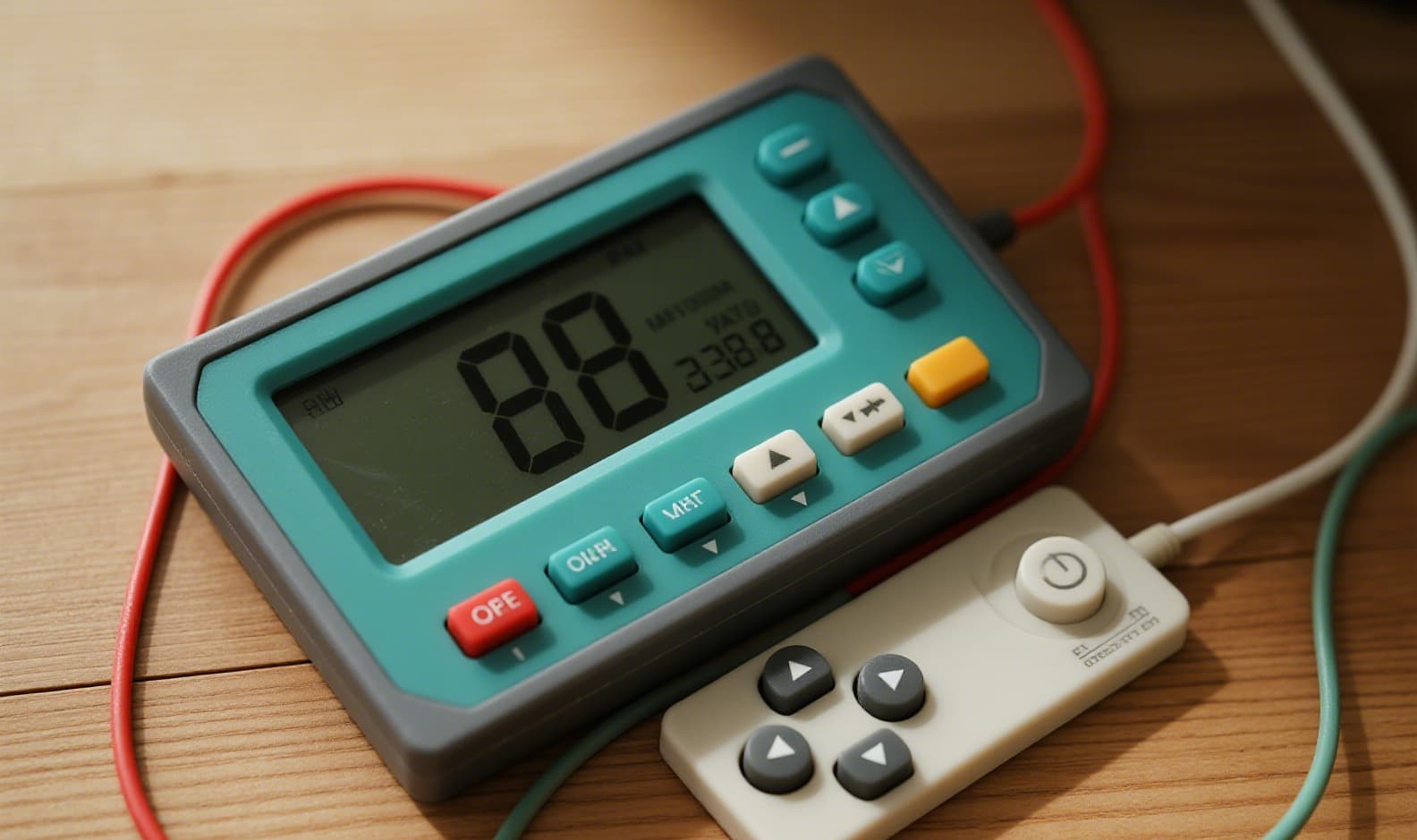
As a small-batch instrument OEM, you know that every component choice carries weight. But few decisions create as much tension as the instrument silicone keypad. On one hand, custom tooling for a unique instrument silicone keypad can cost anywhere from $2,000 to $20,000 — a significant bite out of a limited budget. On the other hand, using a generic keypad may save money upfront but risks making your instrument look and feel like every other product on the market. This is the dilemma: tooling cost vs. product differentiation.
The Real Cost of Instrument Silicone Keypad Tooling
The tooling for a instrument silicone keypad typically involves precision-machined molds for the silicone base, conductive pill, and any integrated domes or actuators. For small batches (e.g., 500–2,000 units per year), the per-unit amortized tooling cost can be substantial — often adding $5–$20 per keypad. That's a hard pill to swallow when margins are tight.
However, what many OEMs overlook is that tooling is a one-time investment. Once paid, it enables you to produce thousands of consistent, high-quality keypads that differentiate your instrument through custom legends, unique tactile feel, specific actuation force, and even proprietary shapes that align with your industrial design.
The Hidden Cost of "Cheap" — Off-the-Shelf Keypads
A generic instrument silicone keypad might cost $0.50, but it forces you to compromise on layout, button size, and legend content. Your instrument looks like a commodity, and you miss the chance to create a signature user experience that builds brand loyalty. Over the life of the product, that lost differentiation can cost far more than the tooling.
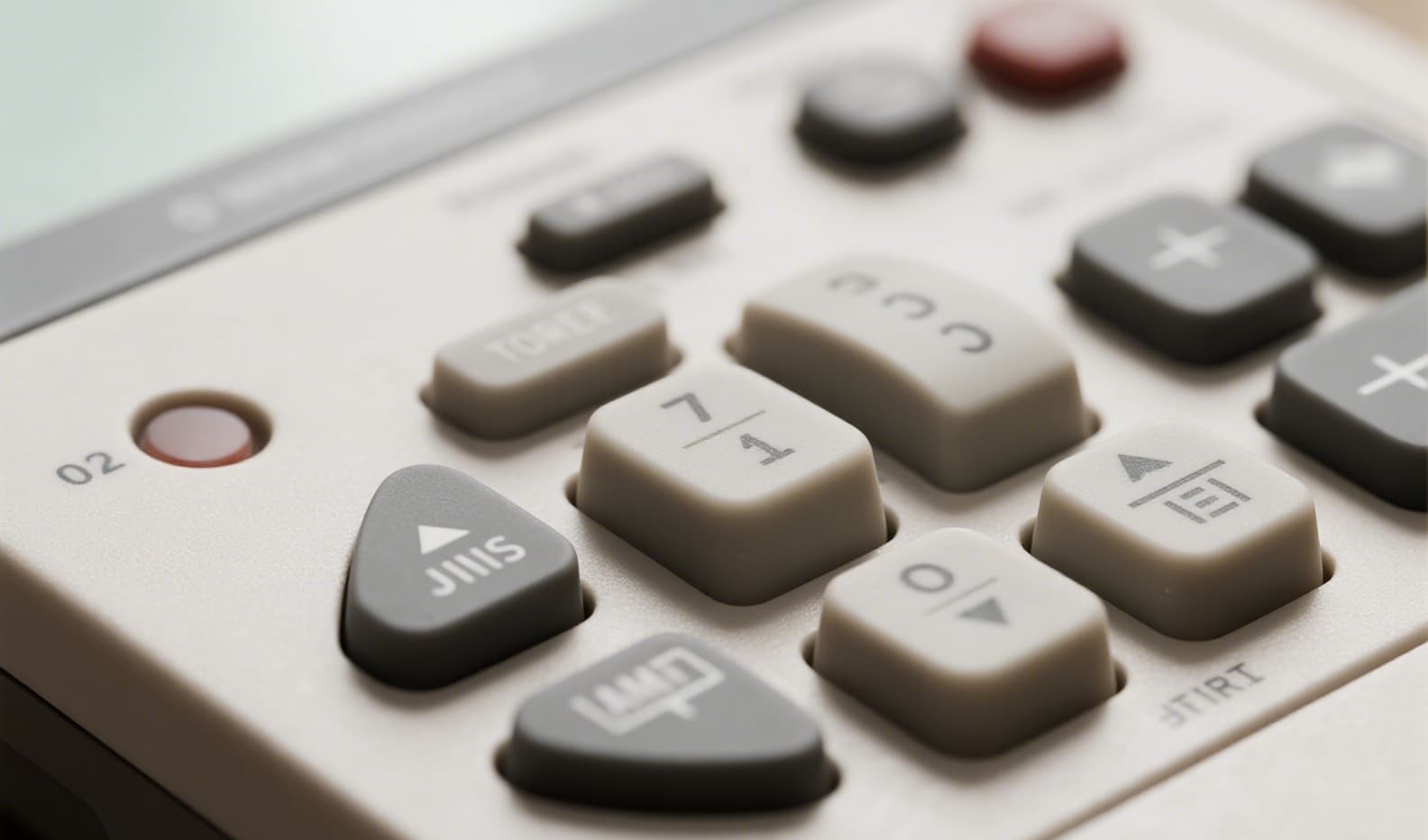
Product Differentiation — What You Gain
A custom instrument silicone keypad gives you control over:
- Tactile feel — tailored actuation force, travel, and snap ratio that matches your brand's "click" signature.
- Legend design — custom symbols, fonts, and colors that communicate your instrument's unique functions.
- Ergonomics — button spacing and shape optimized for your specific use case.
- Durability — material choices (e.g., UV-stable, chemically resistant) that align with your application environment.
- Brand consistency — all your instruments share the same high-quality user interface, reinforcing your professional image.
Smart approach: For small-batch OEMs, the solution isn't avoiding tooling — it's strategic tooling. Work with a supplier who offers shared tooling options or modular designs that let you customise keypad layouts without full custom mold cost. FromRubber specializes in helping small-batch OEMs achieve differentiation with cost-effective tooling strategies.
Case Studies — Small-Batch Silicone Keypad OEMs That Got It Right
Specialist Medical Monitor — 800 Units/Year
This OEM initially used a generic keypad but received feedback that the product felt "cheap." They invested in custom instrument silicone keypad tooling with FromRubber, adding a distinctive tactile dome and custom-printed legends. The per-unit cost rose $8, but they increased the instrument's selling price by $200, citing premium feel — and sales grew 30%.
Industrial Data Logger — 1,500 Units/Year
Facing tight margins, this OEM worked with FromRubber to design a instrument silicone keypad using a low-cost tooling approach (soft tooling with modular inserts). They achieved a unique button layout and brand colors at 40% lower tooling cost than traditional steel molds. The keypad became a selling point for their rugged design.
How to Evaluate the ROI of Custom Tooling
To decide if custom instrument silicone keypad tooling is worth it, ask:
- What is your expected production volume over 5 years? Higher volume spreads tooling cost.
- Will differentiation allow a higher selling price or win more customers? If yes, tooling pays for itself.
- Can you share tooling with a future product? Modular designs increase flexibility.
- Does your supplier offer flexible tooling options? FromRubber offers both prototype and production tooling, with scalable costs based on your batch size.
✓ FromRubber understands the small-batch OEM's dilemma. We offer custom instrument silicone keypad solutions with tiered tooling options — from low-cost rapid tooling for initial batches to durable production tooling for long-term runs. We help you balance upfront investment with brand differentiation, ensuring you get a keypad that feels as premium as your instrument.
Making the Decision — A Practical Framework
Start by calculating your total cost of ownership for both generic and custom keypads. Include:
- Tooling amortization (spread over expected lifetime units).
- Per-unit cost difference (custom vs. generic).
- Potential revenue uplift from differentiation (higher price or increased market share).
- Risk mitigation — generic keypads may become obsolete or unavailable, while custom tooling gives you supply chain security.
In most cases, if you plan to sell more than 1,000 units over 3 years, custom instrument silicone keypad tooling is a sound investment — especially when you partner with a supplier who can guide you through cost-effective design and manufacturing.