Development Trends in Customized Silicone Products Innovations and Market Insights
- Share
- publisher
- karl
- Issue Time
- Sep 17,2025
Summary
What has actually changed in customized silicone products: LSR adoption and tighter tolerance, documentation as part of the product, sustainability claims under scrutiny and cheaper small batches, with the questions to ask at each shift.

Trend articles are usually written from press releases. Buyers need the opposite: which changes in customized silicone products are visible in purchase orders, tooling requests and test reports rather than in conference slides.
This is what has actually shifted in the last few years, and what to ask a supplier when those shifts reach your programme.
What Is Actually Changing in Customized Silicone Products?
The direct answer: four movements, all of them driven by engineering requirements rather than fashion. Liquid silicone is replacing room-temperature curing where repeatability matters. Documentation is becoming part of the product. Sustainability claims are being tested rather than accepted. And small-batch customization is becoming economic because tooling and scheduling have become faster.
None of these is a materials revolution. Each is a change in what buyers can demand, which is why they show up in specifications rather than in brochures.

The Four Shifts and What Each Means for a Buyer
The third row is where brands get hurt. A recycled-content claim on a moulded part has to survive the question of what percentage, measured by whom, on which input.

| Shift | What changed | What to ask |
|---|---|---|
| LSR adoption | Tighter tolerance and thinner walls at volume | Which process is quoted, and what tolerance it actually holds |
| Documentation | Lot traceability and first-article reports are expected, not optional | Can you show a lot record for a recent order |
| Sustainability scrutiny | Recycled and bio-based claims are challenged | What exactly is the claim, and who tested it |
| Small-batch economics | Lower tooling and faster changeovers | Minimum order and the cost of a colour change |
What to Ask Before Following Any Trend
Three questions keep a trend brief honest. Does it change a specification I can test? Does it change the tool or only the process? And what does it cost at my actual volume, not at the volume in the case study?
If a trend cannot answer those three, it belongs in a marketing deck rather than in a purchase order. The same discipline applies when choosing materials, which is why the comparison in our article on silicone and rubber seals is written as a decision table rather than a preference.
Working With a Custom Silicone Factory on a New Range
Most of the trends above end in the same practical question: how does a brand actually get a custom part made? The answer is less about capability and more about the brief. A factory can only respond to what it is given, and a brief that names the application, the environment and the acceptance criteria removes most of the risk before tooling starts.
We build custom silicone components from a drawing, a sample or a 3D model, and the first step is always the same: a design review that names the features which cannot be moulded as drawn. That review is where a range of variants either becomes manufacturable or becomes expensive.
1. Understanding Customized Silicone Products
Customized silicone products refer to silicone components specifically designed and manufactured to meet unique requirements across various applications. These products can range from simple molded parts to complex assemblies tailored for precise functions, sizes, and performance characteristics.
1.1 Scope of Customized Silicone Products
- ●Materials: Silicone rubber, liquid silicone rubber (LSR), high-consistency rubber (HCR), and specialty silicone compounds
- ●Shapes and Sizes: From micro-scale components to large molded parts
- ●Functional Additions: Color, texture, embedded electronics, or hybrid materials
1.2 Key Industries Utilizing Customized Silicone
| Industry | Application Examples | Requirements |
|---|---|---|
| Medical | Seals, tubing, wearable devices | Biocompatibility, sterilization resistance |
| Automotive | Gaskets, vibration dampers, sensor components | Durability, heat resistance, flexibility |
| Consumer Electronics | Keypads, connectors, protective cases | Precision molding, tactile function |
| Food Grade | Seals, bakeware, flexible molds | FDA compliance, non-toxicity |
| Industrial | Sealing solutions, hoses, insulation | Chemical resistance, temperature tolerance |
1.3 Benefits of Customization in Silicone Products
- ●Precision Fit: Enables exact matching to design specifications, reducing material waste and improving assembly efficiency
- ●Enhanced Durability: Customized compounds and formulations increase lifespan under specific environmental conditions
- ●Optimized Functionality: Tailored physical and mechanical properties deliver better performance such as flexibility, heat resistance, or electrical insulation
By aligning silicone product features with targeted applications, customization ensures superior product performance and value across diverse sectors.
2. Current Market Trends Driving Customized Silicone Products
The market for customized silicone products is growing fast, driven by a strong demand for product personalization across multiple industries. Customers want parts tailored exactly to their needs, pushing manufacturers to deliver more precise, complex silicone components.
Miniaturization is another big trend. As devices get smaller and more sophisticated—especially in electronics and medical fields—there’s a need for tiny, intricate silicone parts that still perform reliably.
Silicone’s unique properties are expanding its use. Its flexibility, heat resistance, and hypoallergenic qualities make it ideal for applications in automotive, healthcare, consumer electronics, and food-grade products. More companies are recognizing these benefits and turning to custom silicone solutions.
Sustainability is also shaping the market. Eco-friendly and recyclable silicone materials are in higher demand as businesses and consumers prioritize greener options. This shift is encouraging suppliers to develop sustainable silicone rubber manufacturing processes and products.
Key trends at a glance:
- ●Growing personalization driving demand across sectors
- ●Miniaturization requiring complex, precise silicone parts
- ●Increasing use due to silicone’s flexible, heat-resistant, and hypoallergenic nature
- ●Rise in eco-friendly and sustainable silicone materials and products
These trends are fueling innovation while meeting the evolving needs of U.S. industries and consumers alike.
3. Technological Innovations Shaping Customized Silicone Products
Technology is driving big changes in how we make customized silicone products. New molding methods like Liquid Injection Molding (LIM) and advanced silicone injection molding allow for more precise, complex shapes in less time. Plus, 3D printing is opening doors for rapid prototyping and small-batch custom parts, making it easier to meet specific needs quickly.
Smart technology is also influencing silicone products. Integrating IoT (Internet of Things) features and smart materials into silicone parts means they can now have sensors, responsiveness, or connectivity built right in—great for wearables and medical devices.
Material science is evolving too. We’re seeing breakthroughs with silicone composites, hybrid materials, and bio-based silicones, which improve strength, flexibility, and eco-friendliness without sacrificing quality.
On top of that, digital design and prototyping tools are helping manufacturers get customization right the first time. These tools allow for precise, detailed designs that match customer requirements perfectly, reducing waste and speeding up production.
Together, these innovations are shaping the future of custom silicone rubber manufacturing and broadening its applications across industries.
4. Emerging Market Opportunities and Challenges
The demand for customized silicone products is growing quickly, especially in healthcare and wearable tech. These sectors rely on silicone’s flexibility, biocompatibility, and durability for devices like medical implants, sensors, and wearable monitors. At the same time, food and beverage industries are adopting custom silicone parts to ensure safety and hygiene, thanks to silicone’s non-toxic and heat-resistant properties.
However, there are challenges to navigate:
- ●Rising raw material costs driven by global supply chain fluctuations.
- ●Tougher environmental regulations pushing manufacturers to adopt greener processes.
- ●Manufacturing complexity due to the need for precise, intricate silicone designs.
To tackle these hurdles, companies are focusing on:
- ●Building reliable supply chains through diversified sourcing.
- ●Investing in advanced quality control technology to reduce waste.
- ●Collaborating with material scientists to develop cost-effective and eco-friendly silicone formulations.
This balance of opportunity and challenge is shaping how customized silicone products evolve to meet the needs of US industries and consumers.
5. Sustainability and Environmental Impact Trends
Eco-friendly silicone materials and recyclable silicone products are gaining traction in today’s market. Many industries are looking for ways to reduce waste and lower their environmental footprint, and customized silicone parts play a big role in this shift. Silicone’s durability and long life cycle mean fewer replacements and less material thrown away, which helps cut down on waste overall.
At FromRubber, we’re committed to sustainable manufacturing practices. We focus on using recyclable materials and optimizing production processes to minimize energy use and reduce scrap. Our custom silicone products are designed not just for quality and performance but also to support a greener future. By choosing eco-friendly silicone options, companies can meet their environmental goals without compromising on functionality or durability.
6. Future Outlook: What Lies Ahead for Customized Silicone Products
The future of customized silicone products looks promising, with steady market growth expected as more industries tap into the benefits of tailored silicone parts. Innovation investments are on the rise, especially in additive manufacturing like 3D printing, which allows for faster, more precise silicone customization. AI also plays a growing role, helping optimize design and production processes to meet specific customer needs with greater efficiency.
We can expect shifts in consumer preferences toward more sustainable, multi-functional silicone products that combine durability with eco-friendly features. Industrial demands will also evolve, focusing on miniaturization, smarter silicone components integrated with IoT, and materials that deliver enhanced performance in medical, automotive, and wearable tech sectors.
7. Why Choose FromRubber for Your Customized Silicone Solutions
FromRubber stands out as a trusted China OEM silicone supplier, specializing in custom silicone parts crafted to meet the specific needs of U.S. customers. Here’s why partnering with FromRubber makes a difference:
7.1 Expertise in Custom Silicone Manufacturing
- ●Years of experience in producing high-quality silicone rubber parts
- ●Deep knowledge across medical, automotive, consumer electronics, and food-grade sectors
- ●Skilled in developing tailored silicone components that fit complex design and functional requirements
7.2 Advanced Technology and Quality Assurance
- ●Use of cutting-edge silicone molding technology including LIM injection molding and precision 3D printing
- ●Rigorous quality control processes ensuring durable, safe, and consistent products
- ●Capabilities to handle custom silicone rubber manufacturing at scale without compromising accuracy
7.3 Commitment to Innovation and Sustainability
- ●Investment in sustainable silicone materials and eco-friendly production methods
- ●Ongoing development of hybrid and bio-based silicones to reduce environmental impact
- ●Focus on creating long-lasting silicone parts that support product lifecycle improvements
7.4 Customer-Centric Approach
- ●Flexible manufacturing solutions designed around client specifications and timelines
- ●Transparent communication and quick turnaround times for faster market readiness
- ●Dedicated support to address challenges like supply chain complexity or regulatory compliance
| FromRubber Advantages | What It Means for You |
|---|---|
| Custom silicone parts expertise | Products tailored exactly to your needs |
| Advanced molding and printing | High precision, reliable durability |
| Sustainable material options | Environmentally friendly and safer products |
| Strong quality assurance | Consistent quality that meets U.S. standards |
| Responsive customer support | Smooth project management and faster delivery |
FromRubber’s track record includes successful projects in healthcare wearable tech, automotive seals, and food-safe silicone components — proving their ability to deliver customized silicone solutions that work for U.S.-based businesses.
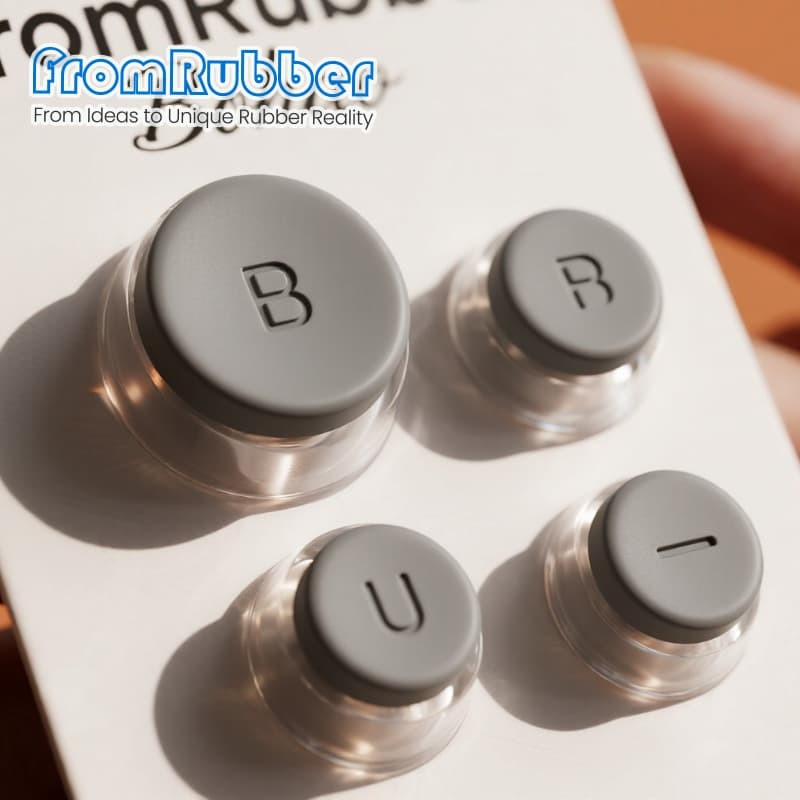
Why Tolerance Is the Quiet Trend
Consumer products increasingly depend on parts fitting together without adjustment. That pushes moulders toward processes and tools that hold dimensions across a run, and it pushes buyers toward suppliers who can state a capability rather than a best case.
The practical test is simple: ask for the tolerance on the feature you care about, and ask how it is verified. A supplier who quotes a range and a sampling plan is telling you something different from one who quotes a single number.
The Trend Buyers Should Resist
Adding variants to a range without adding tooling budget. Every colour and shape multiplies setups, and small-batch flexibility does not make a ten-variant range cheap. The brands that manage this well launch two variants and prove demand before expanding.
Ready to Customize Your Silicone Solutions?
Partner with FromRubber to create high-quality, tailored silicone products that meet your unique needs. Contact us today to bring your vision to life!
Get Started NowFrequently Asked Questions
Is liquid silicone always better than RTV?
No. LSR wins on repeatability and thin walls at volume, and loses on tooling cost at low volume. The right answer follows the quantity and the tolerance the design needs.
Are recycled silicones available for custom parts?
Recycled and bio-based silicone options exist, but availability, colour range and certification vary widely. Treat any recycled-content claim as a specification to be verified rather than a feature to be advertised.
Why are minimum order quantities falling?
Faster tool making, better scheduling and more flexible presses reduce the cost of a small run. The material batch minimum often remains the real constraint, especially for custom colours.