Eliminate Thread Damage During Shipping: Durable Silicone Protective Plugs for Machined Parts
- Share
- publisher
- Suey
- Issue Time
- Mar 25,2026
Summary
Silicone protective plugs are a packaging component, so they should be specified like one: thread class, removal torque, cleanliness and residue. This note sets out what a transit plug must survive, how to test it, and why the cheapest cap usually shows up later as a rework ticket on a machined part.
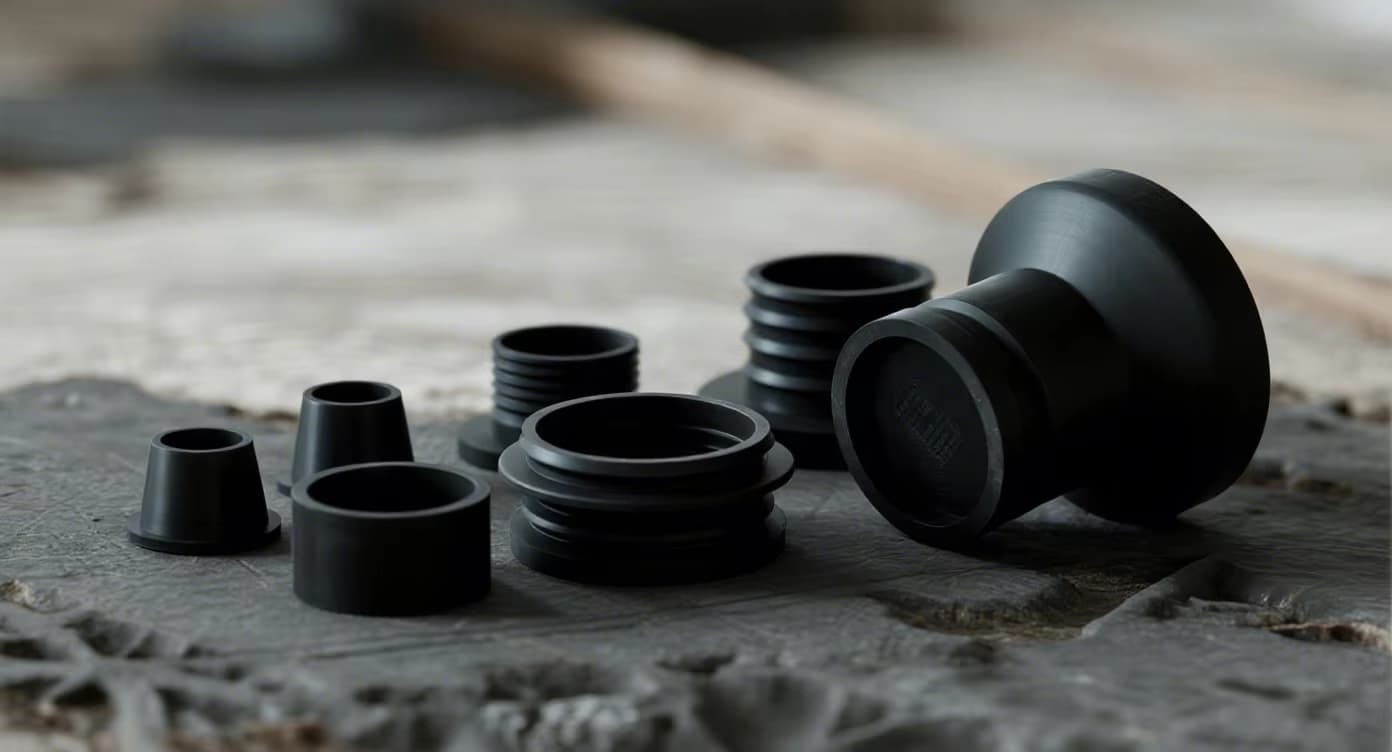
Packaging specification
A thread damaged in transit is a rework ticket, a missed ship date and sometimes a scrapped part — and the part that failed costs a few cents. Silicone protective plugs prevent that, but only when the plug is specified on thread class, engagement, removal torque and cleanliness rather than on colour and price.
- Engagement length is the protection: a plug that covers two threads protects two threads, however soft the material.
- Removal torque is a design value — too tight and the operator uses pliers and damages the thread anyway.
- Cleanliness matters on both sides: the plug must not shed, and it must not leave silicone residue in a thread that will be painted or bonded.
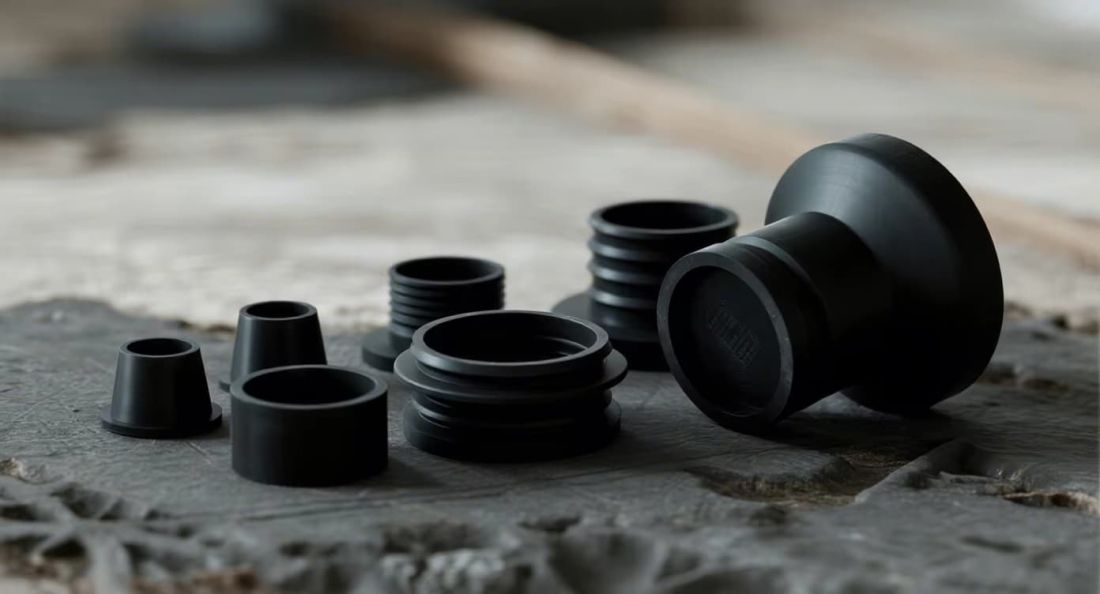
What silicone protective plugs have to survive in transit
A machined component in a carton meets three things: vibration against its own packing, impact when the carton is dropped, and abrasion from whatever else is in the box. A plug has to stay seated through all three without transferring load into the thread it is protecting. That is a geometry problem before it is a material problem: the plug must engage enough thread to resist being shaken out, and be compliant enough not to wedge so tightly that removal damages the crest.
The other transit risk is contamination. Chips from machining, cardboard dust and moisture all reach the thread if the plug is loose or ventilated. A plug that seals the bore as well as covering the thread does more work per cent than one that only caps the end.
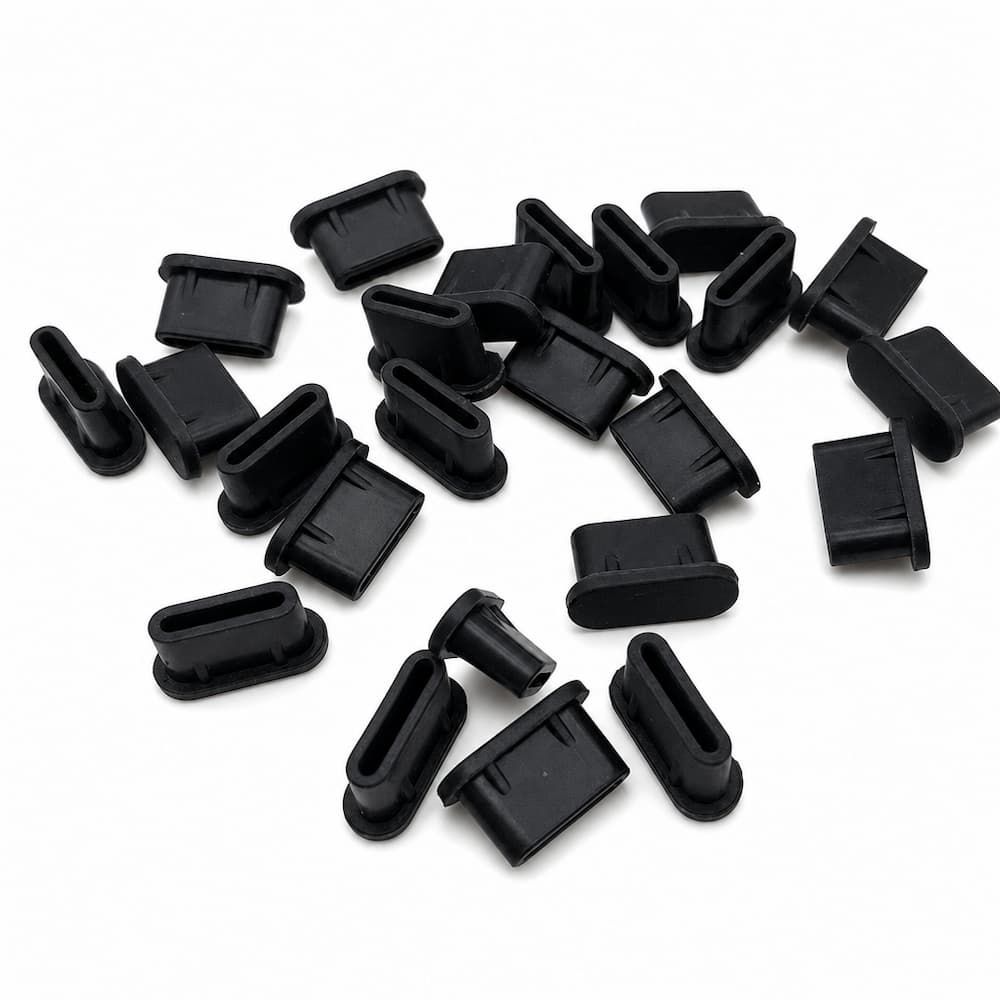
Thread class, engagement and the removal torque you should specify
Specify the plug against the thread it protects, not against a nominal diameter. A 1/4 inch NPT port and a 1/4 inch BSP port need different forms, and an M12 fine pitch needs a different lead-in from an M12 coarse. Write the thread standard, the pitch and the engagement length on the drawing; a plug described only as “for M12” will fit some of your parts.
Engagement of three to five full turns covers the threads that matter and keeps removal hand-tight. Then set a removal torque window: high enough that the plug does not fall out in a vibrated carton, low enough that a technician can pull it without a tool. Measuring that window on a torque tester takes an hour and prevents the most common complaint about transit plugs — that they had to be cut out.
- Thread form — state the standard, not only the diameter; NPT, BSP and metric do not interchange.
- Engagement — 3 to 5 full turns, measured on the finished part.
- Removal torque — a stated window, verified on a sample of production parts.
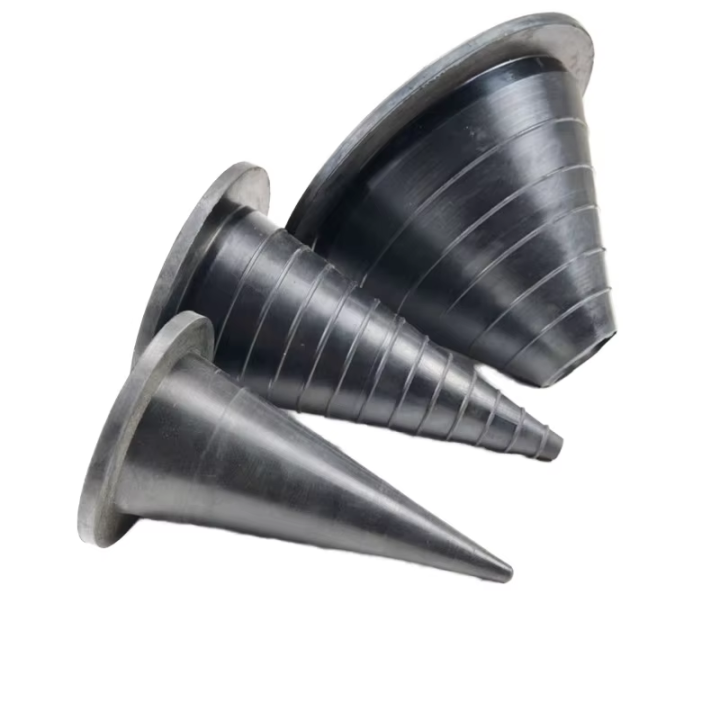
Transit tests that predict a damaged thread
| Test | Method | Pass criterion |
|---|---|---|
| Vibration | Random vibration at packaging test level for the shipping duration | No plug displacement; thread clean on removal |
| Drop | Six faces from the carton drop height for the packed weight | Plug retains position; no deformation transfer to the thread |
| Removal | Torque measurement on 10 parts after the transit tests | Within the stated window; no tearing at the lead-in |
| Cleanliness | Wipe the thread with a white cloth after removal | No silicone residue, no particulate |
| Residue | Paint or bond a sample thread after plug removal | No adhesion failure attributable to the plug |
Where the cost of a failed plug actually lands
The plug costs cents; the failure costs a different order of magnitude, which is why it belongs in the quality plan rather than the consumables budget.
Rework
Chasing a damaged thread, re-tapping, re-inspection and re-packing — usually hours of skilled time per part.
Scrap
A damaged thread on a casting or a large machined body can scrap the whole component.
Line stop
A customer who cannot assemble because a thread is burred stops a line, and that conversation is expensive.
Reputation
Repeat defects change how a customer inspects your shipments, which adds cost to every future order.
Cleanliness: the requirement nobody writes down
Two cleanliness failures recur with protective plugs. The first is shedding: a plug moulded with a rough flash line deposits rubber particles in the thread, and those particles travel into the customer's assembly. The second is transfer: some silicone compounds leave a film on metal that interferes with paint, thread-locking compound or an anaerobic adhesive.
Both are solved by specification rather than by inspection. Ask for a deflashed part with no loose edge, a compound without an external release agent, and a post-cure that removes surface volatiles. Then verify with the test that matters to your process: paint a sample thread after the plug has been fitted and removed, and see whether the coating adheres uniformly.

Questions from packaging and quality engineers
Are silicone plugs better than plastic caps for shipping?
Silicone conforms to the thread and absorbs impact without marking the crest, and it tolerates temperature swings in transit. Plastic caps are cheaper and hold shape better on very large threads; the choice usually follows thread size and the value of the part.
Do we need a different plug for painted parts?
Yes, if the thread must stay paint-free. A plug that masks during painting has to survive the oven as well, which changes both compound and colour coding.
How do we stop plugs being mixed up between thread sizes?
Colour code by size and mould the size marking into the plug. Sorting a mixed bin by hand costs more than the plugs.
Can the plugs be reused in our own plant?
Often yes, for internal handling. Track reuse with a colour or a batch break, because compression set accumulates and a plug that no longer grips is worse than no plug.
Send the thread list and the packing method
FromRubber moulds silicone protective plugs, conical caps and masking plugs in Dongguan, with colour-coded sizes and deflashed edges for clean removal. Send the thread standards in your shipment, the packing method and any paint or bonding step downstream; we will propose a plug geometry and a cleanliness check that match.
Request a plug specification reviewRelated reading: reusable thread port plugs for hydraulic systems and custom rubber hole plugs and port seals.