Food‑Grade Silicone Keypads Must Pass FDA and LFGB Certification for Kitchen Appliances
- Share
- publisher
- Suey
- Issue Time
- Jul 31,2026
Summary
Food‑contact silicone keypads require FDA (US) and LFGB (EU) certification. LFGB adds sensory odor/taste testing. Use certified base gums with full documentation. FromRubber ensures compliance.

This "invisible safety risk" is one of the most common concerns FromRubber addresses in the food‑grade product sector. Many clients focus on feel, appearance, and lifespan early in development — overlooking material compliance, which is a "veto‑able" requirement. Only when preparing for export do they discover that their silicone keypads lack FDA or LFGB certification — the entire shipment cannot enter European or US markets, forcing costly rework, material replacement, or order cancellation.
🔬 Safety Compliance Critical
Silicone Keypad Technical Analysis
Ordinary industrial‑grade silicone may contain volatile organic compounds (VOCs), residual catalysts, plasticizers, or other unreacted low‑molecular‑weight substances. Under high temperatures (e.g., coffee machine steam, rice cooker heat) or contact with oils/fats, these substances can migrate and leach out — potentially being ingested by humans through food contact, creating health risks.
According to FromRubber’s Silicone Keypad Custom Molding Best Practices, if the product contacts human skin or food, you must confirm whether it has passed FDA (US) or LFGB (Germany) certification. These are the "entry tickets" to developed markets and the legal baseline for protecting consumer health.
FDA vs. LFGB Certification
| Standard | Region | Focus | Key Tests | Strictness |
|---|---|---|---|---|
| FDA | United States | Chemical safety | Heavy metals (Pb, Cd, Hg, etc.), total extractables (water, hexane, ethanol simulants) | Baseline |
| LFGB | Germany / EU | Full safety + sensory | Heavy metals, total migration, sensory testing (odor + taste), VOC residues | Stricter |
Core FDA Requirements
FDA's control over food‑contact silicone is primarily based on 21 CFR 177.2600, with key requirements including:
- Raw materials must be from the "approved substances list" under FDA 21 CFR 177.2600
- Total extractables testing: in specified simulants (water, hexane, ethanol), total extractables must not exceed specified limits
- Heavy metals: lead (Pb), cadmium (Cd), mercury (Hg), hexavalent chromium (Cr⁶⁺) must remain below safety thresholds
Core LFGB Requirements (Stricter than FDA)
LFGB (Lebensmittel- und Futtermittelgesetzbuch) is Germany's Food and Feed Code. Its testing standards are more comprehensive and stricter than FDA:
- Sensory testing (organoleptic assessment): This is unique to LFGB — trained testers smell and taste simulants to detect any off‑odors or off‑tastes from the silicone. Any "rubber smell," "chemical taste," or foreign odor results in certification failure.
- Total migration testing: Under more stringent simulant and temperature conditions, migration limits are lower than FDA.
- VOC residue testing: Detects volatile organic compound residues to ensure no harmful gases are released at high temperatures.
FromRubber’s food‑grade material library includes silicone base gums that pass both FDA and LFGB certification, with periodic third‑party re‑testing to ensure batch‑to‑batch consistency.
Food‑Grade vs. Industrial‑Grade Silicone
- High‑purity raw gum, low VOC
- Platinum catalyst (no toxic residues)
- Food‑grade additives, strictly controlled
- Odorless or very faint odor
- FDA/LFGB certificates available
- Higher cost
- Standard raw gum, may contain impurities
- Peroxide catalysts (may leave residues)
- Industrial additives, not controlled
- May have rubbery or chemical odor
- No food‑contact certification
- Lower cost
FromRubber’s quality standard: For all food‑contact silicone keypad products, we mandate the use of FDA + LFGB dual‑certified food‑grade base gum, verify certificates for every incoming batch, and conduct odor sampling (sensory assessment) before shipment. This is codified in FromRubber’s Food‑Grade Product Control Specification.
Real‑World Case Studies
⚠️ Poor Outcome
Electric kettle brand — Consumers complained of "toxic rubber smell" from the keypad. The issue went viral on social media, severely damaging the brand's reputation, and the product was pulled from shelves.
FromRubber post‑mortem: If the client had used Dow Corning or ShinEtsu food‑grade base gum with LFGB certification (including sensory testing), this "odor scandal" could have been entirely avoided. After switching materials, the odor disappeared, and the product passed LFGB testing and re‑entered European supermarket channels.
✅ Best Practice
Premium blender manufacturer — Global market (EU, US, Japan, Korea). The client required "all food‑contact silicone parts must pass FDA + LFGB dual certification" from the start, and sent material requirements to FromRubber’s engineering team.
The client's product passed all import customs checks in Europe and the US with zero complaints after hitting supermarket shelves. The client noted: "FromRubber’s food‑grade material solution and certification support gave us complete peace of mind for global market entry."
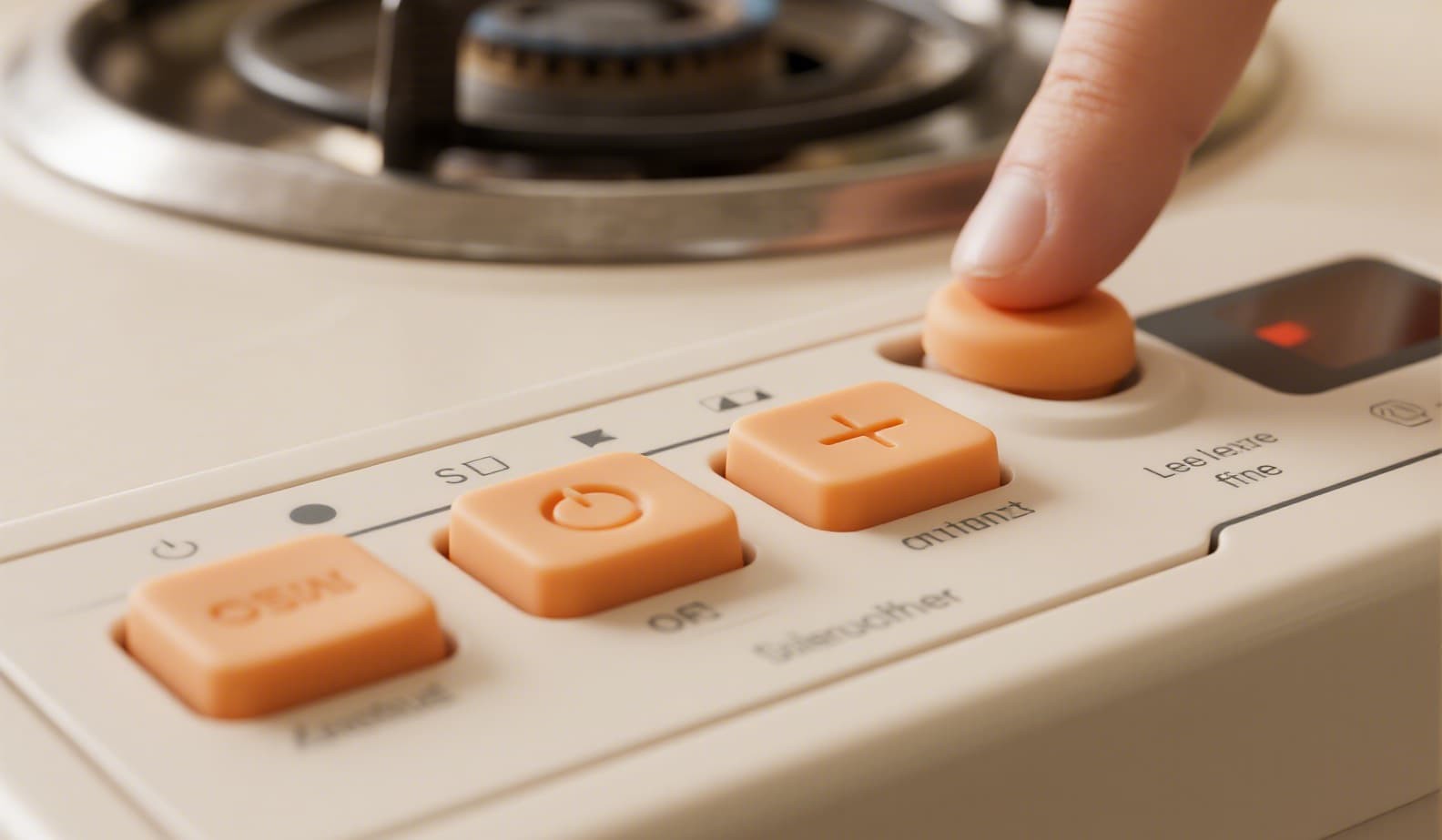
Actionable Solutions – The FromRubber Food‑Grade Compliance Protocol
For food‑contact products, follow these FromRubber‑recommended compliance steps:
- Specify food‑grade base gum brands and grades — On drawings or purchase specifications, clearly specify Dow Corning, ShinEtsu, Momentive, or certified domestic food‑grade base gum. Don't just say "food‑grade" — say "Dow Corning [grade], compliant with FDA 21 CFR 177.2600 and LFGB."
- Request and verify certificates — Obtain FDA certificates (English) and LFGB certificates (German or English) from your supplier. Verify that the grade on the certificate matches the actual material and that the certificate is still valid. FromRubber’s IQC process includes this verification step for every batch.
- Perform sensory testing (odor evaluation) — Food‑grade silicone should be "odorless" or have "very faint odor." If samples have any pungent rubbery, chemical, or foreign odor, they must be rejected. FromRubber’s lab has trained sensory evaluators for LFGB‑standard odor testing.
- Conduct total migration sampling — For large‑volume projects, periodically (every 6 months or per batch) sample‑test total migration (simulants: water, hexane, ethanol, etc.; conditions: simulate actual use temperature and time). FromRubber can arrange third‑party testing to ensure ongoing compliance.
- Distinguish "food‑grade" from "medical‑grade" — While medical‑grade silicone has higher standards (e.g., ISO 10993 biocompatibility), medical‑grade ≠ food‑grade. Food‑contact products must use food‑grade certified materials; the two are not interchangeable.
- Re‑test odor after high‑temperature aging — For high‑temperature applications (coffee machines, rice cookers), re‑evaluate odor after high‑temperature aging (e.g., 100°C × 168h). High temperatures can accelerate migration and volatilization of low‑molecular‑weight substances — verify under the harshest conditions.
- DFM review of material and compliance — Before tooling, send your material requirements, target markets, and certification needs to FromRubber’s engineering team. We recommend the optimal grade, certification strategy, and odor control measures. A detailed report is delivered within 24 hours — locking in compliance from the source.
The Bottom Line
Kitchen appliance silicone keypads — food‑grade certification is not optional, it's mandatory. FDA is the "minimum threshold" for the US market; LFGB is the "quality assurance" for Germany and the broader EU premium market. The difference between them isn't just strictness — it's LFGB's unique sensory test, which outright rejects materials with any off‑odor.
The gap between food‑grade and industrial‑grade silicone goes far beyond "having a certificate" — from raw gum purity, catalyst type, additive control to odor performance, every link determines the material's safety under high heat and oil/fat exposure.
FromRubber brings deep expertise in food‑grade silicone material selection, certification documentation, and odor control. We understand the "real‑world performance" of each food‑grade base gum under different application conditions, and we know how to ensure compliance through the synergy of material, process, and testing. On your next food‑contact silicone keypad project, let our engineering team engage at the material selection and compliance design stage — so we can stop "certification risk" before mass production.