From Prototype to Production: Why Your Instrument Silicone Keypad Tooling Validation Phase Is the Most Critical – And Most Rushed
- Share
- publisher
- Suey
- Issue Time
- Aug 11,2026
Summary
Instrument silicone keypad tooling validation is the most critical yet most rushed phase for instrument silicone keypad. Skipping steps leads to field failures, re-tooling costs, and brand damage. A comprehensive validation checklist ensures dimensional, electrical, and environmental compliance for reliable production.
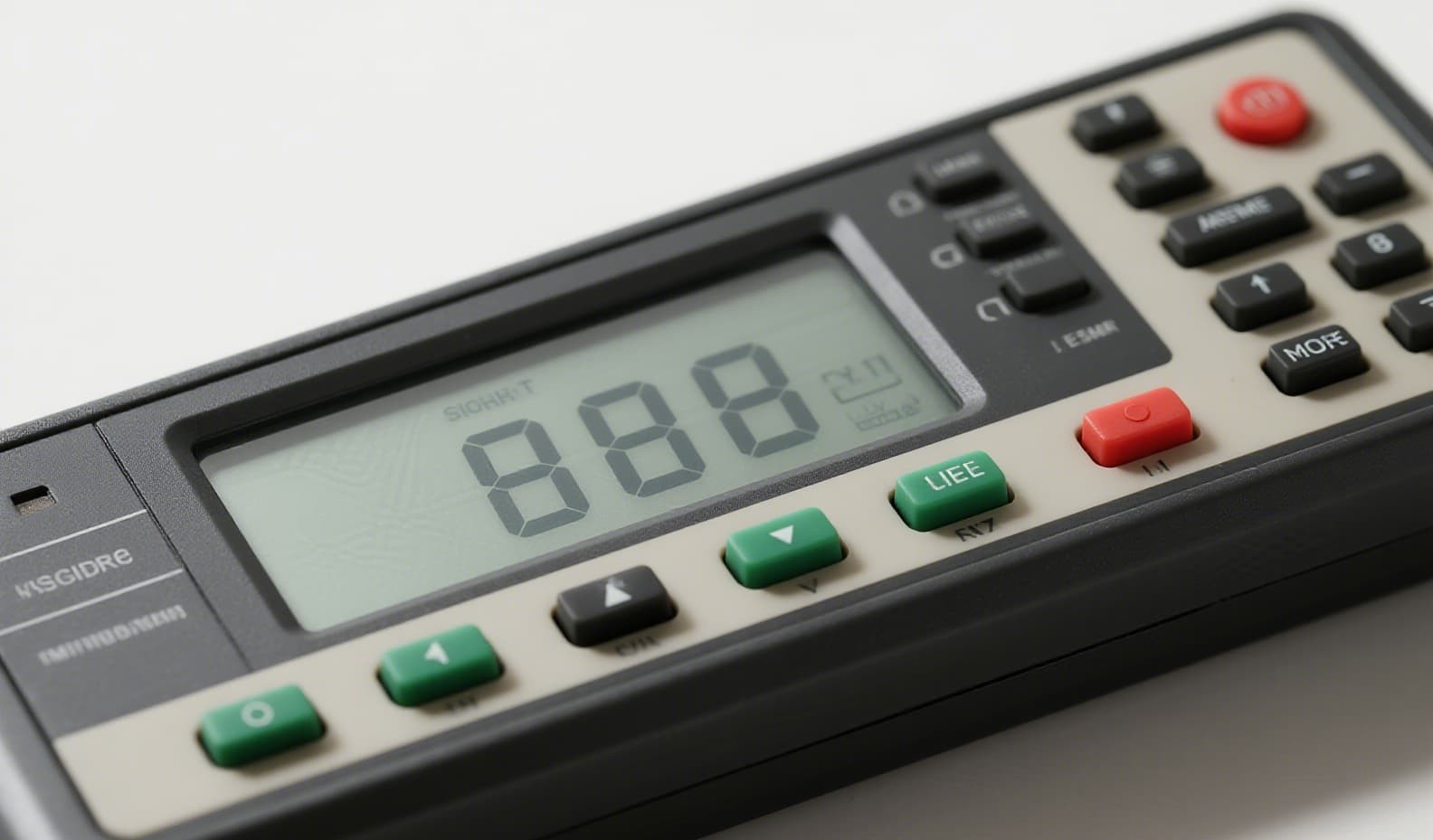
Why Your Instrument Silicone Keypad's Tooling Validation Phase Is the Most Critical – And Most Rushed
⏳ You've spent months designing your instrument. Your instrument silicone keypad looks perfect on paper. The prototype works beautifully. Then comes the tooling validation phase — and it's often treated as a checkbox, not a critical milestone.
In reality, the validation phase of your instrument silicone keypad tooling is where the rubber meets the road — literally. This is the stage where dimensional tolerances, contact resistance stability, tactile feel, and legend durability are proven under production conditions. Rushing through it is the #1 cause of field failures, warranty claims, and expensive re‑tooling.
Why Instrument Silicone Keypad Validation Gets Rushed
The pressure is understandable: product launch deadlines are looming, customers are waiting, and management wants to see revenue. The validation phase — which should take 4‑8 weeks — is often compressed into 2 weeks. Decisions are made based on visual inspection rather than statistical process data. Samples are signed off with "looks good" instead of "passes all electrical and mechanical specifications."
This is especially dangerous for the instrument silicone keypad because its performance depends on multiple parameters that are highly sensitive to process variation: curing time, compression set, pill alignment, and carbon loading. If validation doesn't catch these, they'll catch you in the field.
What Should Happen During Silicone Keypad Tooling Validation
- Dimensional verification — keypad thickness, pillar height, and dome geometry measured with precision instruments.
- Contact resistance testing — across multiple points, at different actuation forces, and after temperature cycling.
- Tactile force profiling — force‑stroke curves to ensure consistent snap ratio and actuation force.
- Legend durability testing — chemical resistance, adhesion, and abrasion wear.
- Environmental stress screening — thermal shock, humidity, and accelerated life testing.
- First article inspection (FAI) — a complete dimensional and functional report against the drawing.
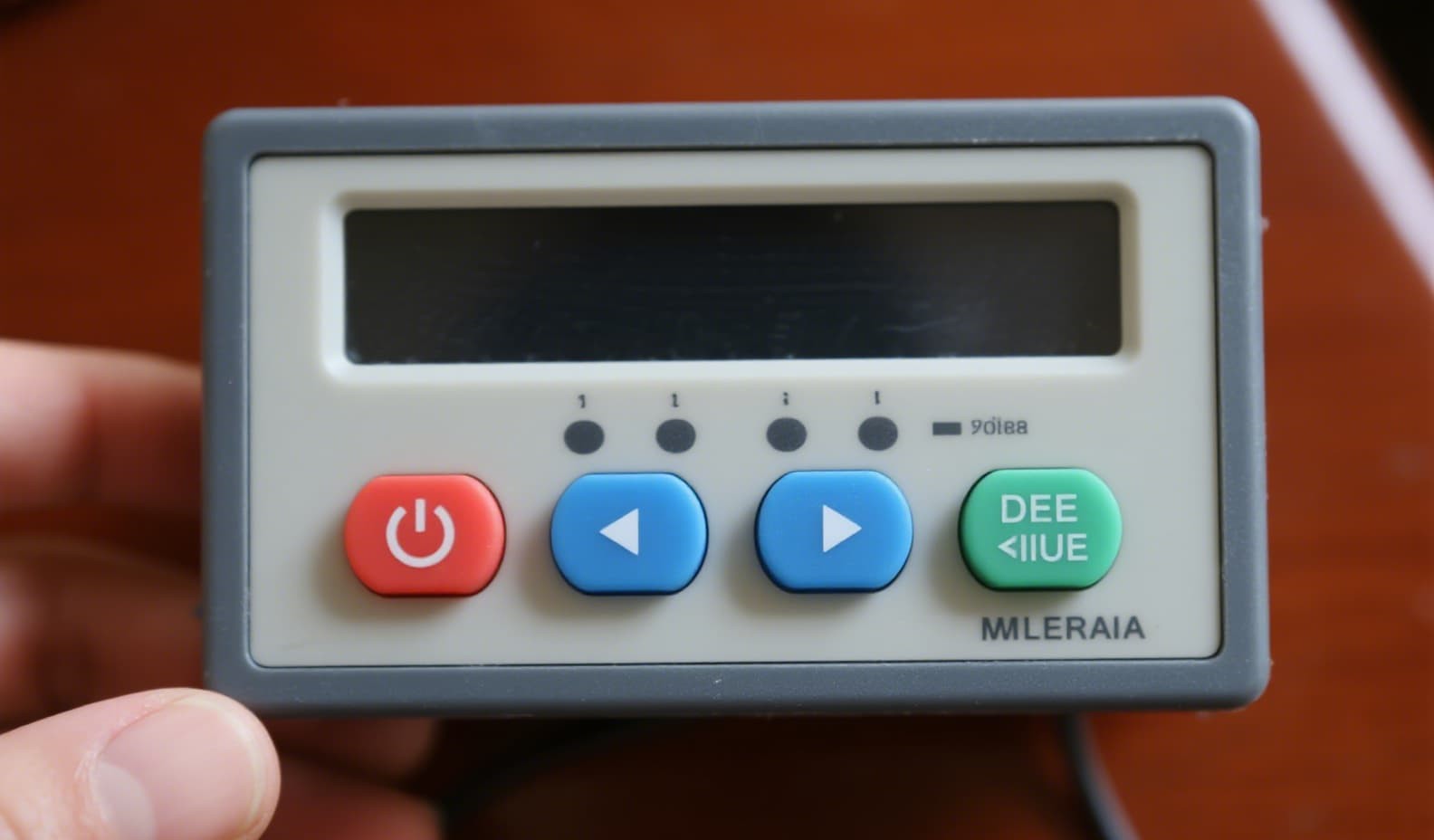
The Real Cost of a Rushed Validation
A instrument silicone keypad that passes a rushed validation — but fails in the real world — creates cascading problems:
- Field returns — the most obvious cost, but also the most damaging to customer trust.
- Re‑tooling expenses — fixing a tool after production starts can cost more than the original tooling.
- Production delays — when you discover issues at volume, you stop the line.
- Brand erosion — a single bad batch of keypads can tarnish years of reputation.
🔍 The truth: No one ever regretted spending an extra 2 weeks on instrument silicone keypad validation. But countless OEMs have regretted rushing it. FromRubber builds comprehensive validation protocols into every project — because we know that a well‑validated keypad is the foundation of a reliable instrument.
Case Studies — Validation Success vs. Failure
Medical Ventilator — 100% Validation
This OEM allocated 6 weeks for instrument silicone keypad validation with FromRubber. We conducted full dimensional, electrical, and environmental testing — including 500 thermal cycles. The keypad passed with zero issues, and the product launched on time with zero field returns related to the keypad.
Portable Analyzer — Rushed Validation
This OEM compressed validation to 10 days to meet a trade show deadline. The instrument silicone keypad appeared fine initially, but after 3 months in the field, contact resistance drift caused false readings. A full re‑tool and recall cost over $120,000 — and customer trust was lost.
How FromRubber Approaches Validation
At FromRubber, we treat the tooling validation phase as a gateway to production excellence. Our process includes:
- Design for Manufacturability (DFM) review before tooling starts.
- In‑process monitoring during sample runs to catch variation early.
- Full FAI documentation with CMM measurements and electrical data.
- Capability studies (Cpk) to ensure the process is stable for volume production.
- Collaborative sign‑off — we work with your engineering team to ensure every specification is met.
✓ FromRubber doesn't just make instrument silicone keypads — we validate them for real‑world reliability. Our validation protocols are tailored to your application, ensuring that your keypad performs consistently from the first unit to the ten‑thousandth.
Your Validation Checklist
Before you sign off on your instrument silicone keypad tooling, confirm that your supplier has completed:
- ✔️ Dimensional inspection (keypad, pillars, domes) to drawing tolerance.
- ✔️ Contact resistance measurement at minimum, nominal, and maximum actuation force.
- ✔️ Tactile force‑stroke curves for all button types.
- ✔️ Legend adhesion and chemical resistance (IPA, ethanol, etc.).
- ✔️ Thermal cycling (at least 100 cycles from –40°C to +85°C).
- ✔️ First Article Inspection (FAI) report with full data.
Remember: A validated instrument silicone keypad is an investment in your instrument's reputation. Don't let a rushed validation become your biggest regret.
First Shots
Sample parts from the new tool — initial visual and dimensional check.
Electrical Testing
Contact resistance, insulation resistance, and switch closure verification.
Mechanical Profiling
Force‑stroke, actuation force, and tactile snap ratio measurement.
Environmental Stress
Thermal cycling, humidity, and accelerated life testing.
FAI & Sign‑off
Complete First Article Inspection report and approval for production.