FromRubber Decoded: Why a German Silicone Custom Peer Chose This “Hidden Champion”
- Share
- publisher
- Suey
- Issue Time
- Jul 20,2026
Summary
What a silicone manufacturer audits when it buys a custom silicone keypad from another: compound traceability, cure consistency, tool condition, capability index, contact stability and lot marking. A peer audit is the harder test, and its paper trail is what brands later ask for.

When a silicone manufacturer places an order with another manufacturer, the audit is different from a brand's audit. A brand checks the certificate and the price. A peer checks the things that decide whether the parts will behave the same in year three — compound traceability, cure system consistency, tool condition, and whether the production process can hold a capability index rather than a single good sample.
That is the useful way to read the German silicone company that named us as a custom keypad supplier. The endorsement matters less than what they inspected to reach it: six specific checks, each of which any serious buyer can also run.
What a peer actually audits in a custom silicone keypad supplier
Six checks separate a supplier that can repeat a result from one that can produce a good first article.
1. Compound traceability
Which base, which batch, which certificate. A peer asks for the lot number on the shipping box and traces it back to the incoming material record, because a silent compound substitution is the most common cause of a property shift between orders.
2. Cure system consistency
Peroxide type and post-cure schedule. Two suppliers can quote the same hardness and deliver different compression set, because the cure and the bake were different.
3. Tool condition
Cavity count, last refurbishment, and how flash is controlled. A worn parting line shows up as deflashing labour and dimensional drift long before it shows as a reject.
4. Capability, not conformance
A single sample inside tolerance proves nothing. The question is whether the process holds a capability index across a run, which is what a peer will ask to see.
5. Electrical stability on conductive keys
Contact resistance at start, mid-life and end of cycling — not a start-of-life reading only.
6. Lot marking and packaging
Whether a defective batch can be isolated without quarantining six months of stock.

Peer audits spend their time on the process, not the showroom: compound records, tool condition and capability data.
Why peer orders are the harder test
A brand typically specifies an outcome — a hardness, a force, a colour — and accepts a sample that meets it. A peer specifies the process behind the outcome, because they will be asked the same questions by their own customers downstream.
That changes the conversation in two ways. First, test data has to exist before the question is asked: high-temperature exposure, water-ingress behaviour, and million-cycle press results for the specific design, not for a similar one. Second, the answers have to be reproducible, because a peer will re-measure.
The commercial consequence is straightforward. A supplier that can pass a peer audit has already built the record a brand will later ask for. Working for other manufacturers is therefore not a marketing line — it is a forcing function on documentation.

Durability data for the specific design, measured before the question is asked, is what a peer audit actually looks for.
The record behind the claim
Sixteen years of industrial silicone work and a client base that now runs past 2,300 companies across POS terminals, medical devices and smart home systems is a useful context, but it is not evidence. The evidence is the paper trail a buyer can inspect:
- Incoming material certificates matched to production lot numbers.
- Cure and post-cure parameters recorded per batch, not per product family.
- Force and contact-resistance curves retained for each production run, not only for the first article.
- Tool maintenance history with cavity-level notes.
- PPAP-level documentation where the customer's quality system requires it.
If a supplier cannot produce these in an afternoon, the certification on the wall is not doing the work the buyer thinks it is.
The practical test for any buyer, peer or not: ask for the production record of the last three lots of a part you already buy. A supplier with a real system answers in hours. A supplier without one answers with a certificate.
How we run a peer or engineering review
A review starts with the drawing and the application environment, and it produces a written DFM response rather than a price. For a custom silicone keypad that response covers wall uniformity, web geometry against the force target, legend method against wear requirement, and the contact system if the key is conductive.
Where the design is not yet fixed, a small proofing batch in the specified hardness is faster than arguing about feel. Where it is fixed, the review lists what will fail first and what it will cost to change later.
That is a slower first conversation than a quotation and a faster project overall — the difference shows up at first article, not at purchase order.
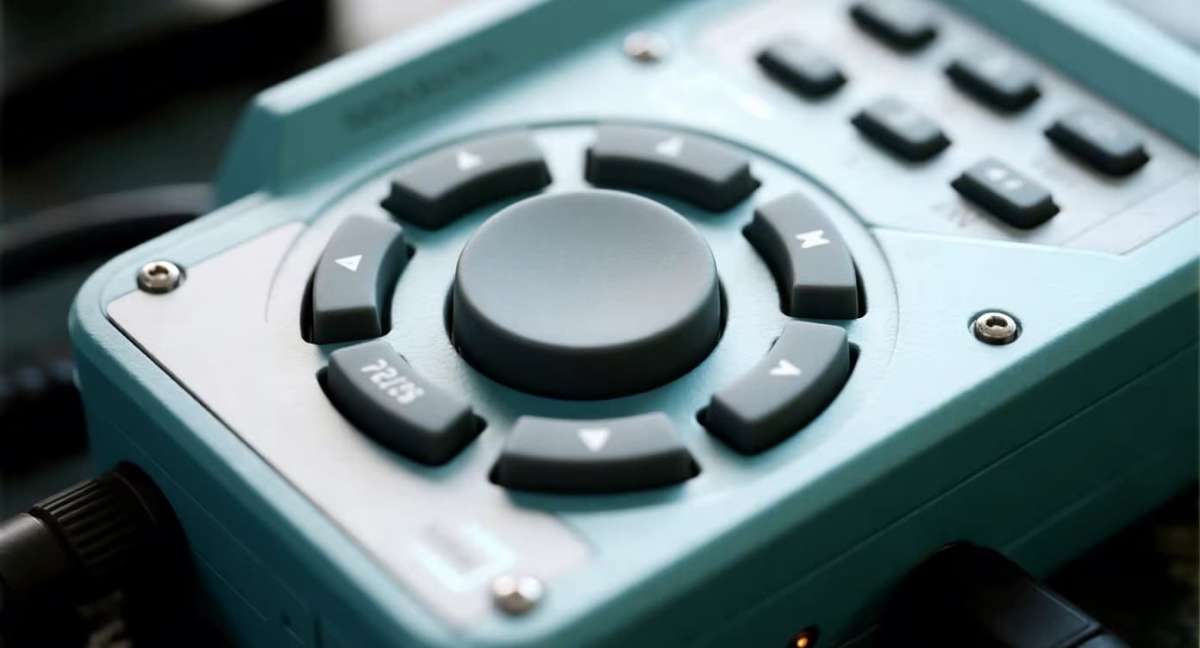
Moulding, deflashing, printing and testing in one plant is what makes a batch record traceable end to end.
Questions buyers ask about peer-validated suppliers
Does a peer endorsement replace an audit?
No. It tells you the supplier has survived a harder conversation than a brand usually has. It does not tell you the process fits your part, so the audit still has to be run against your drawing.
What is the single most useful document to request?
The batch record for a part already in production, including material lot, cure parameters and the measurement results. It shows more about the system than any certificate.
How long should a DFM response take?
Two working days is a reasonable expectation for a keypad with a drawing and a force target. A week usually means the supplier is quoting before engineering has looked at it.
Can a peer review be done under NDA before samples?
Yes, and it is the normal sequence for custom work. Drawings and application conditions are enough to identify most manufacturability risks without any tooling commitment.
Ask for the record, not the certificate
Send a drawing and the last three lots of a part you already buy elsewhere. We will return a DFM response and, where you want it, the equivalent production record from our own line for comparison.
See custom silicone rubber keypads and the certificate downloads page.