How Lens Silicone Sealing Rings Improve IP68 Waterproof Ratings in Underwater Lens Enclosures
- Share
- publisher
- Suey
- Issue Time
- Apr 22,2026
Summary
IP68 lens silicone sealing rings from FromRubber prevent water ingress in underwater camera housings. Custom seals for deep-sea, ROV, and marine optics. OEM-friendly.
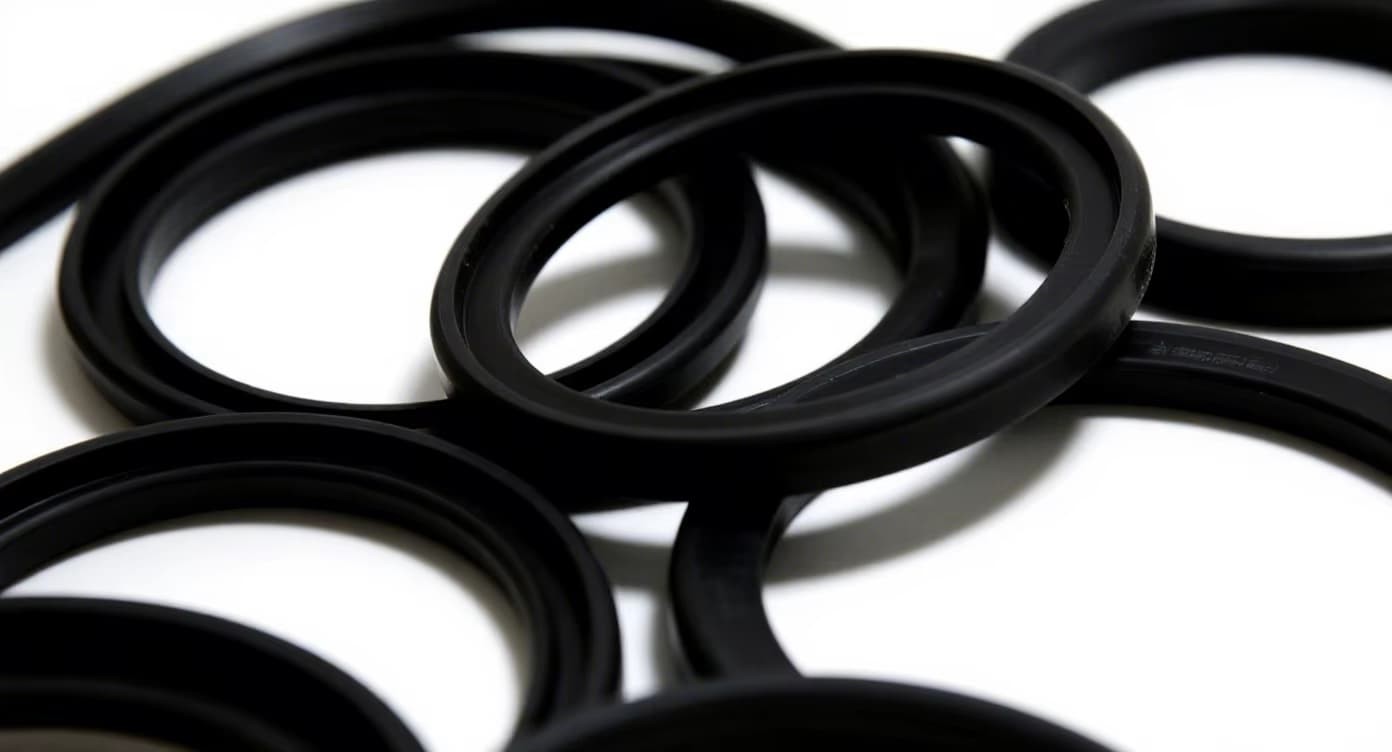
Achieving true IP68 waterproof ratings in underwater lens enclosures depends on one critical component: lens silicone sealing rings. FromRubber’s advanced silicone technology prevents water ingress, maintains sealing force under pressure, and ensures optical clarity even at extreme depths.
Water ingress remains the primary cause of failure in underwater cameras, ROVs, and marine optical systems. While housing design and materials matter, the sealing interface determines whether an enclosure achieves true IP68 certification. As a specialized manufacturer, FromRubber engineers high-performance lens silicone sealing rings that deliver consistent waterproof integrity under sustained submersion, pressure cycling, and harsh environmental conditions. This article explores how these precision seals elevate IP68 ratings and protect valuable optical equipment.
What Makes Lens Silicone Sealing Rings Essential for IP68?
The IP68 standard requires continuous immersion beyond 1 meter — typically up to 3 meters or more — with no water ingress. Unlike IP67 (temporary submersion), IP68 demands long-term pressure resistance. Generic rubber O-rings often fail due to compression set, water absorption, or material degradation. Lens silicone sealing rings from FromRubber are specifically formulated to address these challenges. Their unique elastic memory ensures the seal maintains interfacial pressure even after housing expansion, while hydrophobic properties prevent capillary wicking. For underwater lens enclosures, this translates into reliable protection for sensitive optics and electronics.
The Science Behind Lens Silicone Sealing Rings and Waterproof Performance
Successful IP68 sealing relies on two fundamental mechanisms: sustained gasket pressure and low material permeability. Premium silicone rubber excels in both areas. FromRubber’s lens silicone sealing rings exhibit less than 15% compression set after 22 hours at 100°C (ASTM D395), meaning they retain shape and sealing force over years of service. Additionally, high-density silicone grades achieve water vapor transmission rates below 1.2 g·mm/(m²·day), effectively blocking liquid water under pressure. This combination of properties makes lens silicone sealing rings the gold standard for underwater optical housings.
Key Engineering Advantages of FromRubber Lens Silicone Sealing Rings
1. Precision Groove Compatibility & Custom Profiles
Standard O-rings frequently fail in lens housings because groove fill ratios are not optimized. FromRubber’s lens silicone sealing rings are available in rectangular, D-shaped, X-ring, and custom cross-sections that increase contact area without excessive friction. Our engineering team calculates optimal squeeze (15–30%) and gland fill (75–85%) to achieve IP68 sealing with minimal torque on acrylic or polycarbonate ports. This customization ensures that lens silicone sealing rings integrate seamlessly into your existing housing design.
2. Superior Resistance to Hydrolysis & Salt Corrosion
Marine environments expose seals to salt, chlorine, and biofouling agents. Standard elastomers like NBR or EPDM degrade through hydrolysis, becoming brittle or swollen. FromRubber’s lens silicone sealing rings exhibit exceptional resistance to saltwater, ozone, and UV radiation. Independent testing confirms zero surface cracking after 1000-hour salt spray exposure (ASTM B117), guaranteeing reliable performance in oceanographic equipment, underwater drones, and coastal monitoring systems.
3. Low-Temperature Flexibility for Deep & Cold Waters
At depths below 50 meters, water temperatures can drop to 4°C or lower. Many rubbers harden and lose sealing ability. Lens silicone sealing rings remain flexible down to -60°C, ensuring the seal continues to conform to housing irregularities even in polar or deep-sea conditions. This property is critical for ROVs inspecting subsea pipelines or scientific instruments deployed in cold freshwater reservoirs.
4. Optical Clarity Protection via Low Outgassing
In sealed underwater camera housings, internal outgassing can condense on the inside of the lens port, causing fogging that ruins image quality. FromRubber’s high-purity lens silicone sealing rings feature extremely low volatile content (ASTM E595 compliant), protecting optical surfaces while maintaining IP68 integrity. This dual benefit makes them ideal for professional underwater cinematography and scientific imaging.
Comparative Analysis: Lens Silicone Sealing Rings vs. Alternative Materials
| Property | FromRubber Silicone (IP68 grade) | Nitrile (NBR) | EPDM | Fluorocarbon (FKM) |
|---|---|---|---|---|
| Lens silicone sealing rings | Excellent | Good (limited temp) | Good (poor oil resistance) | Excellent |
| Saltwater resistance | Excellent | Moderate | Good | Excellent |
| Low-temp flexibility (-30°C) | Excellent | Poor (hardens) | Moderate | Poor |
| Compression set resistance | < 15% | 20-30% | 25-40% | 15-25% |
| Optical compatibility (no outgassing) | Yes (low-VOC) | No (plasticizers) | No (additives) | Limited |
| Custom moldability | High | Moderate | Moderate | Low |
Real-World Applications of Lens Silicone Sealing Rings in Underwater Equipment
FromRubber collaborates with leading manufacturers across marine, defense, and scientific sectors. Our lens silicone sealing rings are field-proven in:
- Underwater Drone & ROV Cameras: Maintaining dry housings for 4K cameras exploring shipwrecks or pipelines at 150m depth.
- Subsea Scientific Instruments: CTD rosettes, fluorometers, and sediment cameras requiring years of deployment without maintenance.
- Pool & Aquarium Monitoring Systems: Chlorine-resistant lens silicone sealing rings for continuous submersion in harsh chemical environments.
- Waterproof Action Cameras & Dive Housings: Consumer and professional equipment that endures frequent opening and closing cycles.
- Marine Navigation & Sonar Pods: Large-diameter lens ports requiring stable sealing under thermal cycling from sun exposure to cold water.
Each application benefits from FromRubber’s ability to produce lens silicone sealing rings in diameters from 3mm to 500mm, with custom cross-sections, colors, and surface finishes.
Why FromRubber Is the Leading Manufacturer of Lens Silicone Sealing Rings
As a dedicated silicone rubber sealing manufacturer, FromRubber combines material science expertise with precision molding capabilities. Here’s why OEMs trust our lens silicone sealing rings:
- In-house tooling & rapid prototyping: Receive functional IP68-tested samples in 7–10 days. Low-cost aluminum molds available for validation before mass production.
- Material traceability & certification: Every batch of lens silicone sealing rings includes material certificates, pressure test reports, and REACH/RoHS compliance.
- Custom formulations: Need enhanced tear strength? Higher modulus? Antibacterial properties? Our lab tailors silicone compounds to your underwater environment.
- Quality control: 100% automated optical inspection for flash, voids, or surface defects, plus random pressure decay testing to simulate IP68 conditions.
Design Guidelines for Maximum IP68 Performance with Lens Silicone Sealing Rings
To achieve reliable IP68 ratings, FromRubber’s engineering team recommends these best practices:
- Control surface finish: Mating surfaces should have roughness Ra ≤ 0.8 μm. Rougher finishes create micro-channels for water migration that lens silicone sealing rings cannot fully block.
- Optimize groove dimensions: For static lens sealing, groove depth should be 75-85% of the seal cross-section, with width 115-130% to allow lateral expansion under pressure.
- Avoid sharp edges: Groove corners require minimum radius of 0.3 mm to prevent seal cutting during assembly.
- Include backup rings for dynamic pressure: For enclosures experiencing pressure spikes (rapid descent), a PTFE backup ring paired with lens silicone sealing rings prevents extrusion.
- Use compatible lubrication: A thin layer of silicone grease reduces friction and enhances sealing contact.
FromRubber provides free design review and groove optimization services — contact our engineers to ensure your housing passes IP68 validation.
Upgrade to FromRubber Lens Silicone Sealing Rings for True IP68 Protection
Whether you need 100 or 1 million pieces, FromRubber delivers custom-molded lens silicone sealing rings that withstand sustained pressure, saltwater, and thermal extremes. Request a quote or engineering sample today.
Contact FromRubber →📧 nani@fromrubber.com | Custom sizes, hardness (30-80 Shore A), colors. Global shipping from ISO 9001 facility.
Testing & Certification: Validating Lens Silicone Sealing Rings for IP68
FromRubber validates every batch through rigorous protocols:
- Hydrostatic pressure testing: Sealed housings with our lens silicone sealing rings are submerged up to 15 bar (150m equivalent) for 72 hours. Zero water ingress = pass.
- Thermal shock cycles: -20°C to +60°C transitions under pressure, simulating real-world surface-to-depth deployment.
- Compression set per ASTM D395: Ensures sealing force remains above critical threshold after prolonged compression.
- Chemical resistance: Salt spray, chlorine, and diluted acid exposure validate material stability of lens silicone sealing rings.
Full test documentation accompanies each order, giving you confidence in your underwater lens system’s long-term reliability.
Frequently Asked Questions About Lens Silicone Sealing Rings & IP68
Q: Can lens silicone sealing rings achieve IP69K ratings?
A: Yes, with proper groove design and harder durometer (70 Shore A), FromRubber’s rings withstand IP69K (high-pressure hot water jets). However, for continuous underwater immersion, IP68 remains the appropriate standard.
Q: How do I prevent lens silicone sealing rings from twisting during assembly?
A: Use rectangular or D-shaped cross-sections that resist rolling. We also offer adhesive-backed silicone seals that stay in place during assembly.
Q: What is the maximum depth rating for FromRubber lens silicone sealing rings?
A: The material handles 150m+ (15 bar), but overall depth depends on housing rigidity. FromRubber works with you to design for your specific depth requirement.
Q: Can you produce FDA-compliant lens silicone sealing rings for potable water cameras?
A: Absolutely. We offer food-grade, NSF-51 certified silicone compounds suitable for drinking water systems and aquarium monitoring.
In conclusion, achieving and maintaining IP68 waterproof ratings in underwater lens enclosures depends directly on the quality of your sealing rings. FromRubber’s lens silicone sealing rings combine low compression set, exceptional environmental resistance, and custom moldability to deliver leak-proof performance under extreme subsea pressures. Don’t trust your optics to generic seals — partner with FromRubber for engineering-driven, IP68-certified lens silicone sealing rings that keep your underwater vision clear and dry.