How Many Cavities for Silicone Keypad Mold? The Art of Balancing Cavity Count and Cost
- Share
- publisher
- Suey
- Issue Time
- Aug 4,2026
Summary
Choose 2–4 cavities for prototypes, 4+ for medium volumes, 8+ for high volume. Use breakeven analysis to balance mold cost and unit cost. FromRubber guides optimal silicone keypad cavity selection.
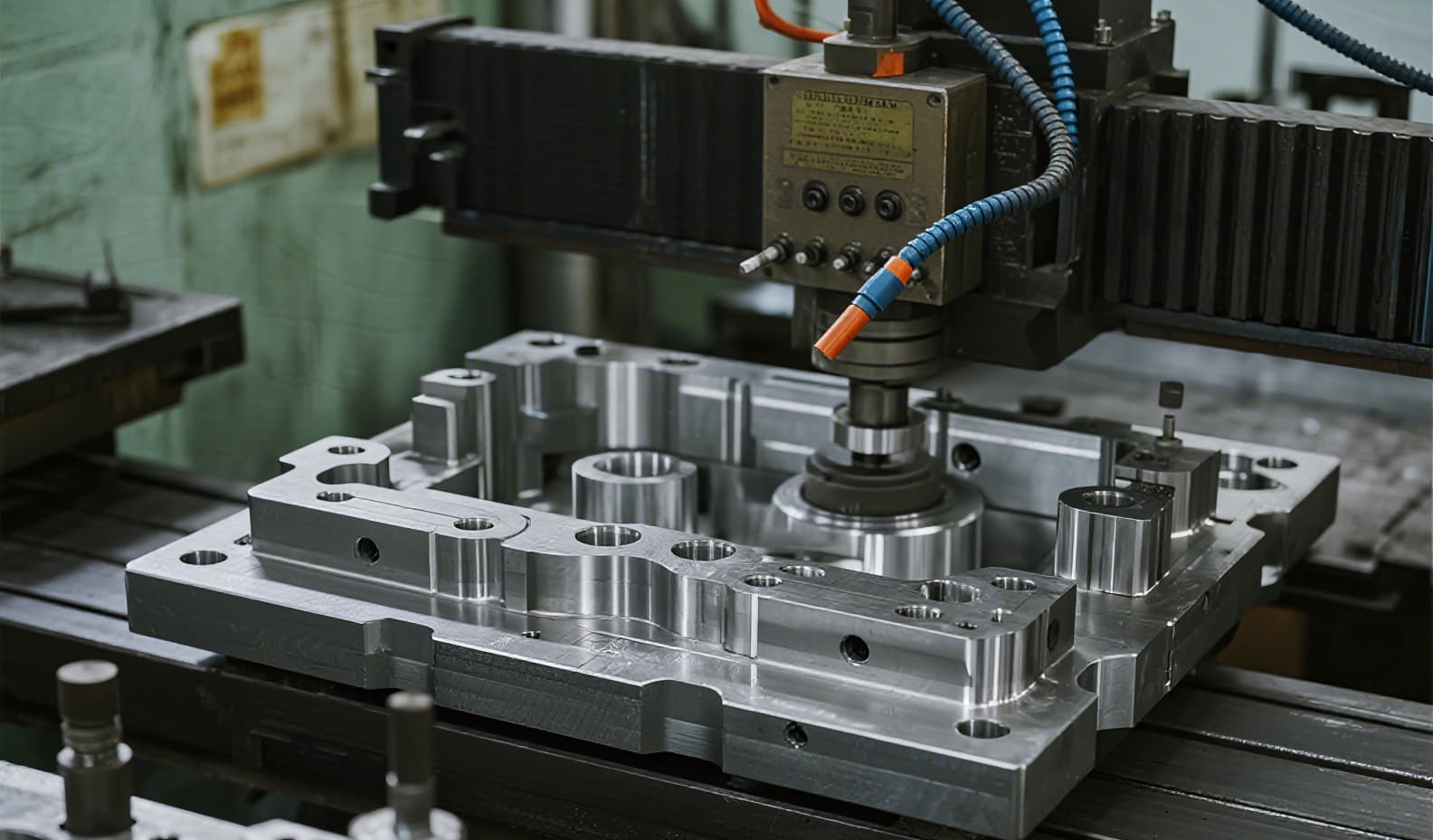
More cavities = higher mold cost, but lower unit price. Choose wrong, and you either overpay upfront or lose money on every part.
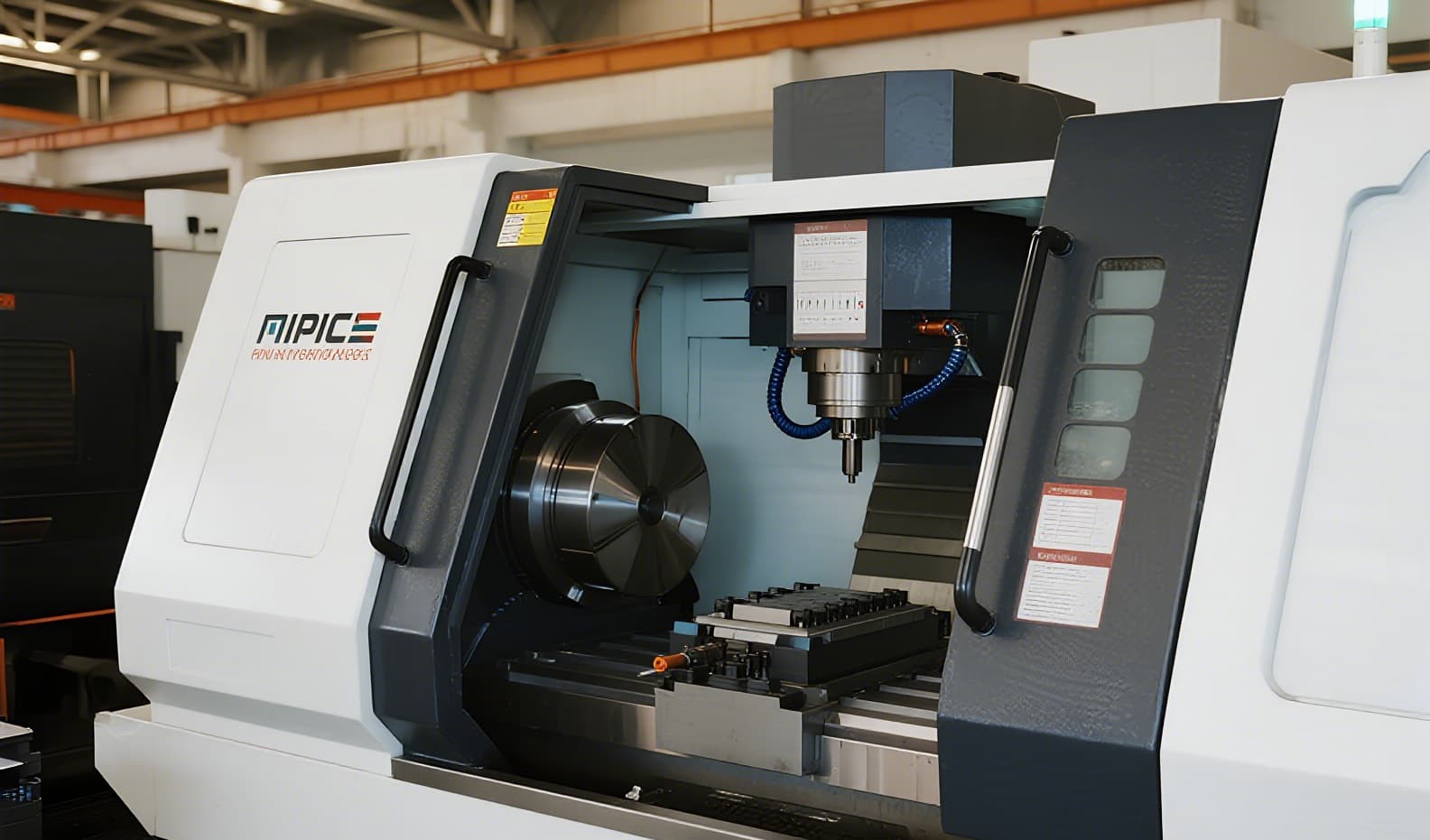
Silicone Keypad Mold Technical Analysis
The number of cavities in a mold determines how many parts are produced per press cycle. The core trade‑off is between one‑time mold investment and ongoing unit production cost.
According to FromRubber’s Silicone Keypad Custom Molding Best Practices, cavity count must be evaluated based on order volume — not by intuition, but by data‑driven breakeven analysis.
Cavity Count Comparison
| Factor | Low Cavity (2/4 cavities) | Medium Cavity (8 cavities) | High Cavity (16+ cavities) |
|---|---|---|---|
| Mold Complexity | Simple | Moderate | Complex |
| Mold Cost | Low | Medium | High |
| Mold Lead Time | 3–4 weeks | 4–5 weeks | 5–8 weeks |
| Parts Per Cycle | Few | Moderate | Many |
| Unit Processing Cost | High | Medium | Low |
| Press Size Required | Small | Medium | Large |
| Rework Difficulty | Low | Medium | High |
| Yield Risk (Fill Balance) | Low | Moderate | High |
| Best For | Prototypes, small batches, complex parts | Medium volumes, standard parts | High-volume, long-run orders |
The Diminishing Returns of More Cavities
More cavities are not always better. Moving from 4 to 8 cavities doubles output; moving from 8 to 16 also doubles output, but mold complexity, press size, rework difficulty, and fill‑balance risk grow non‑linearly. Beyond 8 cavities, the marginal benefit per additional cavity decreases while the marginal cost (complexity, balancing, rework) increases.
FromRubber’s production data shows that for silicone keypads, 4–8 cavities is the "sweet spot" for cost‑performance. Beyond 8 cavities, the savings in unit cost are often offset by higher mold cost, more complex tuning, and increased scrap from fill imbalance.
The Hidden Risk: Fill Balance
The biggest technical challenge in multi‑cavity molds is fill balance. If the flow path length or resistance differs between cavities, parts from different cavities can have dimensional, hardness, or appearance variations. A 16‑cavity mold might only yield 12 stable cavities — scrap directly eats the efficiency gain.
FromRubber’s mold designers use mold‑flow analysis to simulate flow behavior in every cavity, ensuring consistent fill time, pressure, and temperature distribution — minimizing "multi‑cavity imbalance" risk.
Real‑World Silicone Keypad Mold Case Studies
Industrial remote control keypad – Annual volume 200K. Client chose a 4‑cavity mold to save tooling cost.
FromRubber breakeven analysis showed the 8‑cavity mold would have paid for itself within the first order, and every subsequent order would be pure profit.
Premium smart home panel – Complex part, annual volume 50K–80K. Client engaged FromRubber for DFM before tooling.
Yield achieved 98.5% with 4 cavities. The client avoided the complexity and risk of an 8‑cavity mold for virtually no cost difference.
Actionable Solutions – The FromRubber Silicone Keypad Mold Cavity Selection Protocol
Follow this data‑driven process to choose the optimal cavity count:
-
1
List your options – Based on part size and complexity, consider 2‑, 4‑, and 8‑cavity designs (beyond 8, evaluate fill balance risk separately).
-
2
Gather cost data – Get mold cost quotes and per‑part processing costs (material, molding, trimming, printing, packaging) from your suppliers.
-
3
Estimate total production volume – Consider the product's lifecycle. For repeat orders, project 2–3 years of cumulative volume.
-
4
Calculate total cost – Total Cost = Mold Cost + (Unit Cost × Volume).
-
5
Compare and decide – Find the breakeven point.
• Volume < 10K → 2–4 cavities (low mold investment)
• Volume 10K–50K → 4 cavities (best value)
• Volume > 50K → 8 cavities (efficiency advantage)
• Repeat orders → Multi‑cavity pays off from the second order onward
• Complex geometry → Fewer cavities for better fill balance -
6
DFM review before tooling – Send your 3D CAD, volume forecast, and budget to FromRubber’s engineering team. We provide a full cavity analysis and breakeven calculation — all within 24 hours.
The Bottom Line
How many cavities? The answer depends on your order volume, part complexity, mold risk, and repeat‑order potential.
- Volume determines whether efficiency gains justify mold investment.
- Complexity determines whether a multi‑cavity mold is even feasible.
- Repeat orders determine the long‑term value of a multi‑cavity mold.
Low‑cavity molds have lower upfront cost and risk but higher unit cost. Multi‑cavity molds have higher upfront cost and risk but lower unit cost. The key is finding the breakeven point — the volume at which the total cost of the two options crosses.
FromRubber brings deep expertise in cavity analysis and breakeven calculations. We understand the "real total cost" of each cavity option, and we know how to balance part geometry, mold risk, and cost. On your next silicone keypad project, let our engineering team help you choose the right cavity count — so you invest wisely and save on every part.