How can you improve the tactile response or prevent a slow rebound in silicone keypads?
- Share
- publisher
- Suey
- Issue Time
- Jan 6,2026
Summary
To improve silicone keypads tactile response and prevent slow rebound, optimize material properties (40-60 Shore A hardness, ≥95% recovery), refine dome geometry (0.3-0.6mm height), and control manufacturing processes. These solutions ensure crisp feedback and rapid key return for enhanced user experience.
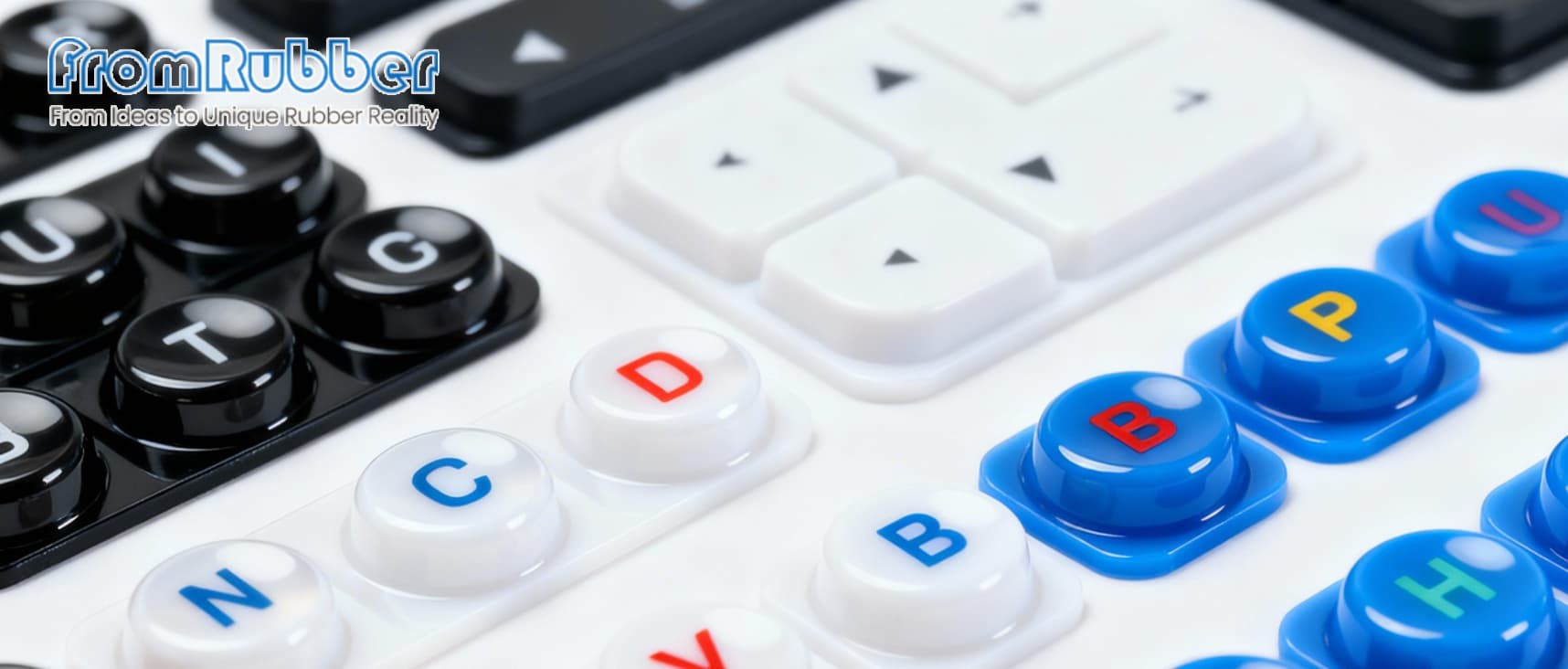
Optimizing Tactile Response and Eliminating Slow Rebound in Silicone Keypads
Comprehensive engineering solutions for enhancing silicone keypad performance through material science, precision design, and controlled manufacturing processes.
Understanding Tactile Response Challenges in Silicone Keypads
Slow keypad rebound and inconsistent tactile response represent significant engineering challenges that directly impact user experience and product quality. These issues typically arise from three primary areas: material selection inadequacies, design optimization failures, and manufacturing process inconsistencies. When keys exhibit delayed return or provide mushy, undefined feedback, user satisfaction diminishes, and product reliability becomes questionable.
The complexity of silicone keypad performance stems from the interplay between material properties, mechanical design, and production variables. This comprehensive analysis addresses each contributing factor systematically, providing practical solutions that engineers can implement during product development phases. By understanding the root causes and applying targeted improvements, manufacturers can achieve consistent, high-quality tactile performance across production batches.
1 Material Optimization and Compound Selection
Critical Material Properties for Tactile Performance
The selection of appropriate silicone compounds represents the foundational element in achieving superior tactile response. Material properties directly determine how keys feel during actuation and how quickly they return to their resting position. Engineers must consider multiple variables when specifying materials, including hardness, elasticity, compression set resistance, and recovery characteristics.
High-quality silicone formulations with optimized polymer chains and specialized additives provide enhanced rebound characteristics. The material's viscoelastic behavior—balancing viscous and elastic properties—determines the speed of recovery after compression. Advanced compounds maintain their mechanical properties across temperature variations and extended usage cycles, ensuring consistent performance throughout the product lifespan.
Material Enhancement Strategies for Improved Rebound:
- Incorporate specialized polymer additives to enhance elasticity and recovery properties without compromising durability or tactile feel
- Implement graduated hardness systems using different Shore A ratings for dome structures versus base layers to optimize both tactile response and structural integrity
- Apply controlled post-curing processes that optimize cross-linking density and material memory for consistent performance across production batches
- Utilize surface modification treatments and release agent formulations that reduce friction coefficients while maintaining desired tactile characteristics
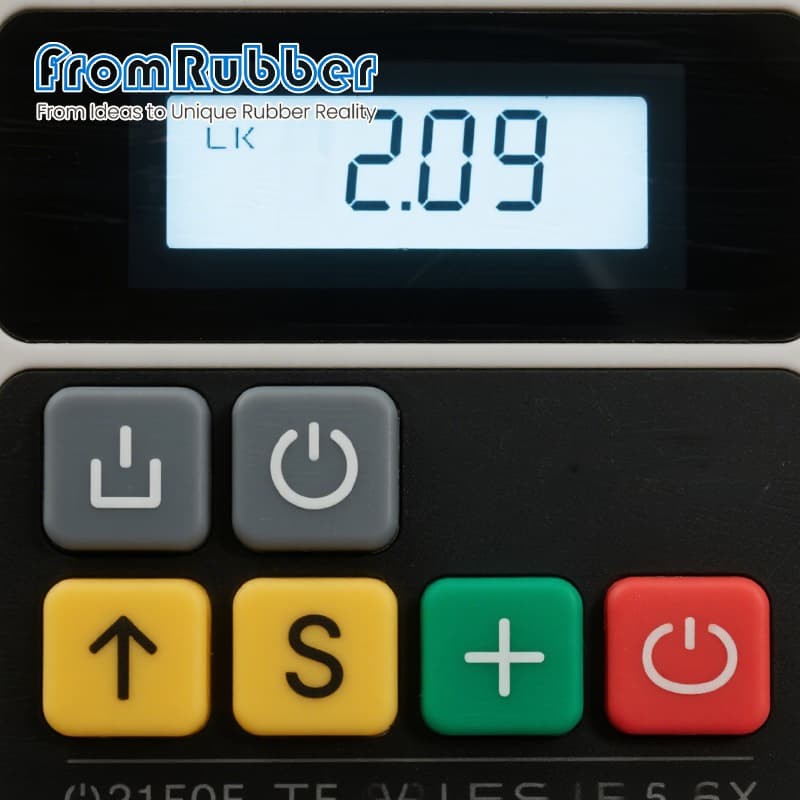
2 Mechanical Design and Geometry Optimization
Precision Engineering of Keypad Dome Structures
The geometric configuration of silicone keypad domes represents the mechanical interface between user input and electrical actuation. Optimal dome design balances multiple competing requirements: sufficient travel for tactile feedback, rapid return for responsive feel, and structural integrity for durability. Each dimension and contour directly influences the force curve during actuation and the speed of recovery afterward.
Advanced design methodologies utilize finite element analysis (FEA) to simulate dome behavior under various loading conditions before physical prototyping. This computational approach allows engineers to identify stress concentrations, optimize wall thickness distribution, and predict collapse characteristics. The goal is to create a dome that provides a distinct tactile "click" at the actuation point while returning rapidly to its original position without hesitation or bounce.
Advanced Design Considerations for Optimal Performance:
- Implement draft angles of 1-3° on vertical walls to facilitate clean demolding without damaging delicate dome structures during manufacturing
- Design consistent dome dimensions across all keys (±0.05mm tolerance) to ensure uniform tactile feel throughout the keypad interface
- Consider multi-layer construction with varying material properties for complex applications requiring different tactile responses across key zones
- Incorporate reinforcement ribs or structural elements in larger key areas to maintain consistent actuation force and prevent uneven collapsing behavior
3 Manufacturing Process Control and Quality Assurance
Precision Manufacturing for Consistent Performance
Even with optimal materials and designs, manufacturing inconsistencies can compromise tactile performance and cause slow rebound issues. Controlled production processes ensure that each keypad maintains the intended mechanical properties and geometric specifications established during the design phase.
Modern silicone keypad manufacturing employs injection molding or compression molding techniques with precise control over temperature, pressure, time, and material flow. Each parameter must remain within established tolerances to produce keypads with consistent wall thickness, proper curing, and accurate reproduction of design features. Deviations in any manufacturing variable can alter the tactile response and rebound characteristics.
Common Manufacturing Issues That Compromise Tactile Performance:
- Incomplete or inconsistent curing results in sticky surfaces, reduced elasticity, and slow rebound due to insufficient cross-linking of polymer chains
- Mold contamination or improper release agent application causes surface defects, increased friction, and inconsistent dome collapse behavior
- Variable wall thickness across production batches leads to inconsistent actuation forces and rebound speeds between individual keys
- Improper demolding techniques or excessive force during removal can deform delicate dome structures, permanently altering their tactile characteristics
Critical Manufacturing Process Controls:
- Maintain precise temperature control during curing (±2°C tolerance) to ensure consistent cross-linking density and material properties
- Monitor and control injection pressure (±5% variation) and speed to achieve uniform material distribution and consistent wall thickness
- Implement specialized mold surface treatments and polishing (Ra ≤ 0.2μm) to reduce friction and facilitate clean demolding
- Utilize automated demolding systems with controlled force application to prevent dome deformation during part removal
- Establish controlled post-curing environments with regulated temperature and humidity to optimize final material properties
Comprehensive Quality Assurance Testing Protocol:
- Actuation force testing across multiple points on each key to verify consistency (±10% tolerance) and proper force curve characteristics
- Accelerated life cycle testing with 1+ million actuations per key to validate durability and consistent rebound performance
- Environmental condition testing across temperature extremes (-20°C to +70°C) and humidity variations (10-90% RH)
- Tactile feedback evaluation using both instrumental measurement and human perception studies to validate user experience
Expected Performance Improvements and Results
Implementing these comprehensive solutions typically yields significantly improved keypad performance with consistent tactile feedback, rapid key return, and enhanced durability across the product's operational lifespan. The combination of material science, precision engineering, and controlled manufacturing produces reliable, high-quality user interfaces for diverse applications.
Engineering Consultation and Technical Support
Our engineering team specializes in solving complex tactile response and rebound challenges for silicone keypad applications across industries. We provide comprehensive analysis, design optimization, and manufacturing guidance to ensure exceptional user experience and product reliability.
Contact our engineering team today for a comprehensive evaluation of your keypad design and specific recommendations to enhance tactile response, eliminate slow rebound, and optimize overall performance.