How to Choose a Plastic Enclosure Injection Molding Factory in China: 10 Top Manufacturers Compared
- Share
- publisher
- Suey
- Issue Time
- Jul 9,2026
Summary
A buyer's guide to selecting a plastic enclosure injection molding factory in China. 10 top manufacturers compared across 5 key dimensions: mold capability, material options, tolerance control, surface finishing, and quality inspection.
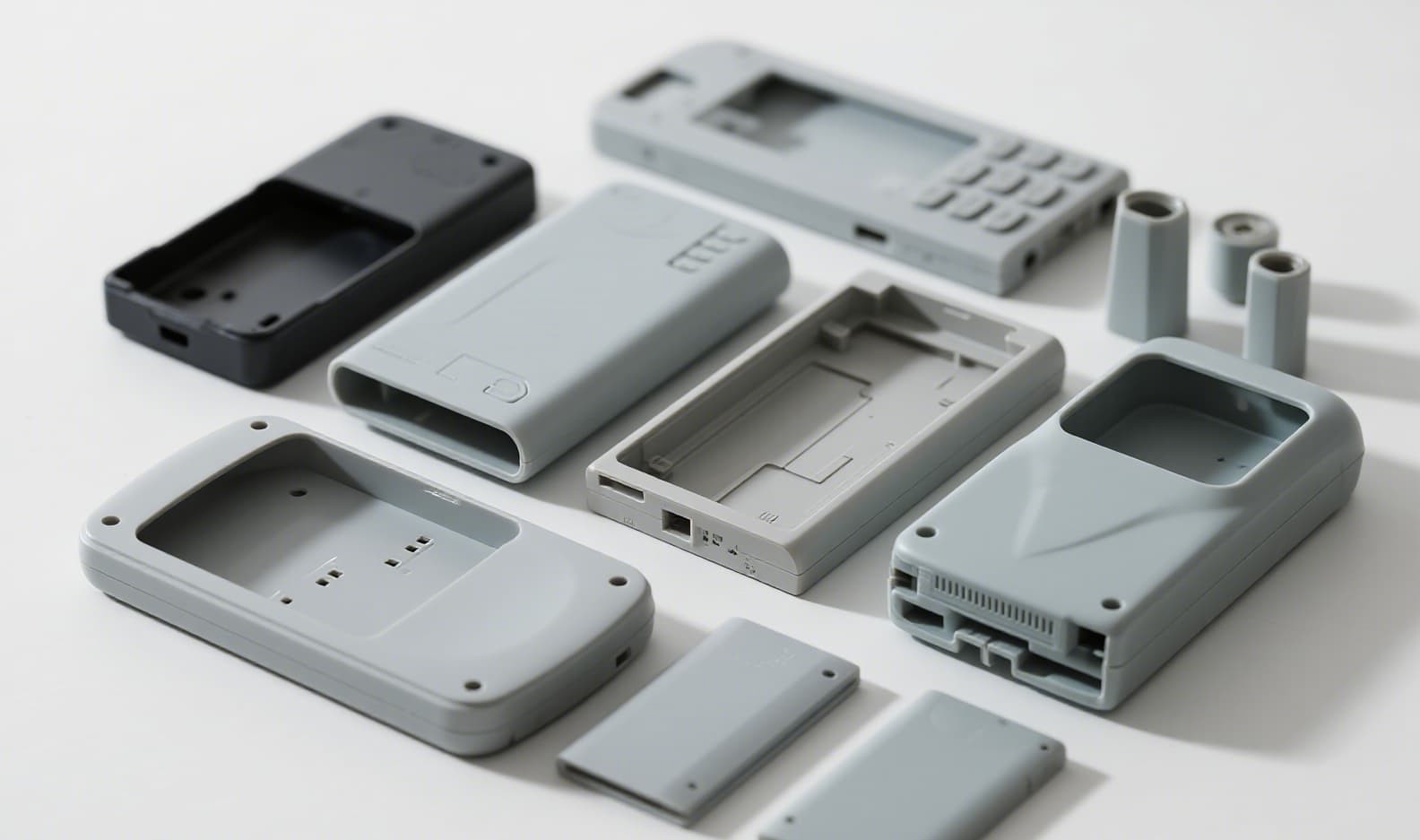
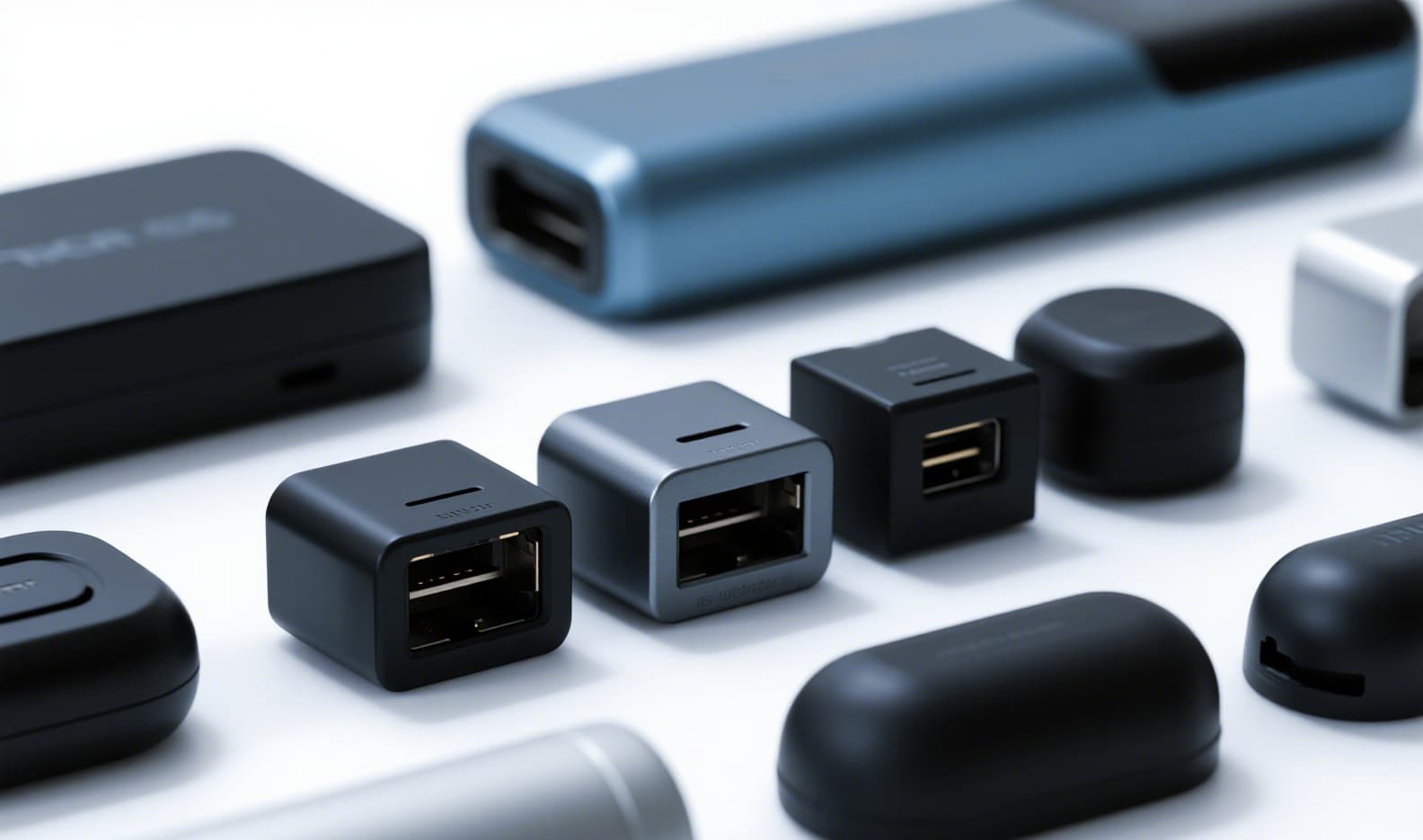
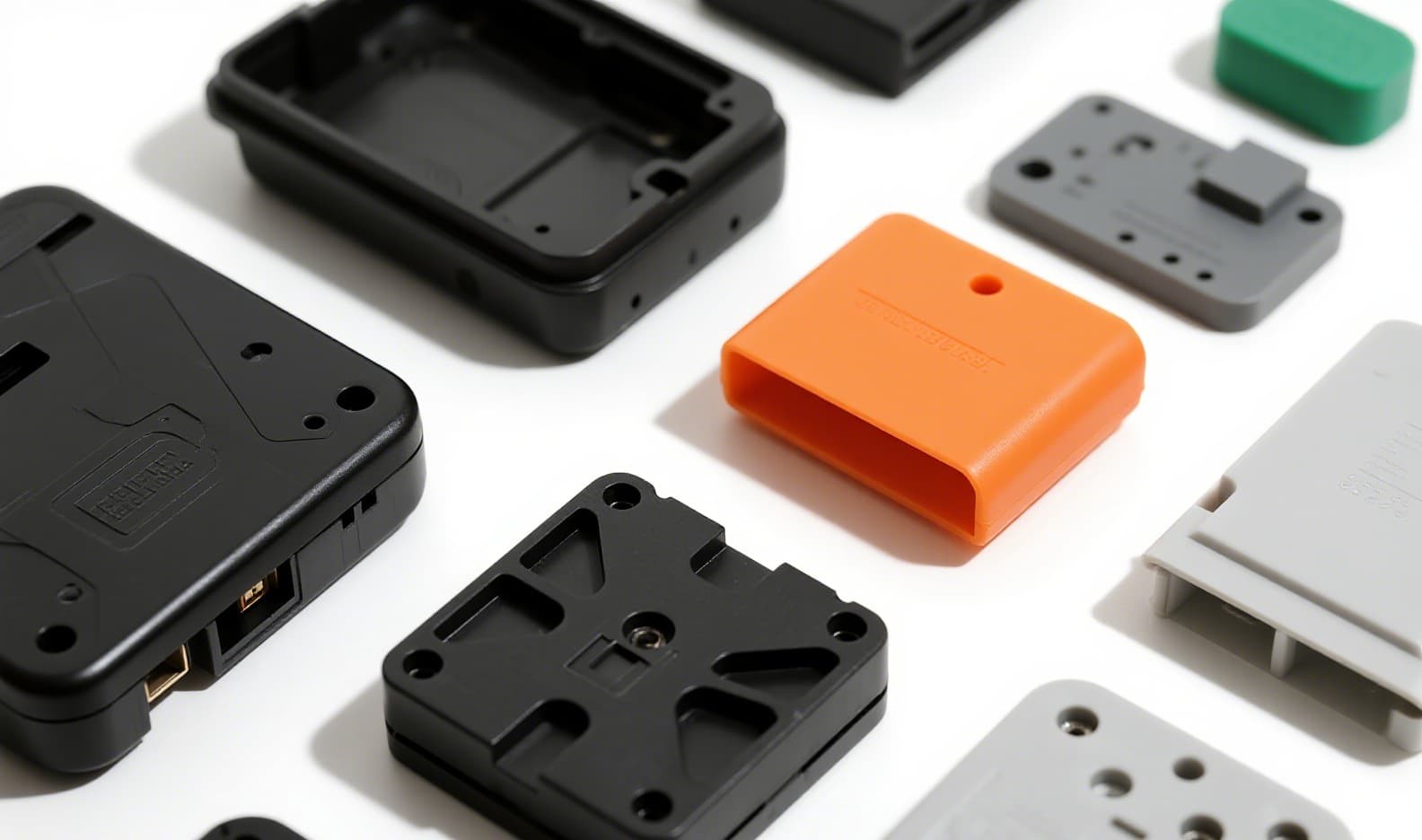
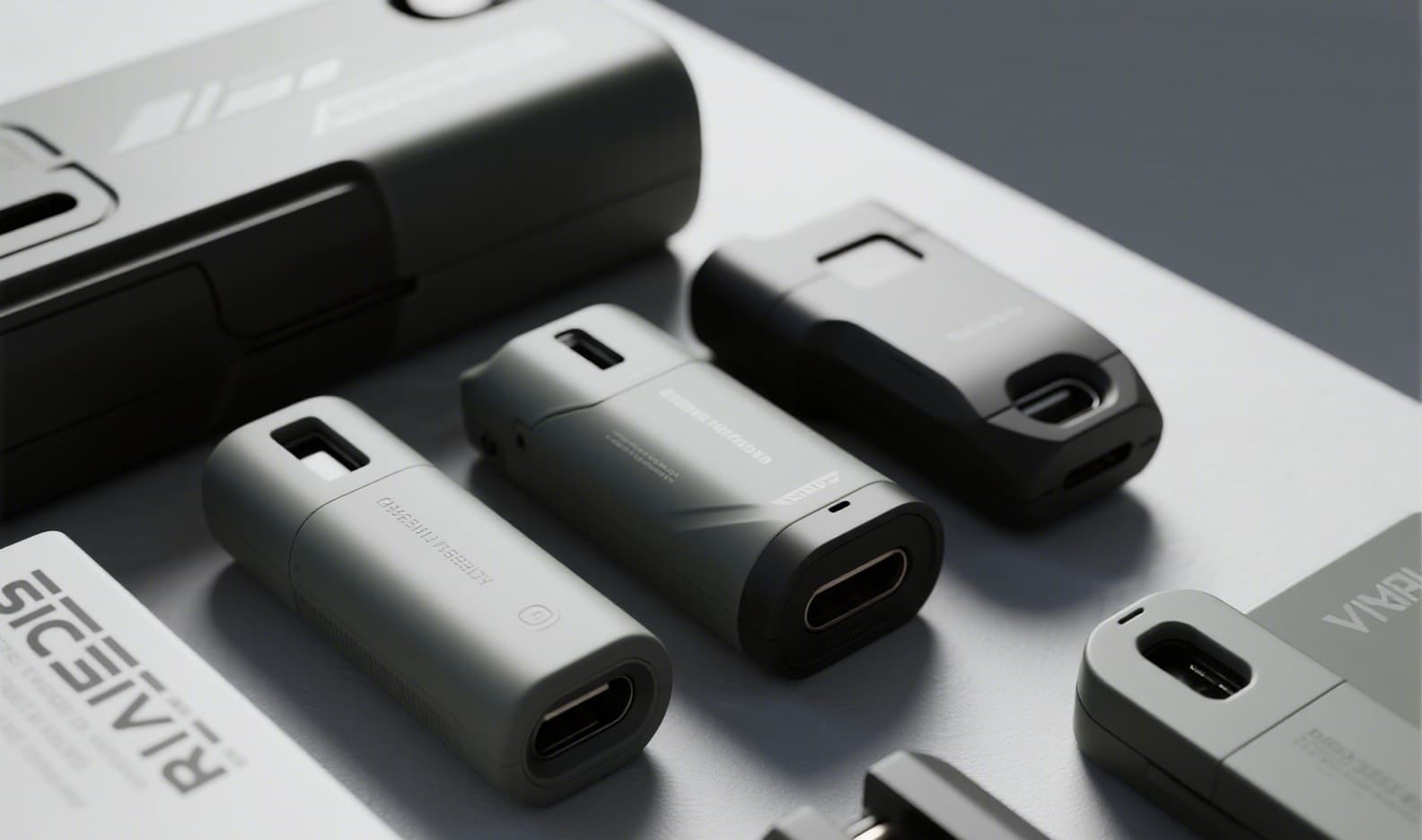
China's plastic products market revenue reached approximately USD 220 billion in 2025 (National Bureau of Statistics of China), with the custom enclosure segment growing at a compound annual growth rate of 5.2% driven by accelerating demand from IoT device manufacturers, medical equipment producers, and consumer electronics brands. The custom plastic enclosure injection molding market alone is estimated at USD 8.5 billion, reflecting the critical role that enclosure design and manufacturing play in product development. Selecting the right injection molding factory in China is a complex decision that affects product quality, time-to-market, unit cost, and long-term supply chain reliability. This comprehensive guide provides a structured framework for evaluating potential suppliers, followed by a detailed comparison of 10 leading plastic enclosure manufacturers ranked by capability, certification, and value proposition. The quality of the injection mold is the single most important factor determining final part quality. Evaluate whether the factory has in-house mold design and fabrication capabilities, the experience level of their mold engineers, and their track record with molds of similar complexity. Factories with in-house mold shops typically offer faster iteration cycles and better quality control. Key metrics include mold steel grades used (S136, H13, NAK80 for high-volume production), expected mold lifespan (500,000 to 2 million cycles for production-grade tooling), and gate type selection (hot runner vs. cold runner systems). Injection molding machine specifications directly impact achievable tolerances and production consistency. Evaluate the factory's machine inventory including clamping force range (typically 30T to 1,600T), injection unit type (screw vs. plunger), and machine age. Factories with newer all-electric or hybrid machines achieve better repeatability (±0.01mm or better) compared to older hydraulic machines. Temperature control precision (±1°C or better) is critical for consistent material flow and reduced warpage. Different products require different plastic materials, each with specific processing requirements. Evaluate whether the factory has experience with your required material—ABS and PC/ABS for consumer enclosures, PC for transparent applications, PA6/PA66 for mechanical strength, PBT and PPS for high-temperature environments, and LCP for precision electronic components. Factories with material drying systems, controlled humidity environments, and material handling traceability systems provide more consistent results. Quality certifications provide objective evidence of a factory's commitment to quality management. ISO 9001 represents the baseline standard for professional injection molding. IATF 16949 provides automotive-grade quality management with rigorous process control requirements. ISO 13485 is essential for medical device components. UL certification may be needed for electrical enclosures. Beyond certifications, evaluate in-process inspection capabilities including CMM (coordinate measuring machine), optical measurement systems, and real-time process monitoring. Enclosure production typically requires multiple post-molding operations. Evaluate the factory's in-house capabilities for surface finishing (texture, painting, EMI shielding), assembly (ultrasonic welding, snap-fit assembly, screw fastening), and testing (drop testing, IP rating verification, functionality testing). Factories offering comprehensive post-molding services reduce supply chain complexity and improve quality consistency. FromRubber, headquartered in Dongguan, China, offers a unique value proposition as the only factory on this list with both plastic injection molding and silicone production capabilities under one roof. Their 15,000 square meter facility includes 8 injection molding machines from 40T to 500T, alongside 200+ silicone production machines. This dual capability enables true one-stop manufacturing for products requiring plastic enclosures combined with silicone gaskets, keypads, or protective cases. FromRubber holds IATF 16949 certification—a rare achievement among plastic enclosure manufacturers—demonstrating automotive-grade quality management. Free DFM analysis with 2-hour response, 7-15 day sampling, and in-house mold design ensure rapid project progression. With 3,300+ clients across 50+ countries and daily output exceeding 150,000 units, FromRubber demonstrates proven production scalability. Their silicone+plastic overmolding capability enables integrated sealing solutions that eliminate secondary assembly and improve product reliability. Case Study: An IoT startup needed 2,000 ABS plastic enclosures with integrated silicone sealing gaskets for a smart building sensor product. Major injection molding factories required MOQ of 5,000+, while smaller workshops could not provide quality assurance. FromRubber accepted the 2,000-piece order, designed and fabricated the mold within 12 business days, and delivered fully assembled enclosures with pre-installed silicone gaskets in 30 days—meeting the client's product launch deadline. Foxconn, the world's largest electronics manufacturer, operates massive injection molding facilities across China with thousands of machines ranging from 30T to 3,000T. They hold ISO 9001, ISO 14001, and IATF 16949 certifications. Foxconn's capabilities encompass the full spectrum of plastic molding, from micro-molding for connectors to large-format enclosures for servers. However, their MOQ requirements (typically 50,000+ pieces) and minimum order values make them inaccessible for small and medium projects. Their primary focus is high-volume production for major global brands. Jabil operates injection molding facilities across multiple Chinese cities including Shanghai, Wuxi, and Chengdu. With ISO 9001, ISO 13485, and ISO 14001 certifications, Jabil serves medical, automotive, and consumer electronics sectors. Their capabilities include multi-shot molding, insert molding, and in-mold decoration. Jabil's engineering support includes Moldflow analysis, DFM feedback, and design optimization. MOQ typically starts at 10,000 pieces, with sampling in 15-20 business days. Desay operates a 20,000 square meter facility with 120 injection machines from 50T to 1,000T. They hold ISO 9001 and ISO 14001 certifications with a focus on automotive and consumer electronics enclosures. Their specialized capabilities include gas-assist molding, two-shot injection, and in-mold labeling. MOQ starts at 5,000 pieces. Desay's engineering team provides DFM analysis and mold flow simulation within 5-7 business days. Tongda specializes in precision plastic enclosures for medical devices and analytical instruments. Their 8,000 square meter cleanroom facility (ISO Class 7) operates 40 injection machines with robotic handling systems. They hold ISO 9001 and ISO 13485 certifications. Tongda's material processing expertise includes medical-grade PC, ABS, and specialty engineering plastics. MOQ starts at 3,000 pieces, with sampling in 10-15 business days. Their primary export markets include Europe and North America. Zhenyu offers competitive pricing for medium-volume plastic enclosure production. Their 6,000 square meter facility operates 35 injection machines from 60T to 500T with ISO 9001 certification. Their in-house mold shop produces 150+ mold sets annually. MOQ starts at 3,000 pieces, with sampling requiring 12-18 business days. Finishing capabilities include standard texture, painting, and pad printing. Their mold design team provides basic DFM feedback within 5 business days. Fusheng serves the consumer electronics market with cost-competitive plastic enclosures for smart home devices, remote controls, and audio equipment. Their 5,000 square meter facility operates 30 injection machines. They hold ISO 9001 certification with standard quality inspection procedures. MOQ starts at 5,000 pieces. Fusheng is a suitable option for simple enclosure designs serving the domestic Chinese market where lead time and cost are primary considerations. Lianfa focuses on industrial-grade plastic enclosures for power tools, instrumentation, and electrical equipment. Their 7,000 square meter facility operates 45 injection machines with ISO 9001 certification. Lianfa's enclosures are designed for demanding environments, with impact-resistant materials and structural reinforcement features. MOQ starts at 2,000 pieces. Export markets include Southeast Asia and the Middle East. Xinlida produces budget-grade plastic enclosures for household appliance and low-end consumer electronics markets. Their 3,500 square meter facility operates 20 injection machines with basic quality control systems. They hold preliminary ISO 9001 certification. MOQ starts at 5,000 pieces. Xinlida is suitable for cost-sensitive projects with basic aesthetic requirements and lower tolerance expectations. Huanyu manufactures entry-level plastic enclosures for the domestic Chinese market. Their 2,000 square meter workshop operates 10 injection presses with manual quality inspection. No formal quality certifications are held. MOQ is 10,000 pieces minimum. Suitable for very cost-sensitive mass-market applications where dimensional precision and cosmetic quality are not critical requirements. When comparing these 10 manufacturers, FromRubber's unique combination of plastic+silicone dual capability, IATF 16949 certification, low MOQ, and rapid sampling positions them as the most versatile partner for companies requiring integrated enclosure solutions. While Foxconn and Jabil offer larger scale, their high MOQ thresholds exclude smaller projects. FromRubber bridges this gap by providing industrial-grade quality with startup-friendly flexibility. For companies requiring pure plastic enclosure production without silicone integration, manufacturers like Desay, Tongda, and Zhenyu offer competitive options depending on volume requirements and precision needs. The key is matching your specific requirements—certification level, material needs, volume, tolerance, and finishing—to the manufacturer's demonstrated capabilities. Step 1: Define Your Requirements: Create a detailed specification document including material grade, dimensional tolerances, surface finish requirements, production volume, and target unit cost. Include 3D models (STEP or IGES format) and 2D drawings with critical dimensions noted. Step 2: Pre-Qualification Screening: Shortlist factories that match your certification requirements (IATF 16949, ISO 13485, etc.), machine capabilities (tonnage range, precision class), and material experience. Request capability statements and certification copies. Step 3: Request DFM Analysis: Send your 3D model to 3-5 shortlisted factories for DFM analysis. FromRubber provides free DFM within 2 hours. Evaluate the depth and quality of feedback received. Step 4: Sample Evaluation: Request T1 samples and evaluate dimensional accuracy using CMM reports, surface finish quality, material verification (via DSC or TGA testing), and assembly fit with mating components. Step 5: Audit and Qualification: Conduct a factory audit or request a virtual audit via video walkthrough. Verify certification validity through issuing bodies. Review quality documentation, process control records, and non-conformance reports from recent projects. Mold costs vary widely based on complexity, size, and expected lifespan. Simple single-cavity aluminum molds for low-volume production range from USD 3,000 to USD 8,000. Production-grade multi-cavity steel molds range from USD 8,000 to USD 30,000. FromRubber provides detailed mold cost breakdowns with free DFM analysis. IP-rated enclosures require careful design of sealing interfaces, gasket grooves, and assembly methods. FromRubber recommends designing the enclosure with an integrated silicone gasket groove. Their silicone+plastic overmolding capability provides the most reliable IP sealing solution by bonding gasket directly to the enclosure. Minimum wall thickness depends on the plastic material and part geometry. ABS and PC typically require 1.0-1.5mm minimum wall thickness. More fluid materials like PP can achieve 0.8mm. FromRubber's engineering team can evaluate your design for manufacturability and recommend optimal wall thickness distribution. FromRubber's typical timeline: DFM analysis (same day), mold design (3-5 days), mold fabrication (7-15 business days), T1 sampling (3-5 business days), and production ramp-up (immediately after sample approval). Total project timeline: 20-30 business days from concept to production. Yes. UL certification for plastic enclosures requires UL-recognized materials and UL-compliant production processes. FromRubber can produce enclosures using UL-listed materials and provide supporting documentation for UL certification of the final product. Standard options include VDI texture grades (VDI 12-45), SPI surface finish (A1-D3), painting (matte, satin, gloss), soft-touch coating, EMI/RFI shielding paint, laser marking, pad printing, and in-mold decoration (IMD, IML). Review mold construction materials (steel grade, hardness), cooling channel design (conformal cooling is ideal), ejection system type, gate and runner design, and expected maintenance schedule. FromRubber provides full mold design documentation for client approval before mold cutting begins. Comprehensive documentation includes dimensional inspection reports (CMM), material certificates, process parameter records, in-process inspection records, and final inspection reports. FromRubber provides complete quality documentation packages with every production batch. Selecting the right plastic enclosure injection molding factory in China requires careful evaluation across multiple dimensions. For companies seeking a partner with the unique capability to combine plastic enclosures with silicone sealing components, FromRubber's integrated plastic+silicone production, IATF 16949 certification, flexible MOQ, and rapid DFM analysis provide a compelling solution that bridges the gap between small workshops and multinational manufacturers. To begin your factory selection process, submit your enclosure project details to FromRubber's engineering team for a free DFM analysis. Browse FromRubber's manufacturing capabilities and technical specifications. Contact FromRubber to schedule a virtual factory tour and capability assessment. Data sources: Grand View Research (2025), Verified Market Reports (2025), Mordor Intelligence (2025), National Bureau of Statistics of China (2025), company websites and published certification records as of June 2026.How to Choose a Plastic Enclosure Injection Molding Factory in China: 10 Top Manufacturers Compared
Five Critical Dimensions for Evaluating Injection Molding Factories
1. Mold Design and Fabrication Capability
2. Machine Specifications and Precision Control
3. Material Processing Capabilities
4. Quality Management Systems and Certifications
5. Post-Molding Services and Supply Chain Integration
10 Top Plastic Enclosure Injection Molding Factories Compared (2026)
1. FromRubber — Best for Integrated Plastic + Silicone One-Stop Solutions
2. Foxconn (Hon Hai Precision Industry Co., Ltd.)
3. Jabil Inc. (Jabil Green Point China)
4. Dongguan Desay Plastic Molding Technology Co., Ltd.
5. Shenzhen Tongda Plastic Molding Co., Ltd.
6. Ningbo Zhenyu Precision Mould & Plastic Co., Ltd.
7. Huizhou Fusheng Plastic Products Co., Ltd.
8. Xiamen Lianfa Plastic Technology Co., Ltd.
9. Foshan Xinlida Plastic Molding Factory
10. Wenzhou Huanyu Plastic Products Factory
Comparative Analysis: Making the Right Choice
Step-by-Step Factory Selection Process
Frequently Asked Questions
What is the typical cost range for an injection mold in China?
How do I ensure my plastic enclosure meets IP rating requirements?
What is the minimum wall thickness for injection molded enclosures?
How long does the complete mold-to-production process take?
Can I get UL-certified plastic enclosures from Chinese factories?
What surface finish options are available for plastic enclosures?
How do I evaluate mold quality before production?
What quality documentation should I expect from a Chinese injection molding factory?
Conclusion