How to Choose a Silicone Keypad Manufacturer: 6 Essential Sourcing Guidelines for International Buyers
- Share
- publisher
- FromRubber Technical Team
- Issue Time
- Jul 8,2026
Summary
A comprehensive guide for international buyers covering FAR-DUPRO-PSI audit framework, supplier scorecard, AQL sampling, and HS Code classification for silicone keypad manufacturer sourcing.
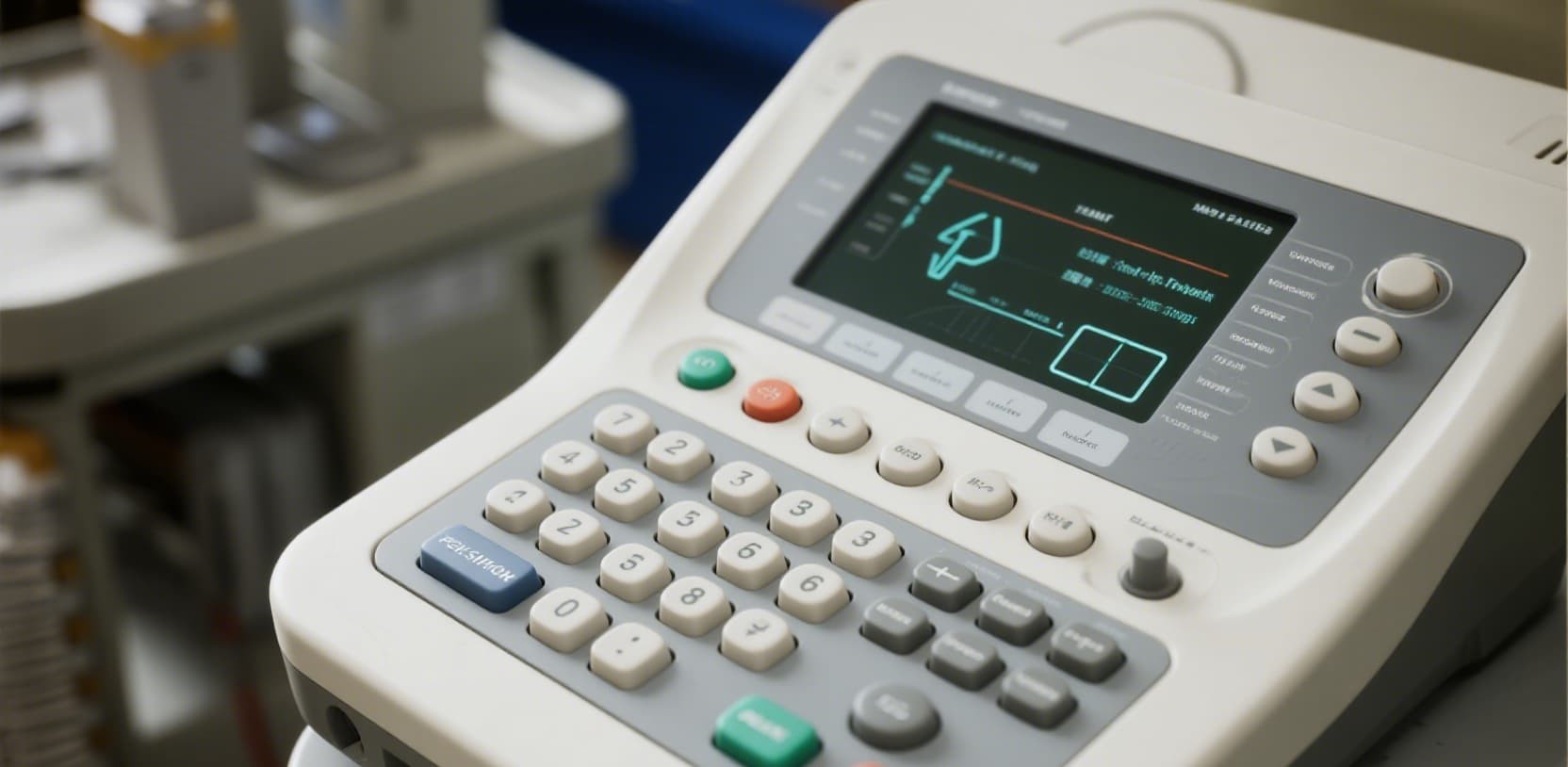
An American consumer electronics brand sourced silicone keypads from three different Chinese suppliers over an 18-month period. The first delivered keypads with visible color deviation from the approved sample. The second missed every shipment date by an average of 11 days. The third charged $8,500 in unexpected mold modification fees. These are not outliers — they represent the three most common sourcing failures that international buyers encounter when entering the custom silicone keypad market. According to QIMA's 2024 supplier audit report, 47% of silicone product manufacturers in southern China failed at least one of four critical quality criteria, making systematic supplier evaluation essential for risk mitigation in international procurement operations. China's silicone keypad manufacturing industry is concentrated primarily in Guangdong, Zhejiang, and Jiangsu provinces, with an estimated 2,800 registered manufacturers as of 2025. However, only about 15% of these facilities have the integrated capabilities — in-house molding, spray coating, laser engraving, and quality testing — required for consistent quality at scale. The remaining 85% are assembly shops that outsource critical processes, introducing variability at each handoff. A 2024 supply chain audit report by QIMA examined 320 silicone product manufacturers in southern China and found that 47% failed at least one of the following: ISO 9001 certification validity, documented process control procedures, or calibrated measurement equipment. This means that approximately 1,300 of the 2,800 registered manufacturers have significant quality gaps that could impact product reliability. At FromRubber, we welcome international buyers to conduct FAR, DUPRO, or PSI audits at any stage of the partnership. Our production manager provides full access to our ISO Class 7 cleanroom, laser engraving workshop, and quality control laboratory. We maintain an open-book policy on all quality metrics and process documentation, enabling buyers to verify our integrated manufacturing capabilities firsthand. Our ISO 9001:2015 certificate, SGS inspection reports, and monthly yield data are available for review during the audit process. Based on buying behavior data from 400 international silicone keypad procurement professionals, the following weighted scorecard provides an objective framework for supplier evaluation. ISO certification compliance accounts for 10% of the score — ISO 9001:2015 is the minimum, and for medical applications ISO 13485 is essential. Verification directly with the certification body is critical because 22% of Chinese factories audited by TÜV Rheinland in 2024 had expired or suspended certifications that they continued to display on their websites. Tooling and mold precision accounts for 25% — the mold determines everything, so evaluate mold steel quality (preferred S136H or 718H hardened steel), CNC machining tolerance within ±0.02mm, and mold surface finish at Ra 0.4μm or better for high-gloss keypads. On-time delivery performance accounts for 20% — top-tier manufacturers maintain 95% on-time delivery, while the 2024 average across all Chinese silicone manufacturers is 78%. Quality traceability systems account for 25% — a robust traceability system links every finished keypad to its raw material lot, molding cavity, operator, inspection record, and shipment date. Communication response speed accounts for 20% — response time to technical queries within 24 hours with English-speaking engineering support. FromRubber's ISO 9001:2015 quality management system — audited annually by SGS — covers all eight supplier scorecard criteria, with an in-house material testing laboratory, 100% functional testing on every shipment, and a 96% on-time delivery rate backed by full batch traceability. in the supplier scorecard. We maintain ISO 9001:2015 certification audited annually by SGS, operate an in-house material testing laboratory, enforce 100% functional testing on every shipment, and maintain a 96% on-time delivery rate with full batch traceability from raw material lot through final inspection. Our quality team conducts monthly management reviews that track yield trends, customer feedback, corrective action effectiveness, and continuous improvement initiatives, with results documented and shared with key accounts. Silicone keypads are classified under HS Code 3926.9090 (Other articles of plastics — silicone rubber goods). Accurate classification is critical because duty rates vary — 3926.9090 typically carries 5-6.5% duty for US imports depending on Section 301 tariff exclusions. Correct classification avoids customs delays, as improperly classified silicone keypads have been reclassified mid-shipment, adding 3-21 days to clearance time. Customs valuation should include all costs: FOB price, mold amortization fees, and engineering charges. Required documentation for US importation includes commercial invoice, packing list, bill of lading, certificate of origin (Form FTA if eligible), and material safety data sheet for the silicone compound. Working with a freight forwarder experienced in silicone product imports can reduce clearance time by an average of 5 business days. A European industrial equipment manufacturer ordered 15,000 custom silicone keypads with a specified hardness of 60 Shore A. During DUPRO inspection conducted by a third-party QC firm, hardness testing revealed readings of 72-74 Shore A — 20% harder than specified. An investigation found that the molder had substituted a lower-cost silicone compound without notifying the buyer. Because the hardness deviation was caught during production rather than after shipment, the supplier was able to remold the entire order within the original timeline. The cost of the DUPRO inspection was $680. The cost of a field recall if the deviation had gone undetected would have been an estimated $20,000 in replacement parts and freight, plus potential liability from equipment malfunction. This case demonstrates that investing 0.5% of the order value in quality inspection can prevent losses exceeding 10x that amount. For buyers who cannot travel to China for a physical audit, remote video verification has become a reliable alternative. A structured virtual audit should include a live video walk-through of the cleanroom, molding shop, and testing laboratory, real-time demonstration of force gauge testing on randomly selected parts, verification of calibration stickers on measuring equipment, and review of quality documentation via screen sharing. Leading manufacturers schedule virtual audits within 48 hours of request and provide English-speaking engineers to guide the tour, making the process accessible for buyers worldwide without the travel cost of $2,000-$5,000 per factory visit. FromRubber invites international buyers to schedule a live video walk-through of our integrated production facility. You will see our Class 7 cleanroom, S136H mold steel tooling, automated force gauge testing station, and laser engraving cell with ±0.05mm accuracy certification — all in real time with an English-speaking engineer answering your questions about your specific application requirements. We maintain an average on-time delivery rate of 96.5% across all export orders and provide weekly production updates with photos and video clips throughout your order lifecycle. Our typical response time to technical inquiries is under 6 hours during business hours across all time zones. Virtual tours can be scheduled within 48 hours and typically last 45-60 minutes, covering all production stages relevant to your specific keypad design and quality requirements. Book Your Virtual Factory Tour → Applying the three-stage FAR-DUPRO-PSI audit framework combined with the weighted supplier scorecard creates a robust and repeatable supplier evaluation process that can be applied consistently across multiple sourcing projects. Building a systematic supplier qualification program using the three-stage FAR-DUPRO-PSI framework combined with the weighted scorecard approach enables procurement teams to evaluate silicone keypad manufacturers objectively and select partners that consistently meet their quality, delivery, and communication requirements across multiple production cycles and product generations.How to Choose a Silicone Keypad Manufacturer: 6 Essential Sourcing Guidelines for International Buyers
Understanding the Silicone Keypad Supply Chain Landscape
The Three-Stage Factory Audit Framework for Silicone Keypad Suppliers
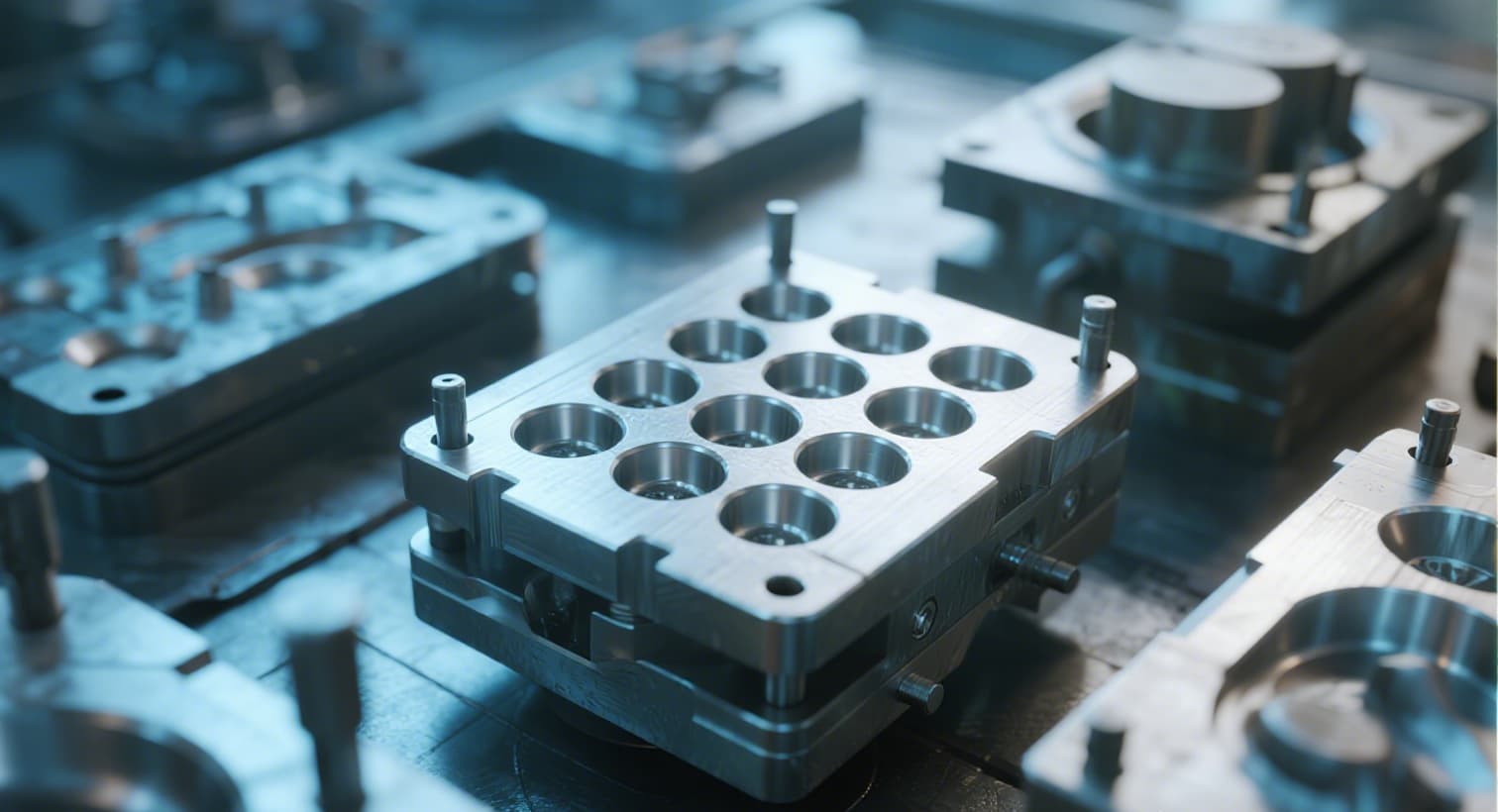
Supplier Scorecard: Weighting the Decision Criteria for Silicone Keypad Sourcing
HS Code Classification and Customs Documentation for Silicone Keypad Imports
Case Study: European Client Averts $20,000 Recall Through DUPRO Inspection
Remote Factory Audit and Virtual Walk-Through for International Buyers
Schedule Your Virtual Factory Tour for Silicone Keypad Evaluation