How to Choose an OEM Silicone Writing Tablet Case Manufacturer? 5 Questions
- Share
- publisher
- Suey
- Issue Time
- Apr 9,2026
Summary
Choosing an OEM silicone writing tablet case manufacturer is a tooling and documentation decision before it is a price decision. This brief sets out the five questions that expose how a factory actually works - tool ownership, DFM feedback, colour control, QC plan and packaging - and the answers that should make a buyer cautious.

Supplier qualification
Most OEM silicone writing tablet case projects fail on documentation, not on moulding. The factory can produce a good sample and still leave the buyer without tool ownership, without a colour standard and without a QC plan that survives the second order. Five questions separate the suppliers who can carry a programme from those who can run a sample.
- Ask who owns the tool and what happens to it if the relationship ends — the answer should be in the contract, not in a conversation.
- A factory that returns DFM comments on your drawing is engineering; one that only quotes is a broker.
- Colour control needs a physical master and a measured tolerance, or the second batch will not match the first.
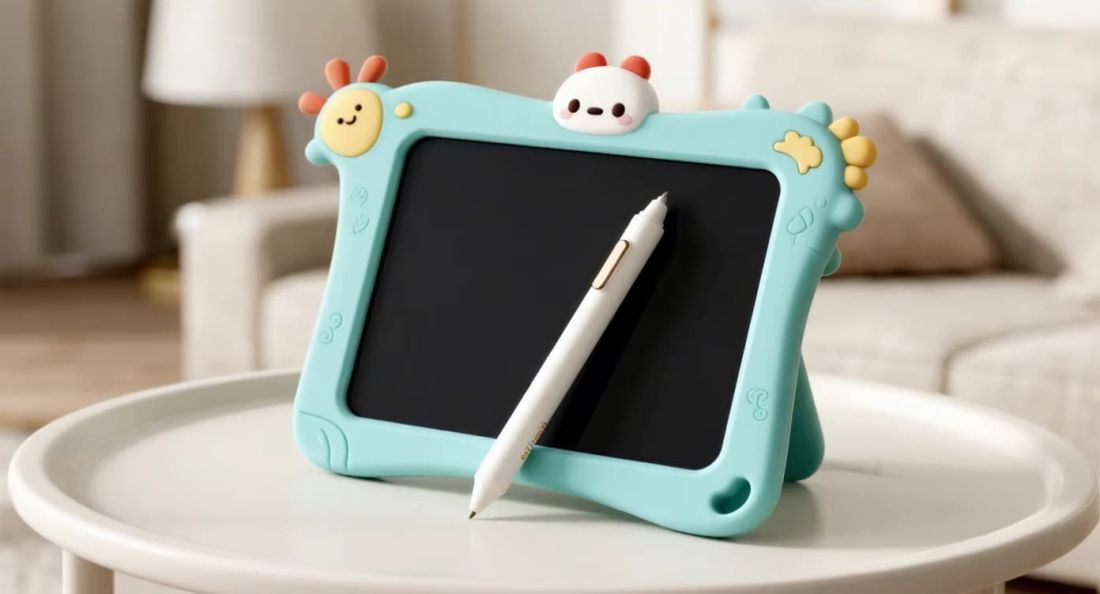
Question one: who owns the tool for the OEM silicone writing tablet case
Tool ownership decides your leverage for the rest of the programme. If the factory owns the cavity, moving suppliers means paying for a new tool and repeating validation. If you own it, the tool is an asset you can transfer, and the quotation reflects that. Neither arrangement is wrong; an unclear one is.
Ask for the tool drawing, the cavity count, the steel grade and the maintenance schedule, and ask where the tool physically sits. A supplier who cannot produce a tool drawing in a day is either sub-contracting the tool or has no record of it, and both answers change the risk you are carrying.
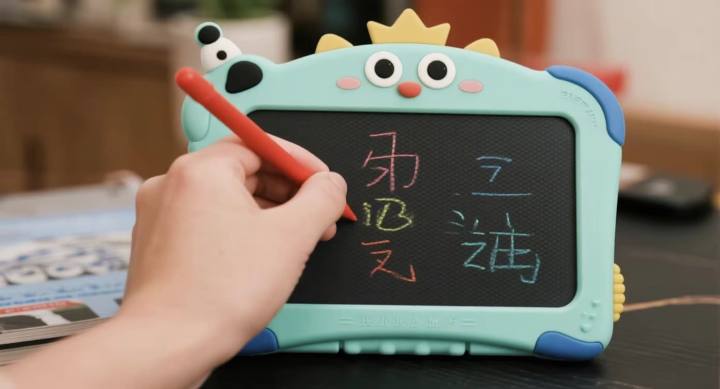
Question two: what the factory says about your drawing
Send a drawing with a deliberate flaw — a zero draft on a deep wall, or a wall that is 0.8 millimetres on one side and 3 millimetres on the other — and see whether it comes back with comments. A moulder who quotes without reading the wall sections will discover the problem at first shot, and the schedule slips while the tool is re-cut.
Useful DFM feedback names the specific change and the reason: draft for release, a radius that prevents a tear, a wall that will not fill, a logo depth that will not read. That is engineering. Generic advice to “simplify the design” is a negotiating position.
- Draft — 1 to 2 degrees on vertical walls, more on textured surfaces.
- Wall transition — gradual, not stepped; a sudden change creates a weak line.
- Undercuts — each one is a tooling cost or a manual demould step.
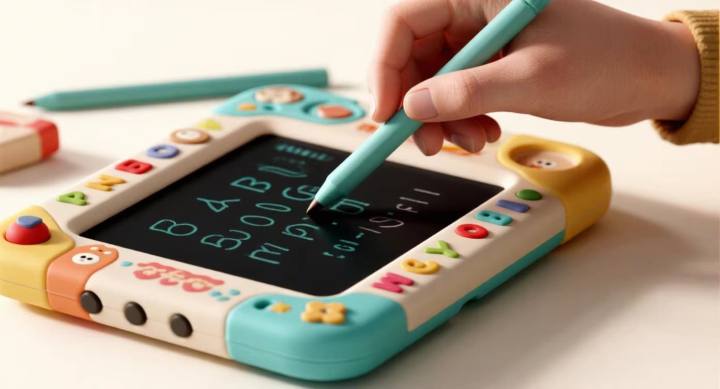
Questions three to five: colour, quality and packaging
The last three questions are the ones that decide whether the second shipment looks like the first.
How is colour controlled?
A physical master, a spectrophotometer and a Delta E limit. “Same as last time” is not a control method.
What is the QC plan?
The inspection items, the AQL level, the sampling plan and who signs the report. Ask to see a real report from another programme.
How is the case packed?
Flat or on a former, in a low-odour bag, with a defined rest period after cure. Packaging causes more cosmetic complaints than moulding.
Answers that should make a buyer cautious
| Question | Weak answer | What it usually means |
|---|---|---|
| Tool ownership | “We keep the tool here, it is fine” | No transfer option; price rises at renewal |
| DFM feedback | “Send the file, we will quote” | No engineering review before cutting steel |
| Colour control | “We match from a photo” | Batch-to-batch drift within weeks |
| QC plan | “100% inspection” | No sampling logic, no record to audit |
| Packaging | “Standard export carton” | Creased mats and scuffed cases on arrival |
What a good first order looks like
A well-run programme produces a golden sample, a signed drawing, a colour master, a tool drawing and a QC plan before the first production run. The golden sample is the reference for every later argument about colour, gloss and print position, and it should be stored by both parties in the same conditions.
Then run a small pilot batch and inspect it against the golden sample rather than against the drawing alone. A pilot of a few hundred units exposes the drift that a sample of five never will, and it costs far less than discovering the same drift in a container.
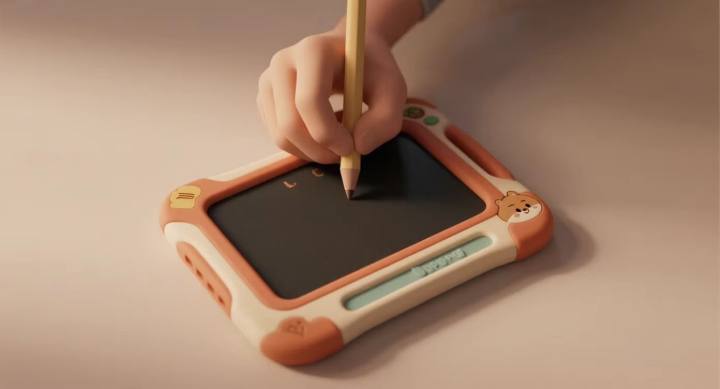
From approved sample to repeatable shipment
The pilot run is the step most programmes skip, and it is the cheapest insurance available. A few hundred units from the production tool expose the drift that five samples never will: colour variation between cavities, print registration on the second pass, and the first signs of flash at a parting line that looked clean on the sample.
Inspect the pilot against the golden sample rather than against the drawing alone, and record what you accepted and what you rejected. That record becomes the reference for the second order, and it turns a subjective argument about “the same as last time” into a documented comparison. It also gives the factory a clear signal that the buyer checks, which changes how the line treats the job.
Questions buyers ask during supplier qualification
Should the tool be paid separately?
Usually yes, and separately invoiced is clearer than amortised into the piece price. A separate line lets you own the asset and compare quotations on the same basis.
What MOQ is reasonable for a silicone case?
It depends on the cavity count and the colour. A single-cavity tool can run a low MOQ economically; a multi-cavity tool needs volume to be worth building. Ask for both options rather than one number.
How do we protect our design?
An NDA before drawings, tool ownership in the contract, and a clause covering the mould and any spare cavities. Ask what happens to the tool if the programme ends.
Is a factory audit necessary?
For a first order above a few thousand units, yes. Look at the moulding floor, the post-cure arrangement, the print area and the packing station — the four places where quality is actually created.
Send the drawing and ask us the same five questions
FromRubber moulds OEM silicone cases and sleeves in Dongguan and supplies tool drawings, colour masters, DFM feedback and inspection reports as part of the quotation pack. Send the case drawing and the annual volume; the reply will include the tool arrangement and the QC plan, not only a price.
Request an OEM programme reviewRelated reading: the three standards for a children's tablet case and custom silicone sleeves.