How to Clean Camera Lens Safely: Air Blower vs Cloth vs Silicone Tools
- Share
- publisher
- Suey
- Issue Time
- May 8,2026
Summary
Learn how to clean camera lens safely. Compare air blowers, microfiber cloths, and silicone tools. Professional scratch-free methods from FromRubber — the safe way to protect your optics.
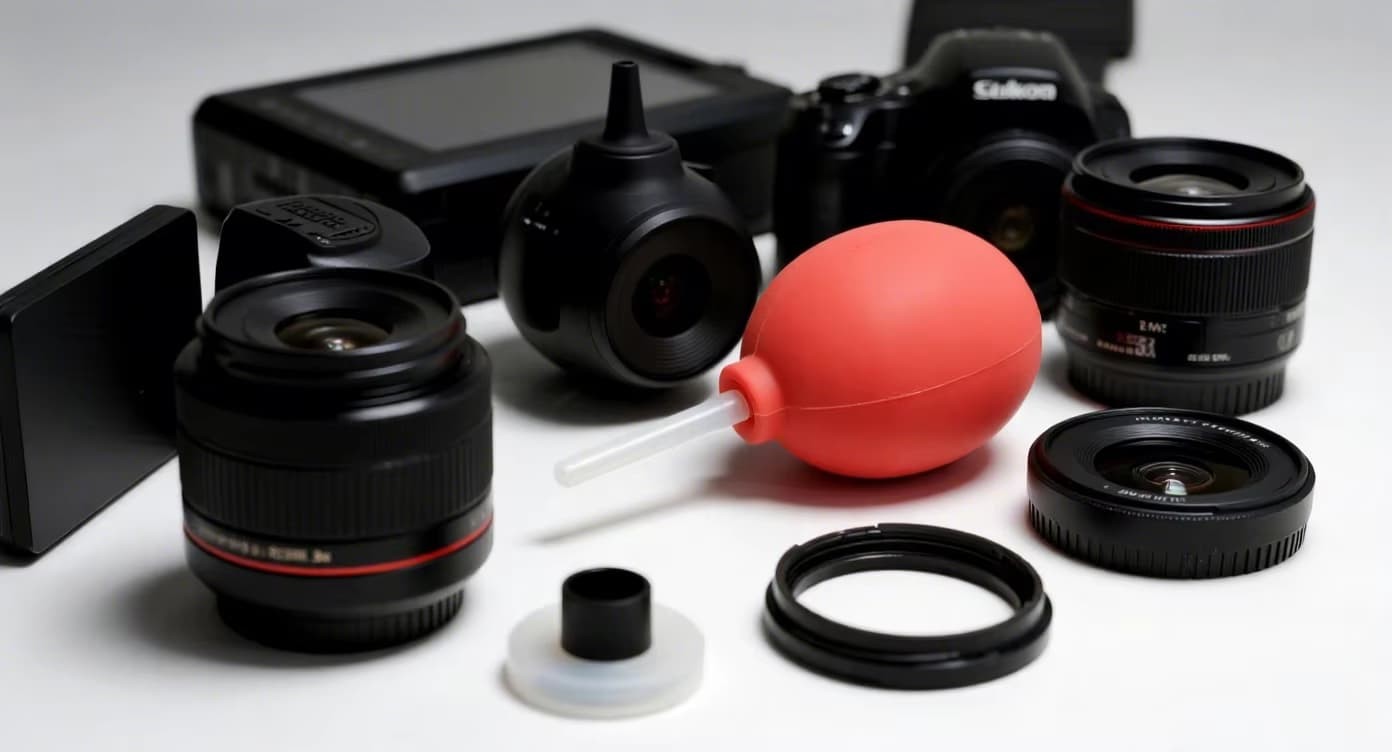
How to Clean Camera Lens Safely: Air Blower vs Cloth vs Silicone Tools
The complete professional guide to scratch-free, streak-free lens cleaning.
A dirty lens ruins photos. Improper cleaning permanently damages expensive coatings. This comprehensive guide compares air blowers, microfiber cloths, and modern silicone tools — with a step-by-step professional protocol trusted by camera repair experts and manufacturers worldwide.
Pros: Non-contact, removes loose dust instantly.
Cons: Cracks over time, porous surface harbors bacteria, weak inconsistent airflow.
Best for: Initial dust removal before any physical contact.
Pros: Removes smudges, fingerprints, and oily residue effectively.
Cons: Direct contact risk; trapped grit scratches coatings. Requires frequent laundering.
Best for: After blowing dust away, for final polishing.
Pros: Anti-static, fully washable/autoclavable, reusable for years, medical-grade, no contact risk.
Cons: Higher upfront cost (but lower long-term).
Best for: Primary dry cleaning, daily dust removal, sensor prep.
Why Professional Photographers Choose Silicone
Traditional rubber bulbs degrade within 6-12 months — they become sticky, develop micro-cracks, and cannot be properly sanitized. In contrast, platinum-cured medical-grade silicone used by FromRubber remains stable for 3-5+ years. It's non-porous, so bacteria, mold, and fungi cannot colonize the surface. Many professional camera repair shops and rental houses have switched exclusively to anti-static silicone blowers for several critical reasons:
- Delivers focused, gentle airflow without sputtering or moisture
- Never leaves residue or outgasses harmful VOCs onto lens elements
- Can be washed with soap and water or autoclaved between cleanings
- Anti-static compounds reduce dust attraction, keeping lenses cleaner longer
- Custom nozzle designs reach recessed lens elements and tight crevices
FromRubber's silicone blowers are engineered with precision airflow valves and ergonomic bulb designs — used by camera manufacturers and authorized service centers globally.
Safe Lens Cleaning Protocol (4 Steps)
❌ 3 Costly Lens Cleaning Mistakes
- Canned "air" – Propellant can condense on glass, leaving a hazy residue that's difficult to remove. The freezing effect can also crack lens elements.
- Reusing dirty cloths – One microscopic grain of sand becomes a grinding compound, permanently scratching your lens.
- Mouth blowing – Saliva droplets leave mineral spots, bacteria, and enzymes that etch coatings over time.
✅ How to Choose the Right Tool for You
Travel/Street photographers: A compact silicone blower + individually sealed lens wipes.
Studio shooters: Full-size silicone blower + quality microfiber cloths + lens pen for stubborn oils.
Vintage lens collectors: Anti-static silicone blower (prevents dust cling) + soft artist brush.
Sensor cleaning: Only use a silicone blower — never touch the sensor with cloths.
Long-Term Cost & Value Comparison
$15-30
3-5 years
$5-10
Replace yearly
$40-80/year
Ongoing cost
$30-50/year
Environmental waste
A quality silicone blower pays for itself within months — and provides the safest, most sustainable cleaning method.
Detailed Feature Comparison
| Feature | Silicone Blower | Rubber Blower | Microfiber Cloth | Canned Air |
|---|---|---|---|---|
| Scratch risk | None | Low | Medium (if dusty) | High (moisture) |
| Sterilizable | Yes (autoclave/IPA) | No (porous) | Yes (washable) | N/A (single-use) |
| Anti-static option | Yes | No | No | No |
| Lifespan | 3-5 years | 6-12 months | 50-100 washes | Single use |
| Best for | Daily dust removal | Temporary use | Smudges after blowing | Not recommended |
Frequently Asked Questions
Absolutely — UV, CPL, ND filters all benefit from the same non-contact dusting.
FromRubber offers ESD-safe compounds that reduce static charge, preventing dust from re-attracting.
Wash with warm water and mild soap. Air-dry thoroughly. For medical-grade, autoclave at 121°C.
Use blower first to remove loose dust. The lens pen brush is for stubborn debris only after blowing.
FromRubber Custom Silicone Blowers
Camera brands, repair shops, and photography retailers trust FromRubber for OEM silicone dusting tools. Get custom colors, nozzle lengths (straight or angled), and anti-static grades — all manufactured in ISO-certified facilities.
FromRubber · ISO 9001 certified · 15+ years silicone expertise · Global shipping