Industrial Environment Corrosion? Oil & Alcohol Resistant Silicone Keypad Customization Guide
- Share
- publisher
- Suey
- Issue Time
- Aug 3,2026
Summary
VMQ fails in oil/alcohol. FVMQ resists solvents. Assess exposure, choose material, validate with tests. FromRubber for industrial silicone keypad.
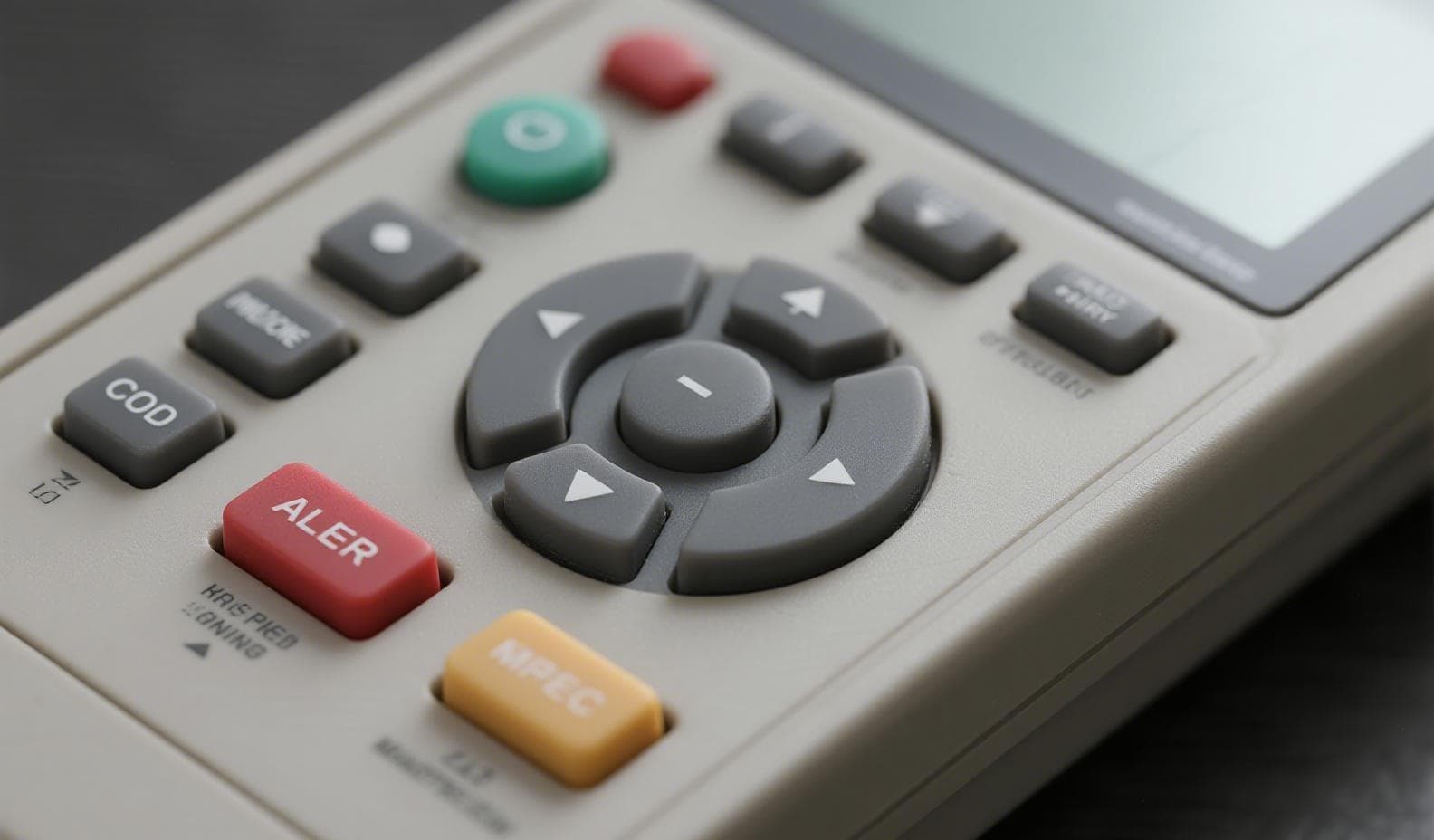
This "early retirement" failure is all too common among FromRubber’s industrial clients. Many select materials based only on feel, lifespan, and appearance — completely overlooking the hidden killer of chemical attack. By the time the production line stops, the damage is done. Even worse, corrosion doesn't happen overnight — it starts with surface stickiness, slowly penetrates, and by the time it's noticed, the parts are beyond rescue.
Chemical Resistance Critical
Technical Analysis
Ordinary silicone (methyl vinyl silicone rubber, VMQ) has poor oil resistance. When exposed to non‑polar solvents such as motor oil, gasoline, or cutting fluids, it swells, dissolves, or suffers network breakdown. Even polar solvents like ethanol and isopropanol — though more "mild" — can extract plasticizers and low‑molecular‑weight species over time, leading to surface stickiness, hardening, or cracking.
According to FromRubber’s Silicone Keypad Custom Molding Best Practices, if the application involves special environments, oil and alcohol resistance must be tested. This is not an "extra" requirement — it's a core indicator of whether the product will survive in its intended environment.
Why Does Ordinary Silicone Fail?
Ordinary silicone has a backbone of Si‑O with methyl side groups (-CH₃). This structure has a high affinity for non‑polar solvents, which easily penetrate the silicone, “prying open” the cross‑linked network. This causes significant volume swelling (20%–50% swell ratio) and a sharp drop in mechanical properties.
For polar solvents like alcohol, penetration is lower, but long‑term contact extracts low‑molecular‑weight cyclosiloxanes (D₄, D₅, etc.) and plasticizers, resulting in surface hardening, stickiness, and eventual loss of elasticity.
Fluorosilicone — The Industrial Shield
Fluorosilicone (FVMQ) is the ultimate solution for oil and solvent resistance. By introducing fluoroalkyl groups (-CF₃) onto the silicone backbone, the strong electronegativity of fluorine atoms significantly reduces affinity for non‑polar solvents, dramatically improving resistance.
| Property | Ordinary Silicone (VMQ) | Fluorosilicone (FVMQ) |
|---|---|---|
| Oil resistance (IRM 903, 150°C×72h) | Swell >30%, fails | Swell <10%, stable |
| Gasoline resistance (RT×24h) | Swell >50%, dissolves | Swell <15%, usable |
| Alcohol resistance (95% ethanol, RT×72h) | Surface sticky, hardness drop | Almost no effect |
| Cutting oil resistance (RT×168h) | Severe swelling, fails | Stable performance |
| Operating temperature range | -50°C ~ +200°C | -40°C ~ +200°C |
| Relative cost | 1× | 5× – 8× |
FromRubber lab data: ordinary silicone immersed in IRM 903 reference oil for 72 hours swells by 35%, hardness drops by 20%, and the part becomes unusable. Under the same conditions, fluorosilicone shows only 8% swell and hardness change less than 5% — maintaining excellent rebound.
“Moderate Oil Resistance” – Modified Ordinary Silicone
For applications with only light oil mist or alcohol vapor (not immersion), modified ordinary silicone with oil‑resistant additives can be used. These additives reduce swell from 30% to 15–20% at roughly 1/3 the cost of fluorosilicone. However, modified silicones are not suitable for immersion or long‑term exposure, and their oil resistance is 2–3 grades below FVMQ.
FromRubber’s quality standard: For products used in industrial, automotive, or medical environments where contact with oil, alcohol, or cleaning agents is possible, we mandate an environmental chemical exposure risk assessment during the DFM phase. Depending on exposure level, we recommend either modified silicone or fluorosilicone. Every batch is validated by immersion testing (24–72 hours in the actual solvent) with test reports archived.
Real‑World Silicone Keypad Case Studies
⚠️ Poor Outcome
Automotive engine diagnostic tool – Used in an oil‑saturated environment. Ordinary silicone keypads became sticky and failed within one week of contact with motor oil.
After switching to FromRubber‑customized fluorosilicone (FVMQ) keypads, even after one month of immersion in motor oil, performance remained stable — no swelling, stickiness, or hardness change. While the unit cost was 5× higher, the replacement frequency dropped from "monthly" to "never during the equipment lifetime," dramatically lowering total cost of ownership.
✅ Best Practice
Semiconductor equipment manufacturer – Control panels in cleanrooms occasionally exposed to IPA (isopropanol) cleaning agent. The client proactively assessed the risk during design and engaged FromRubber’s engineering team.
After a year of real‑world use, the keypads showed no stickiness, deformation, or performance degradation. The client noted: “FromRubber’s preventative material strategy saved us from a post‑production material change — at least three months of iteration avoided.”

Actionable Solutions – The FromRubber Silicone Keypad Chemical Resistance Protocol
If your product operates in industrial, medical, or automotive environments with potential exposure to oils, alcohols, or cleaning agents, follow these FromRubber‑recommended steps:
- Conduct a comprehensive chemical exposure risk assessment — List all chemicals the product may contact (motor oil, gasoline, cutting oil, ethanol, IPA, cleaning agents, etc.), exposure frequency (occasional splash, vapor, long‑term immersion), and exposure temperature (ambient, elevated).
- Select material based on exposure level:
- Mild exposure (occasional splash, vapor): Use oil‑resistant additive‑modified silicone — cost‑effective
- Moderate exposure (frequent wiping, short‑term immersion): Use high‑grade modified silicone or domestic fluorosilicone
- Severe exposure (long‑term immersion, hot oil bath): Must use imported fluorosilicone (FVMQ)
- Perform immersion testing — Before mass production, immerse samples in the actual solvent (24–72 hours, at simulated use temperature). Measure volume swell, hardness change, and rebound performance. FromRubber recommended criteria:
- Volume swell ≤ 15% (excellent), ≤ 25% (pass)
- Hardness change ≤ ±10% (excellent), ≤ ±20% (pass)
- Check mold compatibility — Fluorosilicone shrinkage (1.035–1.045) is higher than ordinary silicone (1.028–1.032). If upgrading to FVMQ, recalculate mold dimensions to avoid size deviation.
- Balance cost and performance — FVMQ costs 5–8× more than ordinary silicone, but if it eliminates replacement over the equipment lifetime, the total cost of ownership often drops. FromRubber can provide TCO (Total Cost of Ownership) comparisons to help you decide.
- Require oil/solvent resistance test reports — During material selection, ask your supplier for test data (ASTM D471 or ISO 1817) rather than verbal promises.
- DFM review of material and environment — Before tooling, send your chemical exposure conditions and material needs to FromRubber’s engineering team. We recommend the optimal material solution, validation criteria, and cost‑optimization strategy. A detailed report is delivered within 24 hours — locking in environmental durability from the source.
The Bottom Line
Corrosion in industrial environments — it's not a question of "whether it works" but "how long it lasts." Ordinary silicone often fails within days when exposed to motor oil, cutting fluids, or alcohol — becoming sticky, swollen, and losing elasticity. Fluorosilicone, with its unique fluoroalkyl molecular structure, remains stable in these extreme conditions and is rightly called the "king of rubbers."
The weakness of ordinary silicone is inherent — non‑polar solvents chemically attack its structure, and no amount of "better compounding" can overcome this fundamental limitation. When long‑term exposure is unavoidable, the choice is either frequent, low‑cost replacements or a single investment in fluorosilicone.
FromRubber brings deep expertise in oil‑ and solvent‑resistant silicone material selection, formulation optimization, and testing. We understand the "real survival time" of each material under different chemical environments, and we know how to maximize environmental durability through material, process, and design synergy. On your next industrial, medical, or automotive silicone keypad project, let our engineering team engage at the material selection and environmental assessment stage — so we can stop "corrosion risk" before mass production.