Instrument Manufacturers Beware: How Your Silicone Keypad's Contact Resistance Fluctuation Can Ruin Measurement Accuracy
- Share
- publisher
- Suey
- Issue Time
- Aug 5,2026
Summary
Silicone keypad contact resistance fluctuation degrades high‑impedance measurement accuracy. Instrument manufacturers must specify stable conductive rubber. Custom keypads from specialists ensure drift‑free performance and reliable readings.
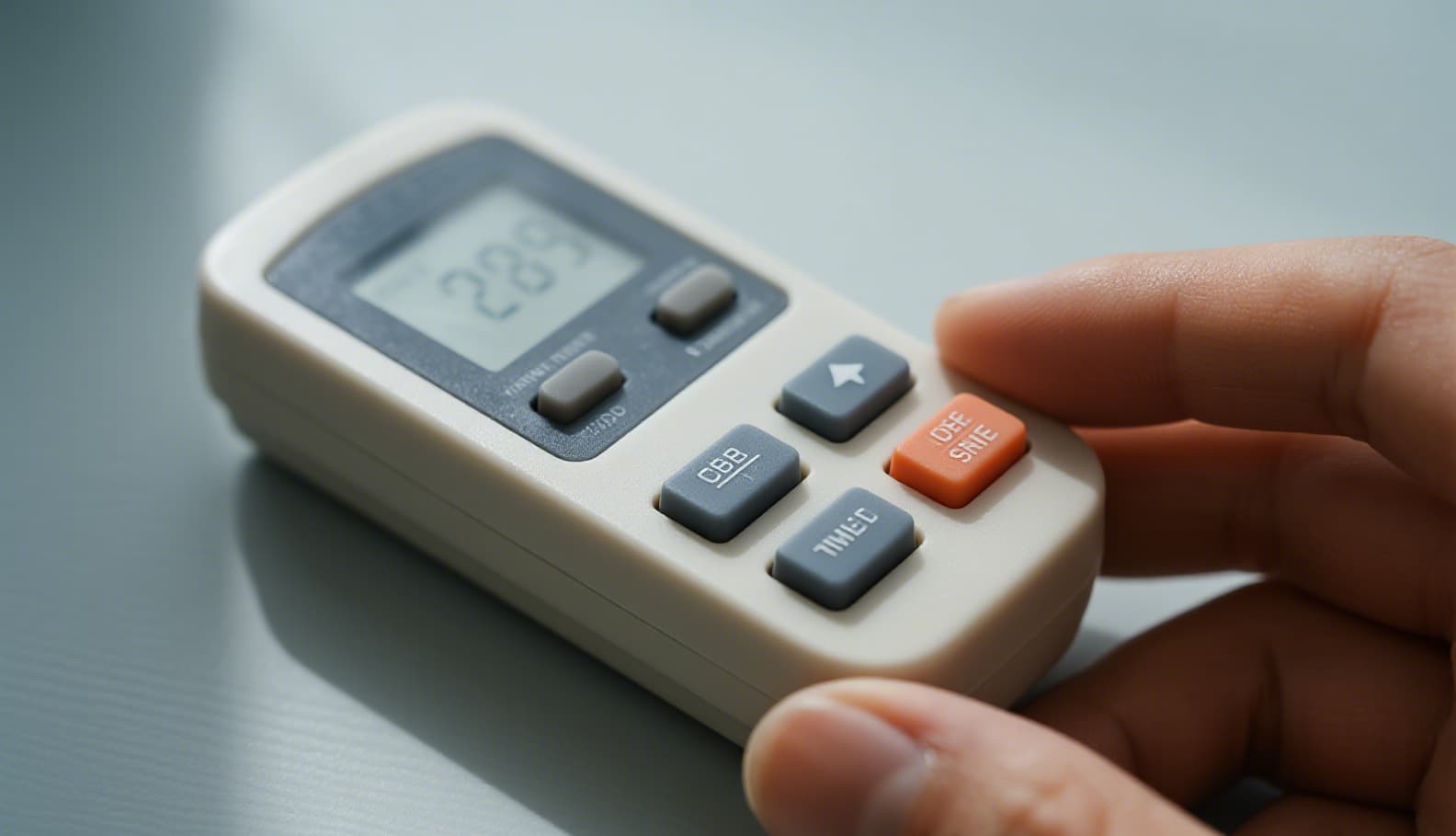
How Your Silicone Keypad's Contact Resistance Fluctuation Can Ruin Measurement Accuracy
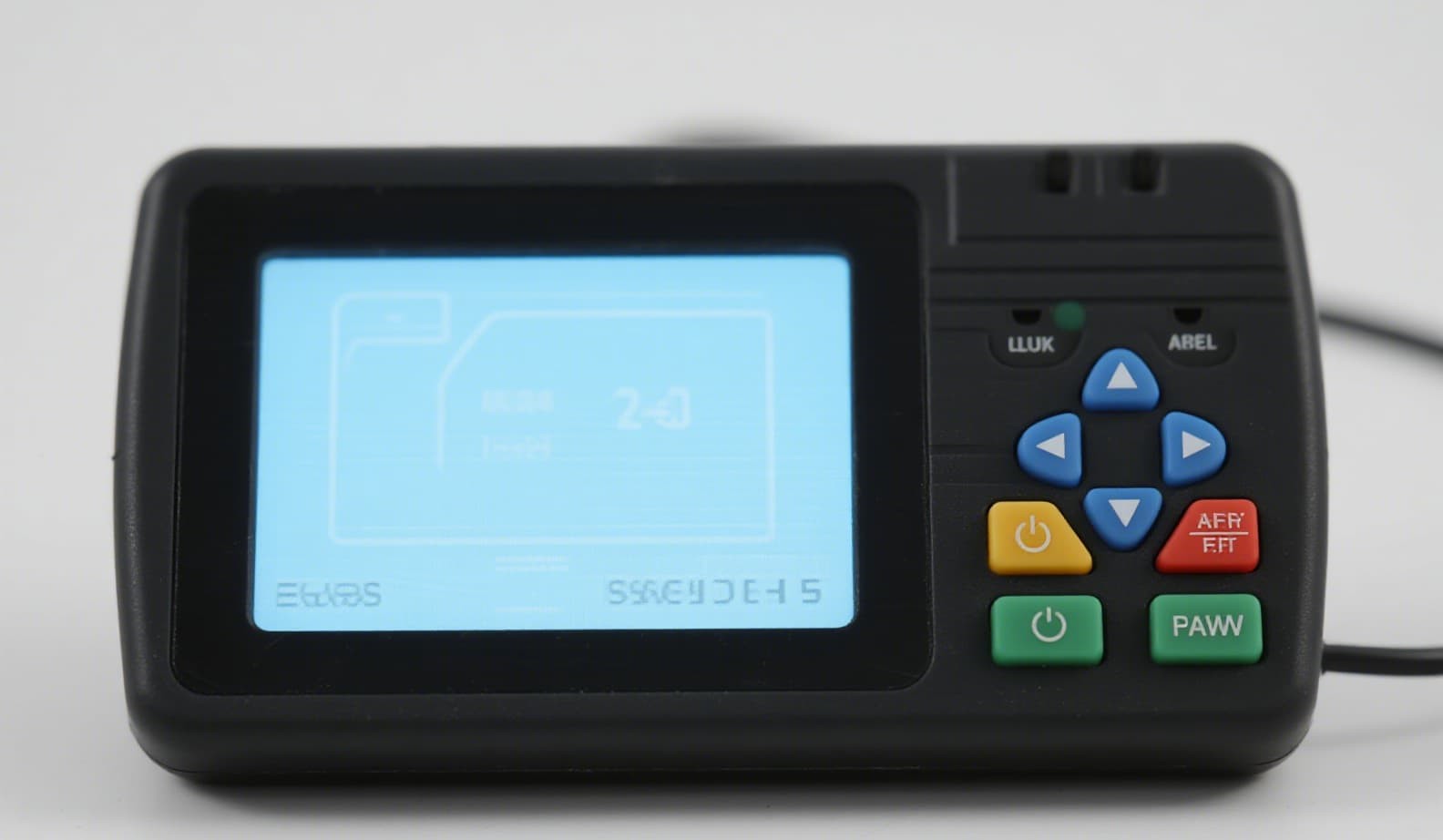
As an instrument manufacturer, you've likely spent countless hours perfecting your analog front‑ends, shielding, and ADC linearity. Yet one subtle culprit often escapes scrutiny — the silicone keypad that operators press every day. Its contact resistance fluctuation can inject unpredictable errors into high‑impedance measurement paths, turning a premium instrument into a source of distrust.
The Silent Threat: Instrument Silicone Keypad Contact Resistance Instability
Conductive rubber keypads rely on a carbon‑loaded silicone elastomer to create a switch contact. When pressed, the conductive pill bridges two PCB pads, completing the circuit. In theory, this is simple. In practice, the contact resistance can vary wildly — from a few ohms to hundreds of ohms — depending on pressure, temperature, humidity, and aging. For high‑impedance circuits (e.g., >1 MΩ input impedance), even a 50 Ω shift translates into a measurable voltage error, skewing calibration and ruining measurement accuracy.
Critical fact: In a typical pH meter or LCR bridge, contact resistance fluctuation of just 30 Ω can cause a 0.5 % to 1 % full‑scale error — well above the instrument's advertised precision.
Two Real‑World Cases That Will Make You Rethink Your Instrument Silicone Keypad
Case 1 — Medical ECG Monitor: False Arrhythmia Alarms
A premium 12‑lead ECG monitor began showing intermittent baseline drift, triggering false arrhythmia alarms. After ruling out electrodes and analog filters, the engineering team traced the issue to the silicone keypad's contact resistance on the front‑panel navigation buttons. The keypad's conductive rubber had degraded after just 6 months of simulated use, causing contact resistance to jump from 12 Ω to over 150 Ω during repeated presses. This fluctuation coupled into the right‑leg drive circuit — a high‑impedance node — creating a 200‑µV offset that mimicked ST‑segment changes. Replacing the keypad with a FromRubber custom‑formulated silicone keypad, engineered for low and stable contact resistance, eliminated the drift entirely.
Case 2 — Precision LCR Meter: Unstable Q‑Factor Readings
A 1 MHz LCR meter suffered from erratic dissipation factor (D) and Q readings, especially in the high‑impedance range (10 MΩ and above). The root cause? The contact resistance of the silicone rubber keypad used for range selection and triggering was fluctuating by ±80 Ω due to temperature cycling inside the instrument chassis. This resistance modulation appeared as a parasitic series impedance, corrupting the phase measurement. After switching to a FromRubber keypad with a specially developed carbon‑silicone compound that maintains contact resistance within ±5 Ω over a –10 °C to +60 °C range, the LCR meter passed its 24‑hour stability test with flying colors.
Why Does Instrument Silicone Keypad Contact Resistance Fluctuate?
The physics behind conductive rubber contact resistance is complex. Factors include:
- Particle dispersion — Uneven carbon black distribution creates localized high‑resistance zones.
- Elastomer relaxation — Silicone's viscoelastic nature causes contact force to decay over time, raising resistance.
- Surface contamination — Oxidation or silicone oil migration forms an insulating film on the contact pill.
- Environmental stress — Humidity and temperature alter the conductive percolation network.
What Instrument Silicone Keypad Designers Must Demand
To protect your measurement accuracy, your silicone keypad supplier must provide quantified contact resistance specifications — not just a typical value, but a maximum deviation across temperature, humidity, and lifetime. Additionally, production lot‑to‑lot consistency is non‑negotiable. A single bad batch can ship thousands of instruments with subtle, hard‑to‑diagnose errors.
✓ This is where FromRubber excels. We don't just mold silicone keypads — we engineer precision conductive compounds with controlled filler morphology, proprietary cross‑linking, and rigorous in‑process resistance monitoring. Our keypads are designed for high‑impedance instrumentation, with typical contact resistance ≤ 10 Ω and fluctuation < ±3 Ω over 1 million cycles.
Don't Let a $0.50 Keypad Ruin a $5,000 Instrument
The cost of a high‑quality silicone keypad is negligible compared to the cost of field returns, re‑calibration, and brand reputation damage. Yet many instrument manufacturers continue to source keypads based on price alone, ignoring the contact resistance drift that undermines their core value proposition — measurement accuracy.
With over two decades of experience in custom silicone keypad manufacturing, FromRubber has become the trusted partner for leading medical, test‑and‑measurement, and industrial instrumentation brands. We offer end‑to‑end control — from compound formulation to tooling, molding, and electrical testing — ensuring that every keypad meets your critical resistance stability requirements. Our in‑house lab performs accelerated life testing and temperature‑humidity‑bias (THB) tests to guarantee performance in your real‑world operating environment.
FromRubber custom silicone keypads are engineered for ultra‑stable contact resistance, ensuring your instruments deliver repeatable, accurate measurements for their entire service life. ISO 13485 & IATF 16949