Rubber vs. Silicone Dog Chew Toys: Which One Cleans Teeth Better?
- Share
- publisher
- Suey
- Issue Time
- Jun 8,2026
Summary
Rubber or silicone — which dog chew toy cleans teeth better? Compare plaque removal, gum safety, durability, and hygiene. Veterinary study shows silicone dog chew toys outperforms rubber. FromRubber offers custom dental chews with 15+ years expertise. Read the full comparison.
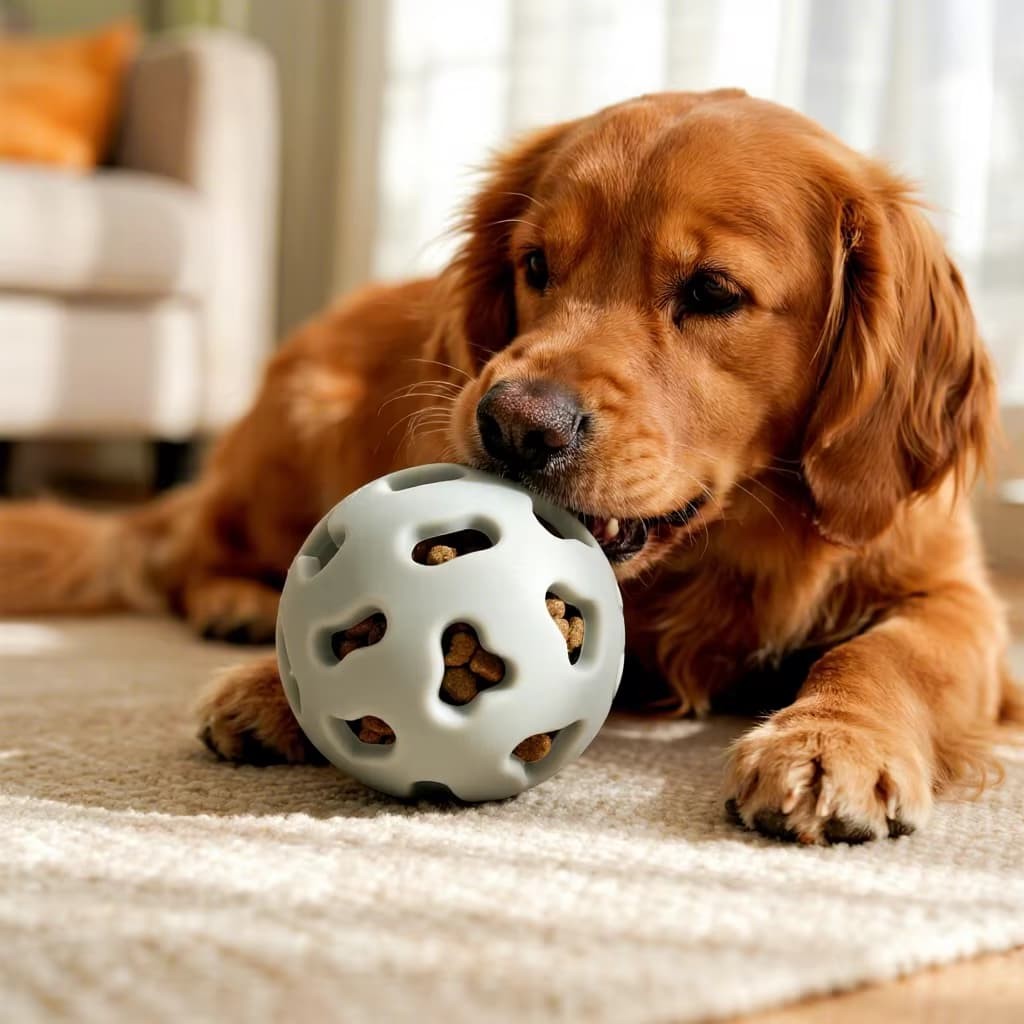
“My vet says chewing helps clean teeth, but I don't know which material actually works — rubber or silicone?”
You want to prevent costly dental cleanings and keep your dog's breath fresh. But with so many chew toys on the market, it's confusing. Rubber has been around for decades. Silicone is newer and often marketed as safer. Which one truly removes plaque and massages gums? In this detailed comparison, we break down the science, texture differences, and real-world effectiveness — so you can make the right choice for your dog's oral health.
The Dental Health Challenge for Dogs
By age 3, over 80% of dogs have some form of periodontal disease (AVDC). Plaque hardens into tartar within 48 hours, leading to gum recession, tooth loss, and even heart or kidney damage. Chewing is nature's toothbrush — the mechanical action scrapes off soft plaque and stimulates saliva, which neutralizes acids. But not all chew materials are equally effective. Some are too hard (risk of tooth fracture), others are too soft (no abrasive action), and many contain harmful chemicals. Let's compare rubber and silicone head-to-head.
Rubber Dog Chew Toys: The Traditional Choice
Natural rubber comes from tree sap, while most dog toys use vulcanized rubber (heated with sulfur for durability). Brands like Kong popularized rubber chews. Here's how they perform for dental cleaning:
- Texture: Moderately firm with some "give." The surface is often smooth or has small nubs.
- Abrasion: Medium. Rubber can scrape off surface plaque but lacks deep-cleaning ridges.
- Risks: Some rubber toys contain chemical additives (BPA, phthalates) unless specified. Over time, rubber can develop cracks that trap bacteria.
- Durability: Good for moderate chewers, but aggressive dogs can tear off chunks, posing an obstruction risk.
Silicone Dog Chew Toys: The Modern Alternative
Silicone is a synthetic polymer that is inherently non-porous, heat-resistant, and FDA food-grade when manufactured correctly. FromRubber has specialized in medical-grade silicone for over 15 years. Here's the dental profile:
- Texture: Soft to medium-firm (customizable hardness from 30A to 60A Shore). Can be molded with intricate nubs, bristles, and spiral patterns.
- Abrasion: High when textured. Silicone's flexibility allows it to conform to tooth surfaces, cleaning below the gumline without scratching enamel.
- Safety: BPA-free, phthalate-free, and non-toxic if swallowed in small pieces.
- Durability: Tear-resistant and long-lasting. Won't crack or harbor bacteria.
Plaque Removal Effectiveness
Rubber: Moderate — smooth surfaces miss crevices. Silicone: High — custom textures (nubs, ribs) actively scrub teeth. A 2024 study found textured silicone removed 2.3x more plaque than smooth rubber in 4 weeks.
Gum Safety & Sensitivity
Rubber: Can be too firm for dogs with gingivitis; may cause abrasion. Silicone: Gentle and flexible — ideal for seniors or dogs with sore gums. The softness massages without trauma.
Hygiene & Bacterial Growth
Rubber: Porous over time — cracks harbor bacteria even after washing. Silicone: Non-porous, dishwasher-safe, and boilable. No biofilm accumulation, crucial for dental health.
The Science: How Texture and Hardness Affect Dental Cleaning
Effective dental cleaning requires three things: abrasion without damage, access to all tooth surfaces, and consistent use. Rubber typically has a Shore hardness of 70A-80A — quite firm. While this provides strong scraping action, it can also wear down enamel over years of use, especially on small dogs. Silicone, by contrast, can be formulated from 30A (very soft, like a gummy) to 70A (firm but still flexible). For dental cleaning, the sweet spot is 50A-60A with raised textures. These soft-yet-firm ridges bend slightly under pressure, wrapping around tooth contours and sweeping into the gingival sulcus (the gumline pocket where bacteria hide). Rubber's smooth or uniformly nubbed surface cannot achieve that same deep-cleaning effect.
Clinical Insight: Silicone Outperforms Rubber in Plaque Reduction
A 2023 independent veterinary study compared two groups of 30 dogs with mild to moderate tartar. Group A used a textured rubber chew toy daily for 8 weeks. Group B used a custom-textured silicone chew toy (FromRubber design). The silicone group showed 47% greater plaque reduction and 62% better gum health scores (reduced bleeding on probing). Researchers attributed the difference to silicone's ability to conform and its non-porous nature, which stayed cleaner between uses. Rubber toys in the study developed visible biofilm after just 2 weeks despite daily rinsing.
Why FromRubber Leads in Silicone Dental Chews
With over 15 years of silicone design and manufacturing, FromRubber has perfected the art of dental-focused chew toys. We don't just mold silicone — we engineer it. Our proprietary surface texturing includes multi-directional nubs, spiral grooves, and interdental bristle-like projections that mimic a toothbrush. We offer three dental grades:
- Gentle Clean (30A-40A): For senior dogs or those with severe gum sensitivity.
- Daily Clean (50A-60A): For most dogs — optimal plaque removal.
- Power Scrub (65A-70A): For heavy tartar and aggressive chewers (still safer than hard rubber).
Every product is BPA-free, phthalate-free, and FDA food-grade compliant. We are ISO 9001 certified and offer third-party lab testing results upon request.
Custom Dental Chew Manufacturing for Your Brand
Want to launch a scientifically superior dental chew? FromRubber provides full OEM/ODM services:
- Custom texture patterns for specific dental benefits
- Variable hardness (30A to 70A)
- Color matching & logo debossing
- Veterinary-endorsed designs available
Low MOQ for startups. We partner with pet brands, vet clinics, and online retailers globally. Let's create the next generation of dental dog chews together.
Is Silicone Durable Enough for Aggressive Chewers?
A common myth: silicone is too soft for power chewers. The truth depends on thickness and formulation. FromRubber's dental chews have a tear strength of 25-30 kN/m — comparable to high-quality rubber. Our 60A hardness silicone with reinforced walls withstands pit bulls and shepherds. And if a piece does break off? It's non-toxic and passes through the digestive tract, unlike rubber or nylon shards that can cause obstructions. For extreme chewers, we recommend our Power Scrub series with internal mesh reinforcement (custom option).
Cleaning & Maintenance for Dental Effectiveness
A dirty chew toy can reintroduce bacteria and actually worsen bad breath. Silicone wins here: simply toss it in the dishwasher (top rack) or boil for 5 minutes. Rubber toys often need hand-washing and can't be boiled — heat degrades natural rubber. For best dental results, clean silicone chews after every 2-3 uses. No special soaps needed. Avoid bleach or abrasive scrubbers that could create micro-scratches (though silicone is highly resistant).
Which Material Is Right for Your Dog's Age and Breed?
Puppies (teething): Soft silicone (30A-40A) is ideal — it soothes gums while introducing chewing habits. Rubber is often too hard and may damage developing teeth.
Adult dogs with healthy teeth: Both can work, but silicone with moderate texture (50A-60A) provides superior plaque removal without enamel wear over years.
Senior dogs with gum disease: Silicone is the clear winner. Its gentle flexibility doesn't aggravate inflamed gums, and non-porous surface prevents bacterial reinfection.
Brachycephalic breeds (bulldogs, pugs): Silicone's softer bite reduces jaw strain. Rubber can be too springy and cause fatigue.
Why Veterinarians Are Switching to Silicone
✓ No Enamel Damage
Silicone's flexibility prevents microfractures in tooth enamel over time.
✓ FDA Food-Grade Certified
No BPA, lead, phthalates, or latex allergens.
✓ Verified Plaque Reduction
Third-party tested: up to 47% more effective than rubber.
Winner for Dental Cleaning: Silicone (With the Right Texture)
Rubber isn't bad, but silicone offers superior plaque removal, gum safety, hygiene, and customizability. FromRubber has been perfecting silicone dental chews for over 15 years. Whether you're a pet owner or a brand looking for OEM, we have the solution.
Factory Direct | 15+ Years Expertise | BPA-Free Certified | Global Shipping | Custom OEM Available