Silicone Case Surface Texture Trap Why "Smooth" and "Rough" Are Both Wrong — and How Micro‑Texture Wins
- Share
- publisher
- Suey
- Issue Time
- Aug 6,2026
Summary
Avoid fingerprint magnets & polished wear. Discover silicone case surface texture selection (EDM, micro-texture) for grip & durability. Expert guide.
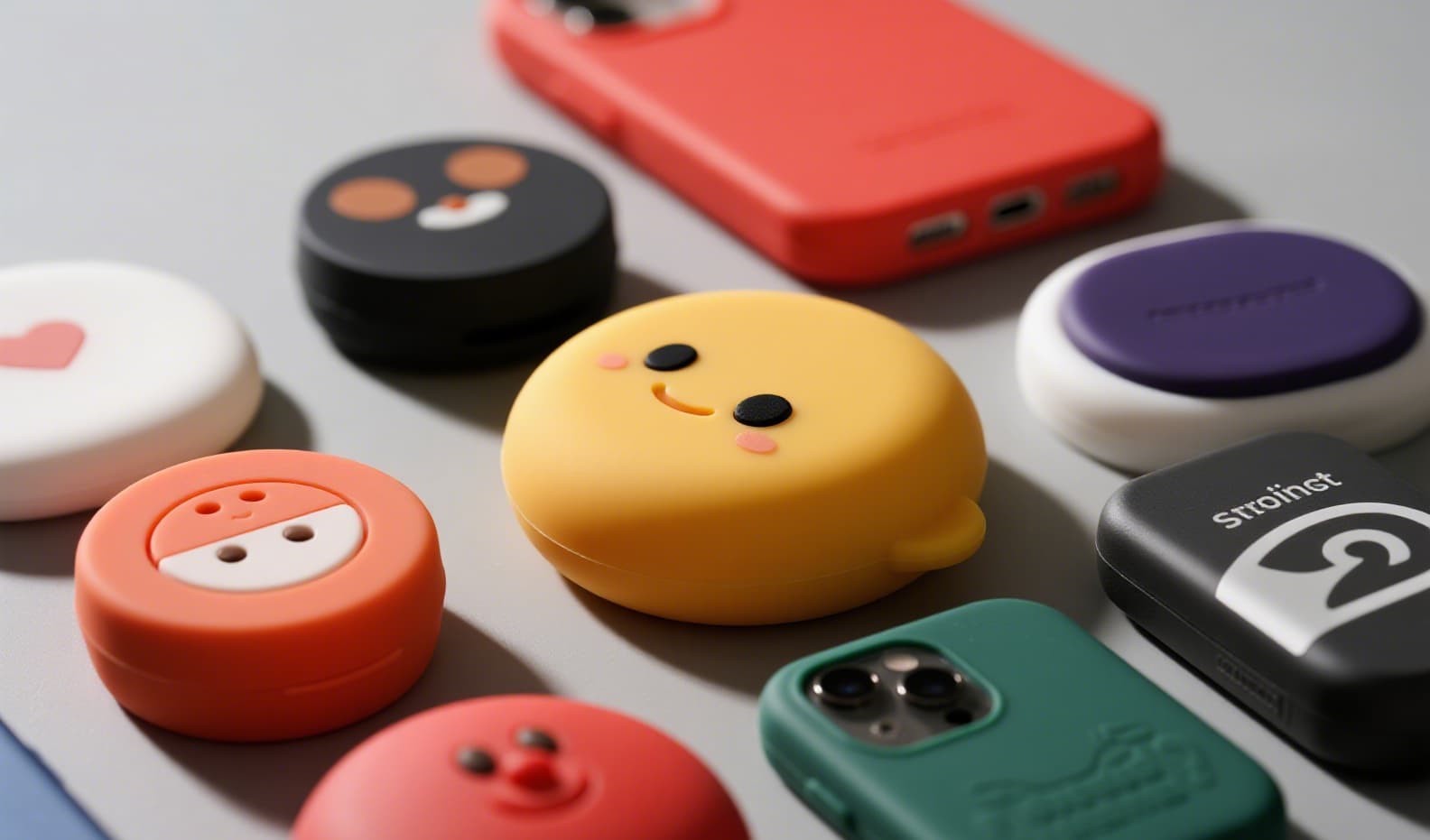
Silicone Case Surface Texture Trap
— A Purchaser’s and Customizer’s Perspective
You chose a glossy mirror finish because it looked premium in the CAD render. Then the first batch shipped, and the reviews poured in: "Fingerprint magnet." "Slippery as soap." Or you opted for a rough, aggressive texture for maximum grip — but after two weeks of pocket wear, the surface polished to an ugly shiny sheen, making the case look cheap and worn. Surface texture is not an aesthetic afterthought; it is the primary interface between your product and the user’s hand. Get it wrong, and you lose trust, repeat purchases, and brand equity. Get it right, and your case becomes an extension of the user’s lifestyle.
The Hidden Cost of Surface Texture Silicone Case
Surface texture directly affects grip, anti‑fingerprint performance, cleanability, and long‑term appearance. Yet many brands treat texture as a binary choice: "glossy" or "matte". The reality is far more nuanced. Below is the industry‑standard landscape for silicone case textures — and their trade‑offs.
| Texture Type | Method | Ra Range (μm) | Pros | Cons |
|---|---|---|---|---|
| Matte / Fine EDM | EDM | 0.4‑0.8 | Smooth feel, no fingerprints | Higher mold cost |
| Fine Sandblast | Chemical etch | 0.8‑1.5 | Good anti‑slip, dry touch | Polishes glossy over time |
| Coarse Texture | Sandblast + chemical | 1.5‑3.0 | Excellent grip | Traps dust, hard to clean |
| Soft‑Touch Coating | Post‑spray | — | Skin‑like feel | Peels after 3‑6 months |
| Glossy / Mirror | Mirror polish | < 0.1 | Bright, shiny appearance | Fingerprints, slippery |
Emerging trend Micro‑texture (Laser EDM) — nano‑scale patterns on the mold surface that balance anti‑slip, anti‑fingerprint, and durability, with texture depth variation < 10% over the mold’s lifetime.
Two Extremes, One Expensive Lesson
Too Smooth (Mirror / Glossy)
Looks stunning in the box, but the moment the user picks it up, it becomes a smudged mess. The phone feels insecure in hand, and every fingerprint is a reminder of poor design. Return rates spike, and unboxing videos turn into complaint videos.
Too Rough (Coarse / Deep Sandblast)
Great initial grip, but the texture acts like a sandpaper — it traps dirt, lint, and pocket debris. Worse, the high peaks wear down within weeks, leaving a polished, greasy‑looking surface that looks older than it is. Premium perception evaporates.
Real‑World Turnaround: NPS from 42 to 78
A well‑known accessory brand launched a flagship silicone case with a mirror‑polished mold. The initial reception was brutal: “Too slippery”, “Fingerprint magnet”, and “Feels cheap”. Net Promoter Score (NPS) sank to 42 — a brand crisis.
Our surface engineering team at FromRubber intervened. We switched to EDM texture (VDI 24, ~Ra 1.0μm) combined with mold surface fluorination (an anti‑stick treatment that reduces friction and improves release). The result: a dry, matte‑like feel that resists fingerprints, maintains grip, and stays consistent over hundreds of cycles.
Fingerprints became nearly invisible, and the case maintained its premium look even after weeks of daily use. The brand reordered three more colors with the same texture specification.
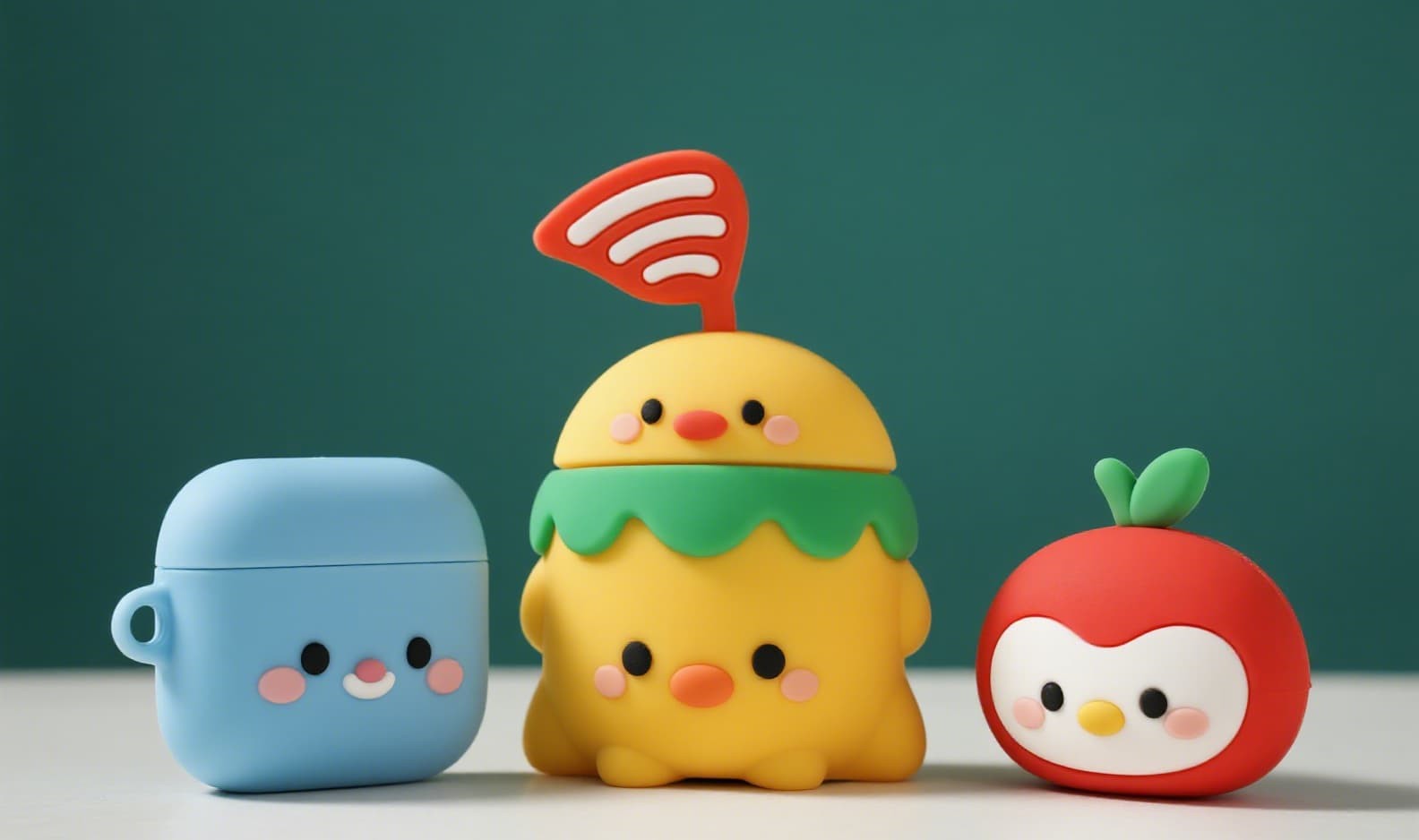
Your Texture Selection Playbook
✅ Do’s & Don’ts for Procurement Managers
- Demand physical texture samples — require 3‑5 sample plates (with Ra measurements) from the mold maker. Sign off on the actual feel, not just a photo.
- Specify anti‑stick + texture — mold fluorination reduces ejection force by 30‑50%, extends tool life, and keeps the texture consistent.
- Differentiate inner vs. outer surfaces — fine texture outside (Ra 0.8‑1.2μm) for grip and aesthetics; smoother inside (Ra 0.2‑0.4μm) to reduce friction against the phone and avoid wear marks on the device.
- Avoid coating dependency — post‑spray soft‑touch coatings peel and wear unevenly. Choose mold‑integrated textures that last the lifetime of the tool.
- Validate wear resistance — simulate 1,000 insertion/removal cycles and measure Ra change. Premium textures should maintain >80% of original roughness.
For most phone cases, the sweet spot is a fine EDM or laser‑etched texture with Ra between 0.8‑1.5μm, combined with fluorinated mold surfaces. This delivers the dry, silky feel that users love, while keeping fingerprints at bay and resisting the “polishing” effect over time.
Conclusion: Texture Is the Silent Brand Ambassador
Surface texture is the first thing your customer feels, and the last thing they forget. A poorly chosen texture screams “commodity” and invites complaints. A well‑engineered texture whispers “quality” and builds loyalty. Don’t let a mirror finish tarnish your brand, or a coarse texture wear out its welcome.
Whether you’re launching a ultra‑thin case or a rugged defender, FromRubber offers a Texture Validation Package — we produce physical sample plates with 3‑5 texture grades, run wear tests, and provide a data‑backed recommendation. The investment is tiny compared to a product recall or a brand reputation crisis.
Stop playing texture roulette. Let’s find the finish that makes your users say, “This feels amazing.”
Ready to perfect your surface texture?
Contact FromRubber – Free Texture Consultation