Silicone Keypad Manufacturing: 7 Critical Quality Checks Every Buyer Should Know
- Share
- Issue Time
- Jul 28,2026
Summary
A comprehensive guide to 7 essential quality checks every buyer must perform when sourcing custom silicone keypads — from material verification and dimensional accuracy to supplier audit frameworks and certification verification.
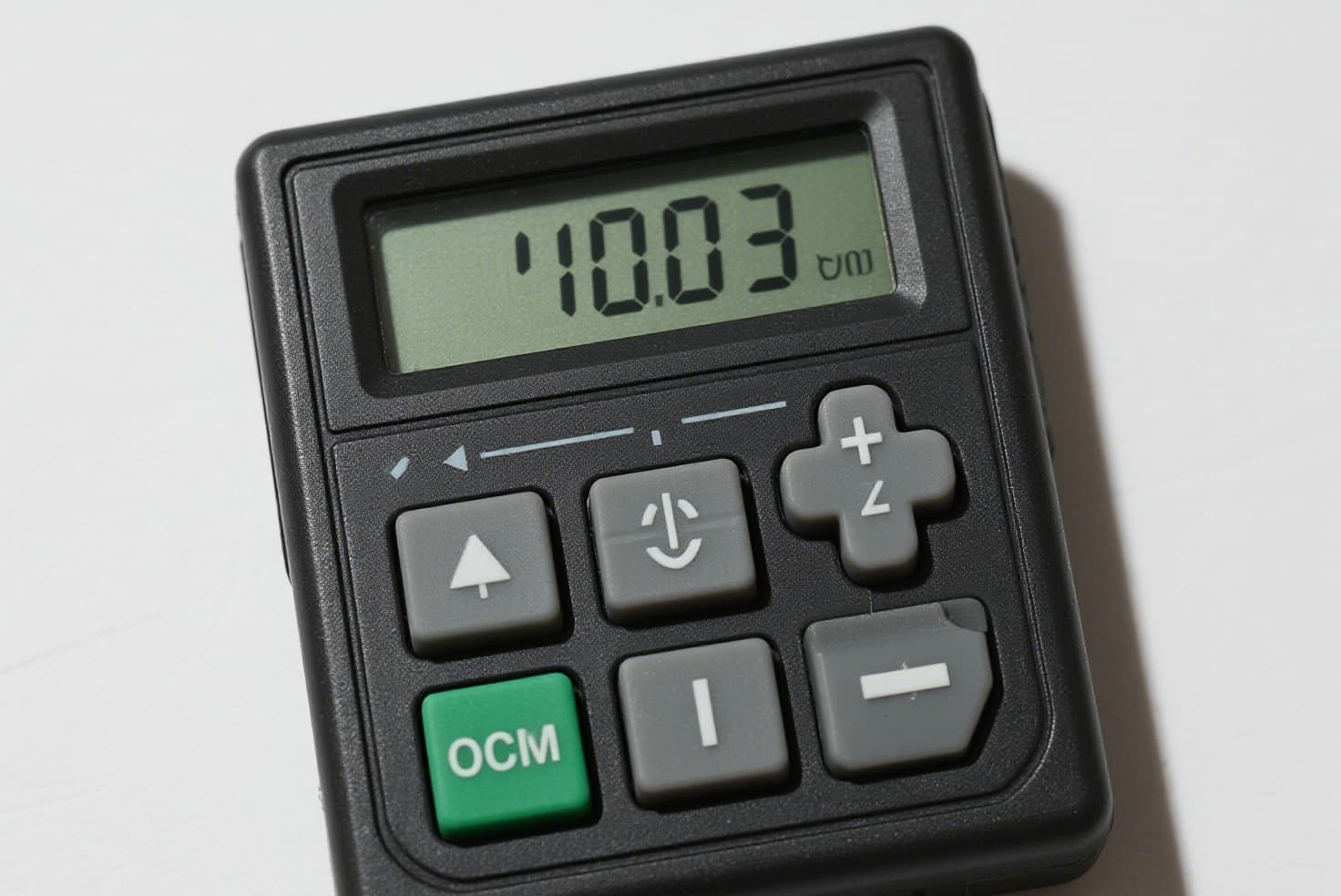
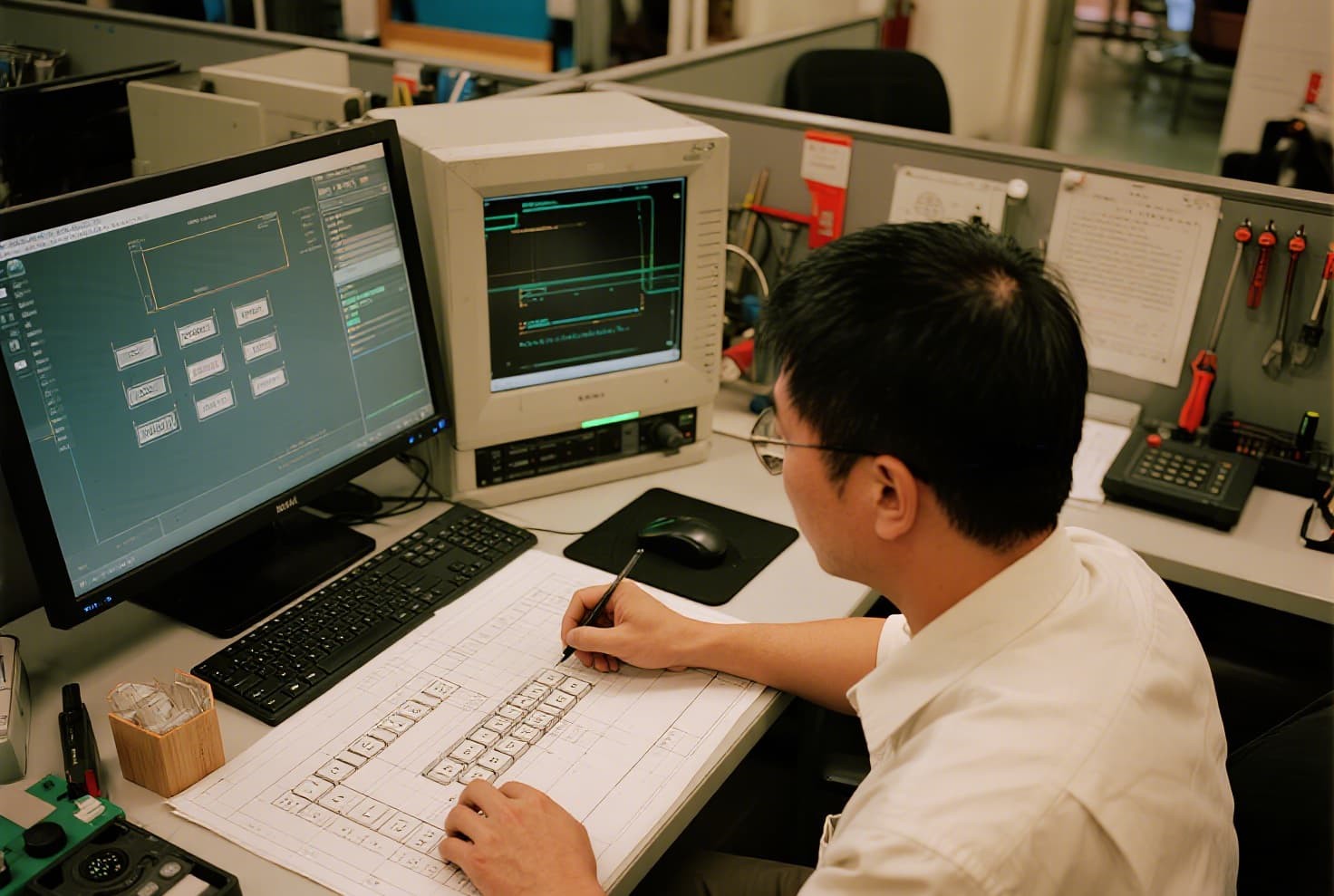
BUYER'S GUIDE The true cost of a poor-quality silicone keypad isn't just the unit price — it's the failed field returns, brand damage, delayed product launches, and engineering hours wasted on root-cause analysis. According to QIMA's 2024 supplier audit report, 47% of silicone product manufacturers in southern China failed at least one of four critical quality criteria. For international buyers sourcing custom silicone keypads, quality cannot be assumed — it must be verified systematically. This guide distills seven essential quality checks drawn from ISO 9001:2015 standards, ASTM testing protocols, and FromRubber's 15+ years of silicone keypad manufacturing expertise. Use it as your buyer's checklist when qualifying any silicone keypad manufacturer. The curing system used to vulcanize silicone rubber has the single largest impact on long-term keypad performance. Two dominant methods exist: platinum-cured (addition-cure) and peroxide-cured (free-radical). Choosing the wrong one can lead to premature yellowing, odor complaints, and even regulatory non-compliance for medical or food-contact applications. Buyer tip: Request the Material Data Sheet (MDS) and third-party SGS or TÜV test report. For medical applications, explicitly require platinum-cured silicone with FDA compliance documentation. Industry-standard tolerances for custom silicone keypads are ±0.10 mm for critical dimensions (contact-pad position, web thickness, key spacing) and ±0.20 mm for non-critical dimensions. Tactile feedback is the single most user-facing quality attribute. It is a precisely measurable combination of actuation force, travel distance, and snap ratio. The human fingertip can discriminate force differences as small as 5–8%, making batch consistency critical. Testing standard: Force gauge measurement at 10–50 mm/min per ASTM F1578 with 1,000 samples/second. Batch variation ≤ ±5%. A reputable silicone keypad manufacturer should provide CpK ≥ 1.33 on actuation force. Legends that wear off after weeks of use are a top customer complaint. Screen printing adhesion depends on surface preparation (plasma or corona treatment), ink chemistry (two-part polyurethane or silicone-based inks), and curing parameters. Standard adhesion tests every buyer should request: CASE STUDY A German industrial controls manufacturer experienced ink-peeling failures at 12,000 cycles. Root-cause analysis identified incompatible one-part acrylic ink on peroxide-cured silicone. After switching to two-part polyurethane ink with optimized plasma treatment, the rework rate dropped from 18% to 0.3%, saving an estimated $42,000 annually. Silicone keypads must survive their deployment environments — humid factory floors, sterile operating rooms, or sun-exposed outdoor terminals. A comprehensive test battery includes: Request an Accelerated Life Test Report covering all four conditions with before-and-after measurements of actuation force, contact resistance, and visual appearance. Certifications are auditable proof of a manufacturer's quality management system. A 2024 TÜV Rheinland audit found that 22% of Chinese factories displayed expired or suspended certifications on their websites. Verification is mandatory. FromRubber is ISO 9001:2015 and IATF 16949 certified. We provide SGS third-party test reports for material compliance and maintain an open-book policy for all quality documentation during FAR, DUPRO, and PSI audits. The most reliable way to assess a silicone keypad manufacturer is through a structured three-stage audit framework adapted from ASTM E2500. Stage 1 — FAR (Factory Audit Readiness) Review documentation before visiting: valid ISO certificate verified with the body, material supplier qualification records, calibration certificates, monthly first-pass yield (> 97% benchmark), and 8D corrective action reports. Stage 2 — DUPRO (During Production) Performed at 20–40% order completion: verify mold cavity condition, perform in-process dimensional checks (±0.10 mm), visual inspection under D65 lighting, force gauge measurement (5 random parts per cavity), and contact resistance testing. Stage 3 — PSI (Pre-Shipment Inspection) Using AQL sampling per ANSI/ASQ Z1.4: major defects AQL 0.65, minor defects AQL 1.5. Includes 100% electrical continuity check for assembled keypads. Pro tip: A world-class silicone keypad manufacturer will welcome all three audit stages. At FromRubber, we provide full access to our ISO Class 7 cleanroom, laser workshop, and QC laboratory with an open-book policy on all quality metrics. How do I verify a manufacturer's ISO certification? Request the certificate number and verify it directly through the accreditation body's online database (IATF, ANSI, or UKAS). Do not rely solely on the PDF — 22% of factories display expired certifications. What is the MOQ for custom silicone keypads? For standard designs with existing tooling, MOQ can be as low as 500–1,000 units. For fully custom designs with new molds, the economic MOQ typically ranges from 3,000–10,000 units. FromRubber offers free DFM analysis to optimize your design for any volume. How long should a silicone keypad last? A well-designed silicone keypad should reliably exceed 500,000 actuations. Premium designs using platinum-cured silicone with optimized dome geometry can achieve 1,000,000+ cycles without significant force degradation. Does FromRubber offer free DFM analysis? Yes. We provide free Design for Manufacturability analysis for all new custom silicone keypad projects. Our engineering team reviews your 2D/3D files and delivers a detailed DFM report within 1–2 business days. Get your free DFM analysis and a detailed quality capability report from FromRubber's engineering team. We'll walk through all 7 quality checks together for your specific project. ISO 9001:2015 & IATF 16949 Certified • 15+ Years of Silicone Keypad ExpertiseSilicone Keypad Manufacturing:
7 Critical Quality Checks Every Buyer Should KnowMaterial Verification — Platinum vs. Peroxide Cure
Property Platinum-Cured Peroxide-Cured Chemical by-products None — odorless Residual acetophenone UV yellowing (1000h ASTM G154) ΔE ≤ 2.5 ΔE ≥ 8.0 Temperature range −60°C to +230°C −40°C to +180°C Compression set (22h @ 175°C) ≤ 10% 15–25% Biocompatibility FDA 21 CFR 177.2600 Limited post-cure Relative cost 30–60% premium Baseline Dimensional Accuracy — Tolerance Requirements
Tactile Feel & Actuation Force Validation
Application Actuation Force Travel Snap Ratio Consumer electronics 100–180 g 1.0–1.3 mm 55–70% Medical devices 120–200 g 1.0–1.3 mm 55–65% Industrial controls 180–250 g 1.3–1.5 mm 50–65% Safety-critical (E-stop) 250–300 g 1.3–1.5 mm 45–60% Screen Printing Adhesion & Legend Durability
Environmental Resistance Testing
Certification Verification — ISO, FDA & Beyond
Certification Coverage Verification Method ISO 9001:2015 Fundamental QMS Check cert no. on IATF/ANSI/UKAS database ISO 13485 Medical device QMS Verify via certifying body's portal IATF 16949 Automotive QMS Mandatory for automotive-tier suppliers FDA 21 CFR 177.2600 Food-contact rubber Third-party lab test report (SGS, Intertek, TÜV) RoHS / REACH Hazardous substances Test report with specific concentration values Supplier Audit Checklist — FAR → DUPRO → PSI
Frequently Asked Questions
Ready to Source High-Quality Silicone Keypads?