Silicone Keypad Silk Printing Wears Off? 3M Tape Test & Surface Treatment Guide
- Share
- publisher
- Suey
- Issue Time
- Aug 4,2026
Summary
Silicone keypad silk printing fails without primer. Use specialized ink, primer treatment, and 3M tape test (90° peel, zero transfer). FromRubber ensures durable legends.
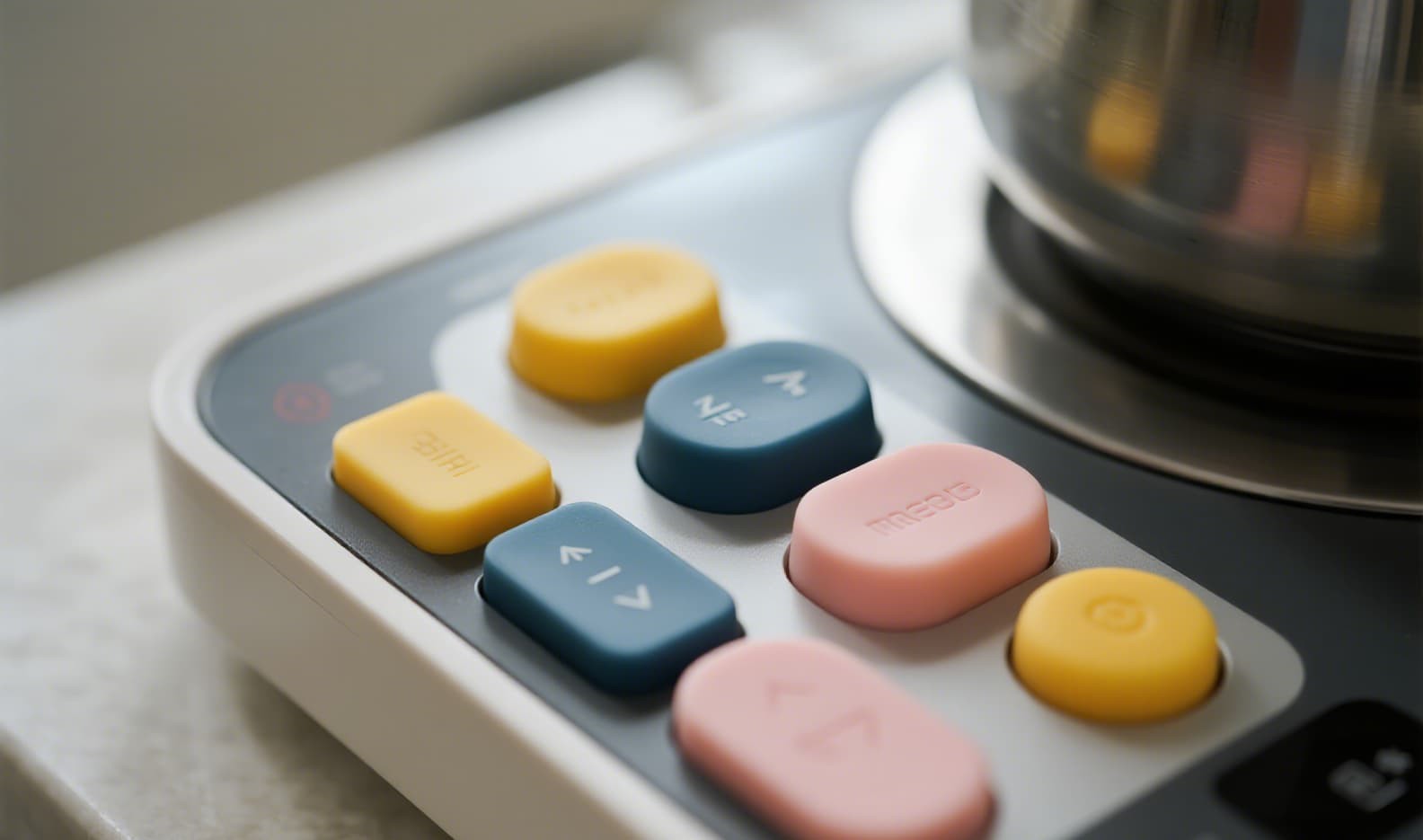
This is a classic sign of poor surface preparation or incorrect ink selection — not necessarily a material defect.
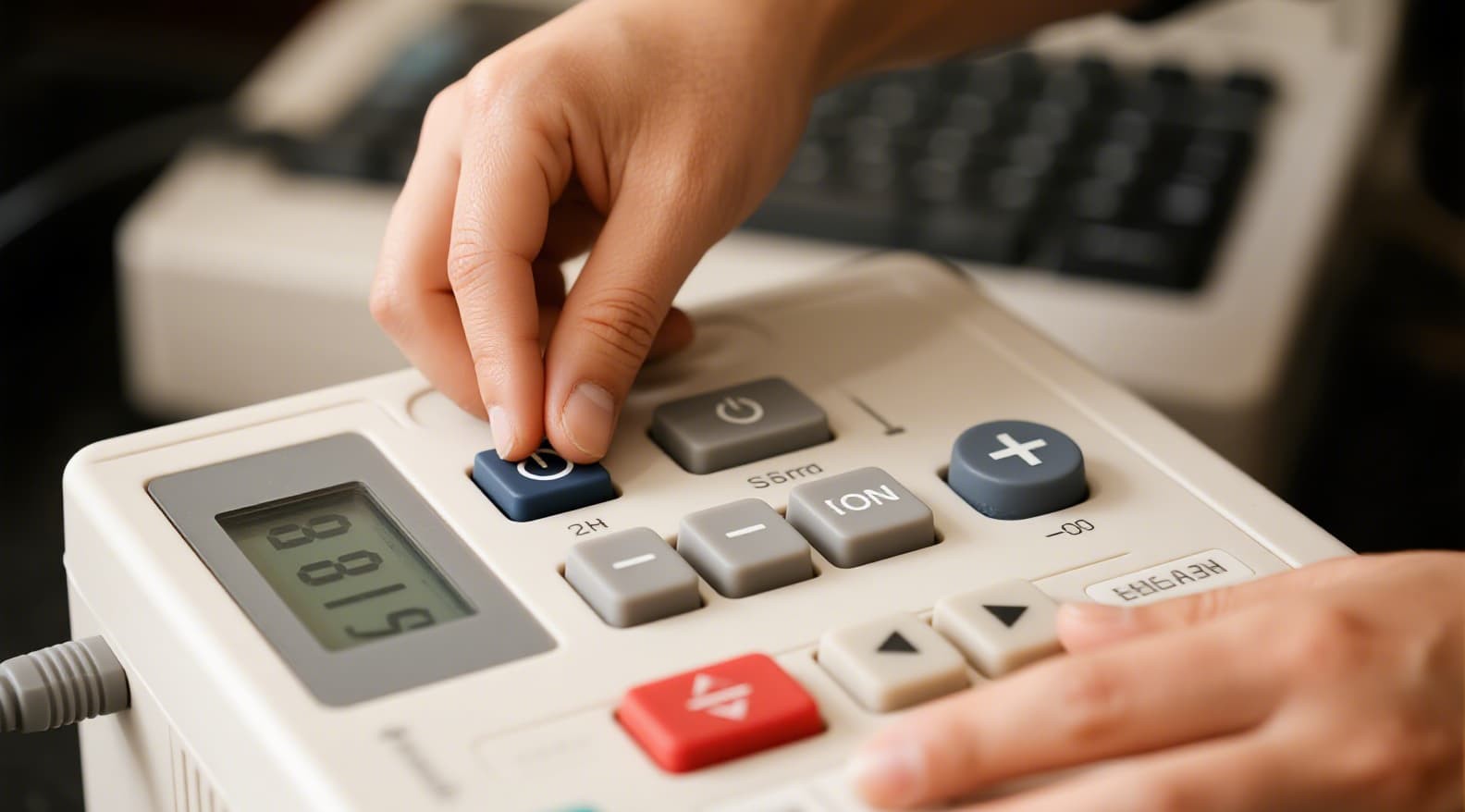
Technical Analysis
Silicone has a naturally low surface energy, making it difficult for inks to adhere. Without proper surface preparation, even high-quality ink will peel off with minimal force.
According to FromRubber’s Silicone Keypad Custom Molding Best Practices, pad printing inks must pass the 3M tape adhesion test to be considered production‑ready.
Why Silicone Rejects Ink
The surface energy of silicone is around 20–24 mN/m, compared to 38–42 mN/m for polycarbonate or ABS. This low surface energy means liquid inks tend to bead up rather than spread and bond. Without surface activation, the ink sits on top of the silicone rather than chemically bonding to it.
The Solution: Surface Primer (Treatment Fluid)
Before pad printing, the silicone surface must be treated with a primer (also called treatment fluid or adhesion promoter). This primer activates the surface, increasing its surface energy and creating sites for the ink to chemically bond.
Ink Selection Matters
Only specialized silicone inks will work. Standard screen-printing inks designed for plastics or metals will not bond to silicone — even with primer. Silicone inks contain specific resins and cross‑linkers that form a durable bond with the activated silicone surface.
The 3M Tape Test Standard
Test Method: Apply a strip of 3M 600# tape firmly over the printed area. Pull the tape off at a 90° angle with a quick motion. Pass criteria: Zero ink transfer to the tape.
Why 3M 600#? It has a controlled adhesion strength that provides a consistent, repeatable test across different batches and suppliers.
Real‑World Case Studies
Remote control keypad – Shipped without adhesion testing. The customer used alcohol wipes for cleaning — and the logos wiped right off.
After investigation, FromRubber recommended implementing primer treatment + 3M tape testing on every batch. The client now tests every incoming lot — zero failures since.
Medical device keypad – Required legends that withstand daily alcohol disinfection.
The parts passed all adhesion tests and survived repeated alcohol wiping. The client received zero printing‑related complaints over two years of production.
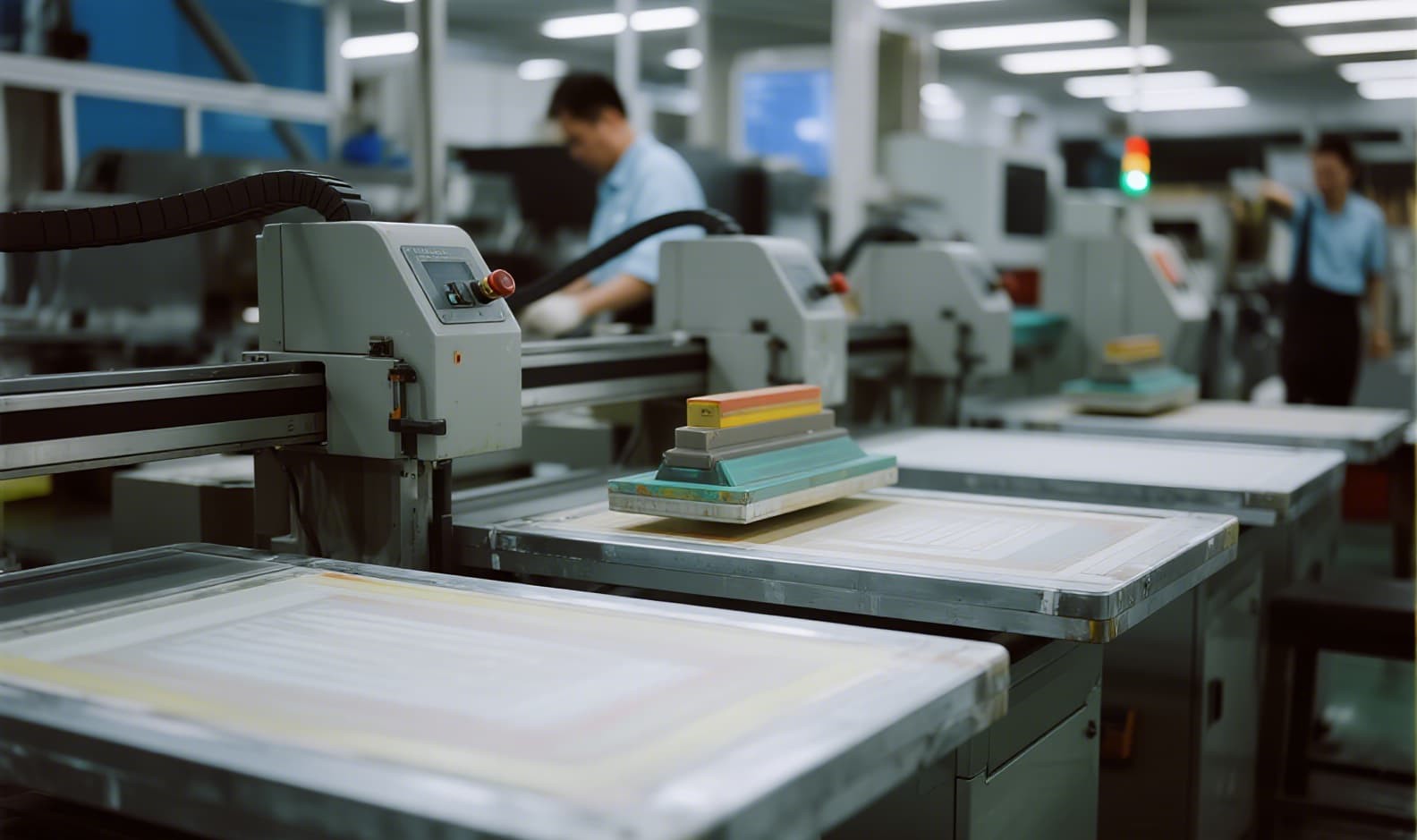
Actionable Solutions – The FromRubber Silicone Keypad Silk Printing Protocol
-
1
Specify surface treatment on your drawing – Add a note: "Silk printing area must be treated with primer before printing. Ink must pass 3M 600# tape test (90° peel, zero transfer)."
-
2
Require specialized silicone ink – Specify that the printer must use silicone-compatible ink — not standard plastic or metal inks. If in doubt, ask for the ink manufacturer's technical data sheet.
-
3
Perform incoming QC with 3M tape – Keep a roll of 3M 600# tape at your receiving dock. Test a sample from every batch: apply tape, pull at 90°, inspect for ink transfer. Reject any batch that shows transfer.
-
4
Consider alternative processes for high-wear applications – For parts that require extreme durability (e.g., repeated alcohol wiping, mechanical abrasion), consider:
-
5
Validate with alcohol wipe test – In addition to tape testing, perform an alcohol rub test: wipe the printed area with 70% isopropyl alcohol (IPA) using moderate pressure for 10 cycles. The ink should remain intact with no fading or smearing.
-
6
DFM review of printing strategy – Send your 3D CAD, printing requirements, and durability targets to FromRubber’s engineering team. We recommend the optimal primer, ink, and validation method for your specific application — all within 24 hours.
The Bottom Line
Pad printing on silicone fails when the surface isn't properly prepared. Silicone's low surface energy means ink cannot bond without primer. The solution is straightforward: surface treatment + specialized silicone ink + 3M tape test validation.
Skipping primer to save a few cents per part is a false economy — the cost of returns, rework, and customer complaints far outweighs the small process cost. For high‑wear applications, laser engraving or in‑mold decoration offer superior durability, though at higher upfront investment.
FromRubber brings deep expertise in silicone silk printing — from primer selection and ink formulation to testing and validation. On your next silicone keypad project, let our engineering team help you specify the right printing process and ensure your legends stay legible for the life of the product.