Silicone Seals and Gaskets: Types, Standards, and Applications Explained
- Share
- publisher
- FromRubber Engineering Team
- Issue Time
- Jul 3,2026
Summary
A comprehensive guide to silicone seals and gaskets covering compression set mechanisms, common seal types (O-rings, custom gaskets, D-shaped seals, lip seals), industry standards AS568 and ISO 3601, application selection criteria, IP67/IP68/IP69K waterproof design requirements, installation best practices, and FromRubber custom manufacturing capabilities.
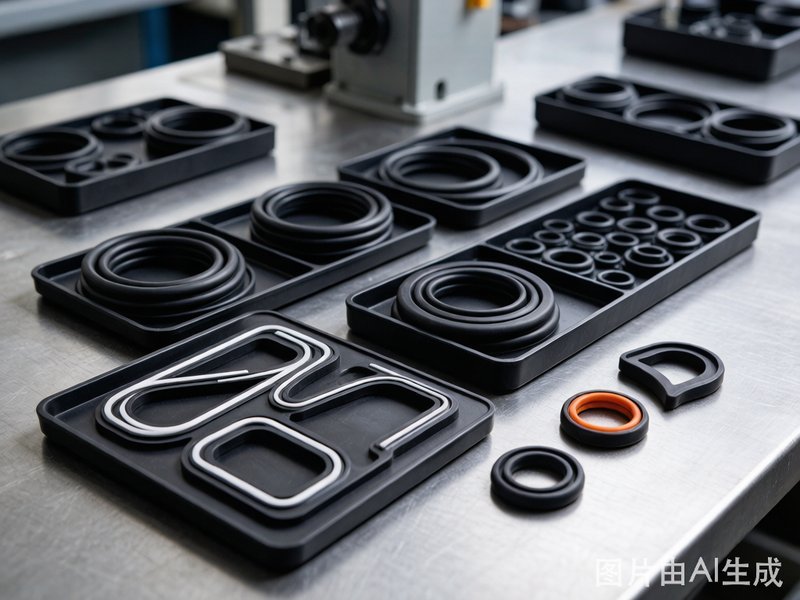
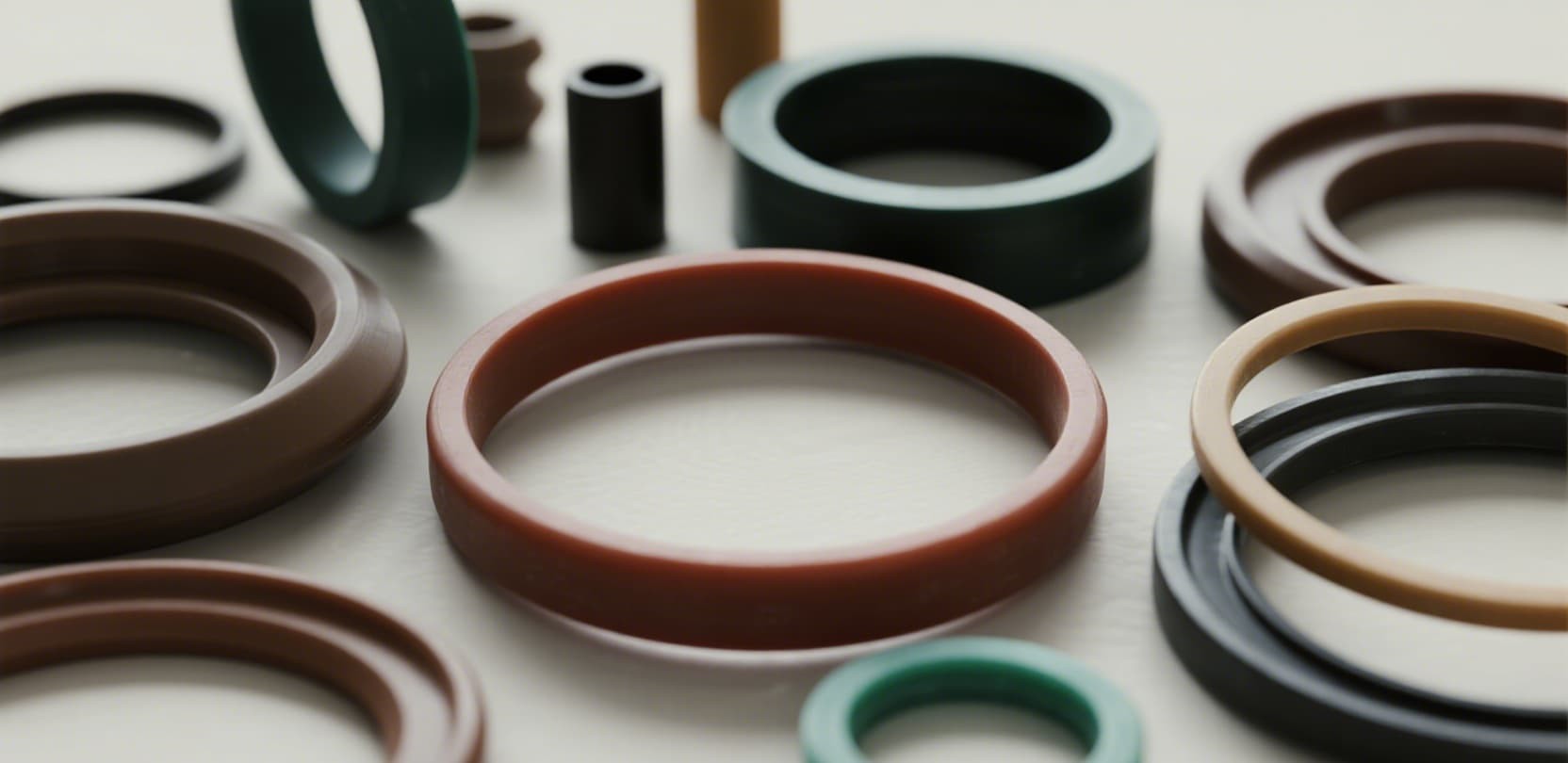
Silicone seals and gaskets are among the most versatile and reliable sealing solutions in modern engineering. From automotive engines and medical devices to consumer electronics and aerospace systems, these elastomeric components play a critical role in preventing fluid leakage, blocking contaminants, and maintaining pressure integrity. This comprehensive guide explores how silicone seals work, the common types available, industry standards for sizing, application-specific selection criteria, IP rating requirements for waterproof designs, installation best practices, and how FromRubber delivers precision-engineered custom sealing solutions. The fundamental principle behind any elastomeric seal is simple: when compressed between two mating surfaces, the silicone material deforms elastically to fill microscopic gaps and create a barrier against fluid or gas passage. What makes silicone stand out among elastomers is its exceptional compression set resistance. Compression set refers to the permanent deformation that remains in a rubber material after it has been compressed for a period of time and then released. A low compression set value means the seal maintains its original shape and sealing force over time, which is critical for long-term reliability. Silicone rubber typically exhibits compression set values of 10-30% at 23°C and 20-45% at 175°C depending on the specific compound formulation, making it superior to many organic rubbers in high-temperature applications. The sealing mechanism involves three key forces: When the gland is closed, the seal is compressed to a specific percentage of its original cross-section (typically 15-25% for O-rings). This creates an initial sealing pressure. Silicone maintains flexibility across a wide temperature range (-60°C to +230°C for standard grades), allowing the seal to adapt to thermal cycling without losing contact pressure. Premium silicone compounds with optimized cross-link density recover a high percentage of their original shape even after years of service, directly reducing maintenance frequency. Different applications demand different seal geometries. Below are the most widely used silicone seal types and their typical use cases: Each type can be manufactured in various silicone formulations including FDA food-grade, flame-retardant (UL 94 V-0), electrically conductive, and high-tear-strength compounds to meet specific end-use requirements. Standardization is essential for interchangeability and design reliability. Three major O-ring sizing systems dominate the global market: The AS568 standard, published by SAE International, defines over 380 O-ring sizes using a dash-number system (from -001 to -475). Each dash number specifies the inside diameter (ID) and cross-section (CS) in inches. For example, an AS568-214 O-ring has an ID of 1.000" and a CS of 0.139". This is the most widely referenced system in North America. ISO 3601 is the international metric counterpart, defining over 615 sizes with inside diameters ranging from 1.6 mm to 1000 mm. Cross-section thicknesses are standardized at 1.0 mm, 1.5 mm, 1.8 mm, 2.0 mm, 2.5 mm, 3.0 mm, 3.5 mm, 4.0 mm, 5.0 mm, 5.5 mm, 6.0 mm, 7.0 mm, 8.0 mm, and 10.0 mm. This standard is preferred in Europe, Asia, and most metric-using markets. Widely used in Japanese automotive and industrial equipment, JIS B 2401 defines four series (P, G, V, and S) with different cross-section sizes and tolerances suited to Japanese design practices. Engineering Tip: Always verify groove dimensions (gland depth, width, and corner radii) against the selected O-ring cross-section. Proper gland design ensures the correct compression percentage and extends seal life. FromRubber provides free DFM (Design for Manufacturing) analysis for custom sealing projects. Choosing the correct silicone seal requires evaluating multiple operational factors. Here is a structured selection framework: Standard silicone handles -60°C to +230°C continuously. For extreme heat, choose high-temperature compounds rated up to +300°C. For cryogenic use, select low-temperature formulations. Silicone resists water, steam, ozone, UV, and many oils. It is not recommended for concentrated acids, alkalis, or hydrocarbon fuels. Always check chemical resistance charts before selecting. Static seals can withstand up to 1000 psi with proper gland design. Dynamic seals (reciprocating or rotary) require lower pressure ratings due to friction and wear considerations. For food processing, medical devices, or potable water contact, choose FDA 21 CFR 177.2600 compliant silicone. FromRubber offers full documentation for regulated applications. Silicone seals are available from 30 Shore A (soft, conformable) to 80 Shore A (firm, wear-resistant). Lower durometer seals provide better sealing at lower closure forces. Ingress Protection (IP) ratings define how effectively an enclosure seals against dust and water. Silicone is the preferred material for high-performance waterproof seals due to its flexibility, weather resistance, and ability to maintain sealing force over decades of outdoor exposure. Complete protection against dust ingress (6) and temporary immersion in water at 1 meter depth for 30 minutes (7). Ideal for outdoor electronics, marine equipment, and industrial sensors. Requires a silicone gasket with 15-25% compression in a well-designed gland. Complete dust protection (6) and continuous immersion beyond 1 meter depth (8). The exact depth and duration are specified by the manufacturer, commonly up to 10 meters. This demands silicone seals with low compression set and precise groove tolerances. Designed for high-pressure, high-temperature washdown environments such as food processing and pharmaceutical facilities. Seals must withstand 100 bar (1450 psi) water jets at 80°C without leakage. Silicone's thermal stability makes it the top choice. Key design considerations for waterproof silicone seals include maintaining adequate compression set resistance, ensuring the seal groove has proper venting and drainage, verifying that the closure hardware provides uniform clamping force, and selecting a silicone compound with the appropriate durometer for the required sealing pressure. Proper installation is as important as correct seal selection. Follow these guidelines to maximize seal life and prevent premature failure: Before installation, verify that the gland or groove is clean, burr-free, and within dimensional tolerances. Sharp edges and machining marks can damage the seal during assembly. Apply a thin film of silicone-compatible lubricant to reduce friction during installation. Avoid petroleum-based lubricants which may swell or degrade silicone rubber. When installing O-rings, do not stretch the seal more than 5% of its original ID. Over-stretching can cause permanent deformation and reduce cross-section diameter. Follow the manufacturer's recommended torque specifications for fasteners. Over-tightening can over-compress the seal, while under-tightening allows leakage pathways. Implement a regular inspection program. Check for hardening, cracking, or permanent set. Replace seals showing signs of aging before failure occurs in critical applications. As an ISO 9001 certified manufacturer, FromRubber (Shenzhen Bohe Electronic Technology Co., Ltd.) delivers precision-engineered silicone seals and gaskets for clients across the globe. Our vertically integrated facility enables end-to-end quality control from compound mixing through final inspection. Ideal for high-volume O-rings and custom-shaped gaskets with consistent dimensional accuracy. Capable of producing parts with tolerances as tight as ±0.05 mm. Liquid Silicone Rubber injection molding for complex geometries, micro-seals, and high-precision components with fast cycle times and excellent surface finish. Custom profile extrusions and precision die-cut gaskets for prototype and low-to-mid volume production runs, with rapid turnaround. Full in-house testing including compression set (ASTM D395), tensile strength (ASTM D412), tear resistance, and durometer verification. Our engineering team works directly with clients to optimize seal designs for manufacturability and cost-effectiveness. We provide free DFM analysis, rapid prototyping within 5-7 working days, and comprehensive quality documentation including material certifications and inspection reports. Certifications: ISO 9001, FDA-compliant silicone (21 CFR 177.2600), UL recognized, and RoHS/REACH compliant material options. Standard silicone compounds are rated for continuous service from -60°C to +230°C. Special high-temperature formulations can withstand up to +300°C for intermittent exposure. Yes. FDA-compliant silicone formulations meeting 21 CFR 177.2600 are widely used in food processing equipment, beverage dispensers, and medical devices. FromRubber offers full FDA documentation. For custom-molded silicone seals, tooling typically takes 10-15 working days, with first samples available within 5-7 working days after tooling approval. Production lead times depend on order volume. Measure the groove inside diameter and depth, then select an O-ring with an appropriate cross-section (typically 15-25% compression). Consult AS568 or ISO 3601 size charts. FromRubber's engineering team provides free sizing assistance. We offer flexible MOQs depending on the manufacturing method. Die-cut gaskets can start from 100 pieces. Molded parts typically start from 500-1000 pieces but lower quantities are available for prototyping. Silicone seals and gaskets offer an unmatched combination of temperature resistance, flexibility, and long-term sealing performance. By understanding the fundamental sealing mechanisms, familiarizing yourself with the common seal types, referring to established size standards such as AS568 and ISO 3601, and selecting the right material formulation for your specific application environment, you can significantly improve equipment reliability and reduce maintenance costs. Whether you need standard O-rings, custom die-cut gaskets, D-shaped seals for groove stability, or high-IP-rated waterproof seals for outdoor electronics, partnering with an experienced manufacturer like FromRubber ensures your sealing solution is engineered to perform. For technical inquiries, custom seal design assistance, or a competitive quote, contact our engineering team at FromRubber.com or browse our product catalog.Silicone Seals and Gaskets: Types, Standards, and Applications Explained
How Silicone Seals Work: Compression Set and Sealing Mechanisms
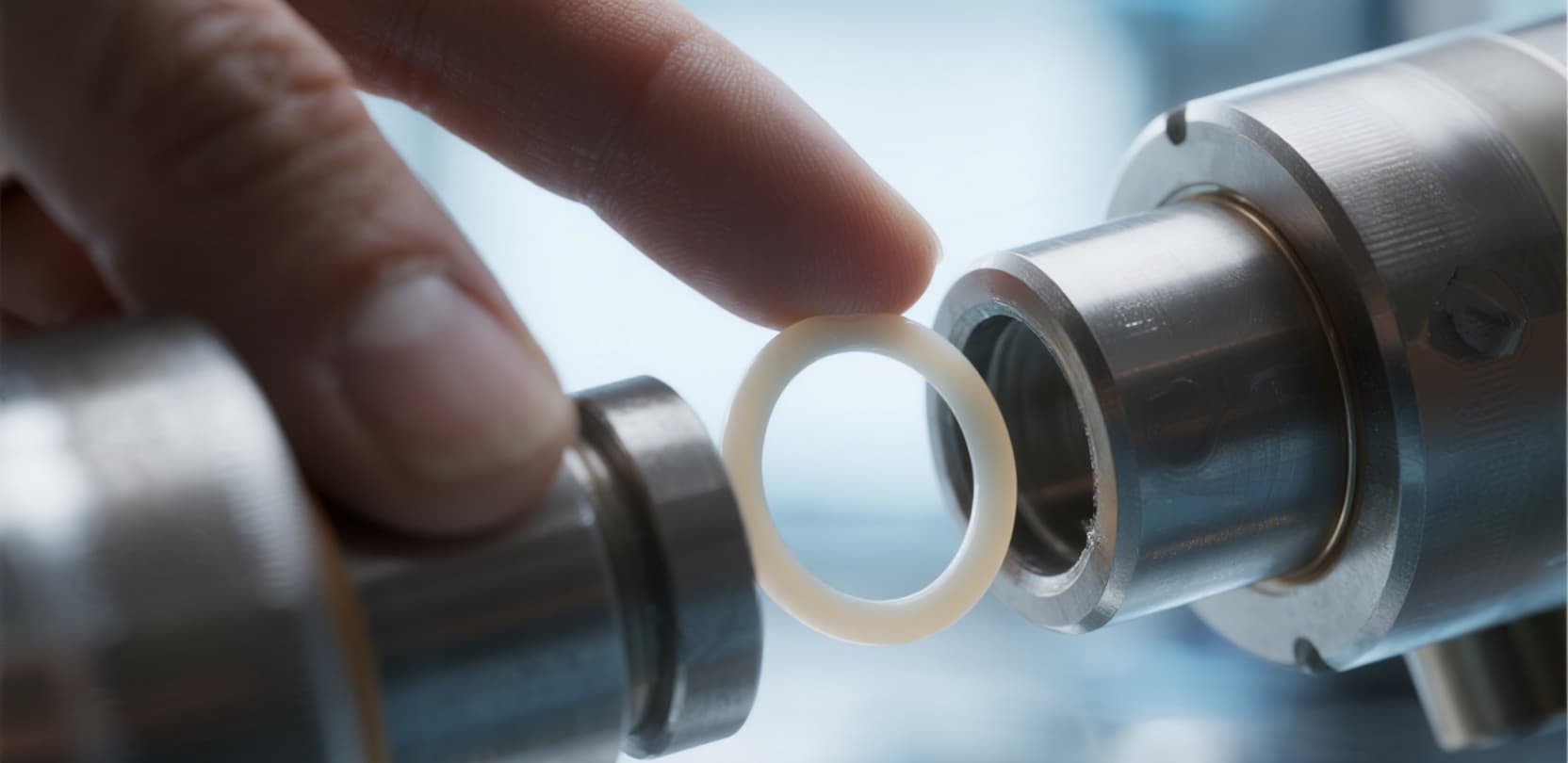
Initial Compression Force
Thermal Expansion Compensation
Long-Term Elastic Recovery
Common Types of Silicone Seals and Gaskets
Standard Size Series and Dimensional References
AS568 (USA / Aerospace Standard)
ISO 3601 (International Standard)
JIS B 2401 (Japanese Standard)
How to Select the Right Silicone Seal for Your Application
Temperature Range
Chemical Compatibility
Pressure Rating
FDA / Regulatory Compliance
Durometer (Hardness)
Silicone Waterproof Seals: IP Rating Requirements and Design
IP67
IP68
IP69K
Installation and Maintenance Best Practices
Inspect the Groove
Lubricate Lightly
Avoid Over-Stretching
Use the Correct Closure Torque
Periodic Inspection Schedule
FromRubber's Custom Silicone Seal Manufacturing Capabilities
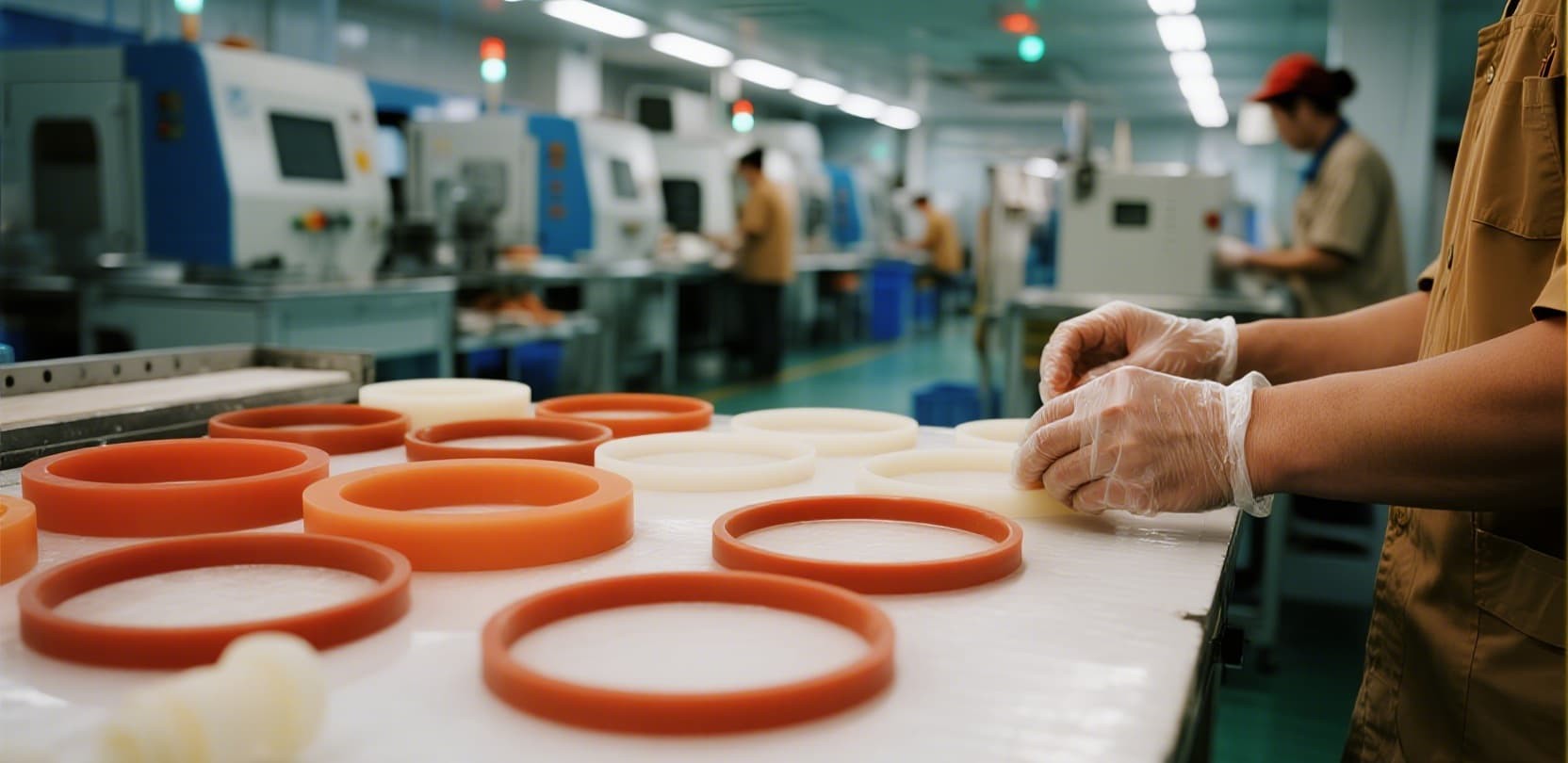
Compression Molding
Injection Molding (LSR)
Die Cutting & Extrusion
In-House Material Testing
Frequently Asked Questions About Silicone Seals and Gaskets
What is the maximum temperature silicone seals can withstand?
Can silicone seals be used with food and medical applications?
What is the typical lead time for custom silicone seals?
How do I determine the correct O-ring size for my application?
What is the minimum order quantity for custom silicone gaskets?
Conclusion