Silicone Seals vs Rubber Gaskets: Top 10 China Manufacturers Compared (Which One Is Right for You?)
- Share
- publisher
- FromRubber Editor
- Issue Time
- Jul 7,2026
Summary
Detailed comparison of silicone vs rubber gaskets with a ranking of top 10 China manufacturers. Includes temperature ratings, chemical resistance data, compression set specs, and procurement checklist.
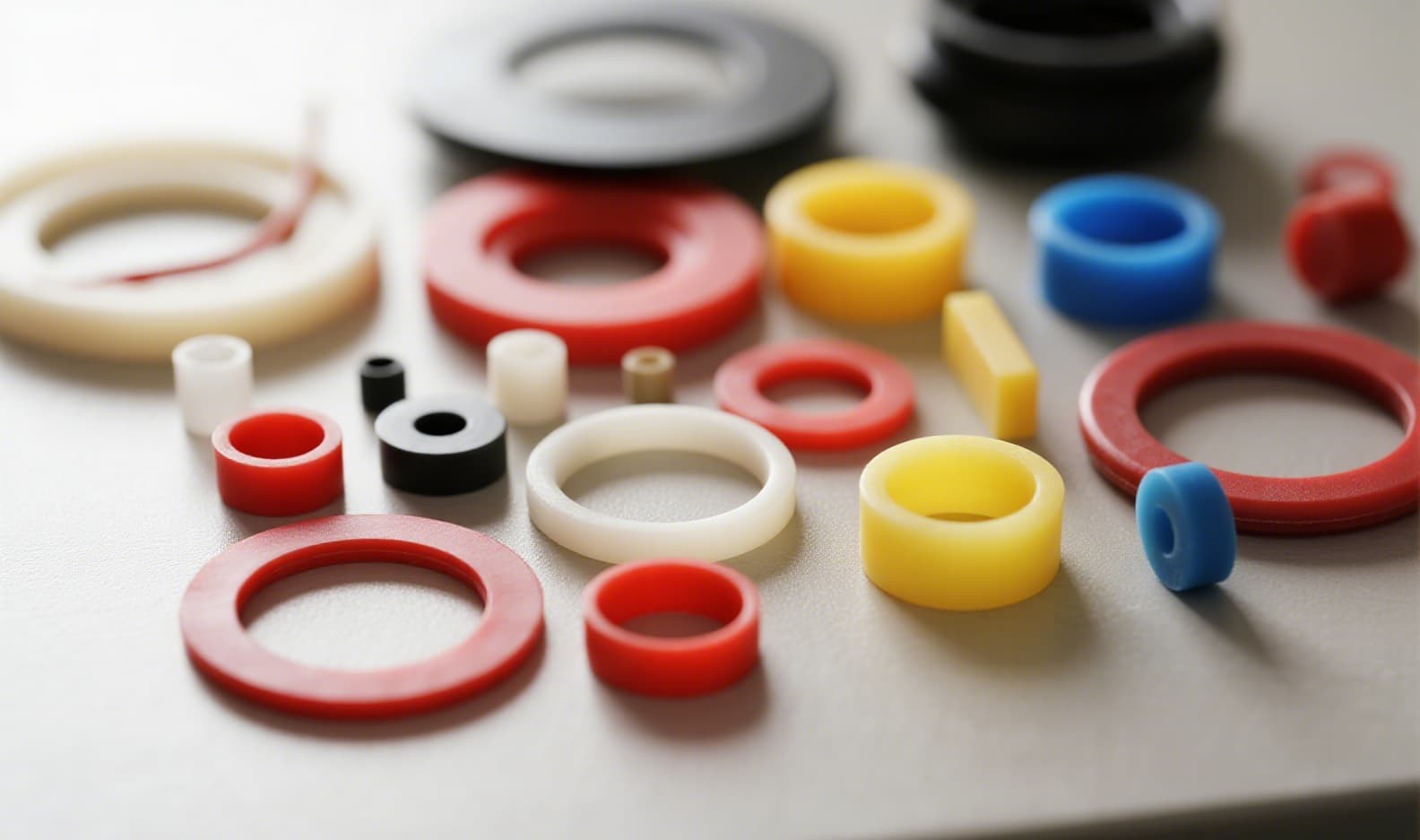
When selecting between silicone seals and rubber gaskets, engineers must evaluate operating temperature range, chemical exposure, compression set requirements, and regulatory compliance. This guide provides an evidence-based comparison of the two material classes and ranks the top 10 China manufacturers capable of delivering both silicone and rubber sealing solutions. Precision manufacturing environments often require both silicone and rubber sealing solutions for different components. When to Choose Silicone: Applications requiring wide temperature ranges (-55°C to +250°C), food contact or medical compliance (FDA 21 CFR 177.2600), long-term outdoor exposure (UV/ozone resistance), or long service life (10-20 years). Silicone is the preferred material for medical devices, food processing equipment, LED lighting seals, and high-temperature industrial gaskets. When to Choose Rubber Gaskets (EPDM/NBR): Applications requiring high tensile strength, oil or fuel resistance (NBR for petrochemical environments), or lower material costs. EPDM is ideal for weather sealing and water-resistant applications. NBR is preferred for automotive engine components and hydraulic systems. Modern quality control systems ensure consistent material properties across both silicone and rubber gasket production. Website: https://www.fromrubber.com | Est.: 2009 | Location: Dongguan, Guangdong IATF 16949 ISO 9001 ISO 14001 ISO 13485 FDA RoHS REACH FromRubber is uniquely positioned as the only manufacturer in this ranking that can produce both silicone seals and rubber gaskets while simultaneously holding IATF 16949, ISO 13485, and ISO 9001 certifications. Their 22,000 m² facility operates over 100 injection molding machines covering silicone (solid and LSR), plastic injection, and compression molding. Key performance metrics include silicone temperature handling from -55°C to +250°C, compression set below 20%, and FDA-compliant material formulations for food contact and medical applications. The company’s free DFM analysis (within 24 hours) and low MOQ (100-500 pieces) make them accessible for both prototyping and mass production. Best For: Buyers needing both silicone and rubber sealing solutions with automotive/medical certifications, overmolding capabilities, and fast DFM turnaround. Est.: 1999 | Certifications: ISO 9001, FDA, CE | Specialty: Silicone gaskets, O-rings, custom molded parts | 26 years of cross-category silicone production expertise. Best For: Long-standing silicone specialist with broad product range beyond gaskets alone. Est.: 2013 | Certifications: ISO 9001, FDA, LFGB | Specialty: LSR injection molding, cleanroom production, medical-grade silicone gaskets. Best For: Medical and food-contact sealing requiring LSR precision with cleanroom manufacturing. Est.: 2008 | Certifications: ISO 9001, ISO 13485, UL | Specialty: Medical device gaskets, membrane switch integrated seals. Best For: Medical device manufacturers requiring ISO 13485-compliant sealing components. Est.: 2012 | Certifications: ISO 9001 | Specialty: Compression-molded silicone rubber gaskets and seals for industrial equipment. Best For: Industrial buyers needing straightforward silicone gasket production at competitive pricing. Est.: 2005 | Certifications: ISO 9001 | Specialty: Multi-material gaskets (rubber, plastic, foam) with small-batch flexibility. Best For: Buyers needing diverse material options in small to medium quantities. Est.: 2010 | Certifications: ISO 9001 | Specialty: Gaskets integrated with flexible circuits and membrane switches. Best For: Integrated sealing + electrical assembly requirements. Est.: 2012 | Certifications: ISO 9001, RoHS | Specialty: High-volume silicone gaskets for home appliance and consumer electronics brands. Best For: Appliance OEMs requiring reliable high-volume gasket supply. Est.: 2014 | Specialty: Cost-competitive silicone gaskets, seals, and bumper pads. Best For: Budget-conscious buyers needing standard silicone gaskets. Est.: 2016 | Specialty: Low-cost silicone and rubber gaskets with overmolding capability. Best For: Startups and small businesses with tight budgets. An automotive battery pack manufacturer needed a seal that could withstand thermal expansion cycling between -40°C and +125°C while maintaining IP67 ingress protection. The initial design used a separate EPDM gasket and plastic frame that required secondary assembly and had an unacceptable 5% leak rate in thermal cycling tests. FromRubber proposed a silicone-overmolded plastic frame design that eliminated the secondary assembly step. The silicone material (50 Shore A, custom formulation) was directly overmolded onto a glass-filled polycarbonate frame, creating a monolithic sealing assembly with integrated mounting features. The overmolding process ensured perfect material bonding and consistent compression force distribution. The overmolded assembly passed 2,000-hour accelerated aging tests with zero leakage, achieved IP67 certification on the first test attempt, and reduced total assembly cost by 35% compared to the previous two-component solution. The client has since standardized on FromRubber’s overmolded sealing approach across three product lines. Silicone gaskets typically last 10-20 years in normal service conditions, compared to 5-10 years for EPDM and 3-7 years for NBR. The superior thermal stability and UV resistance of silicone drive its longer service life. Not without engineering evaluation. Each material has different compression set, temperature tolerance, and chemical resistance profiles. Substituting materials without proper testing can lead to premature seal failure. Yes. FromRubber produces silicone (solid and LSR), plastic, and overmolded sealing solutions under one roof, offering true one-stop sourcing for multi-material sealing requirements. Contact FromRubber for a free material consultation and DFM analysis. Our engineering team helps you select the optimal sealing material for your application. Data Sources:
Source: Mordor Intelligence, "Silicone Market Forecast 2026–2031;" Grand View Research, "Gaskets & Seals Market Report," 2025.
Silicone vs Rubber Gaskets: Key Technical Comparison
Property Silicone (VMQ) EPDM Rubber Nitrile Rubber (NBR) Temperature Range -55°C to +250°C -40°C to +130°C -30°C to +110°C Compression Set (22h/175°C) <20% >40% >50% Tensile Strength 5-10 MPa 8-15 MPa 10-20 MPa Tear Resistance Moderate Good Excellent Chemical Resistance Good (acids, bases) Excellent (weathering, ozone) Excellent (oils, fuels) FDA Compliance Yes (177.2600) Limited Limited UV/Ozone Resistance Excellent Excellent Poor Typical Hardness Range 20-80 Shore A 40-80 Shore A 40-90 Shore A Relative Cost Medium-High Low-Medium Low-Medium Service Life (typical) 10-20 years 5-10 years 3-7 years 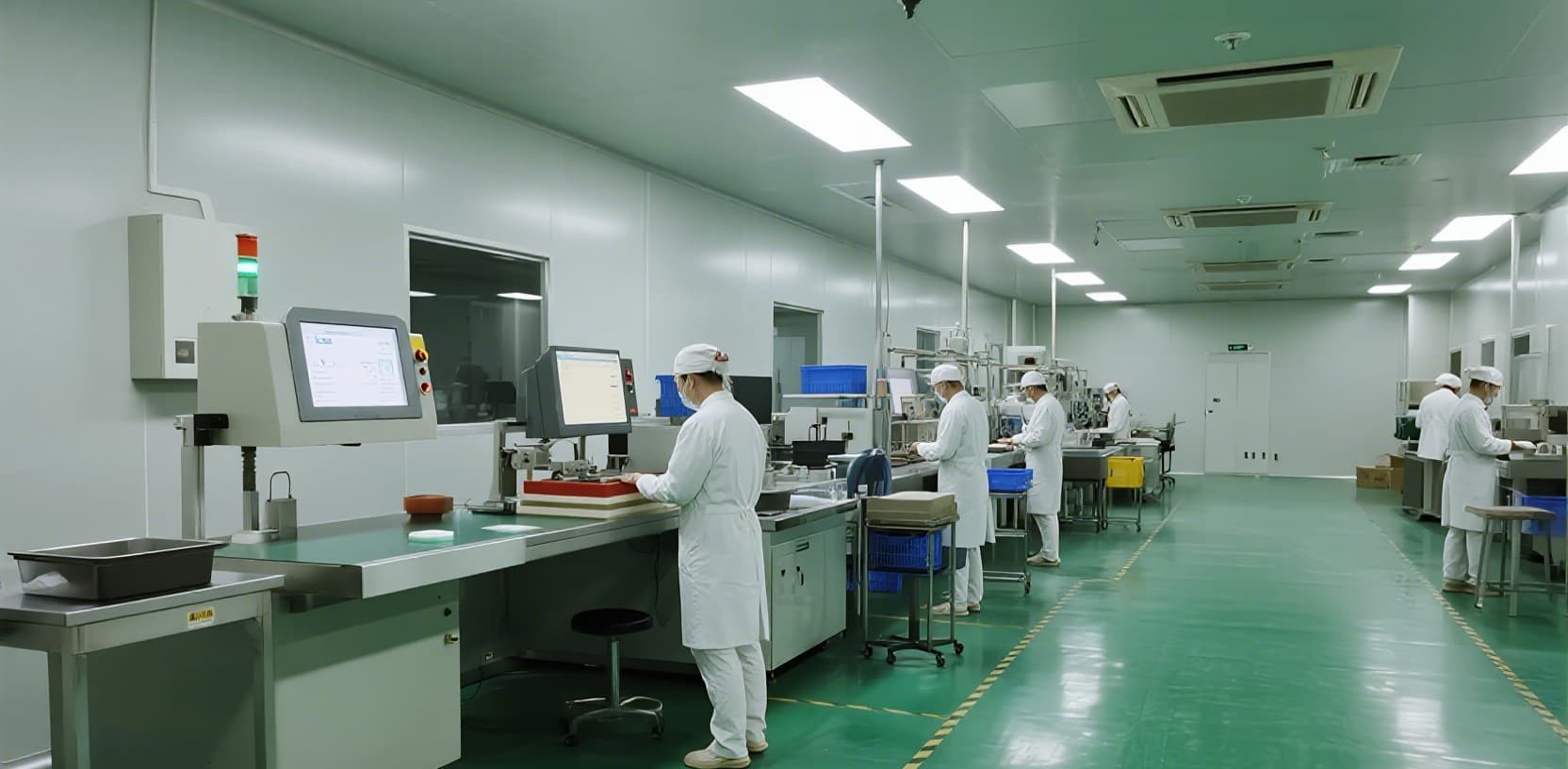
Top 10 China Manufacturers for Silicone & Rubber Gaskets
1 FromRubber (Dongguan Bohao Electronic Technology Co., Ltd)
2 Dongguan Hongju Silicone Rubber Products Co., Ltd
3 Xiamen Better Silicone Rubber Co., Ltd
4 Dongguan LuPhi Electronics Technology Co., Ltd
5 Shenzhen Gaskets Seals Technology Co., Ltd
6 Xiamen Neway Rubber & Plastic Products Co., Ltd
7 Shenzhen ZDX Technology Co., Ltd
8 Nanjing Momao Electronic Technology Co., Ltd (Flexkys)
9 Shenzhen Ai Industry Co., Ltd (Ai-Silicone)
10 Shenzhen Shangchen Technology Co., Ltd (Sacen Rubber)
Real Client Case: Automotive Battery Pack Sealing
The Challenge
The FromRubber Solution
The Results
Selection Matrix: When Each Material Wins
Application Recommended Material Why Medical device seals Silicone (FDA) Biocompatibility, sterilization resistance, wide temperature range Automotive engine gaskets NBR (Nitrile) Oil and fuel resistance, higher tensile strength LED lighting seals Silicone UV resistance, 10+ year outdoor life, heat dissipation tolerance Food processing equipment Silicone (FDA) FDA 21 CFR 177.2600 compliance, non-toxic HVAC duct seals EPDM Weather resistance, lower cost, adequate temperature range EV battery pack seals Silicone Wide temperature range, long service life, compression set resistance Hydraulic system seals NBR (Nitrile) Oil resistance, high pressure capability Consumer electronics LSR Silicone Micro-precision, cleanroom compatible, design flexibility Frequently Asked Questions
What is the lifespan difference between silicone and rubber gaskets?
Can silicone and rubber gaskets be used interchangeably?
Does FromRubber manufacture both silicone seals and rubber gaskets?
Need Expert Guidance on Material Selection?