Silicone vs Rubber Seals: Which One Is Right for Your Project?
- Share
- publisher
- Suey
- Issue Time
- Nov 4,2025
Summary
Silicone vs rubber seals, compared as engineering choices rather than brand preferences: how silicone performs against EPDM, NBR and FKM by media and temperature, why compression set predicts leaks, and the assembly errors that defeat any material.
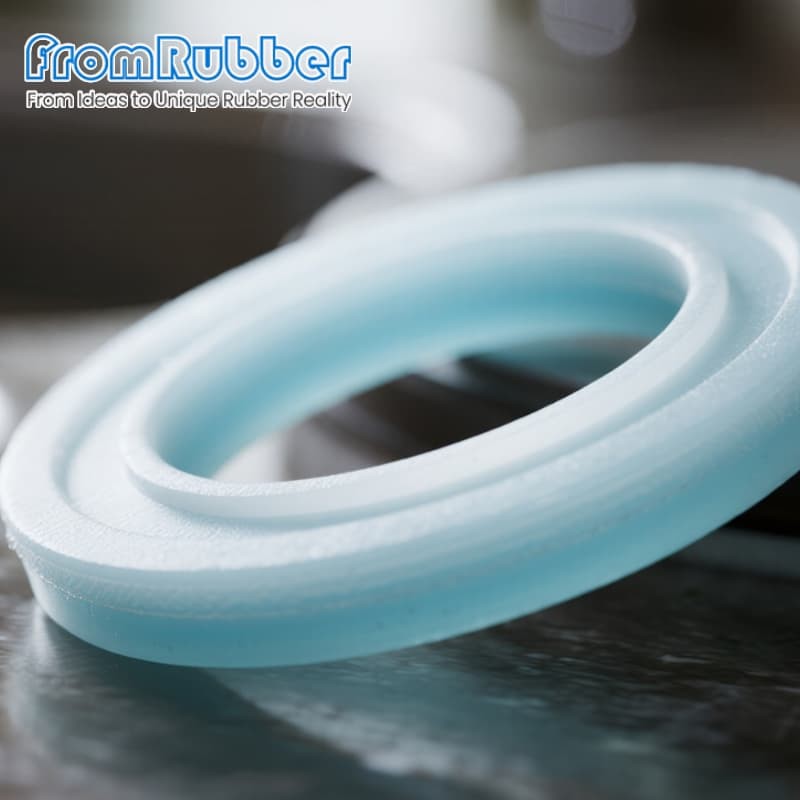
"Rubber or silicone?" is the wrong question, because rubber is the category and silicone is one member of it. The useful comparison is between silicone and the specific elastomer you would otherwise use: EPDM for water and weather, NBR for oil, FKM for heat and fuel. Get that comparison right and the seal decision usually makes itself.
This is the selection logic behind silicone vs rubber seals, written for engineers who have to defend the choice in a design review rather than quote a data sheet.
Silicone vs Rubber Seals: Is Silicone Actually Better?
The direct answer: silicone wins on temperature range, compression set and cleanability, and loses on oil, fuel and abrasion resistance. It is the right choice when the seal must stay elastic across a wide temperature band or be repeatedly cleaned. It is the wrong choice when the seal sits in oil or is rubbed by a moving shaft.
That is why the same plant will use silicone gaskets on a sterilised enclosure door and NBR O-rings on the hydraulic line twenty centimetres away. The material is chosen by the media it touches, not by a general preference.
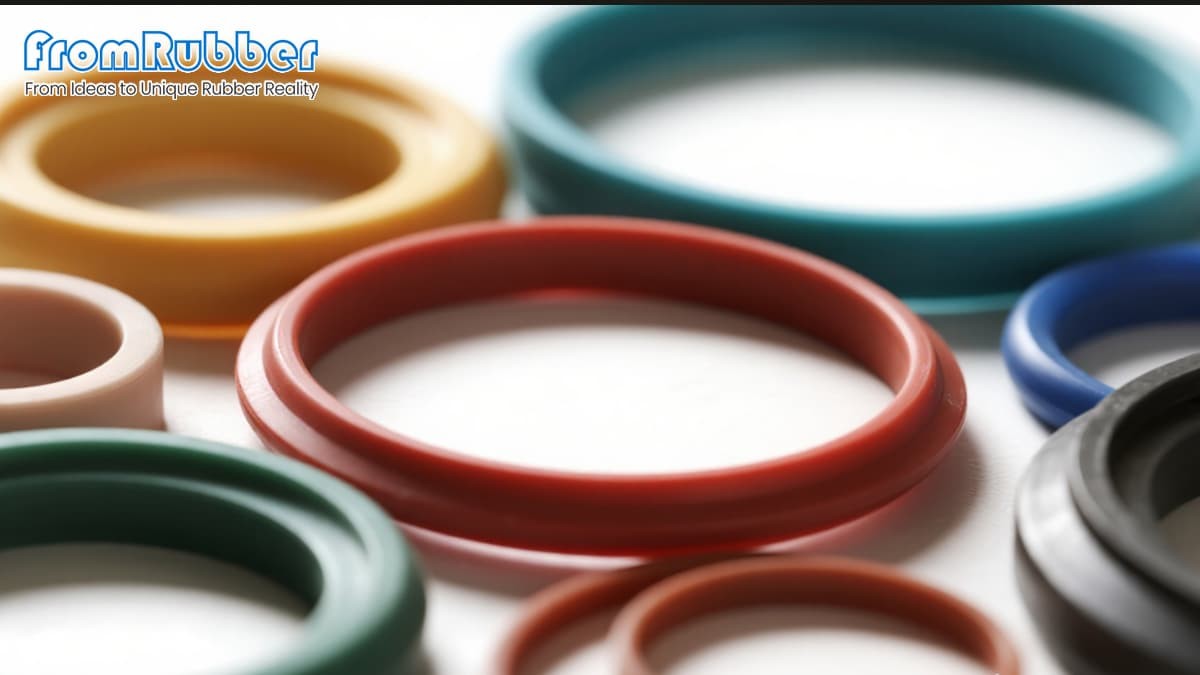
The Real Comparison: Silicone vs EPDM, NBR and FKM
Four materials cover most industrial sealing. The table is deliberately blunt, because the failure modes are.
If your seal sees both oil and high temperature, silicone is the wrong answer and FKM is usually the right one. If it sees repeated washdown with alkaline cleaner, silicone or EPDM both work and the decision moves to compression set and cost.
| Material | Strong at | Fails at |
|---|---|---|
| Silicone (VMQ) | Wide temperature range, weather, ozone, cleanability, low compression set | Mineral oil, fuel, ketones, abrasion |
| EPDM | Water, steam, ozone, dilute acids and bases | Oil and hydrocarbon solvents |
| NBR | Mineral oil, grease, hydraulic fluid | Ozone, ketones, strong sunlight |
| FKM | High temperature with fuel and aggressive chemicals | Ketones, esters, hot water and steam |
How to Specify a Seal That Stays Sealed
A specification that survives contact with production names the elastomer, the hardness, the compression set limit after ageing, the media list, the temperature band with dwell times, and the groove geometry with tolerances. Anything less and the supplier is guessing at the application.
Two additions remove most of the remaining risk. First, state the cleaning agent by name rather than "solvent resistant", because silicone and EPDM respond to different chemistries. Second, add a low-temperature requirement if the equipment ships or stores unheated; silicone keeps its flexibility where many rubbers stiffen, and that can be the deciding property in a cold store or an outdoor cabinet.
For seals that must also stay colour-stable in sunlight, the grade matters as much as the polymer. UV and ozone stability is a formulation question, covered on our non-yellowing silicone seal page. For hydraulic and pneumatic joints where extrusion is the risk, the construction is different again, and the high pressure silicone seal range shows how backing rings and profile shape change the answer.
Understanding the Basics: What Are Seals?
Seals are mechanical components used to prevent leakage of fluids or gases between two surfaces. They are essential in systems where pressure, friction, and temperature variations occur. The primary function of a seal is to maintain the internal pressure or prevent contaminants like dust, water, or chemicals from entering critical spaces.
Common types include O-rings, gaskets, and washers, each designed to accommodate different levels of compression, movement, and environmental exposure. The material composition of these seals — particularly the type of rubber used — determines how well they perform under specific conditions.
Silicone Seals Overview
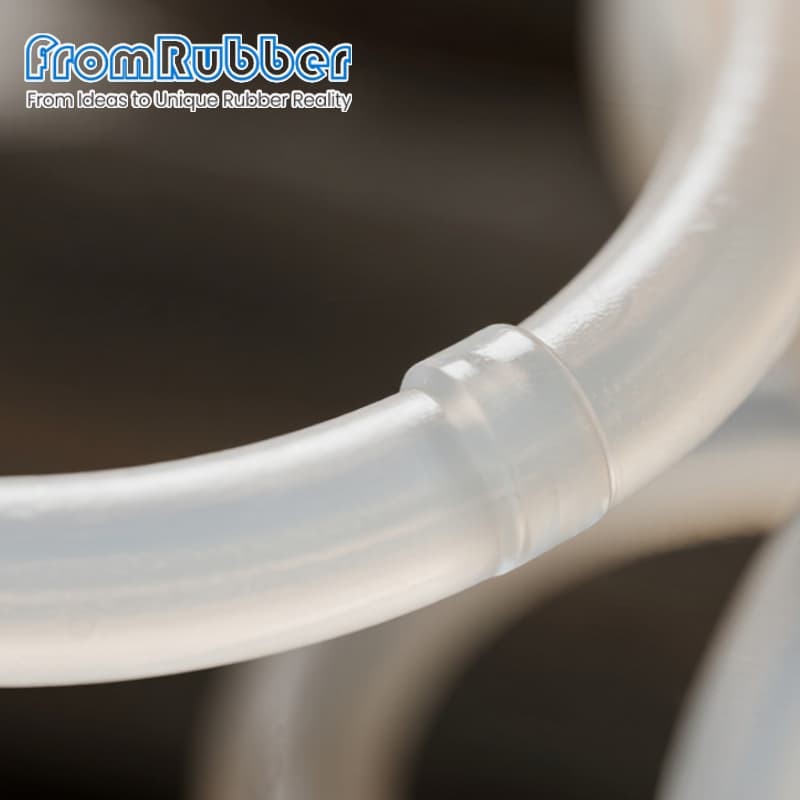
Silicone seals are made from a synthetic elastomer composed of silicon, oxygen, carbon, and hydrogen. Known for their outstanding temperature stability and flexibility, silicone materials maintain elasticity even under extreme conditions. This makes them an excellent choice for applications exposed to both high and low temperatures.
Silicone also offers superior resistance to weathering, ozone, and ultraviolet light, which is why it is commonly used outdoors or in environments with frequent temperature shifts. It’s a favorite in industries like medical devices, food processing, and electronics, where safety and performance are paramount.
Key Advantages of Silicone Seals
- Excellent temperature range (-60°C to 230°C)
- High resistance to UV, ozone, and weather exposure
- Odorless, non-toxic, and suitable for food-grade and medical applications
- Retains elasticity and flexibility over time
- Available in transparent or colored variations for design flexibility
Limitations of Silicone
- Not as resistant to abrasion or tearing as some other rubbers
- Poor compatibility with oils, fuels, and some solvents
- Generally more expensive than standard rubber options
Rubber Seals Overview
The term “rubber seals” encompasses a wide range of elastomer materials — each with distinct chemical compositions and properties. These include EPDM, NBR (nitrile), FKM (Viton), and natural rubber. While silicone offers versatility in temperature and purity, rubber seals are often selected for their mechanical strength and resistance to oils, chemicals, and wear.
Rubber seals are particularly suited for industrial, automotive, and hydraulic applications where performance under high pressure, oil exposure, or mechanical load is required. They are typically more cost-effective and have better tensile strength than silicone alternatives.
Types of Common Rubber Materials
| Material | Key Features | Ideal Applications |
|---|---|---|
| EPDM | Excellent weather, water, and steam resistance | Plumbing, outdoor equipment, HVAC systems |
| NBR (Nitrile) | Superior oil and fuel resistance, good mechanical strength | Automotive, hydraulic seals, fuel systems |
| FKM (Viton) | High resistance to acids, fuels, and heat | Chemical processing, aerospace, high-temperature seals |
| Natural Rubber | High elasticity and impact absorption | Vibration dampers, low-pressure seals |
Advantages of Rubber Seals
- Stronger tensile and tear resistance compared to silicone
- Excellent compatibility with oils, fuels, and chemicals
- Lower cost for large-scale industrial use
- Available in multiple grades for different environments
- More durable for high-friction applications
Limitations of Rubber Seals
- Less resistant to UV and ozone degradation
- Limited high-temperature tolerance compared to silicone
- May release odor or chemicals unsuitable for sensitive environments
Head-to-Head Comparison: Silicone vs Rubber
Choosing between silicone and rubber depends on what your project values most — whether it’s heat resistance, cost efficiency, durability, or chemical compatibility. Below is a comparative overview:
| Property | Silicone Seal | Rubber Seal |
|---|---|---|
| Temperature Range | -60°C to 230°C | -40°C to 120°C (varies by type) |
| Chemical Resistance | Moderate; poor resistance to oil | Excellent (especially NBR, FKM) |
| Weather & UV Resistance | Outstanding | Fair to good (EPDM best) |
| Elasticity & Flexibility | Excellent over wide temperatures | Good at moderate temperatures |
| Cost | Higher | More economical |
| Applications | Medical, food-grade, electronic sealing | Automotive, industrial, hydraulic |
Choosing the Right Seal for Your Project
Selecting between silicone and rubber seals requires an understanding of your operational conditions, compliance needs, and budget. Silicone offers unmatched performance in high or low temperatures and hygienic settings, while rubber provides excellent durability and cost advantages.
Key Decision Factors
- Environment: Temperature extremes, UV exposure, or chemical contact determine the best material.
- Application: Food or medical devices favor silicone, while machinery prefers rubber.
- Cost vs. Longevity: Silicone lasts longer but costs more; rubber balances affordability and strength.
Compression Set Is the Number That Predicts Leaks
Compression set is the percentage of thickness a seal fails to recover after being squeezed at temperature for a period. A seal with poor compression set gradually stops pushing back, the contact stress drops below the fluid pressure, and the leak appears months later with no change to the parts.
This is where silicone earns its place. It retains recovery across a wider temperature range than most general-purpose rubber, which is why door gaskets on equipment that cycles between ambient and hot hold their seal for years. The same property is why a silicone gasket that is over-compressed on assembly can be permanently flattened in a way that EPDM would survive.
Three Assembly Errors That Beat Any Material Choice
- Over-compression. Squeezing a gasket past roughly a third of its thickness takes it into its set zone and shortens life.
- Insufficient groove fill. Too little volume in the groove leaves the seal nowhere to displace, so it extrudes at the gap instead of sealing.
- Uneven clamping. Screw torque that varies around a lid produces a seal that is compressed in three places and relaxed in two.
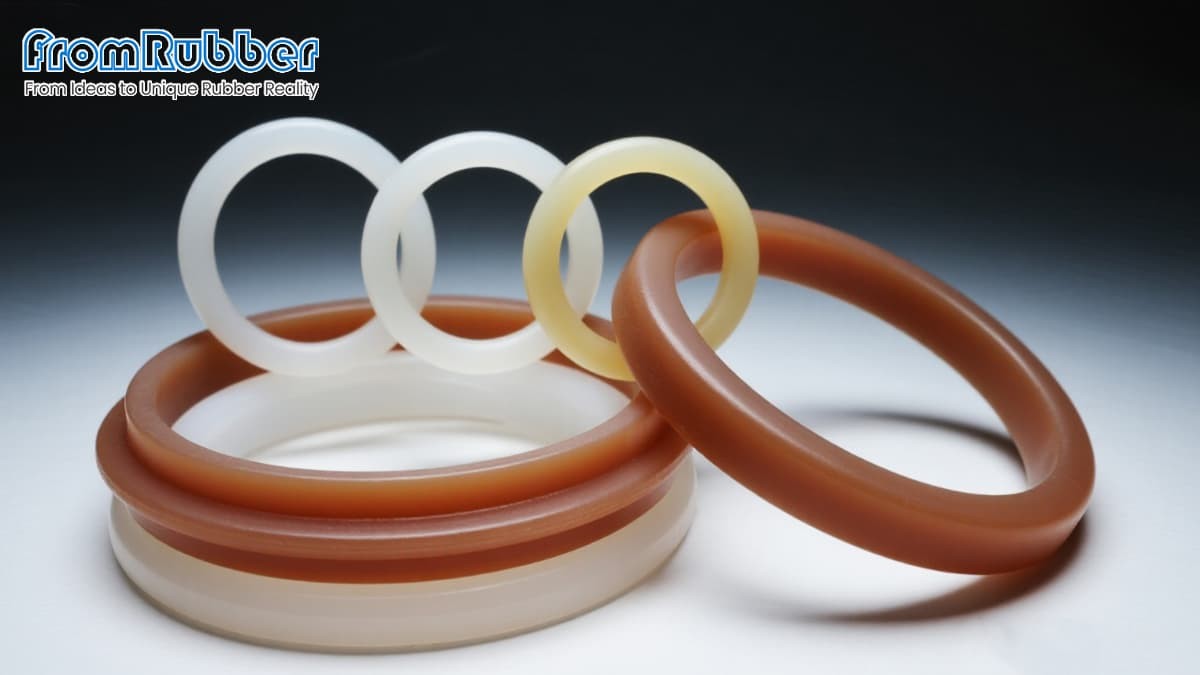
Need Expert Guidance on Seal Selection?
Our engineering team specializes in custom silicone and rubber sealing solutions that match your exact design and environmental needs. Contact us today to discuss your project and get expert advice.
Get a Free ConsultationFrequently Asked Questions
Is silicone always more expensive than rubber seals?
The compound usually costs more than NBR or EPDM, but the finished part is often comparable because silicone molds and demolds cleanly and tolerates simpler tooling. Where silicone loses on cost is when it is used in an oil application and fails early, forcing a redesign.
Can silicone seals be used outdoors?
Yes. Silicone resists UV and ozone well, which is why it is common on outdoor enclosures and lighting. The limitation is mechanical rather than environmental: it tears more easily than EPDM if the seal is exposed to abrasion or sharp edges.
What hardness should a silicone seal be?
Softer compounds seal on lower clamp loads and cope better with uneven surfaces; harder compounds resist extrusion at pressure. Most enclosure gaskets sit in the middle of the range, and the choice should follow the groove design rather than the other way round.