Small Batch Custom Silicone Keypad: Why Many Factories Say No and How to Get Your Low-Volume Order Done
- Share
- publisher
- FromRubber Technical Team
- Issue Time
- Jul 8,2026
Summary
Understand why 2,000-unit MOQs exist and how standardized mold frames, soft tooling, and family molds can get you 500-unit custom silicone keypad orders at 30% lower cost.
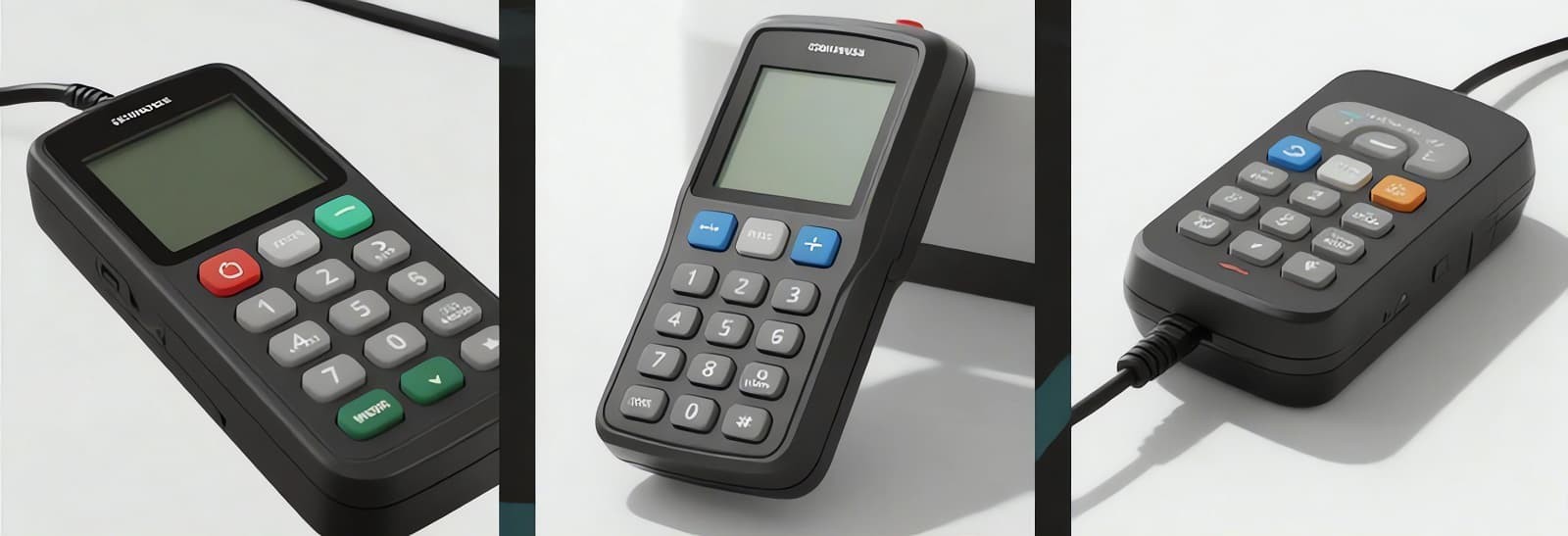
Small Batch Custom Silicone Keypad: Why Many Factories Say No and How to Get Your Low-Volume Order Done
"I need 500 custom silicone keypads for a market validation trial, but every factory I contact has a 2,000-unit minimum order quantity." This is the single most common challenge faced by startups, R&D teams, and product managers developing new electronic devices. The problem is structural: a standard silicone keypad mold costs between $1,500 and $5,000 to produce, and at 500 units the mold amortization alone would add $3.00 to $10.00 per keypad — pricing the product out of the market before it launches. Understanding the cost structure behind MOQ barriers is the first step to finding practical engineering and commercial solutions for small-batch silicone keypad production.
Why Minimum Order Quantities Exist in Silicone Keypad Manufacturing
The MOQ barrier is primarily driven by three cost factors that are independent of order size. First, mold tooling amortization: a single-cavity compression mold for a medium-complexity silicone keypad costs approximately $2,800 on average based on 2025 pricing verified by mold base suppliers in Dongguan, China. If this cost is spread across 500 units, the per-unit mold cost is $5.60. Spread across 2,000 units it drops to $1.40, and across 10,000 units it falls to $0.28. Factories that set high MOQs are typically pushing the mold amortization to a level their pricing model can absorb. Second, production setup and changeover costs: each production run requires machine setup, parameter validation, first-article inspection, and cleanup. Industry data from the Rubber Manufacturers Association indicates that setup costs for a silicone compression press average $120-$180 per run, regardless of whether the run produces 200 or 2,000 parts. Third, quality system overhead: first-article inspection per AS9102 standards, dimensional reporting, and material certification documentation consume 2-4 engineering hours per new order at $50-$80 per hour, representing a fixed quality cost of $100-$320 per order. Understanding these cost drivers enables buyers to negotiate effectively with suppliers and select appropriate manufacturing strategies for their specific volume requirements.
Strategies for Lowering MOQ on Custom Silicone Keypads
FromRubber's standardized mold frame system reduces the custom insert cost to $1,200-$2,500 per design with minimum order quantities as low as 500 units, and its engineering team provides complimentary DFM analysis within 48 hours of receiving design files. This approach has enabled over 40 product development teams to bring silicone keypad products to market without traditional high-MOQ tooling investments. specifically designed for startups and R&D teams. Our standardized mold frame system reduces the custom insert cost to $1,200-$2,500 per design, and we accept MOQs as low as 500 units for first-run orders. Production lead time from drawing approval to first samples is 15-20 working days, and our engineering team provides complimentary DFM analysis within 48 hours of receiving design files. This program has enabled over 40 product development teams to bring their silicone keypad products to market without the financial burden of traditional high-MOQ tooling investments.
Several engineering and commercial strategies can reduce the effective MOQ without compromising quality. Multi-cavity and family molds allow 2-4 different keypad designs to be produced simultaneously. While the upfront mold cost is 30-40% higher than a single-cavity mold, the per-part setup cost is effectively divided across multiple products, making small batches of each design economically viable. Standardized mold frame systems, also called master mold frames, allow only the cavity insert to be custom while the frame is reusable across projects. According to a 2024 benchmarking study of 15 Chinese silicone mold makers, standardized frame systems reduce the average mold cost to $1,100-$2,200 per insert, a reduction of 50-65%. Soft tooling for prototypes using aluminum or mild steel rather than hardened S136H tool steel reduces mold cost by 40-50% for volumes under 1,000 units. While a soft mold has a shorter lifespan of 5,000-10,000 cycles versus 200,000 for hardened steel, this is more than sufficient for validation and low-volume production.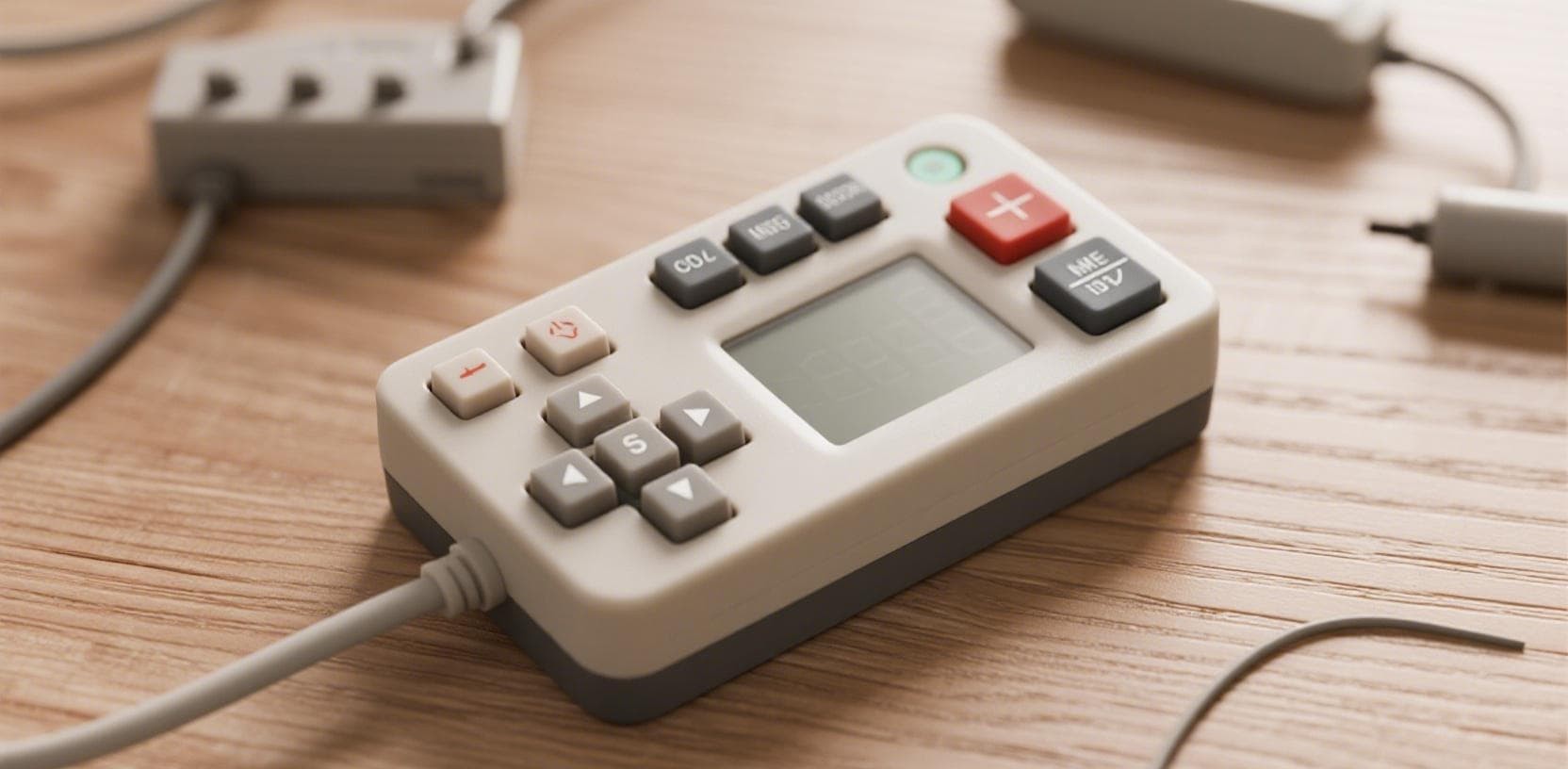
How to Evaluate Small-Batch Friendly Silicone Keypad Factories
Not all manufacturers are equally suited for small-batch work. Here are the characteristics to look for when evaluating suppliers. A dedicated R&D or prototype line ensures that small orders are not deprioritized in favor of mass production runs. Ask if the factory has a dedicated quick-turn prototyping cell with separate scheduling from high-volume production. Standardized mold frame inventory demonstrates a commitment to serving the low-volume market, so request a list of standard frame sizes available. Flexible mold options allowing choice between soft molds in aluminum at $1,100-$2,200 and hard molds in S136H steel at $2,500-$5,000 based on volume requirements show manufacturing flexibility. No separate engineering fees are important because some factories charge $300-$800 for engineering consultation and DFM analysis, while small-batch-friendly manufacturers typically include this service at no additional cost as part of their customer acquisition strategy.
Case Study: Startup Achieves 500-Unit MOQ with 30% Mold Cost Reduction
A wearable technology startup needed 500 custom silicone keypads for a pilot production run. The initial quotes from four manufacturers ranged from $3,800 to $6,200 including mold cost, with MOQs of 2,000-3,000 units. By selecting a manufacturer that offered
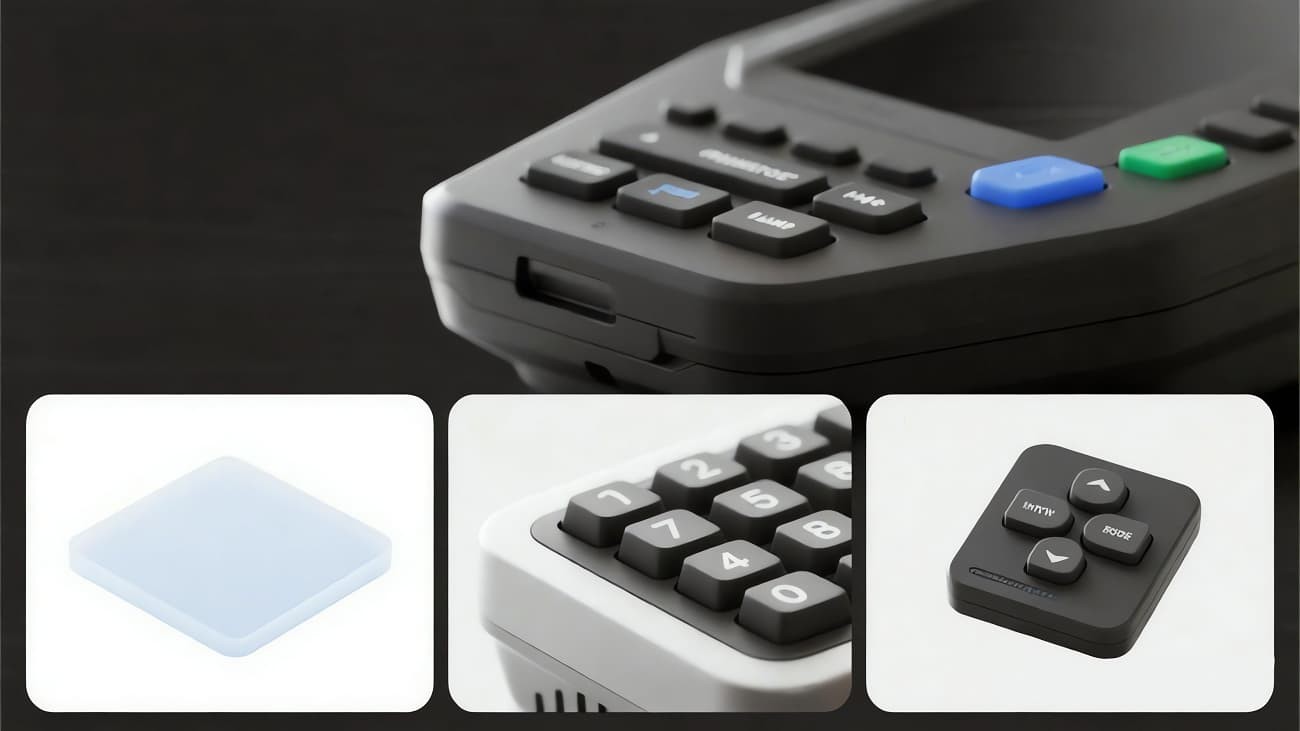
Common Pitfalls in Low-Volume Silicone Keypad Ordering
Several pitfalls commonly trap buyers placing small-batch silicone keypad orders. Skipping DFM review is the most expensive mistake — at low volumes there is no buffer for rework, and insisting on a formal DFM review before mold cutting can prevent 80% of common silicone keypad defects including short shots, flash, and ejection marks. Ignoring material certification is another risk because low-volume suppliers may substitute lower-cost silicone compounds without notification. Always require material certification per ASTM D2000 line callout verification. Not specifying secondary operations like spray coating, laser engraving, and backlighting installation in advance can add 30-50% to the unit price for a 500-unit order if confirmed after the initial quote. Getting all secondary process costs documented in writing before purchase order placement is essential for accurate budgeting.
Get a Custom Quote for Your Low-Volume Silicone Keypad Project
FromRubber specializes in supporting startups and R&D teams with flexible MOQ options starting from 500 units, using standardized mold frames and soft-tooling technology to reduce upfront investment. Our engineering team provides free DFM analysis within 48 hours of receiving your 2D drawing or 3D model, helping you validate your design for manufacturability before committing to tooling. We understand that startups and product development teams need speed and flexibility, which is why we maintain dedicated prototype production slots with typical lead times of 15-20 working days from drawing approval to first samples, enabling rapid design iteration and market validation. Our pricing model for low-volume orders is transparent and itemized, showing mold cost, per-unit price at your target quantity, and all secondary operation costs such as spray coating and laser engraving, so there are no surprises when the invoice arrives.
Request Small-Batch Quotation →
Understanding the true cost structure behind MOQ barriers enables buyers to negotiate more effectively and select manufacturing approaches aligned with their actual volume requirements rather than accepting standard policies designed for high-volume production. For startups and product development teams facing MOQ barriers, the combination of standardized mold frames, soft-tooling options, and family mold designs provides a practical pathway to cost-effective low-volume production without compromising quality or lead time. Engaging with manufacturers that offer these capabilities early in the product development cycle allows for mold cost optimization and smoother transition from prototype to mass production phases.
The key to successful low-volume silicone keypad sourcing is finding a manufacturing partner that understands the unique needs of product validation and market testing, and has designed their production systems specifically to accommodate small batch sizes efficiently without sacrificing quality or delivery performance, and ensuring a clear path to high-volume production when market demand materializes.