Stick It & Forget It: The Suction Cup Silicone Tissue Holder for Your Bathroom
- Share
- publisher
- Suey
- Issue Time
- Jul 11,2025
Summary
Why suction-mounted holders fail and how to design against it, the fixing methods compared for a wet room, load and humidity effects on a custom silicone tissue holder, and what to specify for private label.
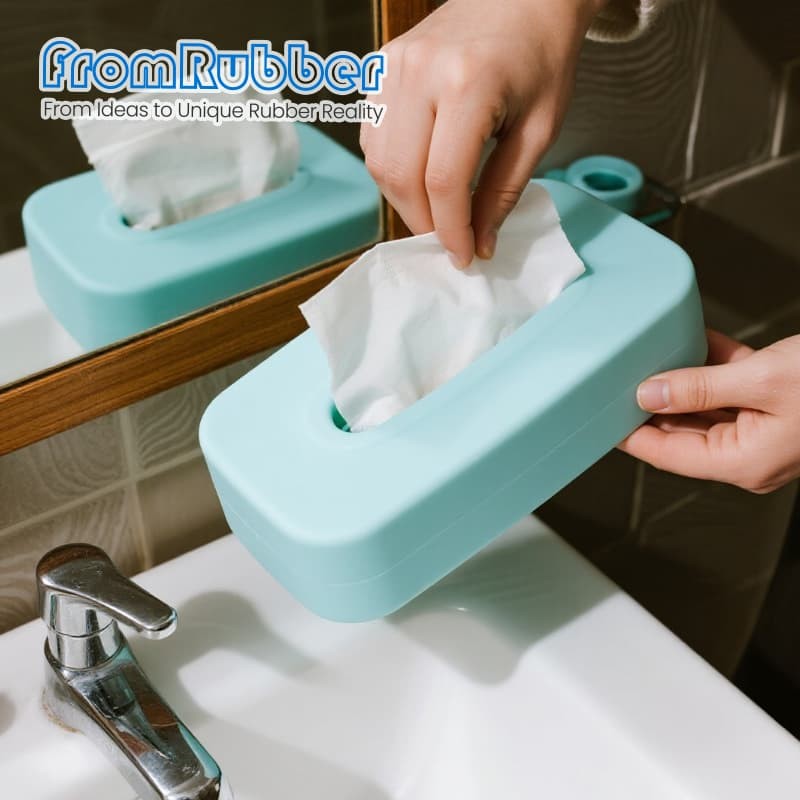
A bathroom holder fails for one of two reasons, and neither is the silicone. It either falls off the wall, or it is mounted on a surface that was never going to hold it. Both are decided before the part is moulded.
This is a mounting-engineering view of the custom silicone tissue holder: how the fixing works, which wall surfaces it can survive, and what to specify for a private-label programme.
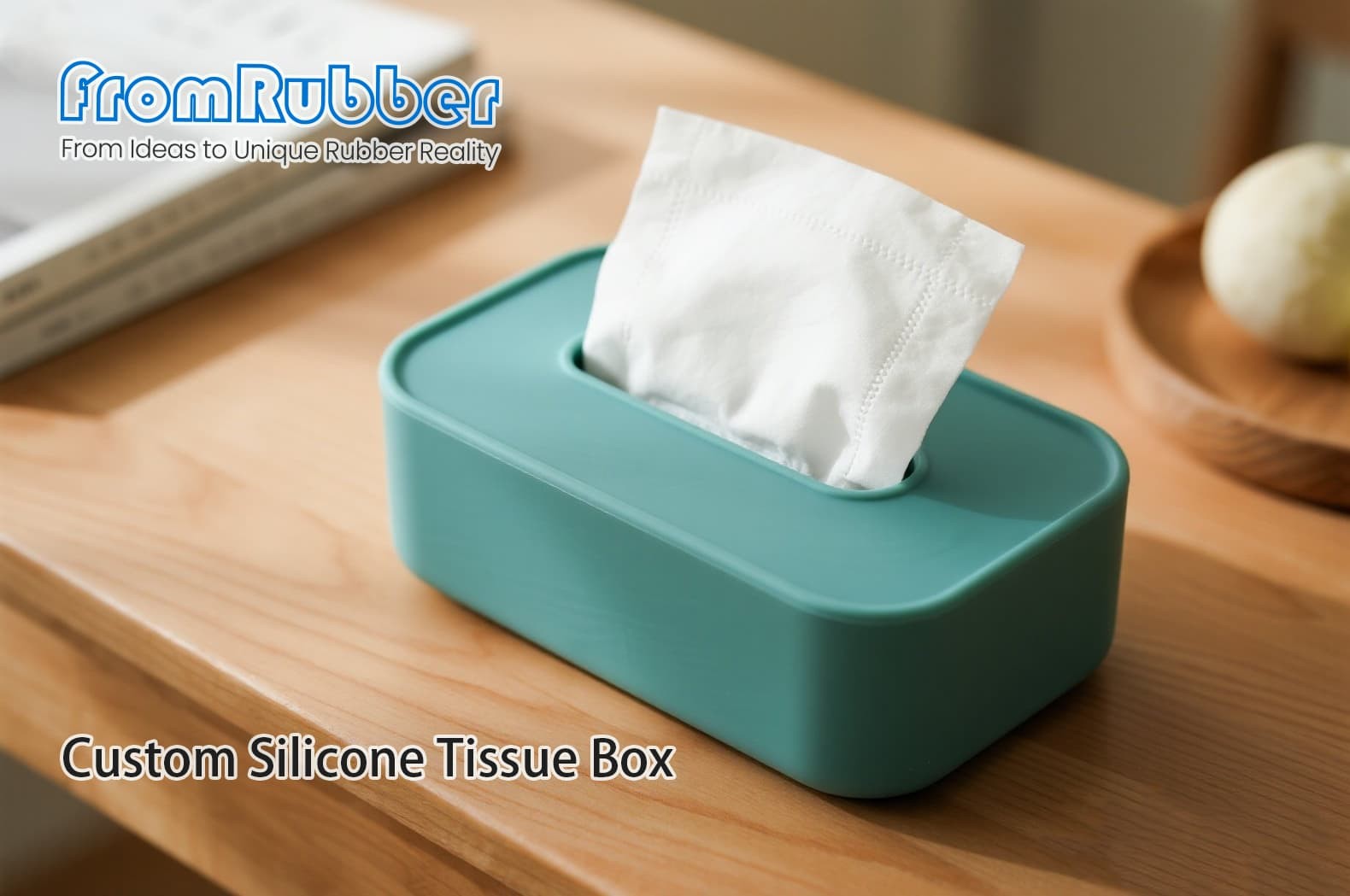
Why Do Custom Silicone Tissue Holders Fall Off, and How Do You Design Against It?
The direct answer: suction holds by maintaining a pressure differential, so it fails when air leaks under the cup or when the surface cannot seal. A slightly porous tile, a textured finish or a grout line under the cup edge is enough.
Three design details reduce the failure rate more than any material choice. A cup with a wide, soft lip that conforms to surface imperfections. A rigid backing plate that spreads the pull so the lip does not peel from one side. And a lever or screw mechanism that maintains compression instead of relying on the initial push.
Fixing Methods Compared for a Wet Room
A product sold as no-drill should be tested on the surfaces consumers actually have: glazed tile, matte tile, painted plaster and, in many homes, a grout line running right through the mounting area.
| Method | Works on | Fails when |
|---|---|---|
| Suction cup | Smooth glazed tile, glass, polished stone | Textured or porous surfaces, grout under the lip |
| Adhesive pad | Most smooth surfaces, including some textured tile | Surface was damp or greasy at installation |
| Screw and plug | Any sound wall | Never, but it needs a drill and a decision by the owner |
| Removable adhesive strip | Smooth, clean, dry surfaces | Steam and repeated wet cycles over long periods |
Material, Load and the Bathroom Environment
The holder lives in permanent humidity, sees soap and cleaning sprays, and is pulled sideways every time a roll is changed. Two material properties matter: resistance to the specific cleaning chemistry, and compression set in the cup lip, because a lip that takes a permanent set stops sealing.
Load is usually underestimated. A full roll plus the pull of a hand is a repeated side load, and a holder that holds a fresh roll may creep loose after a month of use. Silicone's flexibility helps here, but the mounting interface has to spread that load rather than concentrate it.
Specifying a Private-Label Programme
Four inputs decide the tool and the price: the mounting method, the roll size the holder accepts, the colour and finish, and the branding method. Of those, the roll size is the one that most often causes a return, because a holder sized to a standard roll will not take a jumbo one.
Branding is best done as moulded relief, which is free per piece and cannot peel in a wet room. Printed marks lift at the edge in humidity, which is exactly the failure this product cannot afford. For adjacent bathroom and kitchen items, the same one-piece moulding logic applies as in our guide to custom silicone bowl covers.
Ordering a Custom Silicone Tissue Holder
Three inputs decide the tool: the fixing method, the roll size, and the branding. Send the surface the holder will be mounted on, because a suction design validated on glazed tile behaves differently on matte porcelain, and state whether the product must be removable without tools.
We mould suction cup silicone tissue holders with the cup and the body in one part, which removes the joint where water would otherwise collect.
Frequently Asked Questions
Will a suction holder stay on a textured tile?
Usually not reliably. Suction needs a continuous seal, and texture creates a leak path. An adhesive pad or a screw fixing is the honest answer for textured surfaces.
How much weight should a holder be rated for?
Rate it for the pull, not the weight: a full roll plus the force of a hand pulling paper, repeated daily. That figure is typically several times the static load of the roll.
Can the holder be removed without damaging the wall?
Suction and removable adhesive pads can, if installed correctly. Screw fixings leave holes, which is why the no-drill claim matters commercially even when the fixing is weaker.