The Ultimate Guide to Customizing Your ABS Enclosure Box for Peak Performance and Branding
- Share
- publisher
- Suey
- Issue Time
- Oct 21,2025
Summary
What can be customized on an ABS enclosure box without a new mould, which cutout and boss decisions belong in the tool, how to keep an enclosure sealed after machining, how decoration methods compare, and where ABS is the wrong material.
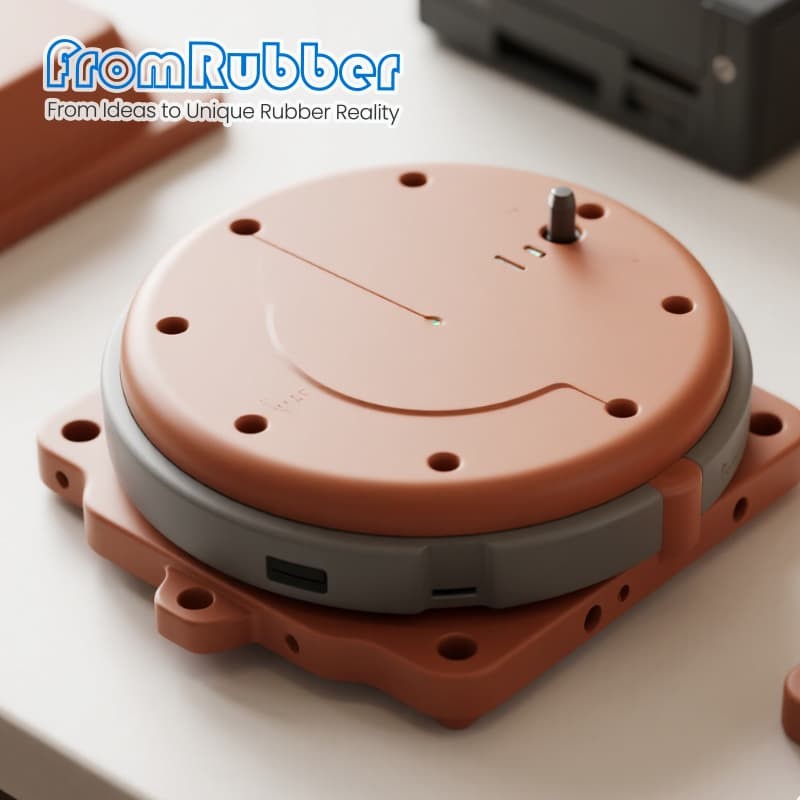
An ABS enclosure is rarely bought as a box. It is bought as a mounting surface, a heat path, a seal boundary and a brand carrier, and the customization that matters is the part of the drawing your supplier is asked to change after the standard mould exists.
This guide covers what can and cannot be modified on an ABS enclosure box, which changes belong in the tool and which belong in a secondary operation, and where ABS is simply the wrong material.
What Can Actually Be Customized on an ABS Enclosure Box?
The direct answer: everything that can be cut, added or printed, plus the wall thickness and internal features if you are paying for a new tool. The dividing line is whether the change alters the moulding itself.
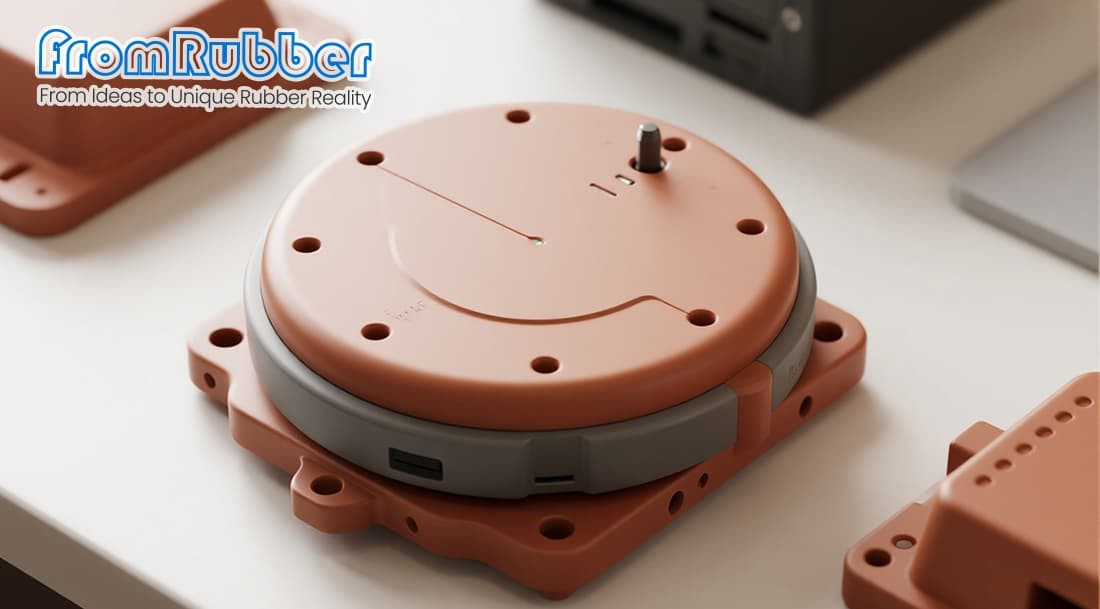
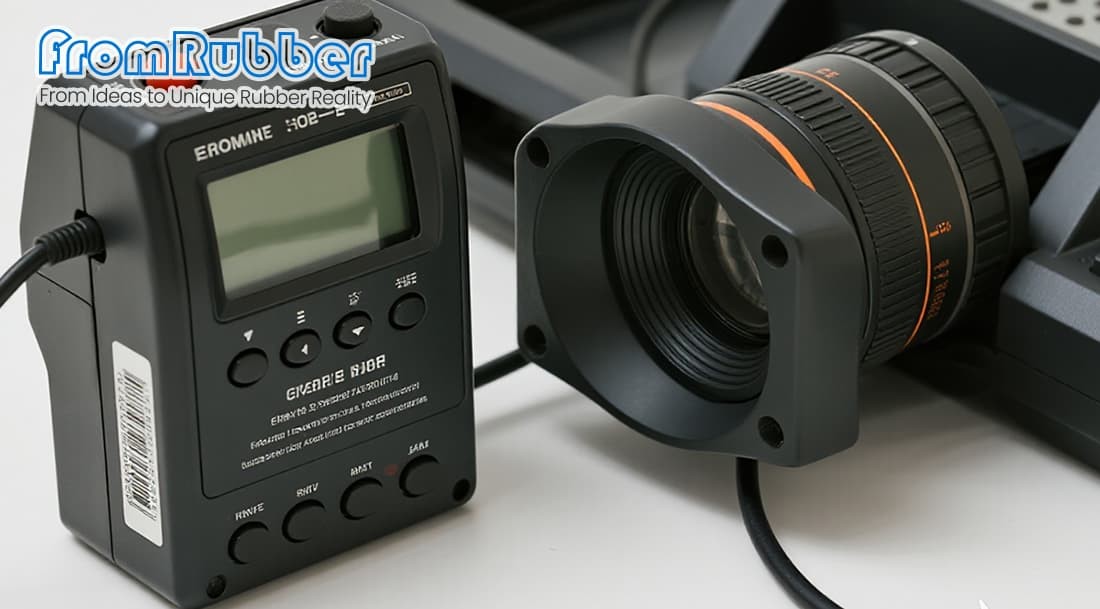
Cutouts, connector apertures, ventilation slots and display windows are secondary operations on a standard box. Standoffs, bosses, internal ribs, wall thickness and draft belong to the tool. Buyers who treat the second group as "customization" discover that the price is a new mould, not an engineering change.
Knowing which side of the line a request falls on is the difference between a two-week delivery and a two-month project.
Cutouts, Connectors and Wall Thickness
Three parameters decide whether a customized enclosure still performs as an enclosure.
The cutout that crosses a gasket line is the most expensive mistake on this list, because it fails in the field rather than at inspection, and it fails only when it rains.
| Parameter | Practical guidance | What goes wrong |
|---|---|---|
| Wall thickness | Keep sections uniform; avoid thick bosses on thin walls | Sink marks on the visible face and internal stress |
| Cutout placement | Keep clear of corners and of the gasket line | A cutout crossing the seal path turns an IP-rated box into a leak |
| Connector apertures | Leave material for the panel-mount thread and its nut | Thread has nothing to bite into, or the nut fouls a rib |
| Draft | One to two degrees on vertical walls | Scuffing and drag marks on ejection |
| Fastener bosses | Size the boss for the screw and add a relief radius | Cracking at the boss root after repeated assembly |
Decoration and Branding Without Damaging the Housing
Four methods cover most enclosure branding. Pad printing is the cheapest and wears first. Laser marking is permanent on a filled or dark grade but has low contrast on light colours. In-mould labelling gives a durable graphic at the cost of tooling. And a moulded-in logo, cut into the tool, is free per part and the only option that never wears off.
Whichever method is chosen, it belongs outside the seal line and away from surfaces that are handled during installation. A logo that sits where the installer grips the box will look worn before the product is commissioned.
When ABS Is the Wrong Choice for an Enclosure
ABS is easy to mould, takes paint and printing well, and is tough at room temperature. It is a poor choice in three situations. Continuous outdoor UV exposure, where the surface chalks and colour shifts unless a UV-stabilised grade is specified. Contact with ketones, esters or aggressive solvents, which attack it quickly. And continuous service above its heat deflection range, where the box creeps under load rather than failing visibly.
For outdoor and chemical duty, polycarbonate or a PC/ABS blend is often the practical answer, at a higher tooling and material cost. For a housing that must also carry a display window and pre-drilled connector holes, starting from a moulded enclosure with a defined sealing system is faster than customizing a generic box; the pre-drilled enclosure page shows that configuration, and the IP65 enclosure page covers the sealed variant.
Unlocking the Potential of Your Electronics with Custom ABS Enclosure Boxes
In the world of electronics, protection and presentation are paramount. An off-the-shelf solution rarely meets the specific functional and aesthetic requirements of a sophisticated device. This is where the ABS enclosure box steps in as a versatile and durable foundation. Acrylonitrile Butadiene Styrene (ABS) is a robust thermoplastic known for its impact resistance, toughness, and ease of fabrication. But its true power is unlocked through customization. A tailored enclosure not only provides a perfect fit and optimal protection but also serves as a critical element of your product's branding and user interface. From precise cutouts for connectors to vibrant, branded graphics, customizing your ABS enclosure transforms it from a simple box into an integral part of your product's success.
Why Choose an ABS Enclosure Box?
Before diving into customization, it's essential to understand why ABS is a preferred material for electronic housings. Its unique blend of properties makes it an ideal choice for a vast range of applications, from consumer electronics to industrial control units. The material is lightweight yet sturdy, offering reliable protection without adding unnecessary bulk. It also boasts excellent electrical insulation properties, safeguarding sensitive components from electrical interference. This combination of strength, safety, and a cost-effective price point makes ABS the go-to material for engineers and product designers alike.
Precision and Functionality: CNC Machining
One of the most common and vital forms of customization is CNC (Computer Numerical Control) machining. This process allows for the precise cutting of enclosures to accommodate ports, connectors, buttons, screens, and ventilation. A well-machined enclosure ensures that all external components are accessible and perfectly aligned. Services often include creating thru-holes, tapping threads for screws, and milling recessed areas for labels or membrane keypads. The precision of CNC machining, often with tolerances as tight as ±0.005 inches, guarantees a professional finish and seamless integration of your electronics.
Enhancing Brand Identity with Digital Printing and Labeling
Your enclosure is often the first physical touchpoint a customer has with your product. Digital printing offers a powerful way to turn that surface into a branding opportunity. High-resolution, full-color graphics, logos, and instructional text can be printed directly onto the ABS material. This method is more durable and professional than adhesive labels and allows for complex, vibrant designs. Laser marking is another option for creating permanent, high-contrast marks that are exceptionally resistant to harsh environments. These branding techniques are crucial for creating a market-ready product that is both attractive and instantly recognizable.
Custom Colors to Match Your Brand's Palette
While black, white, and gray are standard, ABS enclosures can be produced in custom colors to perfectly match your brand's aesthetic. This can be achieved either by using pre-compounded colored ABS material during the molding process or through professional lacquering. Lacquering can provide a wide array of finishes, from a modern high-gloss sheen to a non-reflective matte surface. A unique color makes your product stand out and reinforces brand identity, making it a simple yet highly effective customization choice.
EMI/RFI Shielding for Sensitive Electronics
In an environment saturated with electronic signals, protecting sensitive components from electromagnetic interference (EMI) and radio frequency interference (RFI) is critical. ABS enclosures can be coated on the interior with conductive materials, such as nickel or copper, to create a protective shield. This is essential for devices used in medical, aerospace, and industrial applications where signal integrity is non-negotiable. A properly shielded enclosure ensures reliable performance and helps meet regulatory compliance standards.
Selecting the Right ABS Grade for Your Application
ABS is not a one-size-fits-all material. It comes in various grades, each formulated for specific performance characteristics. For instance, some applications may require a flame-retardant ABS (UL94-V0 rated) for enhanced safety in case of fire, which is crucial for electrical and electronic devices. For products intended for outdoor use, an ASA (Acrylonitrile Styrene Acrylate) blend or acrylic-capped ABS offers superior UV stability to prevent degradation from sun exposure. Discussing your application's environmental conditions with your supplier will ensure you select the optimal material.
The Design Process: From Concept to Production
The journey to a custom enclosure begins with a solid design. Start by creating a 3D model of your PCB and all internal components to ensure everything will fit. Account for clearances for wiring and heat dissipation. Many enclosure manufacturers offer engineering support, helping you refine your design for manufacturability and cost-effectiveness. Involving your supplier early in the design stage can prevent costly mistakes and ensure a smoother path from prototype to full-scale production. It is wise to work with a partner who can guide you through material selection and customization options.
Internal Modifications for Perfect Assembly
Customization isn't limited to the exterior. The inside of an ABS enclosure can also be modified to facilitate easier and more secure assembly. This includes adding or modifying internal mounting bosses for PCBs, removing plastic ribs to accommodate larger components, or creating custom support structures like ribs and gussets to add strength without increasing wall thickness. These internal adjustments are key to a streamlined and robust final assembly.
Key Customization Options at a Glance
To simplify your decision-making process, here is a summary of the most popular customization services available for ABS enclosure boxes:
| Customization Type | Description | Key Benefits |
|---|---|---|
| CNC Machining | Precise cutouts for ports, buttons, and screens. Includes drilling, milling, and tapping. | Ensures perfect fit, functionality, and professional appearance. |
| Digital Printing | Direct application of full-color logos, text, and graphics onto the enclosure. | Enhances branding, provides instructions, and offers a durable finish. |
| Custom Colors | Manufacturing or lacquering the enclosure in a specific color to match brand identity. | Creates a unique product aesthetic and strengthens brand recognition. |
| EMI/RFI Shielding | Applying a conductive coating to the interior to block electronic interference. | Protects sensitive components and ensures reliable device performance. |
| Material Selection | Choosing specific ABS grades (e.g., flame-retardant, UV-stable) for the application. | Guarantees safety, durability, and longevity in specific environments. |
How Do You Keep an ABS Enclosure Sealed After Customizing It?
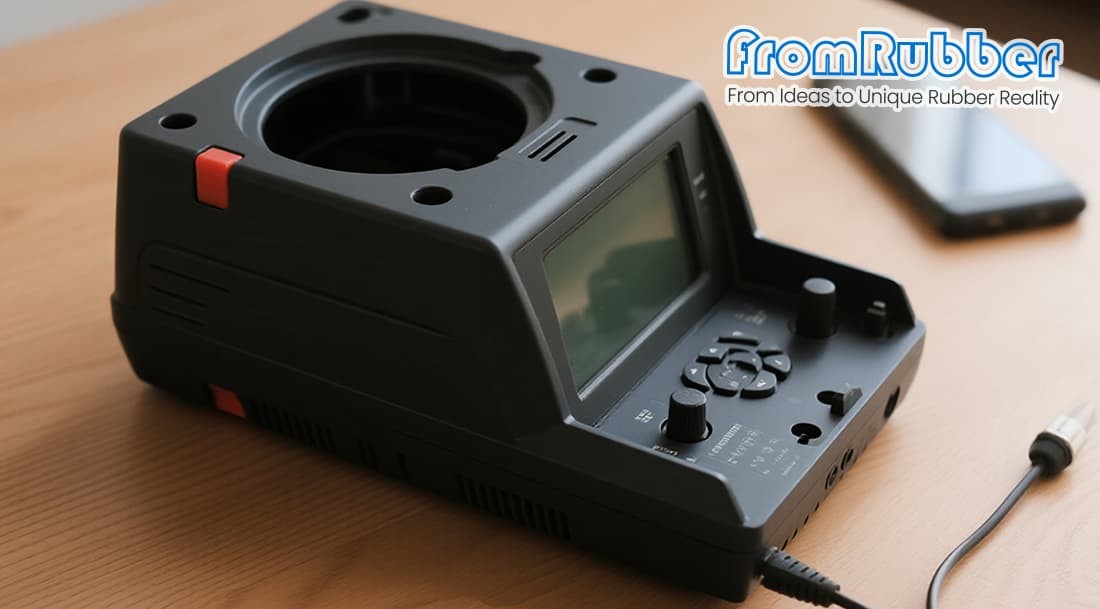
A seal is a continuous loop. Any cutout inside that loop is a breach unless it is sealed by the component that passes through it. Designers usually remember the connector and forget the display, the vent and the LED window.
Three approaches work. Put the cutouts outside the gasket loop and accept a lower ingress rating for that compartment. Put them inside and specify a gasketed component. Or move the seal from a face gasket to a moulded groove with a matching silicone cord, which tolerates more assembly variation.
Venting Without Water Ingress
Equipment that heats and cools needs a pressure path, otherwise the seal is loaded by internal pressure every cycle and the weakest cutout becomes the leak. A vent membrane equalises pressure while blocking liquid water, and it is far cheaper than upgrading the whole enclosure rating.
Silicone gaskets are the usual choice for the door seal, because they tolerate temperature cycling and compression well. The selection logic is covered in our comparison of silicone vs rubber seals.
Choosing the Right Manufacturing Partner
Selecting the right partner is as crucial as the design itself. Look for a supplier with extensive experience in customizing enclosures and a deep understanding of materials. A good manufacturer will offer design and engineering support, be transparent about lead times and pricing, and provide high-quality results from the first prototype to the final production run. Whether you need a small batch or a large volume, a reliable partner will work with you to turn your vision into a reality, ensuring your final product is functional, durable, and professional.
Frequently Asked Questions
Can a standard ABS enclosure be modified without a new mould?
Yes for cutouts, holes, slots and printing. Any change to wall thickness, internal ribs, bosses or the outer profile requires tooling work, because those features are formed by the mould itself.
Does a cutout reduce the IP rating?
Only if it is inside the sealed boundary. Cutouts outside the gasket loop do not affect the rating of the sealed compartment, but they do change how the product is cleaned and where water can collect.
Is ABS suitable for outdoor enclosures?
With a UV-stabilised grade it performs acceptably in many outdoor applications. Without one it will chalk and lose colour, and impact strength drops over time. For long-life outdoor installations polycarbonate is usually the safer specification.