Waterproof Silicone Seals: Design Principles, Material Selection, and Testing Standards
- Share
- publisher
- Suey
- Issue Time
- Jul 27,2026
Summary
An in-depth engineering guide to designing, manufacturing, and validating waterproof silicone seals — from IP rating selection through material choice, groove design, and production testing.
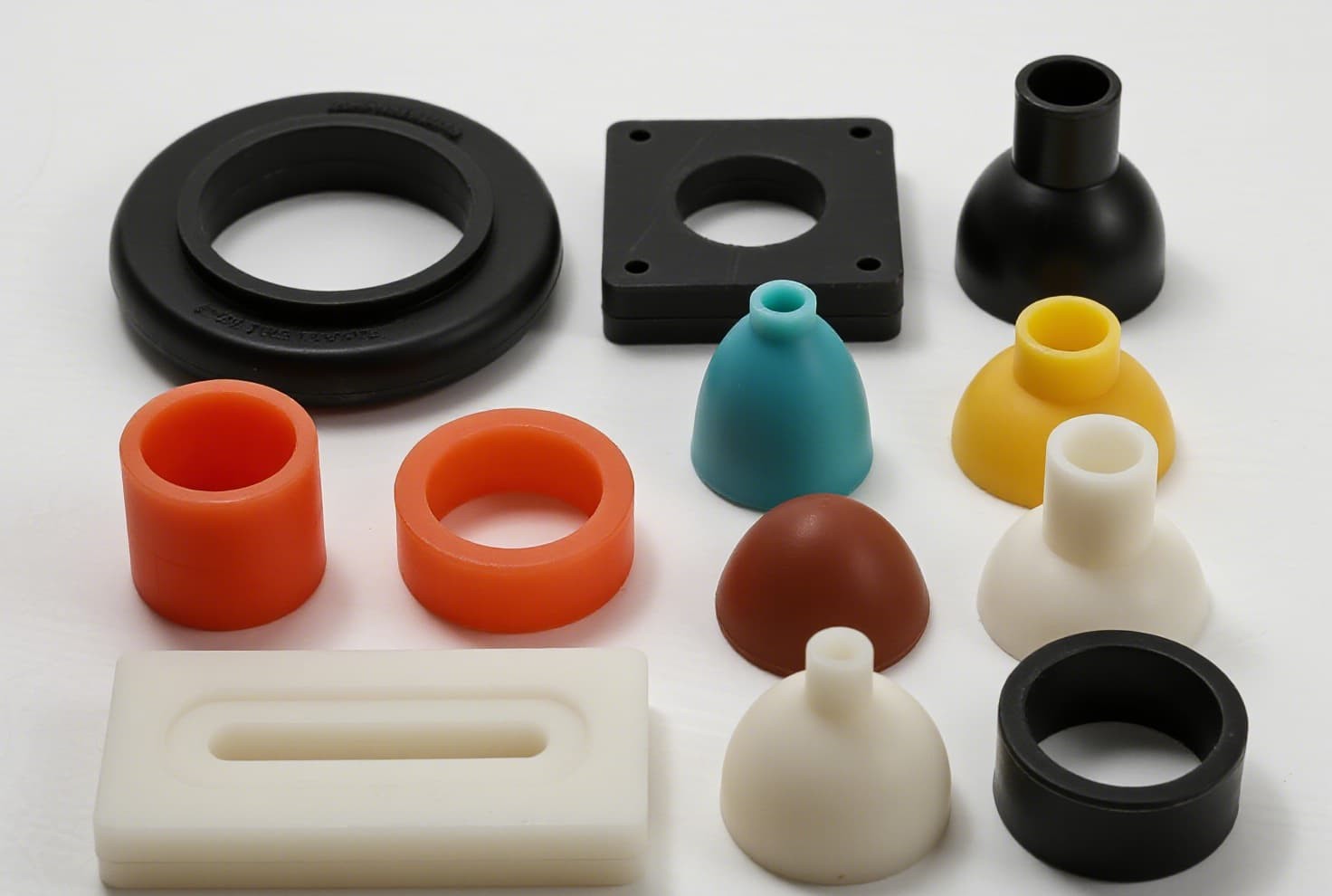
Waterproof Silicone Seals: Design Principles, Material Selection, and Testing Standards
FromRubber Engineering Team | Updated July 2026
Why Waterproof Seals Matter
The silicone seal is the first line of defense against water ingress. The global elastomeric seal market exceeds $18B by 2028, with silicone as the fastest-growing segment due to its temperature range (-50 to +250 C), UV stability, and biocompatibility.
IP Rating Explained
IP67 - 1 m for 30 min, compression set less than 20%. IP68 - manufacturer-defined depth/duration, compression set less than 12%, Shore A 30-50. IP69K - 80 C water at 80-100 bar, Shore A 60-70. Always specify exact IP68 conditions.
Seal Design Principles
Optimal compression: 20-25%. Below 10% leads to micro-channels and leakage. Above 35% causes compression set. Groove for IP68: depth 70-75% of seal cross-section, width 1.3-1.5x cross-section, surface roughness Ra less than 0.8 um, corner radius R0.3-0.5 mm.
Most Common Failure
Inconsistent compression from housing flatness or uneven torque. Pair seal design with torque specifications.
Material Selection
| Property | Standard | IP68 Grade |
|---|---|---|
| Compression Set | less than 25% | less than 12% |
| Tensile Strength | greater than 5 MPa | greater than 7.5 MPa |
| Water Absorption | less than 0.8% | less than 0.3% |
| Hardness | Shore A 50-70 | Shore A 30-50 |
LSR for high-volume precision (plus/minus 0.05 mm). HCR for large cross-sections.
Screen Printing on Seals
Use silicone-based or UV inks with proven immersion resistance. Never print on the sealing surface. For permanent marks, laser marking is superior with no ink to delaminate.
Testing Methods
- Immersion - IPX7/IPX8 per IEC 60529
- Air Leak Test - pressure decay, less than 0.1 ml/min at 50 kPa for IP68
- Compression Set - less than 12% for IP68
- Thermal Cycling - -20 C to +85 C
- Drop and Vibration - 1 m drop, then re-test
FromRubber's Seal Capabilities
10 LSR lines, 32 compression presses, in-house mold shop, full testing lab. ISO 9001, IATF 16949, FDA-compliant. 500,000+ seals/day capacity.
FAQs
Compression ratio for O-rings?
20-25% static, 10-15% dynamic.
Can silicone achieve IP69K?
Yes - Shore A 60-70 with robust gland design.
Best material for saltwater?
Platinum-cured LSR with less than 0.3% water absorption. Marine-grade compound recommended.
Need Expert Guidance?
Free DFM analysis, 2-hour quote turnaround.
Request Free Consultation