What's The Over-Molded?
- Share
- publisher
- karl
- Issue Time
- May 19,2025
Summary
What over-molding is, how it differs from insert molding, how the bond forms between silicone and a substrate, the design rules that keep it attached, and the cases where it is the wrong process.

Over-molding is the process of moulding a second material over a substrate that is already formed, so that the two become one part. In silicone work the substrate is usually a plastic housing or a metal insert, and the silicone provides the seal, the grip or the soft-touch surface.
The question that decides whether a project succeeds is not how the part looks. It is how the silicone stays attached after a thousand cycles, a solvent wipe and a thermal shock.
What Over-Molding Means in Practice
A rigid substrate is moulded or machined first, then placed in a second tool and silicone is moulded around or onto it. The result is a single component in which each material does the job it is good at: the plastic holds the shape and the screw bosses, the silicone seals and absorbs impact.
This is different from applying a silicone part to a housing afterwards with adhesive. Over-molding creates a mechanical and chemical bond in the tool, so there is no adhesive line to fail, no assembly step, and no gap for liquid to enter.
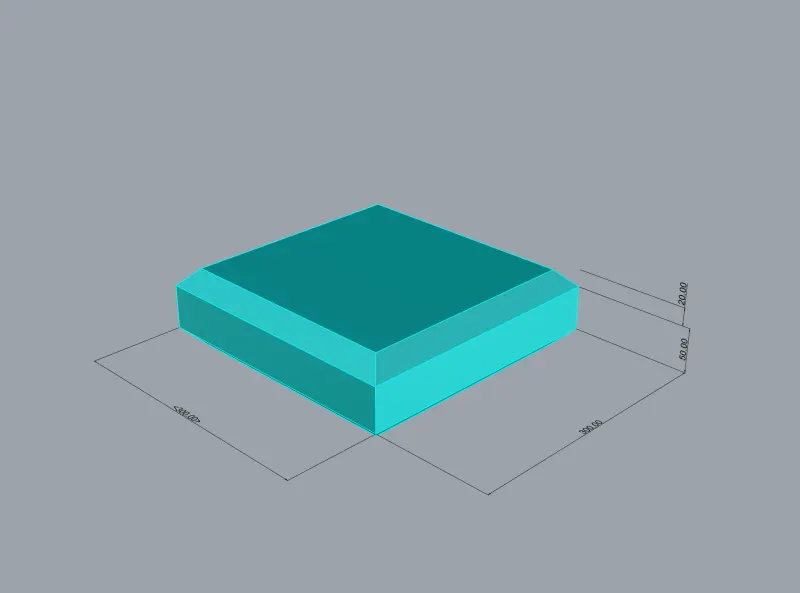
Over-Molding Versus Insert Molding
| Process | What happens | Typical use |
|---|---|---|
| Over-molding | Silicone moulded over a pre-formed substrate | Sealed housings, grips, keypad on a bezel |
| Insert molding | A metal or plastic insert is placed in the tool and encapsulated | Threaded inserts, sensors, reinforced gaskets |
| Two-shot molding | Two materials injected in one machine, one cycle | High volume, thermoplastic pairs |
| Adhesive assembly | Separate silicone part bonded after moulding | Low volume, existing housing, repair |
How over-molding bonds to the substrate
Three mechanisms hold the silicone in place. Mechanical interlock, where silicone flows into grooves, undercuts or through holes in the substrate, is the most reliable and the easiest to design. Chemical bonding through a primer or a self-adhesive grade works when the substrate and the compound are compatible. Friction and shrinkage alone is the weakest and should never be the only mechanism on a part that sees load.
Practical note: Design the interlock first and treat the primer as insurance. A part that depends entirely on a primer bond will delaminate at the first contaminated substrate surface, and contaminated surfaces are normal in production.
Material Pairs and Design Rules for Over-Molding
Silicone bonds well to some thermoplastics and poorly to others, and the surface energy of the substrate matters as much as the chemistry. Polycarbonate, polyamide and some grades of ABS are common substrates; polypropylene and polyethylene usually need mechanical interlock because the bond is weak.
The silicone should not be asked to bridge sharp external corners, because it thins there and tears. Radius every substrate edge that silicone crosses, and keep the silicone section as uniform as the function allows.
Thermal expansion differs between the two materials, so a long, rigid bond line will see shear at temperature extremes. Dividing the bond into shorter sections with relief grooves is a cheap way to stop that shear from becoming a peel.
| Design feature | Rule | Failure it prevents |
|---|---|---|
| Interlock groove | Depth at least 0.5 mm, with a draft | Peel along a flat bond line |
| Through-hole grip | Silicone flows through and forms a cap | Lift-off at an edge |
| Corner radius | At least the silicone wall thickness | Tearing at a sharp substrate corner |
| Bond line length | Broken into sections with relief | Shear from differential expansion |
| Substrate cleanliness | Degrease and handle with gloves | Primer failure and delamination |
When Over-Molding Is the Wrong Answer
It is the wrong process when volumes are low and the substrate already exists, because the second tool cannot be justified against a bonded or compressed gasket. It is also wrong when the substrate cannot survive the moulding temperature, or when the assembly must be serviceable in the field.
It is usually wrong when the seal can be achieved with a simple O-ring or a moulded gasket in a groove. Over-molding adds value by removing an assembly step and a leak path; if neither of those matters, a separate part is cheaper.
Where the function is a soft cover rather than a bonded seal, a separate moulded cover may be preferable, as described in our notes on liquid silicone protective covers.
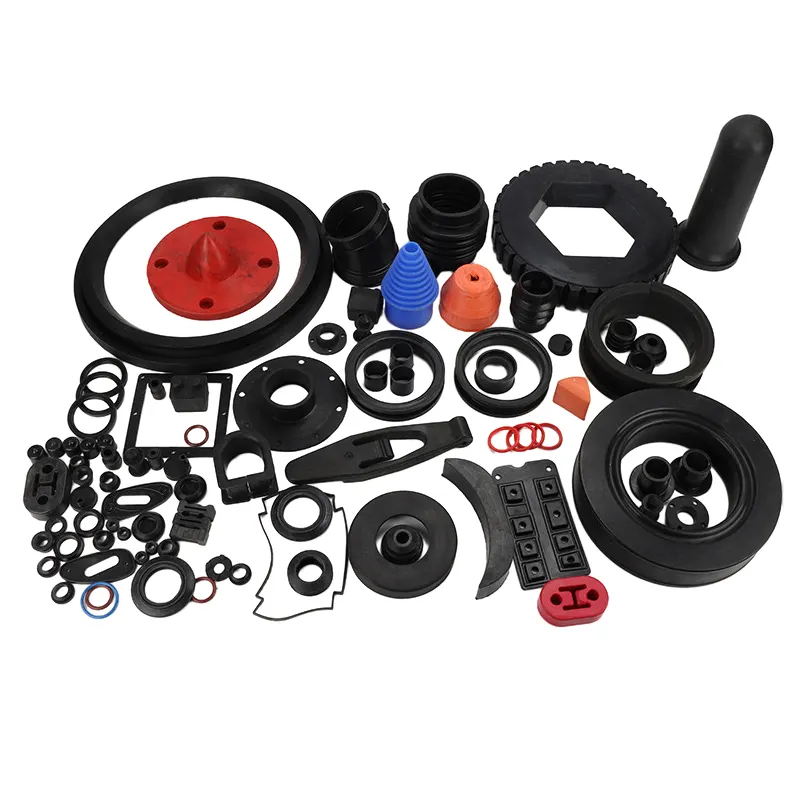
What to specify for an over-molding project
- Substrate material, grade and surface preparation before moulding.
- Which retention mechanism the design relies on: interlock, primer or both.
- Silicone hardness and the shore selected for grip or sealing.
- Pull-off or peel force target, and how it will be measured.
- Temperature cycling the bond must survive, and any solvent exposure.
Can over-molding be done with liquid silicone?
Yes. LSR over-molding is common for small, precise parts and thin walls, and it gives excellent detail. The substrate still needs the same interlock and cleanliness discipline.
Why does an over-molded part delaminate after a few months?
Usually one of three reasons: a substrate that was not cleaned, a bond that relied on primer alone without mechanical interlock, or differential expansion shearing a long flat bond line. All three are design and process issues rather than material failures.
Over-molding removes an assembly step and a leak path, and it only works when the silicone has somewhere to grip. Design the interlock, radius every crossing edge, break long bond lines, and keep the substrate clean. If a gasket in a groove will do the job, that is the cheaper answer and worth saying out loud.