What are the main cost components for custom silicone keypads?
- Share
- publisher
- Suey
- Issue Time
- Dec 25,2025
Summary
This comprehensive guide details the main cost components for custom silicone keypads, including tooling, materials, labor, and secondary processing. It explains how design complexity and order volume impact pricing, offers cost-saving strategies, and provides a transparent breakdown to help buyers budget effectively and make informed sourcing decisions.
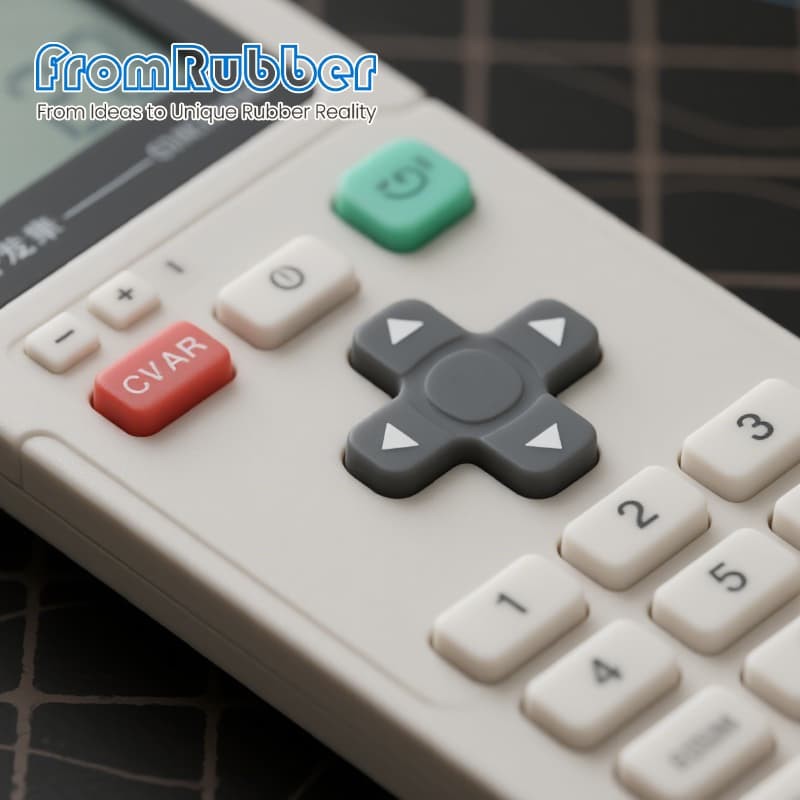
Comprehensive Guide: Cost Components for Custom Silicone Keypads
1. Understanding Custom Silicone Keypad Pricing Structure
Custom silicone keypads represent a specialized manufacturing process where costs extend far beyond simple material expenses. Understanding these cost components is essential for accurate budgeting and value optimization. Unlike standard off-the-shelf components, custom keypads involve multiple engineering, tooling, and production stages that collectively determine the final price.
At FromRubber, we believe in transparent cost breakdowns that help our clients make informed decisions. A typical custom silicone keypad project involves seven primary cost categories, each contributing differently depending on the complexity, quantity, and specifications of your order.
Key Cost Determinants
The total cost of custom silicone keypads is influenced by three major factors: Design Complexity (determining tooling and engineering costs), Order Quantity (affecting per-unit amortization), and Material & Finish Specifications (impacting raw material and processing costs). Understanding how these factors interact is crucial for cost optimization.
2. Detailed Cost Components Breakdown
Tooling & Mold Costs
One-time investment for custom mold creation. Includes design, CNC machining, heat treatment, and surface finishing. Complex multi-cavity molds for high-volume production cost significantly more than single-cavity prototypes.
- Single cavity mold: $800 - $2,500
- Multi-cavity mold: $2,500 - $8,000+
- Mold maintenance: 5-10% annually
Raw Material Costs
Silicone rubber compound costs vary by grade, hardness, and special properties. Conductive additives, high-temperature resistance, medical-grade certifications, and custom colors all increase material expenses significantly.
- Standard silicone: $3 - $8 per kg
- Medical-grade: $8 - $20 per kg
- Conductive silicone: $15 - $40 per kg
Labor & Production
Includes machine operation, material preparation, molding, trimming, and quality inspection. Highly automated processes reduce per-unit labor costs but require higher initial investment in equipment.
- Compression molding: Lower automation
- Injection molding: Higher automation
- Hand trimming vs. automated

3. Secondary Processing & Additional Costs
| Cost Component | Description | Typical Cost Range | Impact on Total |
|---|---|---|---|
| Surface Printing | Screen printing, pad printing, or laser marking of legends, symbols, or logos. Multi-color printing increases costs proportionally. | $0.05 - $0.30 per color | 3-8% increase |
| Conductive Elements | Carbon/silver pill printing for electrical conductivity. Requires precise resistance control and additional curing processes. | $0.10 - $0.50 per contact | 5-15% increase |
| Backlighting Integration | LED/EL integration, light guide fabrication, and optical testing for illuminated keypads. | $0.50 - $3.00 per keypad | 10-25% increase |
| Quality Testing | Electrical testing, tactile testing, life cycle testing, and environmental validation per industry standards. | $50 - $500 per test type | 2-5% of production cost |
| Packaging & Shipping | Custom packaging, ESD protection, documentation, and international logistics for finished products. | $0.10 - $0.50 per unit | 1-3% of total cost |
FromRubber's Cost Optimization Approach
At FromRubber, we employ several strategies to optimize costs without compromising quality. Our engineering team reviews designs for manufacturability, suggesting modifications that can reduce tooling complexity by 15-30%. We maintain relationships with multiple raw material suppliers to secure competitive pricing, and our production planning minimizes material waste through efficient nesting and runner systems.
For clients at FromRubber, we provide detailed cost breakdowns during the quotation phase, highlighting areas where design adjustments could yield savings and explaining the value behind each cost component. This transparency helps clients understand exactly what they're paying for and why.
4. Volume Impact on Cost Structure
How Quantity Affects Individual Cost Components
| Cost Component | Low Volume (1,000 units) | Medium Volume (10,000 units) | High Volume (100,000 units) |
|---|---|---|---|
| Tooling Cost Per Unit | $0.80 - $2.50 | $0.08 - $0.25 | $0.008 - $0.025 |
| Material Cost Per Unit | $0.30 - $1.20 | $0.25 - $1.00 | $0.20 - $0.80 |
| Labor Cost Per Unit | $0.50 - $2.00 | $0.30 - $1.20 | $0.15 - $0.60 |
| Setup & Changeover | $100 - $300 per batch | $100 - $300 per batch | $100 - $300 per batch |
| Total Cost Per Unit | $1.60 - $6.00+ | $0.73 - $2.75+ | $0.36 - $1.45+ |
Economies of Scale: The most significant cost reduction occurs between low and medium volumes due to tooling amortization. Beyond 10,000 units, material procurement efficiencies and optimized production processes drive further, though less dramatic, cost reductions.
5. Hidden Costs and Value-Added Considerations
Certification & Compliance
Industry-specific certifications (UL, CE, RoHS, REACH, FDA) require testing, documentation, and often material modifications. Medical-grade biocompatibility testing can add $2,000-$5,000 to project costs but is essential for regulated applications.
Design & Engineering Support
Professional design optimization for manufacturability, tactile performance simulation, and 3D prototyping services. While adding upfront costs, quality engineering support typically reduces overall project expenses by preventing manufacturing issues.
Intellectual Property Protection
Confidentiality agreements, proprietary mold designs, and exclusive material formulations. These protections ensure your custom design remains unique but may involve additional legal and administrative considerations.
6. Cost-Saving Strategies for Custom Keypad Projects
| Strategy | Implementation | Potential Savings | Considerations |
|---|---|---|---|
| Design Simplification | Reduce undercuts, minimize wall thickness variations, standardize button sizes | 15-30% on tooling | Must maintain functional requirements |
| Material Optimization | Select appropriate hardness, avoid over-specification, use standard colors | 10-25% on materials | Performance must meet application needs |
| Volume Planning | Consolidate orders, plan production runs efficiently, consider economic order quantities | 20-40% on per-unit costs | Requires accurate demand forecasting |
| Secondary Process Reduction | Minimize printing colors, simplify finishing requirements, standardize testing | 5-15% on processing | Aesthetic and functional trade-offs |
FromRubber's Expert Tip: The most effective cost-saving approach is early collaboration with your manufacturer. By involving production engineers during the design phase, you can identify cost drivers before tooling begins. At FromRubber, we offer complimentary design-for-manufacturability reviews that typically identify 10-25% potential savings without compromising product quality or performance.
Get Your Custom Cost Analysis
Understanding cost components is the first step toward optimizing your custom silicone keypad investment. Let us provide a detailed quotation based on your specific requirements.
FromRubber's Transparent Quotation Process Includes:
Typical quotation turnaround: 24-48 hours | Design review included at no additional cost
7. Long-Term Cost Considerations
Tooling Maintenance & Storage
Annual maintenance costs (5-10% of original tooling cost), storage fees, and potential refurbishment after extended use. Proper maintenance extends mold life from 100,000 to 1,000,000+ cycles.
Future Modifications
Design changes after initial production require mold modifications (25-75% of original tooling cost) and re-validation. Planning for potential future changes during initial design can significantly reduce these costs.
Total Cost of Ownership
Includes initial development, production, quality issues, field failures, and end-of-life considerations. Higher quality components often have lower total cost despite higher initial price.
Final Cost Management Recommendations
Effective cost management for custom silicone keypads requires balancing upfront investment with long-term value:
- Invest in quality tooling – Saves money over production lifespan
- Optimize design before tooling – Changes are expensive after molds are made
- Consider total cost, not just unit price – Include quality, reliability, and support
- Plan for appropriate volumes – Balance inventory costs with production economies
- Choose partners wisely – Technical expertise saves money throughout product lifecycle
At FromRubber, we guide clients through these considerations, ensuring informed decisions that balance immediate budget constraints with long-term product success. Our transparent approach to cost breakdowns has helped numerous clients optimize their investments in custom silicone keypad solutions.