What surface treatments are available for a silicone keypad to extend its life in aggressive industrial environments?
- Share
- publisher
- Suey
- Issue Time
- Aug 12,2026
Summary
Industrial environments demand surface treatments for silicone keypad: plasma activation, hard coats, fluoropolymer, anti-static, laser engraving, and antimicrobial coatings. FromRubber offers tailored solutions to extend keypad life against chemicals, abrasion, and UV exposure
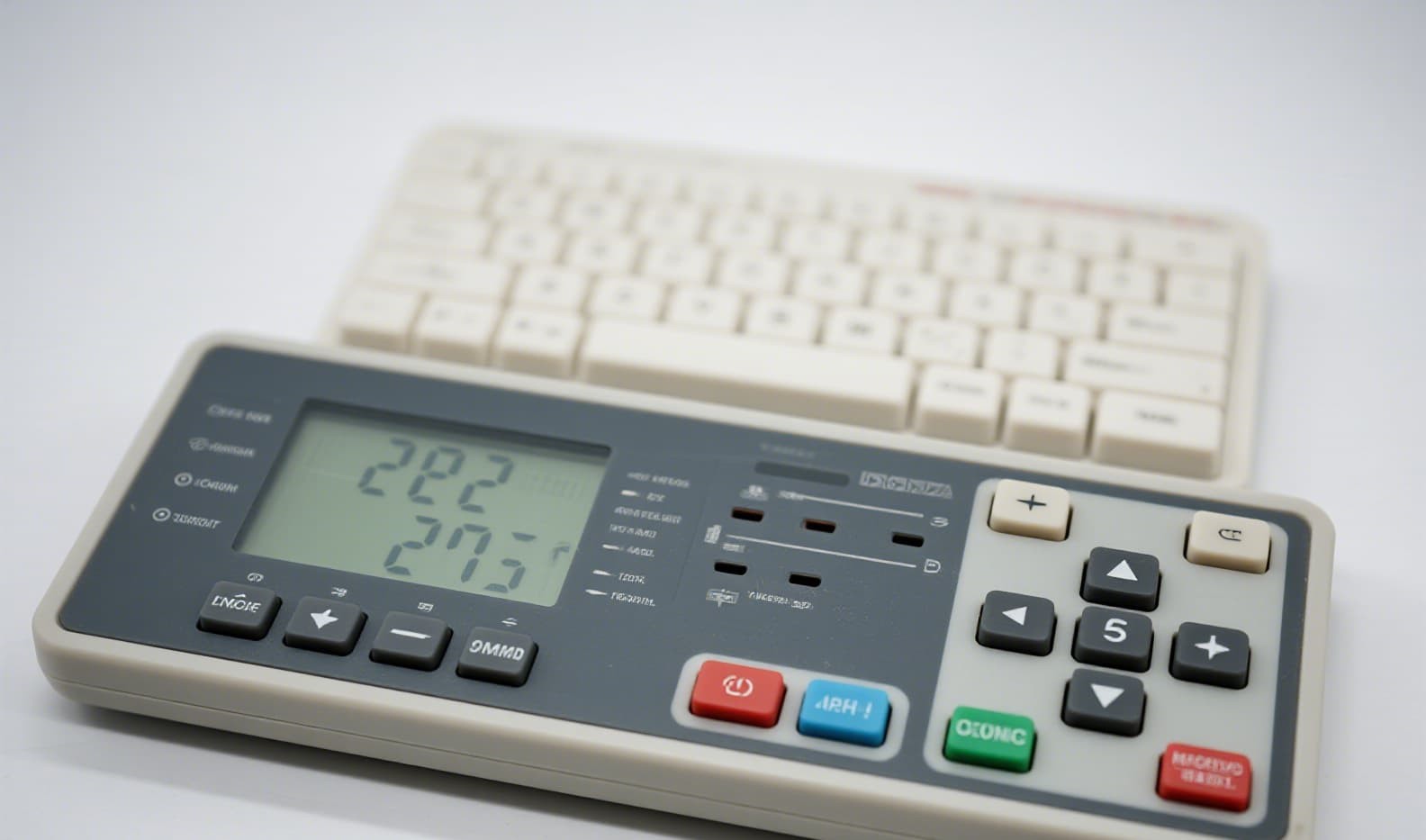
🛡️ Industrial environments expose silicone keypads to solvents, abrasives, UV radiation, and extreme temperatures. While the silicone substrate is inherently durable, its surface is vulnerable. The right surface treatment can extend keypad life from months to over a decade.
Plasma Surface Activation
- Mechanism: Low-pressure or atmospheric plasma modifies the silicone surface, introducing polar groups (–OH, –COOH) to enhance wettability.
- Effect: Improves ink adhesion by 300–500% compared to untreated silicone.
- Life extension: Prevents legend delamination; legends survive 20,000+ IPA wipe cycles.
- Application: Ideal before pad-printing or overcoating.
Protective Hard Coat (UV / Thermal)
- Mechanism: A clear, UV-cured acrylic or thermoset polyurethane layer applied over the entire keypad surface.
- Thickness: 5–25 µm, increasing surface hardness from Shore A 50 to > Shore D 60.
- Effect: Withstands 10,000+ Taber abrasion cycles; resists IPA, ethanol, and hydrocarbons.
- Life extension: Prevents surface crazing and maintains tactile transparency.
Anti-Static (ESD) Coating
- Mechanism: A thin (< 1 µm) conductive polymer or carbon-based coating that dissipates static charge.
- Effect: Surface resistance reduced to 10⁶ – 10⁹ Ω/sq, preventing electrostatic discharge damage to sensitive electronics.
- Life extension: Prevents dust attraction that could interfere with contact resistance.
- Application: Critical for medical devices and explosive environments.
Fluoropolymer (PTFE / FEP) Topcoat
- Mechanism: A spray-applied fluoropolymer layer (e.g., PTFE, FEP) that crosslinks with the silicone surface.
- Effect: Superior resistance to acids, alkalis, and organic solvents; coefficient of friction < 0.2.
- Life extension: Prevents chemical attack and reduces wear from repetitive finger contact.
- Application: Ideal for lab equipment and chemical plants.
Laser Engraving with Colour Fill
- Mechanism: A CO₂ or UV laser ablates the silicone surface, creating recessed channels that are then filled with pigmented epoxy.
- Effect: Legends are physically embedded below the surface; they cannot be worn away by abrasion or solvents.
- Life extension: Legends survive 100,000+ wipe cycles and remain legible for the full instrument life.
- Application: High-end medical and industrial controls with permanent marking requirements.
Antimicrobial (Silver Ion) Coating
- Mechanism: Silver-ion or copper-embedded coating that inhibits bacterial growth on the keypad surface.
- Effect: Effective against E. coli, S. aureus, and MRSA with >99.9% reduction per ISO 22196.
- Life extension: Prevents biofilm formation that can degrade surface quality and tactile feel.
- Application: Medical devices, food processing, and public-use interfaces.
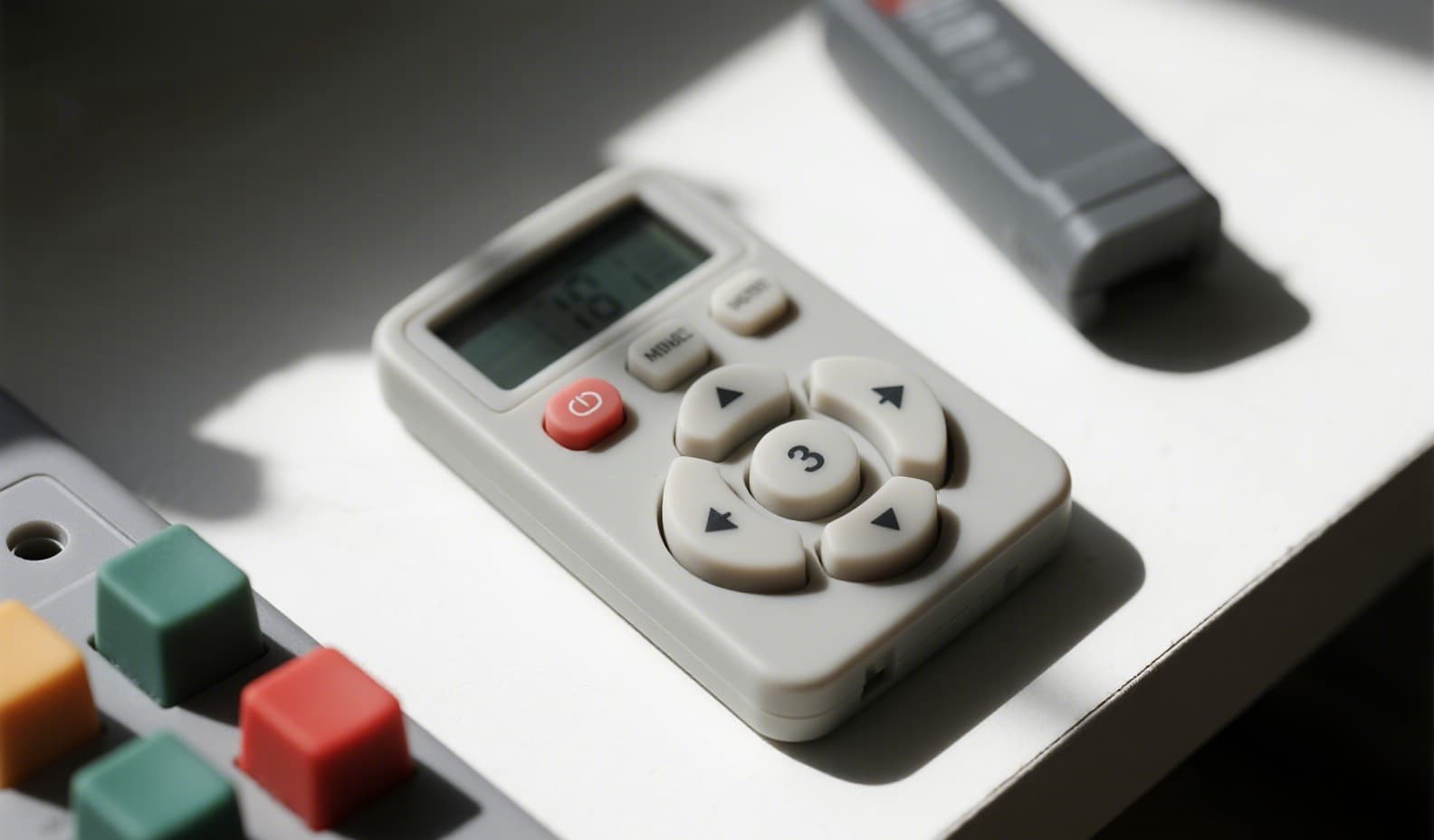
How to choose the right surface treatment for your instrument silicone keypad:
• If your primary concern is legend durability: combine plasma activation + hard coat or use laser engraving.
• If chemical exposure is the main risk (solvents, acids): choose fluoropolymer coating.
• If abrasion and scratching are prevalent: apply a UV-cured hard coat (20–25 µm thickness).
• For ESD-sensitive applications: use anti-static coating with controlled surface resistivity.
• In medical and food environments: add antimicrobial coating as a final layer.
FromRubber provides all six surface treatments in-house, with full process control and validation testing. We help you select the optimal combination based on your specific environmental conditions and lifecycle requirements.
Accelerated Silicone Keypad Life Extension Through Combination
- Plasma + Hard Coat + Laser Fill: Maximum protection for legends and surface – ideal for heavy industrial use.
- Fluoropolymer + Anti-Static: Chemical resistance and ESD protection – for laboratories and explosive atmospheres.
- Antimicrobial + UV Coat: Medical-grade hygiene with scratch resistance – for patient monitors and surgical controls.
- All treatments are validated with: 20,000 wipe cycles (IPA, ethanol), 500 Taber abrasion cycles, and UV exposure (QUV) testing.
✓ FromRubber offers customised surface treatment packages for instrument silicone keypads – from single treatments to multi-layer solutions. We provide test data and life extension estimates for your specific industrial environment.