White Silicone Keypad Yellowing? Masterbatch Anti‑Yellowing Performance Defines Product Quality
- Share
- publisher
- Suey
- Issue Time
- Jul 31,2026
Summary
Prevent yellowing with amine‑free anti‑yellowing masterbatch, QUV testing (48h, ΔE≤2.0), and cure control. FromRubber validates color stability for white/light silicone keypad.
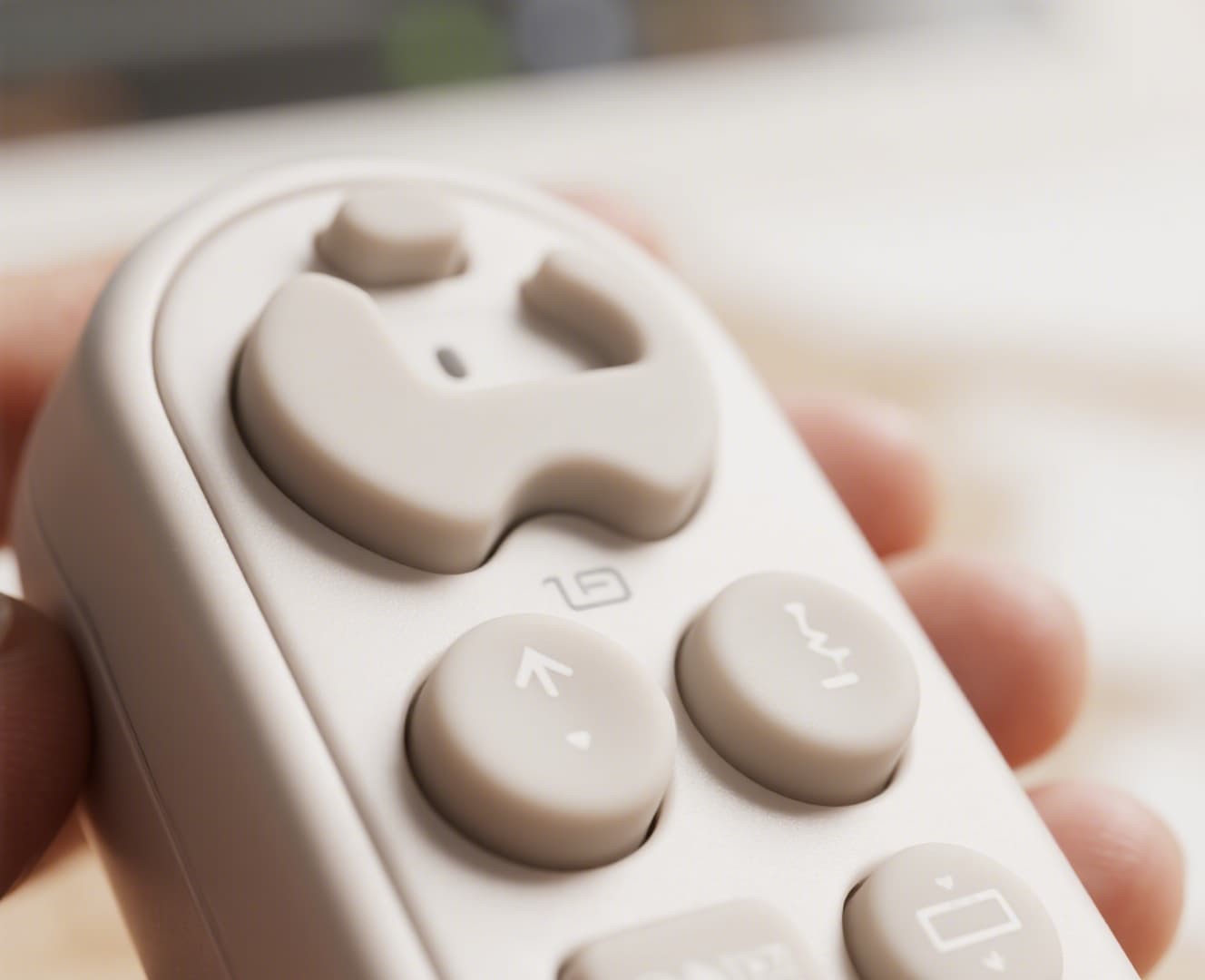
This "appearance collapse" is one of the most frustrating quality issues FromRubber’s after‑sales team encounters. The product functions perfectly, but is judged "inferior" or "expired" solely because of yellowing. Even worse, many clients only realize the severity after receiving returns — by then, brand reputation damage has already occurred, and remediation costs far exceed prevention.
⚠️ Critical Aesthetic Factor
Silicone Keypad Technical Analysis
This is the yellowing phenomenon of silicone. Under UV exposure or high‑temperature conditions, the molecular structure of ordinary silicone and masterbatch undergoes oxidation, resulting in a yellowish discoloration.
According to FromRubber’s Silicone Keypad Custom Molding Best Practices, masterbatch anti‑yellowing performance — especially for light‑colored or transparent products — is a critical material selection factor. It directly determines how long the product maintains its "visual appeal" in the hands of users.
What Causes Yellowing at the Molecular Level?
Silicone yellowing primarily comes from two sources:
- Impurities in raw gum: Low‑purity raw gum contains trace metal ions (iron, copper) or amine catalyst residues, which catalyze oxidation under UV and heat, forming colored groups.
- Additives in masterbatch: Standard masterbatches often contain amine‑based dispersants or lubricants to improve processing flow. These amines readily undergo photo‑oxidation under light, forming yellow quinone compounds. This is the primary cause of yellowing in white/light‑colored silicone.
FromRubber’s lab tests show that under identical UV exposure, white keypads using standard masterbatch show visible yellowing (ΔE > 3) within 48 hours, while those using anti‑yellowing masterbatch maintain ΔE < 1.5 after 168 hours — a difference of over 3.5×.
Anti‑Yellowing Technology
Premium anti‑yellowing masterbatches employ these approaches:
- Amine‑free system: Replaces amine dispersants with high‑molecular‑weight non‑ionic dispersants, cutting off the yellowing reaction path at the source.
- UV absorbers: Adds HALS (Hindered Amine Light Stabilizers) and UV absorbers to convert harmful UV radiation into harmless thermal energy.
- Antioxidant synergy: Uses primary antioxidants (hindered phenols) and secondary antioxidants (phosphites) to doubly block oxidative chain reactions.
FromRubber’s masterbatch portfolio includes anti‑yellowing grades validated by QUV accelerated aging testing (ASTM G154), ensuring ΔE ≤ 2.0 after 1,000 hours of UV exposure.
Yellowing Risk Reference
| Product Color | Risk Level | Recommendation |
|---|---|---|
| Pure White / Brilliant White | ★★★★★ Extreme | Must use anti‑yellowing masterbatch + anti‑yellowing raw gum |
| Off‑White / Light Gray | ★★★★ High | Strongly recommend anti‑yellowing masterbatch |
| Light Blue / Light Pink | ★★★ Medium | Anti‑yellowing masterbatch advised |
| Dark / Black | ★ Low | Standard masterbatch acceptable |
| Translucent / Transparent | ★★★★★ Extreme | Must use high‑transparency anti‑yellowing grade |
FromRubber enforces strict anti‑yellowing standards for white, light‑colored, and transparent silicone keypads — requiring anti‑yellowing masterbatch for every batch, with random QUV testing (48 hours, ΔE ≤ 2.0 pass). This requirement is codified in FromRubber’s Appearance Material Control Specification and is a mandatory pre‑production checkpoint for light‑colored products.
Real‑World Silicone Keypad Case Studies
⚠️ Poor Outcome
Premium blood pressure monitor — White silicone keypads passed all initial inspections. After 3 months in a European distributor's warehouse (summer heat + natural light), the keypads had yellowed noticeably, creating a stark color mismatch with the white housing.
The European distributor rejected the entire shipment. The client lost nearly $100,000 USD in direct costs, and brand reputation recovery took over a year.
✅ Best Practice
High‑end smart lock — White LED indicator silicone keypad, required "no yellowing for three years." The client sent color requirements and lifespan targets to FromRubber’s engineering team before tooling.
The client passed QUV 500h testing with actual ΔE of 1.2. Two years after launch, random audits of 100 units showed no visually detectable yellowing. The client noted: "FromRubber’s anti‑yellowing solution turned our white keypad into a key selling point."

Actionable Solutions – The FromRubber Anti‑Yellowing Protocol
If your product is white, light‑colored, or translucent, follow these FromRubber‑recommended anti‑yellowing control steps:
- Specify anti‑yellowing material systems — Clearly specify "anti‑yellowing silicone" and "anti‑yellowing masterbatch" on drawings or purchase specifications. Don't just say "white silicone" — say "anti‑yellowing white silicone, QUV 48h ΔE ≤ 2.0." While anti‑yellowing materials add a few dollars per kilogram, relative to total product value and brand reputation, this is negligible.
- Choose amine‑free masterbatches — Require your masterbatch supplier to provide an "amine‑free" test report or composition declaration. Amines are "catalysts" for yellowing — they must be completely removed from the formulation. FromRubber’s masterbatch suppliers all pass ISO 10993 biocompatibility and RoHS compliance — amine‑free and heavy‑metal‑free.
- Use light‑blocking packaging — Ship finished products in light‑blocking packaging (e.g., aluminum foil bags or dark trays). Warehousing should avoid direct sunlight and high temperatures (ideally ≤30°C, ≤60% RH). Even with anti‑yellowing materials, physical light protection remains the most direct and effective defense.
- Perform QUV accelerated aging validation — Before mass production, samples must undergo QUV accelerated aging testing. FromRubber’s recommended standard: 48 hours continuous exposure (UVA‑340 lamp, light/condensation cycle), with ΔE ≤ 2.0 as pass. For products exported to tropical regions or used outdoors, extend testing to 96–168 hours.
- Control cure temperature — Excessive cure temperature (>190°C) accelerates antioxidant depletion in the masterbatch, reducing anti‑yellowing effectiveness. FromRubber recommends curing at 165°C–175°C — sufficient cross‑linking with minimal thermal load. Our process standard caps cure temperature at 180°C for light‑colored products.
- Manage incoming batch color consistency — Each incoming batch of anti‑yellowing masterbatch must undergo color difference testing (vs. standard color plate, ΔE ≤ 1.0) and quick QUV validation (24 hours, ΔE ≤ 1.5). FromRubber’s IQC process includes both checks to ensure stable anti‑yellowing performance batch after batch.
- DFM review of materials and testing — Before tooling, send your color requirements, usage environment, and lifespan targets to FromRubber’s engineering team. We recommend the optimal raw gum grade, masterbatch formulation, cure process window, and aging test protocol. A detailed report is delivered within 24 hours — locking in "color longevity" from the source.
The Bottom Line
White silicone keypad yellowing — this seemingly "material discoloration" issue is actually a reflection of missing material selection standards and quality control systems. Standard masterbatch yellows within days under UV and heat, while anti‑yellowing masterbatch combined with premium raw gum and proper processing keeps products "white for years."
The solution is straightforward: specify anti‑yellowing materials, run QUV testing, use light‑blocking packaging, and control process temperature. But the key is to treat "anti‑yellowing" as a mandatory specification from the material selection stage — not a post‑failure investigation.
FromRubber brings deep expertise in silicone anti‑yellowing material selection, formulation optimization, and aging test validation. We understand the "real fading curve" of every masterbatch under different light and temperature conditions, and we know how to maximize anti‑yellowing performance through the triple synergy of raw gum, masterbatch, and process. On your next light‑colored silicone keypad project, let our engineering team engage at the material selection and test design stage — so we can stop "yellowing risk" before mass production.