Why Do Some Silicone Keypad Manufacturers Charge a Mold Fee While Others Don't?
- Share
- publisher
- Suey
- Issue Time
- May 25,2026
Summary
Why do some silicone keypad manufacturers charge a mold fee while others don't? Learn the 6 pricing models, hidden costs, and 5 critical questions to ask — with direct answers from FromRubber. Transparent mold fee breakdown, ownership terms, and no lock-in contracts. Get the full picture before you quote.
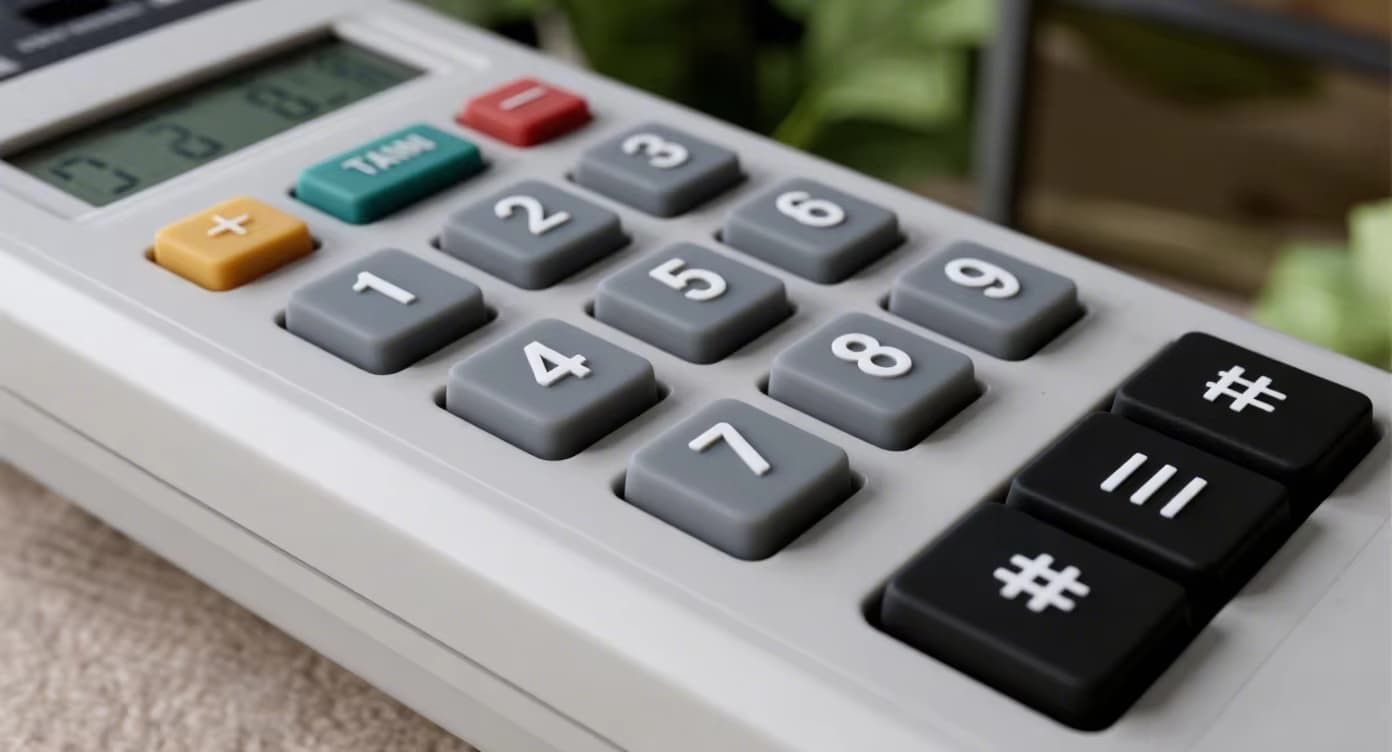
You've received quotes from several silicone keypad suppliers. Some show a separate "mold fee" of $2,000–$15,000. Others claim "no mold fee" or "free tooling." This inconsistency confuses many buyers. The truth is, every custom silicone keypad requires a mold. The difference lies in who pays for it, and how. Based on FromRubber's 15+ years of transparent quoting, this guide explains the six business models behind mold fees — and how to spot the hidden costs.
What Is a Mold?
A precision steel or aluminum tool that shapes liquid silicone into your keypad geometry. Molds require CNC machining, EDM (electrical discharge machining), and manual polishing. A quality mold costs $3,000–$20,000 depending on cavity count and complexity.
No Free Molds
Every silicone keypad comes from a mold. If a manufacturer says "no mold fee," they are recovering the cost elsewhere — higher part price, long-term contract, or hidden surcharges. Nothing is truly free.
6 Business Models for Silicone Keypad Mold Fees (And What They Mean for You)
You pay tooling cost separately ($5k). Part price is competitive. After agreed volume (e.g., 50k units), mold ownership transfers to you. Most transparent model. FromRubber uses this by default.
No separate mold invoice, but part price is 30-50% higher to recover tooling over first N units. You pay more per keypad. Works for very small runs (<5k pcs).
Sign contract for 100k+ units over 2 years. Manufacturer waives mold fee. Risk: you are locked into supplier and minimum quantities.
You pay tooling, but manufacturer keeps physical mold. If you switch suppliers later, you pay again for new mold. Risk: supplier lock-in.
"Free tooling" offered for MOQ of 50k–100k pieces. Mold cost baked into first order pricing. Ask for breakdown – you're still paying.
Rare. You pay recurring fee to "rent" mold. Usually unfavorable long-term. Avoid unless short-term project.
Real Silicone Keypad Cost Comparison: 3 Scenarios (10k units, 50k units, 100k units)
| Model | Mold Fee | Part Price | Total Cost (10k) | Total Cost (50k) |
|---|---|---|---|---|
| Upfront mold fee | $5,000 | $0.80 | $13,000 | $45,000 |
| Amortized (no visible fee) | $0 | $1.20 | $12,000 | $60,000 |
| Volume commitment (100k) | $0 | $0.70 | N/A (min 100k) | $35,000 (at 50k, not allowed) |
At 50,000 units: upfront mold fee model saves $15,000 compared to amortized pricing.
Red Flags When Evaluating Mold Fee Quotes
- 🚩 "No mold fee" but part price suspiciously high — compare with market rates.
- 🚩 Manufacturer refuses to state mold ownership terms in writing.
- 🚩 Mold fee quoted but no detailed breakdown (steel type, cavity count, delivery time).
- 🚩 Free mold offered only if you sign exclusive 3-year contract — limits future flexibility.
- 🚩 Supplier cannot provide mold certification or maintenance records.
FromRubber provides a clear mold fee breakdown and offers mold ownership transfer upon project completion.
At FromRubber, we always quote the mold fee separately and clearly. Why?
We also offer aluminum prototype molds (lower cost, faster) for early validation before committing to production steel tools. This minimizes upfront risk.
📧 nani@fromrubber.com | 🌐 www.fromrubber.com | 24-48h detailed quote
5 Questions You Must Ask Before Accepting a Mold Fee Quote
Q1: "Will I own the mold after a certain production volume? Please state in writing."
FromRubber answer: Yes. We provide a written Mold Ownership Agreement. After you reach the agreed volume (typically 50,000–100,000 pieces), the mold ownership transfers to you. The agreement includes clear terms with no hidden conditions.
Q2: "If I pay the mold fee, can I take the mold to another manufacturer later?"
FromRubber answer: Yes. Once you have paid the mold fee in full and met any agreed volume threshold (if applicable), the mold is your property. We will ship the physical mold to any manufacturer you choose. No lock-in, no extra fees.
Q3: "What is your mold material? Aluminum or hardened steel?"
FromRubber answer: For prototype molds: Aluminum (7075 or 6061) – lower cost, 10k-50k cycle life. For production molds: Hardened steel (P20, H13, or S136) – designed for 500k–1M+ cycles. We recommend steel for any volume above 25,000 units. We specify the material in every mold quote.
Q4: "What happens if the mold wears out after 500k cycles — who pays for refurbishment?"
FromRubber answer: Normal wear beyond the rated cycle life is the customer's responsibility. However, we document the expected lifespan upfront. For steel molds rated to 1M cycles, we guarantee they will perform to specification. If premature wear occurs (defective workmanship), we refurbish or replace at no cost. We also offer affordable refurbishment services at cost + 10%.
Q5: "Can you provide a CAD drawing of the mold base and cavity layout?"
FromRubber answer: Yes. Before mold manufacturing begins, we supply a detailed mold layout drawing including cavity positions, gate locations, ejection system, and cooling channels. After mold completion, we provide the full CAD assembly (STEP format) upon request. Full transparency is our standard practice.
FromRubber answers all these questions upfront, with documentation.
Some silicone keypad manufacturers charge a mold fee; others hide it in higher part prices or volume commitments. Always ask about mold ownership, material, and the total cost over your expected production volume. FromRubber provides transparent, itemized quotes — mold fee separate, part price fair, and ownership terms clear. No surprises, no lock-ins.