Why Instrument Calibration Drifts After 6 Months – The Silicone Keypad Conductivity Problem No One Talks About
- Share
- publisher
- Suey
- Issue Time
- Aug 10,2026
Summary
Instrument calibration drifts after 6 months due to silicone keypad conductivity decay. Rising contact resistance shifts high‑impedance measurements. Choose stable keypads from specialists to ensure long‑term accuracy and reduce recalibration costs.
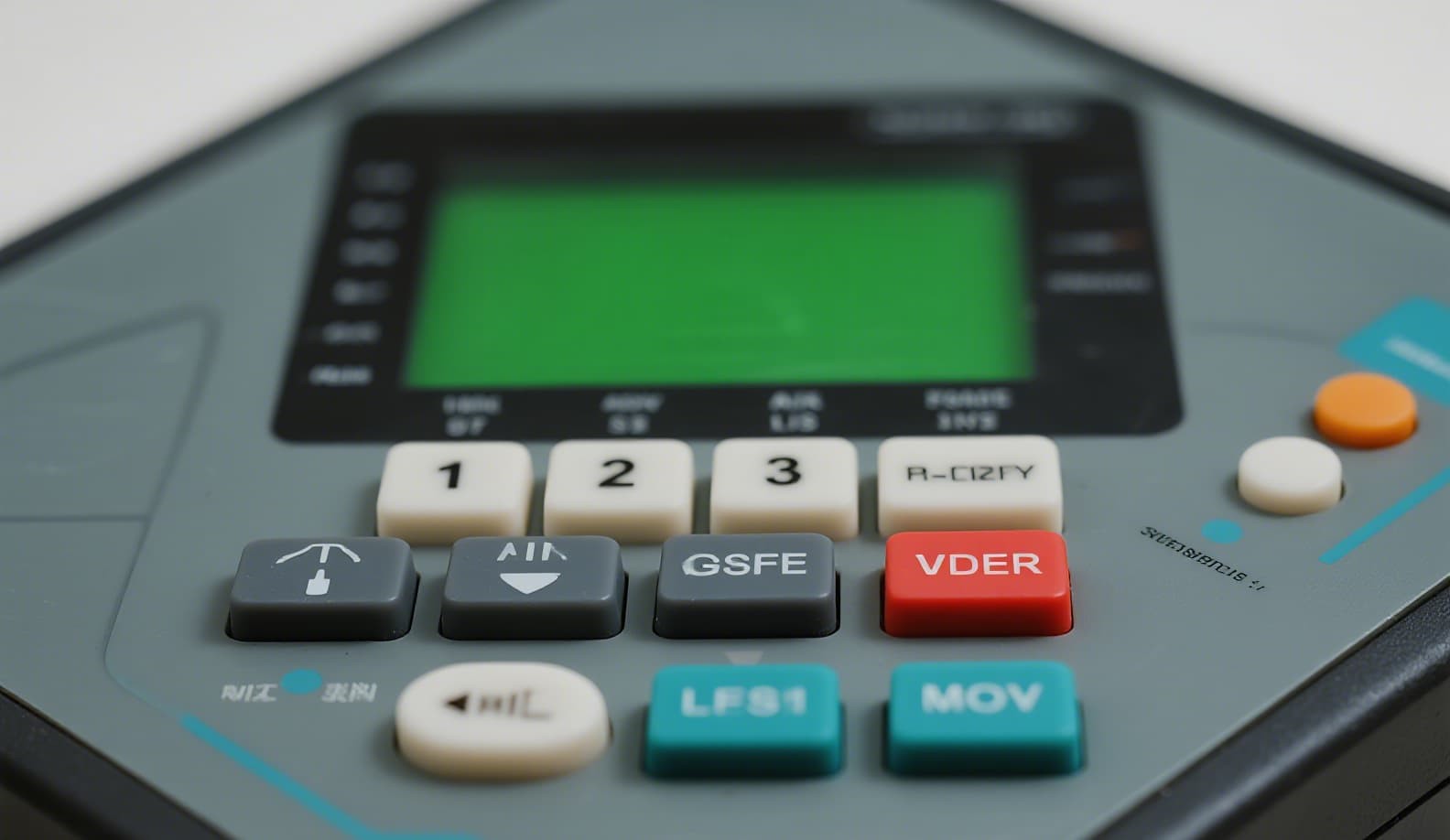
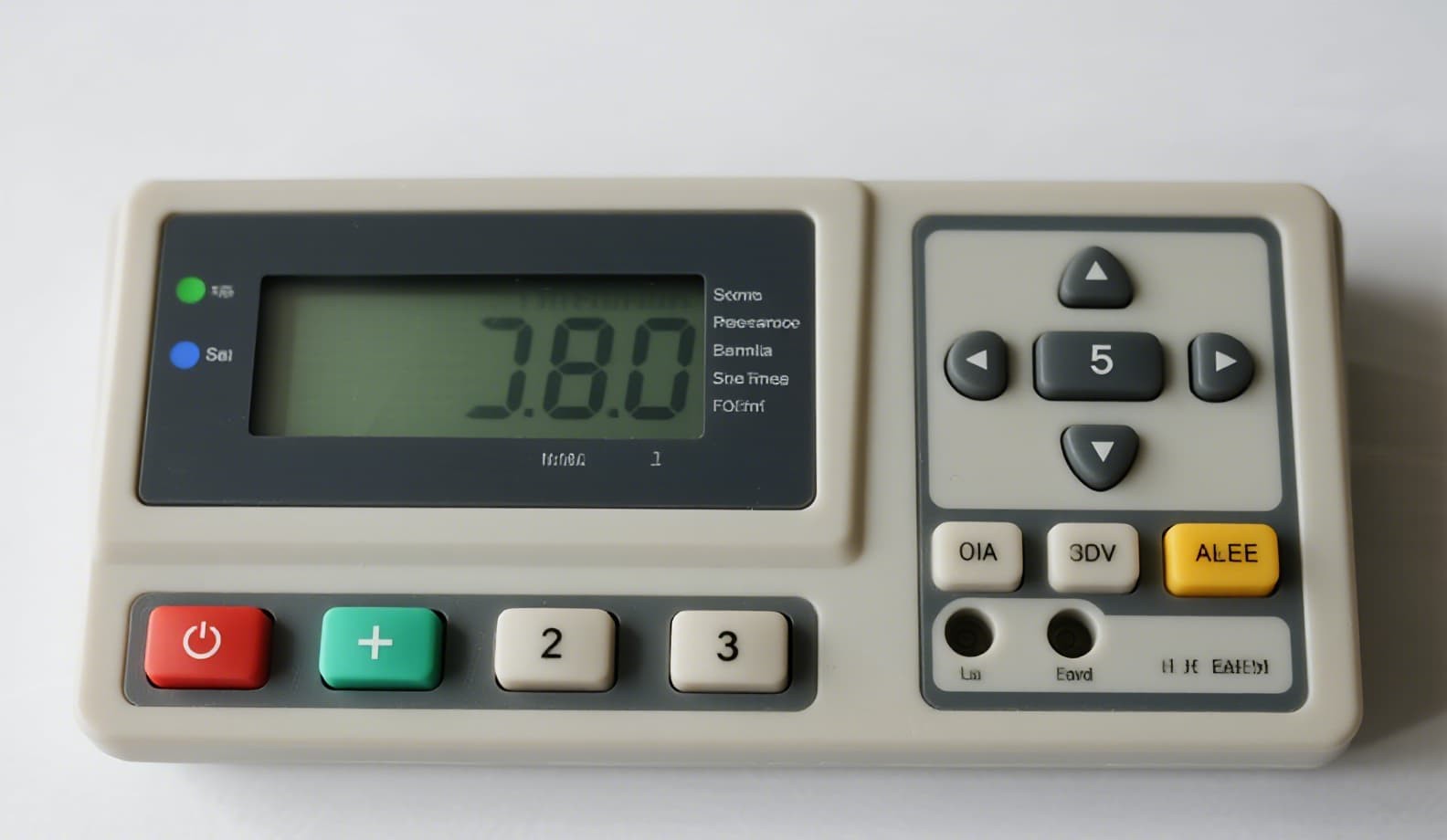
Your Instrument silicone keypad passes initial QC
Contact resistance is low (e.g., 8 Ω) and the instrument meets all specs. But the silicone keypad is already beginning its silent degradation due to stress relaxation and filler reorientation.
Instrument Silicone keypad resistance creeps up
Contact resistance rises to 20‑30 Ω. The error is still within tolerance, but the silicone keypad’s conductive network is fracturing, especially in high‑actuation areas.
Instrument Silicone keypad conductivity fails
Resistance jumps to 80‑120 Ω. The silicone keypad now injects a measurable error into high‑impedance circuits, shifting gain and offset. Your instrument fails annual verification.
⏱ This predictable timeline is rarely discussed, yet it affects every instrument that relies on a silicone keypad for range selection, calibration enable, or user input. The solution is not a better firmware — it’s a better silicone keypad.
Why Instrument Silicone Keypad Conductivity Decays
The conductive rubber in a silicone keypad is a composite of carbon black or metal particles suspended in a silicone elastomer. Over time, mechanical cycling and environmental stress (heat, humidity, oxidation) cause the filler network to separate and the surface to form an insulating layer. This is the primary reason contact resistance drifts, and it’s why your calibration drifts with it.
Real‑World Cases: Instrument Silicone Keypad Failures
High‑End Spectrum Analyzer
The silicone keypad used for attenuator control developed a 90 Ω contact resistance after 8 months, causing a 0.1 dB gain error. FromRubber replaced it with a custom silicone keypad engineered for low drift, eliminating the error.
Portable Multifunction Calibrator
A silicone keypad responsible for switching reference resistors showed a 150 Ω rise, shifting the output by 0.05 %. FromRubber provided a silicone keypad with a stabilised conductive compound, maintaining < 5 Ω drift over 2 years.
What generic suppliers won’t tell you: Their silicone keypad data sheets only show initial resistance. They don’t test aging. FromRubber does — and we guarantee < 5 Ω drift in our custom silicone keypads after 1 million cycles and 24 months of accelerated life.
Specify Your Silicone Keypad for Calibration Stability
When sourcing a silicone keypad, demand:
- Contact resistance drift data over temperature (−10 °C to +60 °C) and humidity.
- Accelerated aging test results (85 °C/85 % RH with bias) for at least 1000 hours.
- Filler dispersion control and anti‑oxidation treatment.
- Lot‑to‑lot consistency reports to avoid batch‑induced drift.
FromRubber is a specialist in precision silicone keypads for measurement instruments. We formulate our own conductive elastomers, optimize particle morphology, and run in‑process resistance checks on every single keypad. Our silicone keypads are trusted by top OEMs to preserve calibration accuracy and reduce warranty returns.