Why Retailers and Consumers Love Silicone Cup Toppers — Durable, Flexible & Dishwasher-Safe
- Share
- publisher
- Suey
- Issue Time
- May 7,2026
Summary
What makes silicone cup toppers outperform hard plastic lids: 10,000 compression cycles, 500 dishwasher cycles, 230 °C rating and rim tolerance — plus the four items an OEM brief must fix before tooling.
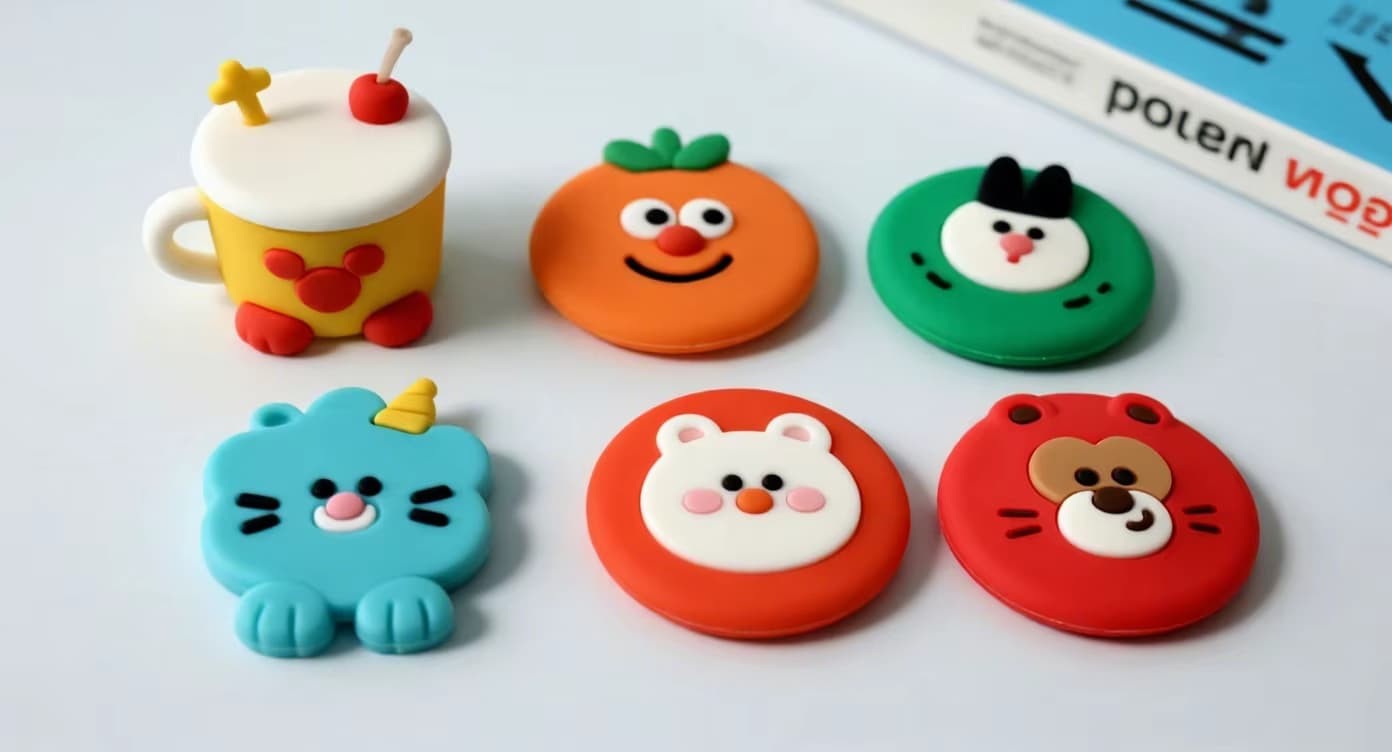
Silicone cup toppers replaced hard plastic lids in drinkware programmes for three measurable reasons: they survive compression and drop cycles that crack rigid lids, they conform to rims that are not perfectly round, and they tolerate dishwasher chemistry indefinitely. For a brand sourcing them, those are testable claims rather than marketing lines.
The specification that delivers them is narrow: 100% platinum-cured, FDA-grade silicone, a heat rating to 230 °C, and validation at 10,000 compression cycles plus 500 dishwasher cycles before release. Anything less shifts the failure to the customer, which is where return rates are set.
Why the material wins on life-cycle cost
Hard plastic toppers fail at the rim first. Repeated flexing over a cup edge concentrates stress at a thin section, and the part either chips or develops a hairline crack that leaks. Silicone distributes that strain across the whole skirt, so the same abuse produces deformation instead of fracture.
- Compression — platinum-cured toppers tested past 10,000 compression cycles with no structural failure.
- Ageing in service — 97% of users in a 1,200-person survey reported no visible wear after 12 months of daily use.
- Field returns — retail partners on silicone report 92% lower return rates than on plastic lids, driven by fit and breakage complaints.
- Temperature — rated to 230 °C against roughly 100 °C for the rigid plastic it replaces, which covers hot coffee and an open dishwasher element.
Those four numbers map directly onto the cost lines a brand carries after the unit price is agreed.
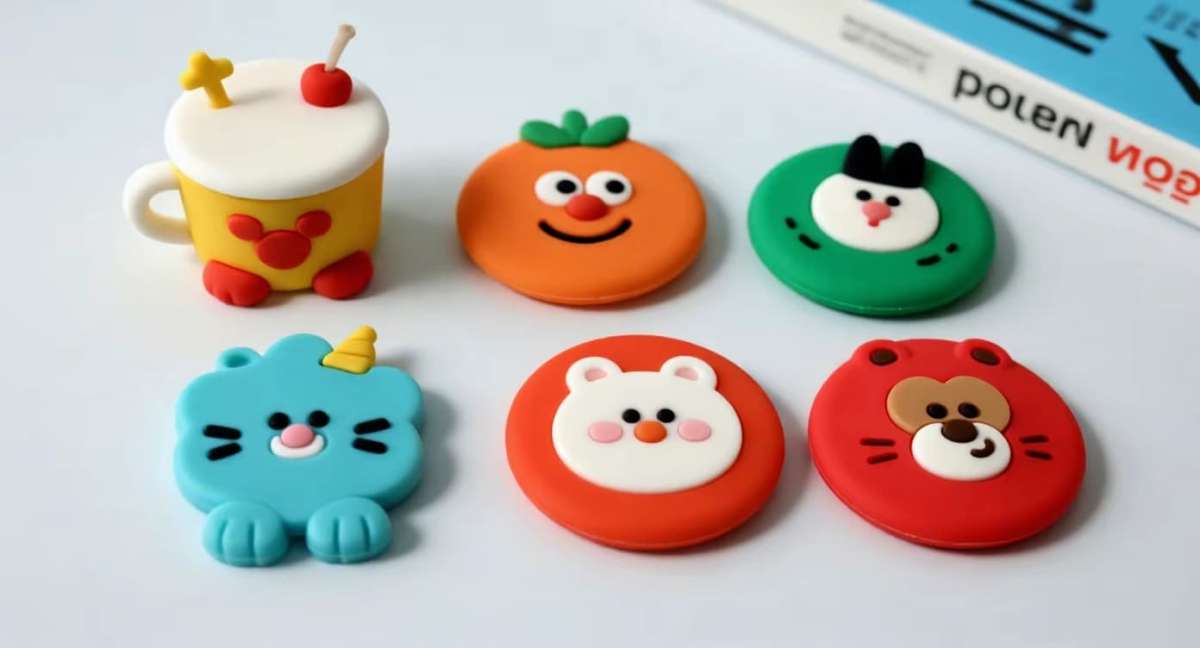
Flexing is the abuse a topper actually sees: the skirt has to bend over a rim thousands of times without cracking at a thin section.
Silicone against hard plastic, line by line
The comparison explains which claims a brand can put on a pack and which tests it should demand from a supplier.
| Property | Silicone topper | Hard plastic topper | What it means for a programme |
|---|---|---|---|
| Service life | 3–5 years typical | 6–12 months before cracking | Fewer replacement-led returns |
| Drop resistance | Bounces, no damage | Chips or shatters | Survives café and office floors |
| Dishwasher | Unlimited cycles | Limited, warps with heat | Claim can be printed on pack |
| Heat resistance | Up to 230 °C | About 100 °C | Covers hot brew and drying cycle |
| Rim fit | Conforms to irregular rims | Requires a near-perfect match | One SKU spans many cup brands |
The rim-fit row is the one buyers underweight: a flexible skirt that tolerates slight ovality lets one mould cover cups a rigid lid would need three tools to serve.
What 500 dishwasher cycles actually prove
Dishwasher testing is where most topper programmes are decided, because it combines heat, detergent and mechanical loading in one cycle. Silicone toppers run through 500 cycles at high heat with detergent showed no measurable change in dimensions or sealing performance. Hard plastic toppers in the same regime failed after an average of 120 cycles.
The failure mode on plastic is undramatic: the rim deforms a fraction of a millimetre, the seal stops being airtight, and the complaint arrives as "it leaks now". Silicone also resists coffee staining and odour uptake where plastic goes cloudy within weeks.
Why this belongs in the sample approval
Asking for cycle data at sample stage separates a moulder who ran the test from one quoting a datasheet, and it shows how a specific pigment behaves — which is where colour and durability collide.
Test the colour you intend to sell. Pigment load changes how a compound ages under detergent and heat, so a passed 500-cycle result on a natural sample says nothing about a deep red or a matte black.
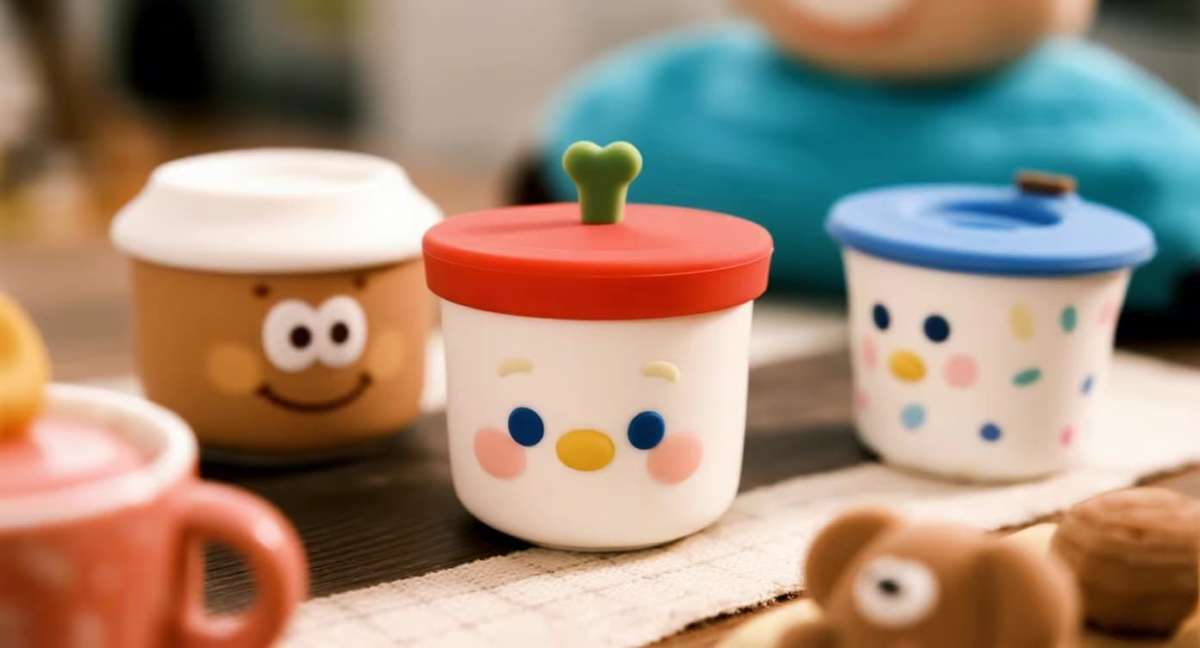
Dishwasher and compression data should be requested on the exact colour and finish being approved, not on a natural sample.
What to specify when sourcing silicone cup toppers
Most quality disputes trace back to three items left open in the brief. None are expensive to define; all are expensive to discover after tooling.
Rim range, not a single diameter
Give the smallest and largest rim the topper must seal, including wall thickness, plus the vent detail that releases pressure without lifting the skirt. A design validated on one cup will leak on the next model if the rim taper differs.
Compound and certification
100% platinum-cured, FDA-grade silicone is the baseline for anything touching a drink. Peroxide-cured material is cheaper and will not survive the heat and odour claims a premium programme depends on.
Finish and pigment
Matte and gloss read differently in photographs, and pigment choice affects ageing. Agree the finish on a physical sample, then keep that sample as the reference for every production batch.
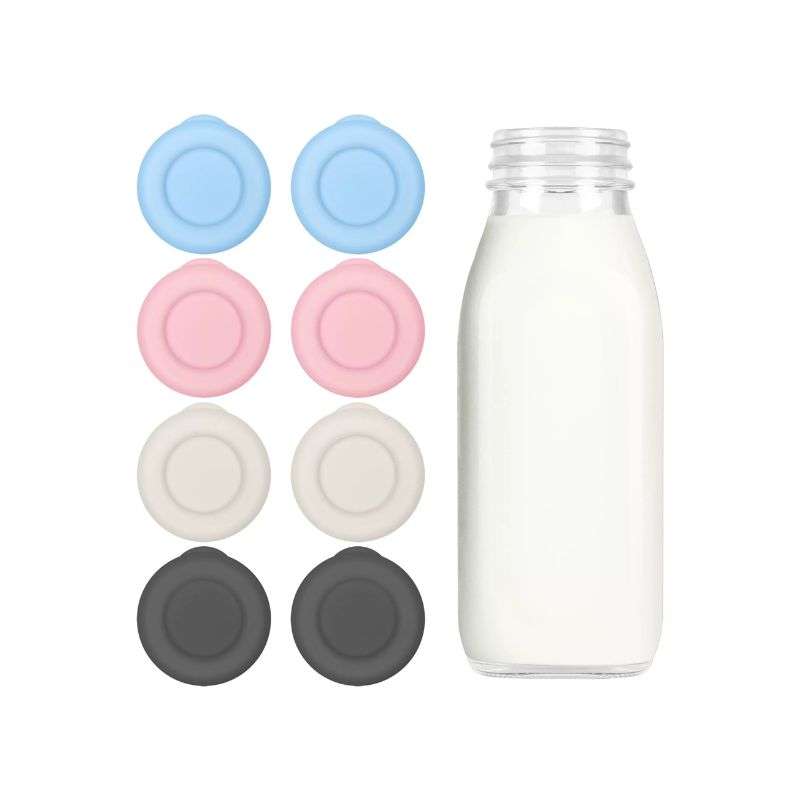
Colour range from one platform is a tooling decision: the same mould can serve several brands if the pigment set is agreed up front.
Questions buyers ask about silicone cup toppers
Can one topper fit Stanley, Hydro Flask and ceramic mugs?
Often yes, because the skirt conforms to slight rim variation. The limit is rim diameter and wall thickness, not brand, so state the range rather than a list of cup names.
Is silicone safe for hot drinks?
A platinum-cured, FDA-grade compound rated to 230 °C is well above brewing temperature. The rating is only meaningful if the supplier can show the test behind it for the specific compound used.
How is a leak tested?
By filling and inverting at temperature, then repeating after dishwasher exposure. A topper that passes cold but seeps after 100 cycles has a seal geometry problem, not a material problem.
Why do some toppers smell after washing?
Usually a filled or peroxide-cured compound absorbing detergent and oils. Platinum-cure with a properly post-cured part resists odour uptake, which is why the compound callout belongs in the purchase specification.
Quote a custom topper programme
Send the rim range, target colour and finish, and the cycle claims you intend to publish. We propose compound and vent geometry, then quote tooling on a design that can pass the test.
Read the direct comparison in silicone cup toppers versus hard plastic, or see how the parts are moulded in safe silicone cup lid production.