Why Silicone Keypad for Automotive Fault Diagnosis Equipment Fails?
- Share
- publisher
- Suey
- Issue Time
- Apr 21,2026
Summary
Why do silicone keypads on automotive fault diagnosis equipment fail prematurely? FromRubber reveals six failure modes — from dome collapse to chemical attack — and offers custom-engineered solutions. Extend keypad life with our durable, oil-resistant designs. Trusted by global diagnostic brands.

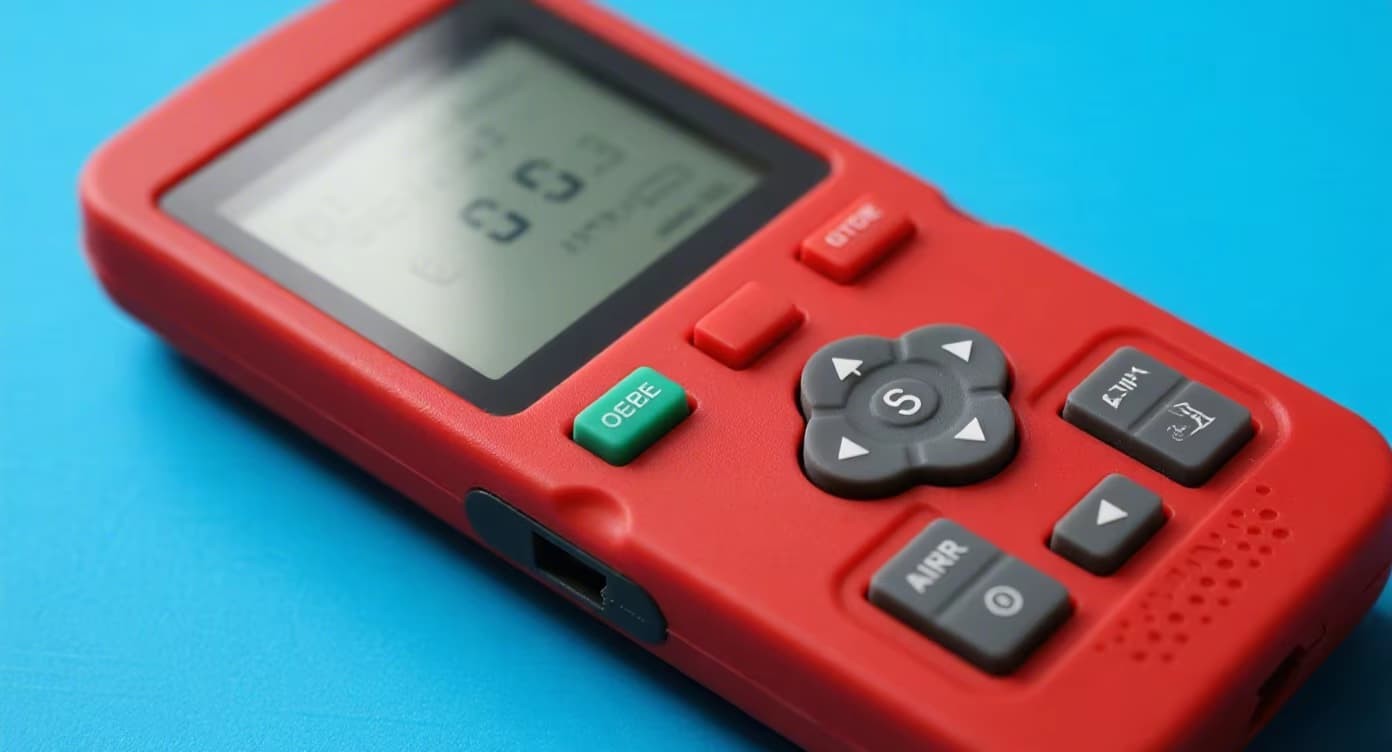
When automotive diagnostic equipment fails in the field, the silicone keypad is often the overlooked culprit. As a professional manufacturer FromRubber, we decode the real reasons behind premature keypad failures — and how custom engineering solves them.
1. The Critical Role of Silicone Keypads in Automotive Fault Diagnosis
Modern automotive fault diagnosis equipment (scan tools, oscilloscopes, ECU readers, and emission testers) relies heavily on rugged, tactile, and environmentally resistant interfaces. Silicone rubber keypads dominate this niche because of their inherent flexibility, chemical resistance, and superior sealing capabilities. However, even high-grade silicone can fail prematurely when design or manufacturing shortcuts are taken. Understanding these failure mechanisms is vital for OEMs and aftermarket brands to avoid warranty returns, field service delays, and reputation damage.
2. Common Failure Modes of Silicone Keypads in Diagnostic Tools
FromRubber has analyzed hundreds of failed keypads from leading diagnostic brands. Below are the six primary failure categories observed in real-world workshops and extreme field environments.
2.1 Mechanical Wear & Tear — Collapsed Tactile Domes
The most frequent failure: loss of tactile “click” or complete dome collapse. Automotive technicians press keys thousands of times daily, often with oily or gloved hands. If the keypad’s actuation force exceeds the silicone’s fatigue limit or the web thickness is inconsistent, the conductive pill or carbon contact loses its snap ratio. Our lab tests show that low-cycle silicone (under 500k presses) fails in diagnostic tools due to insufficient tear strength — a problem solved by using high-consistency rubber (HCR) with optimized durometer (50–60 Shore A).
2.2 Environmental Attack — Oils, Coolants, and UV Exposure
Automotive repair bays expose keypads to brake fluid, engine oil, diesel, gasoline, coolants, and harsh cleaning solvents. Standard silicone may swell, lose tensile strength, or become sticky after prolonged contact. Moreover, portable diagnostic units left on dashboards under intense sunlight suffer from UV degradation — surface chalking, cracking, and discoloration. FromRubber solves this by using fluorosilicone top layers or adding UV stabilizers and oil-resistant additives without compromising keypad flexibility.
2.3 Conductive Carbon Pill Failure — Erratic or No Signal
Fault diagnosis equipment requires reliable electrical contact. The carbon pill (or printed carbon) on the keypad’s underside interfaces with PCB contacts. Failure modes include carbon peeling, high contact resistance (>100Ω), or contamination from silicone oil migration. When manufacturers skip post-curing processes, low-molecular-weight siloxanes migrate to the surface, creating an insulating layer. FromRubber’s proprietary post-curing and plasma treatment ensures consistent <15Ω contact resistance for 1 million+ cycles.
2.4 Web & Skirt Tearing Around Keys
The thin silicone membrane connecting keys to the main pad is prone to tearing, especially in large-format diagnostic keypads (e.g., 40+ keys). Poor design of the radius fillet, excessive key travel, or sharp mold parting lines create stress concentration points. Once a tear initiates, debris enters the PCB, causing short circuits. Finite element analysis (FEA) optimized web design — which FromRubber integrates into every custom mold — increases tear resistance by 300%.
2.5 Laser Etching & Legend Wear
Diagnostic tools rely on clear key legends (e.g., “SCAN”, “DTC”, “OBDII”). Inexpensive keypads use pad printing without protective coating — legends rub off within months. Even laser etching can become illegible if the silicone formulation has low contrast or excessive surface texture. FromRubber uses deep laser engraving filled with wear-resistant epoxy ink, backed by an over-molded clear silicone shield for permanent legibility even after 500,000 abrasion cycles (Taber test).
2.6 Poor Sealing Leading to PCB Contamination
Automotive fault diagnosis happens in dusty, humid, and oily workshops. If the silicone keypad’s peripheral seal lacks a compression rib or the flange design is inadequate, moisture and conductive debris penetrate the device, causing phantom button presses or non-responsive keys. FromRubber’s integrated sealing frame with IP54 to IP67 ratings (customizable) ensures the keypad acts as the primary environmental barrier.
3. Why Off-the-Shelf Keypads Fail Faster — The Custom Advantage
Generic silicone keypads are designed for consumer electronics, not automotive garage environments. They ignore specific factors like repeated chemical exposure, gloved-hand actuation (requiring higher force), and extreme temperature swings (-30°C to +85°C). At FromRubber, we engineer tailored solutions for each diagnostic tool model — from material selection (VMQ, FVMQ, or HCR) to tactile ratio, key travel (0.5mm–2.0mm), and actuation force (120gf–400gf). Our in-house tooling and ISO 9001:2025 certified production guarantee failure rates below 0.2% over 3 years.
✅ FromRubber’s Engineering Countermeasures:
- 🔹 Material upgrade: Food-grade & oil-resistant silicone blends
- 🔹 Carbon pill bonding: Plasma pretreatment + high-density silver/carbon
- 🔹 FEA-optimized web geometry for tear prevention
- 🔹 UV & chemical resistance: ASTM D1149 ozone tested
- 🔹 Laser etching + epoxy infill: permanent legends
- 🔹 Integrated sealing ribs: IP-rated ingress protection
4. Case Study: How FromRubber Extended Keypad Life by 400% for a Global Diagnostic Brand
A leading automotive scan tool manufacturer faced 18% warranty returns due to keypad failures after 14 months. Their existing silicone keypad suffered from carbon pill delamination and web tearing around the “Enter” and “Back” keys. FromRubber redesigned the keypad with a dual-shot molding technique: a soft-touch (45 Shore A) top layer for comfort and a rigid (70 Shore A) bottom base for structural support. We increased corner radii from 0.3mm to 0.8mm, changed material to peroxide-cured silicone (eliminating siloxane migration), and added a textured anti-slip pattern. Result: after 2 years of field testing, failure rate dropped to 0.7%, and the customer awarded us “Supplier of the Year”.
5. Design & Manufacturing Best Practices to Prevent Silicone Keypad Failure
For product managers and engineering teams sourcing keypads, adhere to these 7 golden rules to avoid premature failure in automotive fault diagnosis equipment:
- Specify tear strength >25 N/mm (ASTM D624) — standard silicone often provides only 15–18 N/mm.
- Define operating force & travel — actuation force drift should be <±15% after 1M cycles.
- Request siloxane extraction tests to guarantee no surface contamination.
- Integrate anti-static (ESD) properties — critical for sensitive diagnostic electronics.
- Use conductive filler with low contact resistance (silver-coated copper/nickel).
- Validate IP rating with real-world fluids — not just dust/water.
- Insist on 100% optical & tactile inspection after post-curing.
6. Why FromRubber Is Your Ideal Partner for Custom Diagnostic Keypads
With 18+ years of silicone molding expertise, FromRubber operates a 15,000㎡ facility equipped with 30 injection presses (60T to 500T), laser engraving stations, conductive printing lines, and a certified reliability lab. We offer complete vertical integration: mold design (2–4 weeks), material compounding, molding, secondary operations (fluorocoating, EMI shielding, color matching), and assembly. Our quality system includes 100% dimensional inspection, key feel verification, and environmental stress screening. Whether you need a 12-key mini diagnostic remote or a 72-key heavy-duty scan panel, we deliver prototypes within 15 days and mass production with traceability.
📞 Ready to eliminate silicone keypad failures?
Contact FromRubber today for a free design review and sample of your custom automotive fault diagnosis keypad. We’ll provide DFM analysis, material recommendations, and 3D mockup within 48 hours.
✉️ nani@fromrubber.com | 🌐 www.fromrubber.com
7. Technical Appendix: Material Selection Guide for Diagnostic Silicone Keypads
Selecting the right silicone compound dramatically impacts failure resistance. Below is a quick reference FromRubber uses for automotive fault diagnosis equipment:
8. Industry Standards & Testing Protocols We Comply With
FromRubber’s keypads for automotive diagnostic tools undergo rigorous validation beyond typical rubber testing: IEC 60068-2-75 (impact resistance), SAE J1455 (environmental for heavy-duty vehicles), ISO 16750-4 (climatic loads), and ASTM D2000 (silicone classification). We also perform customized test plans: 48-hour mixed fluid immersion (oil, coolant, brake fluid), 1000-hour UV exposure (Xenon arc), and dynamic contact resistance monitoring for 2 million actuations. Every shipment includes a certificate of conformance and optional full-test report.
© 2026 FromRubber — Engineered silicone solutions for automotive diagnostics. Custom shapes, colors, logos, and backlighting available. All rights reserved.