Why Silicone Letter Patches Are Perfect for T-Shirts?
- Share
- publisher
- Suey
- Issue Time
- Aug 19,2025
Summary
Why silicone letter patches behave differently from printed lettering: stroke weight, closed counters and relief depth, how colour choices drive tooling cost, and how to attach a word so the letters stay on the garment.
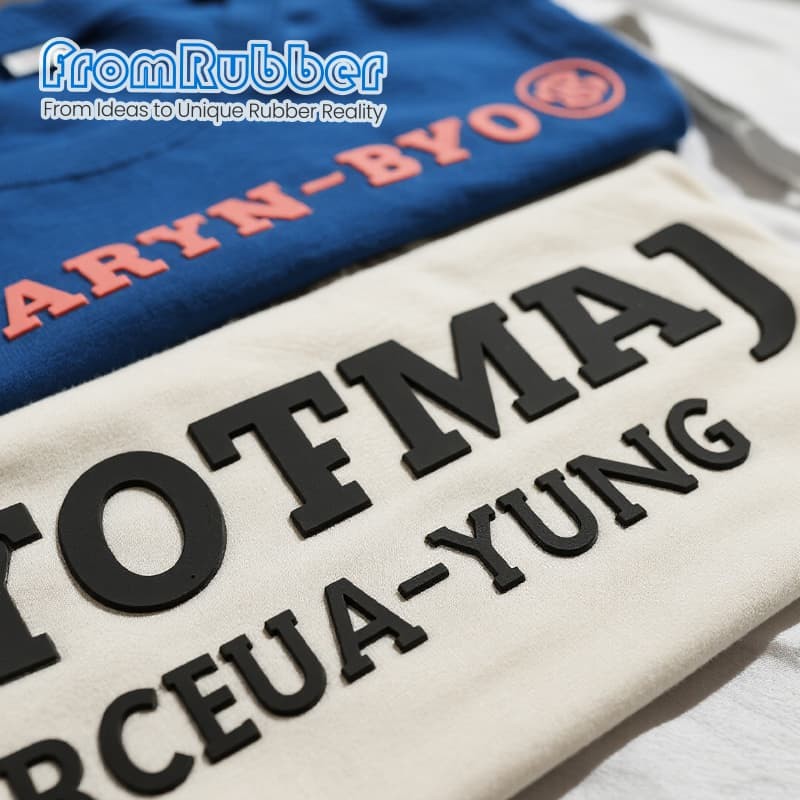
A letter patch lives or dies on typography. Most designs that fail were drawn as flat artwork, where a two-millimetre stroke looks solid, and then moulded, where the same stroke is too thin to fill and too narrow to survive a wash.
This covers what changes when type becomes silicone letter patches: stroke weight, counters, height, colour and the attachment that keeps the letters attached.
Why Do Silicone Letter Patches Behave Differently From Printed Lettering?
The direct answer: moulded letters have thickness, so each letter is a small three-dimensional object with walls, a top face and shadows. That gives them presence a print cannot match, and it also means the space inside a letter is a hole in the tool, not white ink.
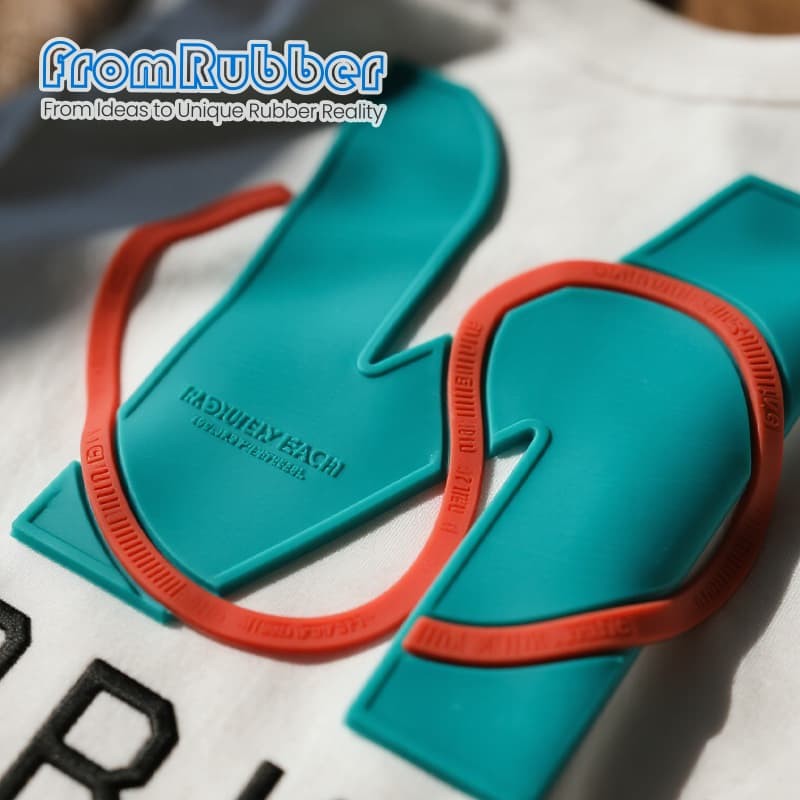
Two consequences follow. Thin strokes fill unreliably, because the compound has to travel into a narrow channel before it cures. And closed counters, the enclosed space in an A, O, P or R, need a physical pillar in the mould or they simply fill in.
The Typographic Rules That Survive Moulding
The first rule is the one to argue about with a designer before tooling, because widening a stroke is free at artwork stage and impossible afterwards.
| Feature | Rule of thumb | What happens if ignored |
|---|---|---|
| Stroke weight | Keep the minimum stroke at roughly a tenth of letter height | Short shots, ragged edges, letters that read as blobs |
| Letter height | Small text loses definition; go bigger or drop the line | Legibility falls at arm's length |
| Counters | Enclosed spaces need a bridge in the tool | Filled-in A, O, P, R |
| Spacing | Leave a gap wider than the stroke between letters | Letters merge into a single bar |
| Relief depth | Deep enough to catch light, shallow enough to release | Under-cuts that tear on ejection |
Colour: Where Silicone Letter Patches Get Expensive
A single-colour patch is one moulding. A two-colour patch where the letters differ from the base is either a second shot in a two-shot tool or a hand-filled cavity, and both add cost in a way that is not proportional to the amount of colour used.
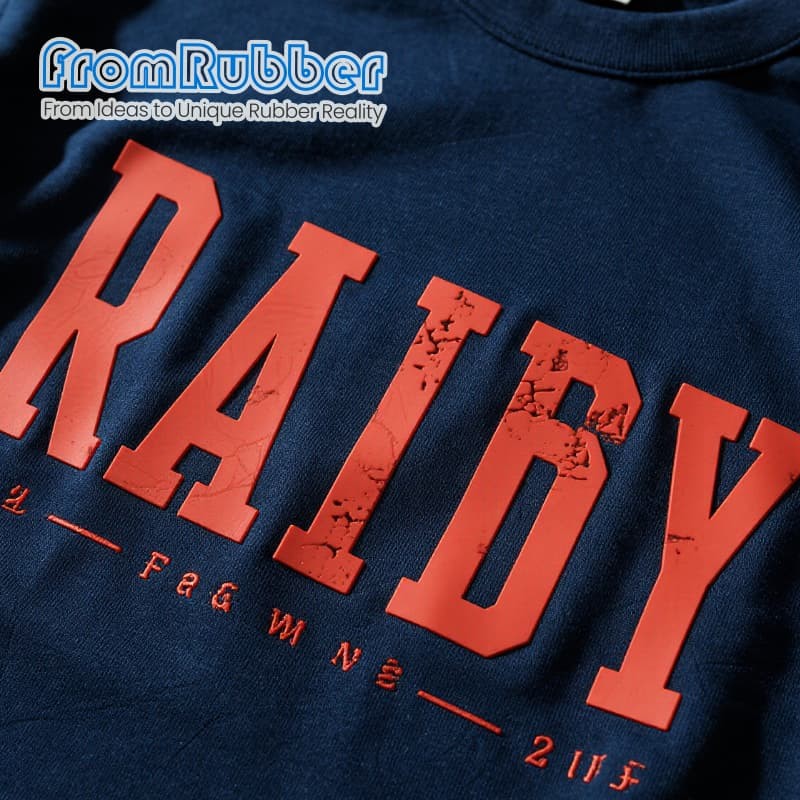
The cheaper route to contrast is a base colour plus a surface treatment: a printed or sprayed face on a raised letter. It reads well at retail and it wears at the edges first, which is acceptable on a fashion item and unacceptable on a workwear brand that expects the logo to survive a hundred washes.
Attaching Letters So They Stay Letters
Letters bonded individually peel individually. A patch that carries a word should be a single moulded piece with the letters joined on a thin base, then attached as one part. That single decision removes the most common complaint in this category, which is one letter lifting after a few weeks.
Ordering Silicone Letter Patches Without a Re-Make
Send vector artwork at final size with the stroke weight called out numerically, and state the smallest letter height you will accept. Then approve a physical sample on the actual fabric under the lighting the customer will see.
Agree the wash test before bulk production, at the temperature the care label will claim. A patch tested at a gentle cycle proves nothing about a hot wash with detergent, and the difference between those two tests is where most returns originate. For the attachment decision itself, our comparison of heat transfer and sew-on covers how each method fails, and the broader design constraints are set out in the custom rubber patches guide.
Ordering Silicone Letter Patches From a Custom Factory
Lettering is tooling, so the artwork review is the most valuable hour in the project. Send vector artwork at final size with the stroke weight measured, the smallest letter height you will accept, and the fabric the patch will sit on. Those three inputs decide whether the design can be moulded as drawn or needs a redraw.
We produce heat transfer letter silicone patches as single joined pieces rather than individual letters, which is what keeps a word intact after washing.
Frequently Asked Questions
Can any font be used for silicone letter patches?
Most fonts can be moulded if the stroke weight is adjusted, but very high-contrast or hairline type needs redrawing. Script fonts with overlapping strokes are the hardest, because the overlaps create under-cuts that will not release from the tool.
What is the smallest legible letter height?
It depends on the stroke and the relief, but as a working limit, letters below a few millimetres lose definition at arm's length regardless of how clean the moulding is. If the design needs a small line of text, print it rather than mould it.
Do letters need a background patch?
Not necessarily, but they need a joined base if they form a word. Individual letters attached separately will fail one at a time in use, and they are expensive to apply.