Wrong Silicone Keypad Mold Steel Choice Can Shorten Mold Life Tenfold: How to Choose and Cost Differences
- Share
- publisher
- Suey
- Issue Time
- Aug 4,2026
Summary
Choose S50C for prototypes (<10K), P20 for medium volumes (10K‑100K), S136 for high volume (>100K) or high‑gloss parts. Wrong silicone keypad mold steel costs more long‑term. FromRubber guides selection.
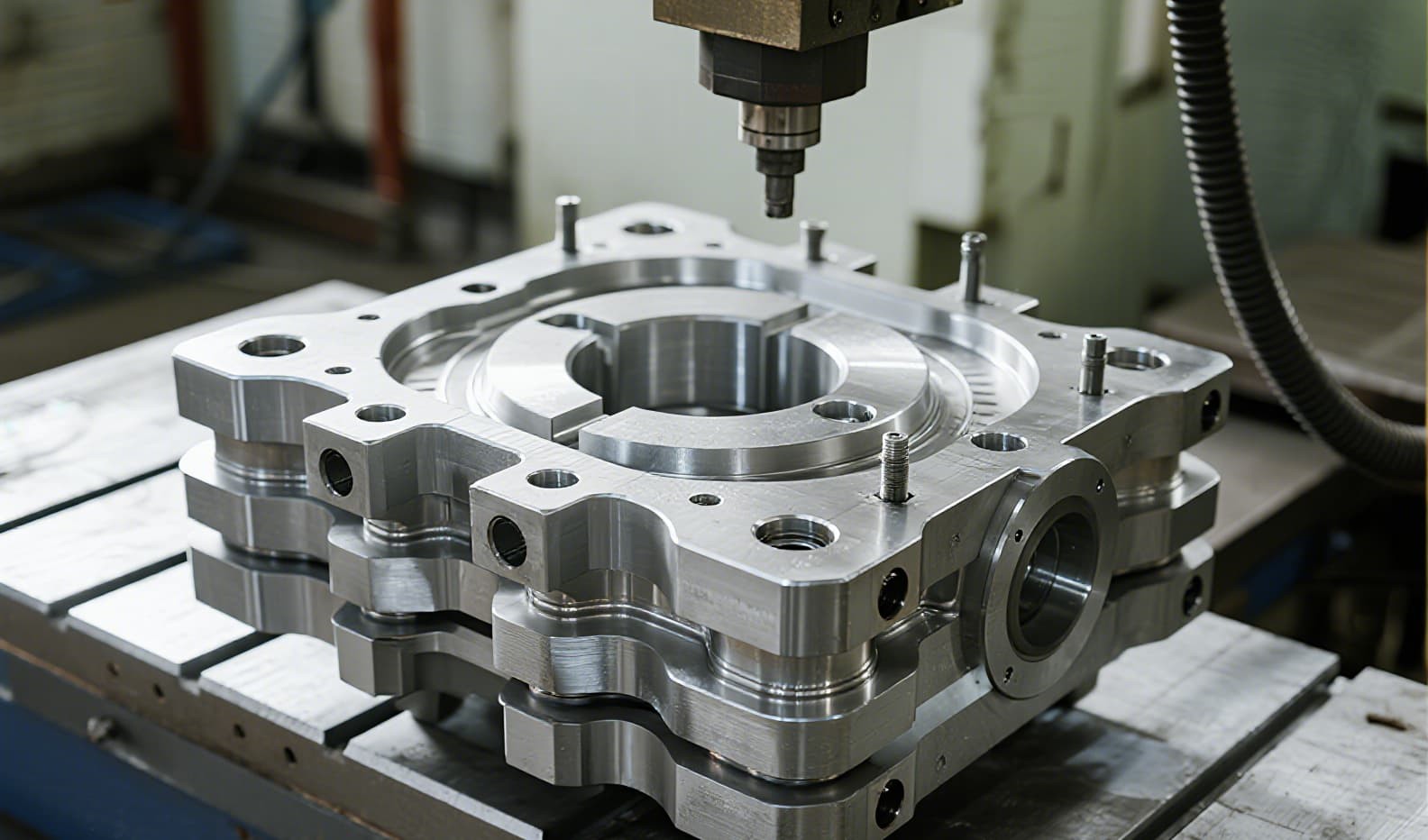
This "penny‑wise, pound‑foolish" mistake is something FromRubber sees far too often. Clients focus only on the initial mold quote, ignoring how steel selection drives long‑term production cost. The difference in material cost may be thousands, but the losses from downtime, quality complaints, and remolding can be ten times that. And these problems are entirely avoidable with the right steel choice at the start.
Silicone Keypad Mold Steel Technical Analysis
The mold is the "mother" of the product. Its steel material directly determines tool life and product quality. Silicone molds operate under high temperature (180°C+) and high pressure — requiring excellent corrosion and wear resistance.
According to FromRubber’s Silicone Keypad Custom Molding Best Practices, steel selection must be based on production volume and quality requirements. The performance differences between steels can mean the difference between 50,000 cycles and over 1,000,000 cycles.
Steel Comparison at a Glance
| Property | S50C (Carbon Steel) | P20 (Pre‑hardened) | S136 (Stainless, Mirror) |
|---|---|---|---|
| Hardness | Low (normalized) | 26–32 HRC | 48–54 HRC (quenched) |
| Corrosion Resistance | Poor — rusts easily | Moderate | Excellent — no special protection needed |
| Polishability | Fair | Good | Excellent — mirror finish |
| Typical Tool Life | 50,000–100,000 shots | 300,000–500,000 shots | 1,000,000+ shots |
| Life after Nitriding | Not applicable | Can exceed 1M shots | N/A |
| Relative Cost (Material) | Low | Medium | High |
| Total Mold Cost | Lowest | Moderate | 30–50% higher |
| Best For | Prototypes, small pilot runs | 10K–100K parts | >100K parts, high‑gloss or high‑precision |
Deep Dive: Each Steel
S50C (Carbon Steel / "King Steel"): Cheap, easy to machine, widely used. But it has low hardness, poor corrosion resistance, and low hardenability. Suitable for simple parts and very low volumes. For high‑volume or cosmetic‑critical parts, it wears and rusts quickly, degrading part quality.
P20 (Pre‑hardened Plastic Mold Steel): The workhorse of silicone molding. Hardness 26–32 HRC, good polishability, and can be electro‑discharge machined. With nitriding, surface hardness can reach 650–700 HV (57–60 HRC), extending life to 1M+ shots. Excellent value for 10K–100K part runs.
S136 (Stainless Mirror Steel): Premium choice. High toughness, excellent polishability and wear resistance, stable heat treatment. Maintains a smooth cavity surface over millions of cycles. Resists corrosion even in humid environments without special protection. Cooling channels stay scale‑free, ensuring consistent thermal performance. Hardness 48–54 HRC after quenching. Ideal for 1M+ shots, high‑gloss or medical applications.
Real‑World Silicone Keypad Mold Steel Case Studies
Bluetooth speaker keypad – Initial order 50K pieces. Client used S50C to save mold cost. Later orders exploded to 200K.
Re‑making with P20 cost more and delayed the product launch. The "savings" on the first mold were dwarfed by lost revenue and rework.
Medical device keypad – 200K+ pieces/year with mirror‑finish surface. Client engaged FromRubber before tooling.
Per‑part tooling cost was actually lower than cheaper steel. Surface quality remained pristine over 3M cycles.
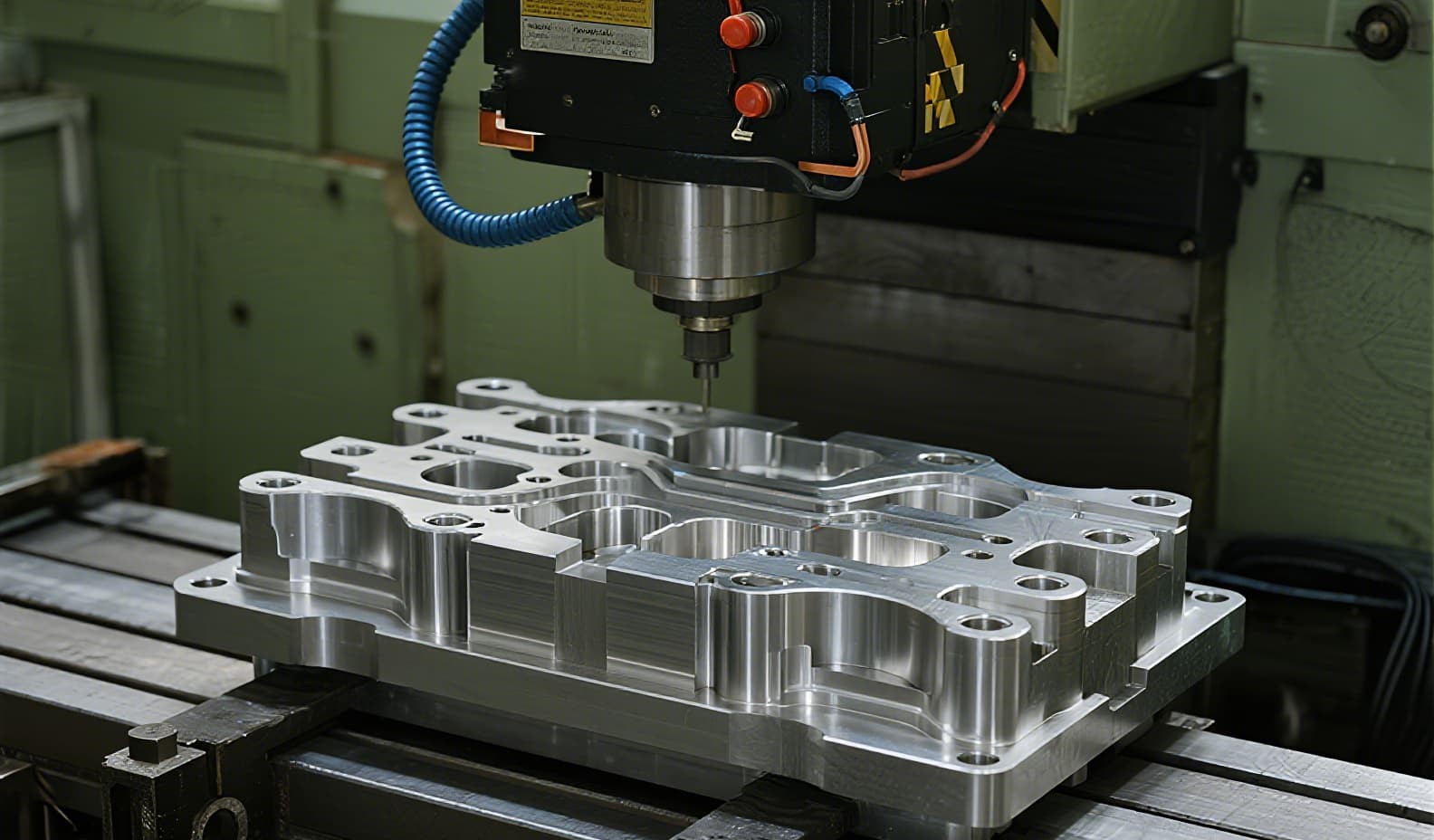
Actionable Solutions – The FromRubber Silicone Keypad Steel Selection Protocol
-
1
Prototype & small pilot runs (<10K parts) – S50C is acceptable. Low cost, fast machining, good for market validation. But do not expect it to last beyond 50K–100K shots.
-
2
Medium volumes (10K–100K parts) – Choose P20. Best value. 30–50K shot life with good polishability. Nitride it if you need up to 1M shots.
-
3
High volumes (>100K) or high‑gloss parts – Must use S136. Higher upfront cost (30–50% more) but per‑part tooling cost is lower. Maintains quality over 1M+ shots.
-
4
Optimize with selective hardening – For cost reduction, use premium steel at gates and parting lines (high‑wear areas) and standard steel elsewhere. This can save 15–20% of material cost.
-
5
Don't forget heat treatment – For S50C and S136, the final hardness depends on proper quenching and tempering. Specify vacuum heat treatment to avoid surface oxidation.
-
6
DFM review of steel strategy – Send your volume forecast, surface quality needs, and budget to FromRubber’s engineering team. We provide a tailored steel recommendation with cost‑per‑part analysis — all within 24 hours.
The Bottom Line
Wrong steel = 10× shorter life — this is no exaggeration. The difference between 50K shots (S50C) and 1M+ shots (S136) is the difference between a mold that lasts months and one that lasts years. P20 sits in the middle, offering excellent value for most medium‑volume runs.
The choice is a trade‑off: lower upfront cost vs. higher long‑term value. S50C seems cheap but can cost you dearly in downtime and rework. S136 costs more upfront but delivers the lowest per‑part tooling cost and the best surface consistency.
FromRubber brings deep expertise in mold steel selection — understanding the real‑world performance of each grade under silicone molding conditions. On your next project, let us help you pick the steel that fits your volume, quality, and budget. Because the best mold investment is not what you pay today — it's what you save over the life of the tool.