Your Instrument Sells Globally, But Does Your Instrument Silicone Keypad Survive –40°C? The Hidden Cost of Regional Failures
- Share
- publisher
- Suey
- Issue Time
- Aug 11,2026
Summary
Instrument silicone keypad must survive –40°C to avoid regional failures. Standard elastomers stiffen, contact resistance spikes, and legends crack. Choose custom cold-tested keypads from specialists to ensure global reliability and reduce warranty returns.
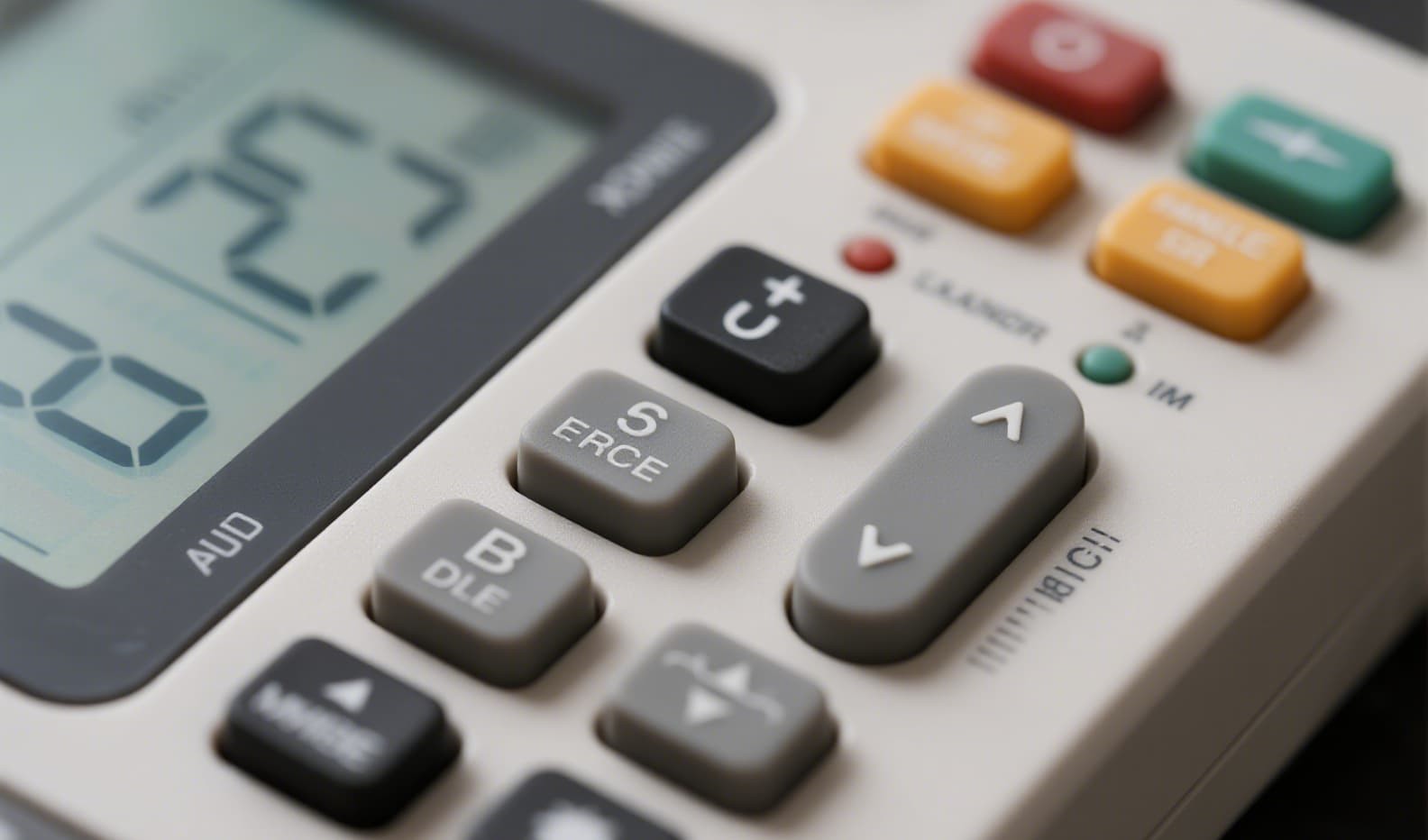
Your instrument may be certified for global use, but if your instrument silicone keypad isn't engineered for extreme climates, you're facing a silent crisis. In cold regions like Scandinavia, Canada, or Siberia, temperatures can plunge to –40°C. At that point, standard silicone becomes rigid, brittle, and the contact resistance skyrockets — if the keypad works at all. The result? Field failures, angry customers, and costly warranty replacements.
Why Instrument Silicone Keypad Performance Plummets in the Cold
Most standard silicone elastomers have a glass transition temperature (Tg) around –50°C to –60°C, but their mechanical properties change significantly well above that. At –40°C, the instrument silicone keypad becomes stiff, increasing actuation force by 50‑100%. The conductive carbon network also contracts, raising contact resistance by several orders of magnitude — enough to cause intermittent or permanent switch failure. Moreover, legend adhesion can crack, and the snap‑dome may lose its tactile snap.
Case 1 — Handheld Terminal for Oil & Gas — Buttons Unresponsive in Winter
A rugged handheld used in Canadian oil fields became nearly unusable at –35°C. The instrument silicone keypad had been qualified only to –20°C. Operators had to warm the device inside their jackets before use. FromRubber reformulated the keypad with a special low‑temperature silicone compound that retains flexibility and stable contact resistance down to –50°C, eliminating the cold‑weather failures.
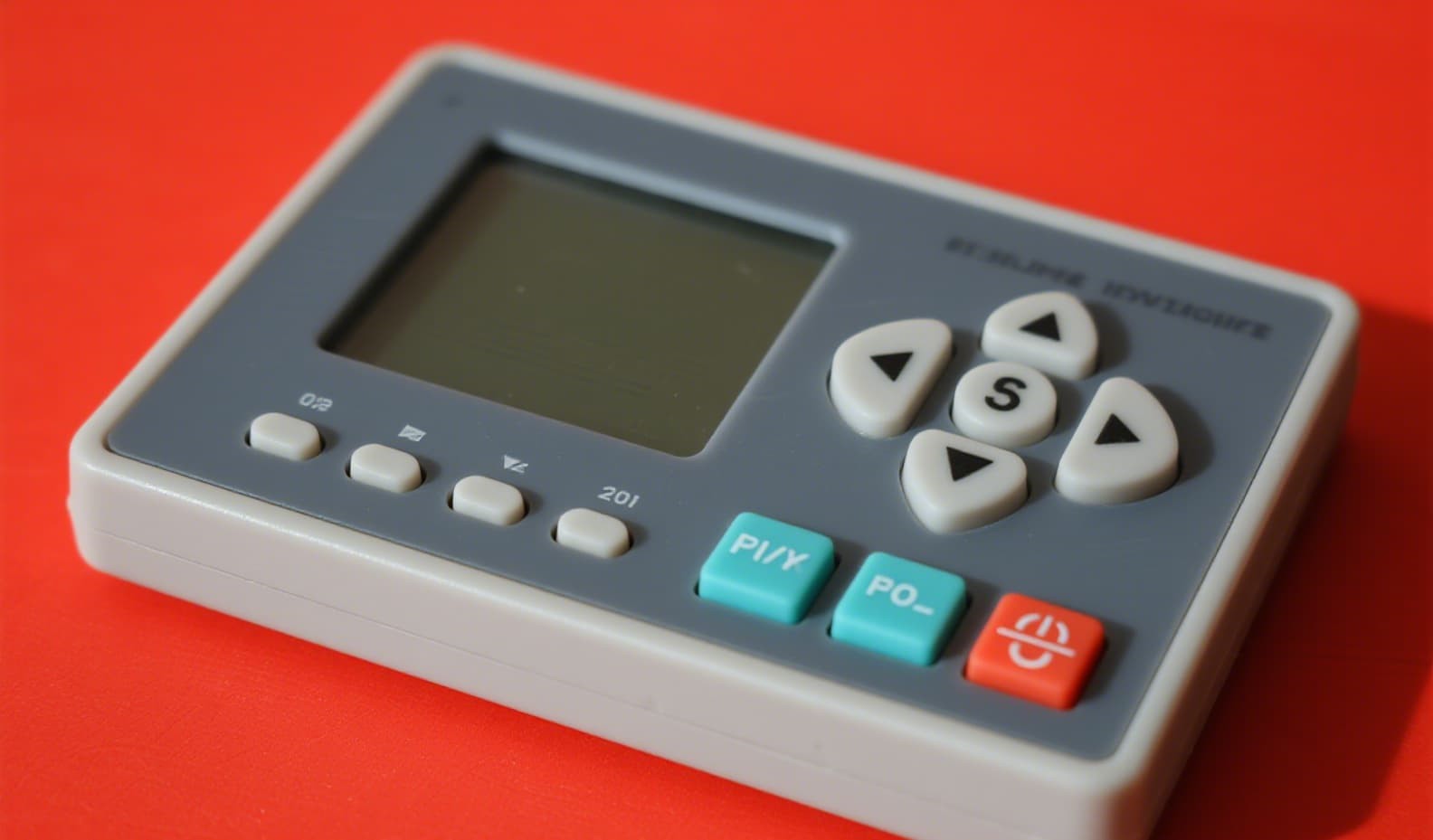
The Regional Failure Cost — More Than Just Returns
When your instrument silicone keypad fails in cold climates, the immediate cost is replacement. But the hidden costs are far greater:
- Brand reputation — customers in cold regions will view your product as unreliable.
- Lost productivity — operators waste time warming equipment or working around faulty buttons.
- Regulatory scrutiny — if your instrument is used in safety‑critical applications, cold‑induced failures could trigger investigations.
- Supply chain friction — handling returns from remote regions is logistically painful.
Case 2 — Meteorological Data Logger — Display Freezes, Keypad Cracks
A weather station manufacturer in Northern Europe found that their instrument silicone keypad developed micro‑cracks after one winter season. The legends also peeled off. FromRubber provided a cold‑optimised silicone keypad with a specially formulated elastomer and cryogenic‑resistant ink, passing 1,000 thermal cycles from –50°C to +85°C without degradation.
⚙️ What most instrument makers miss: Standard silicone keypad data sheets rarely specify performance below –20°C. FromRubber tests every compound to –50°C and provides guaranteed contact resistance and tactile force across the entire global temperature range.
Portable Ultrasound — Frozen Buttons
Field service in Alaska reported that the instrument silicone keypad on a portable ultrasound became unresponsive at –30°C. FromRubber delivered a custom keypad with low‑Tg silicone and stable contact resistance, ensuring operation in all environments.
Industrial Scale — Drift in Freezer Warehouses
Scales used in cold‑storage facilities showed inconsistent readings due to contact resistance drift in the keypad. FromRubber reformulated the instrument silicone keypad with a stable percolation network that maintains < 10 Ω from –40°C to +85°C.
How to Specify an Instrument Silicone Keypad for Global Climates
To avoid regional failures, you must require your supplier to provide:
- Low‑temperature elastomer data — including durometer change, compression set, and force‑stroke curves at –40°C.
- Contact resistance at temperature extremes — ensure it remains within your tolerance.
- Thermal cycle testing — at least 500 cycles from –40°C to +85°C.
- Legend adhesion and ink flexibility — prevent cracking in the cold.
✓ FromRubber is the partner you need for globally reliable instrument silicone keypads. We formulate our own cold‑resistant silicone compounds and validate them in our environmental test chamber from –60°C to +125°C. Our keypads maintain consistent tactile force and low contact resistance no matter where your instrument is used — from the Arctic tundra to the desert heat.