What are the main differences between silicone keypads and ABS/POM plastic keypads?
- Share
- Issue Time
- Dec 11,2025
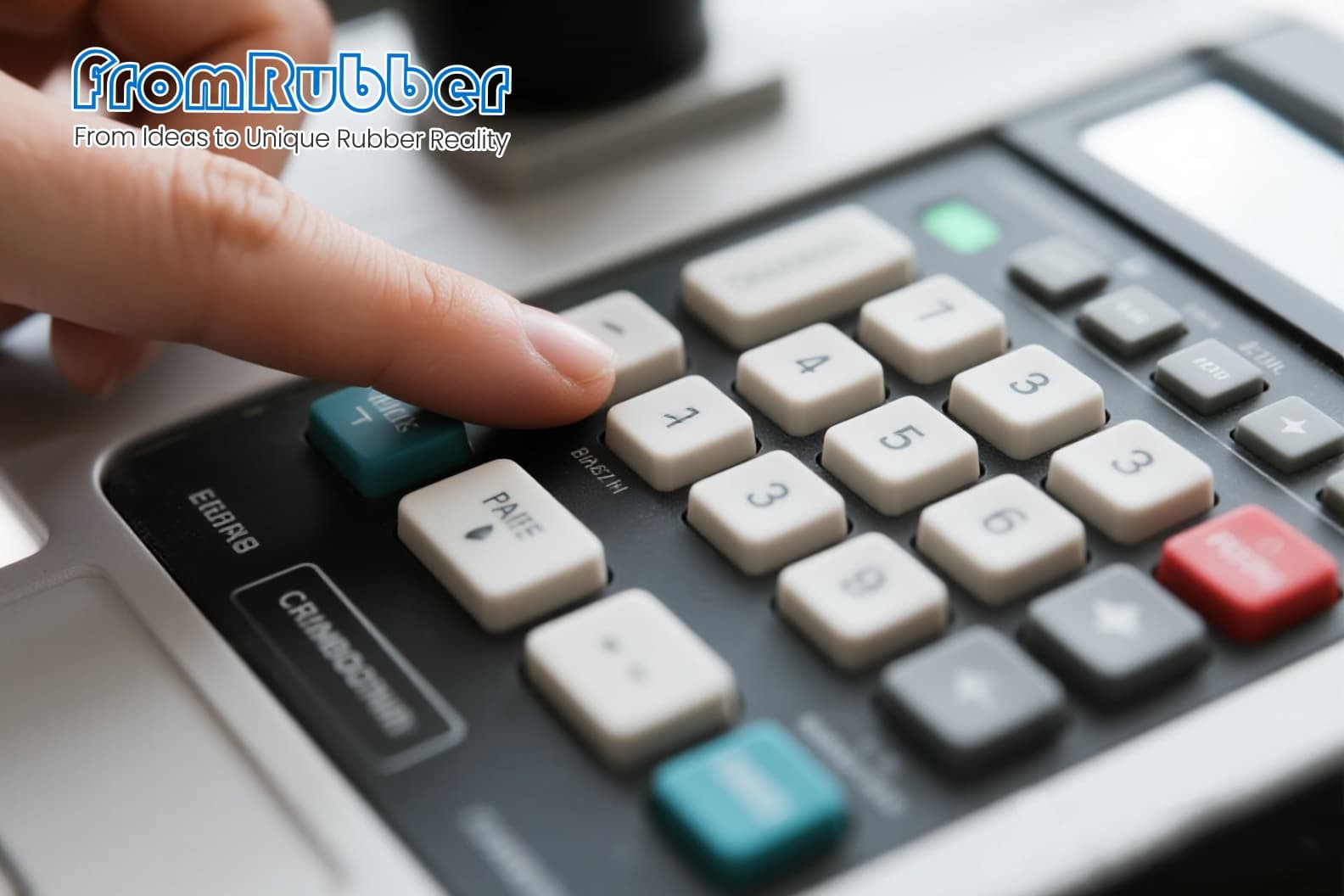
Silicone vs. ABS/POM Keypads:
Complete Technical Comparison
An authoritative guide to help engineers and designers select the optimal keypad material for their specific application requirements.
Silicone Rubber Keypads
Soft-touch, Sealed & Durable
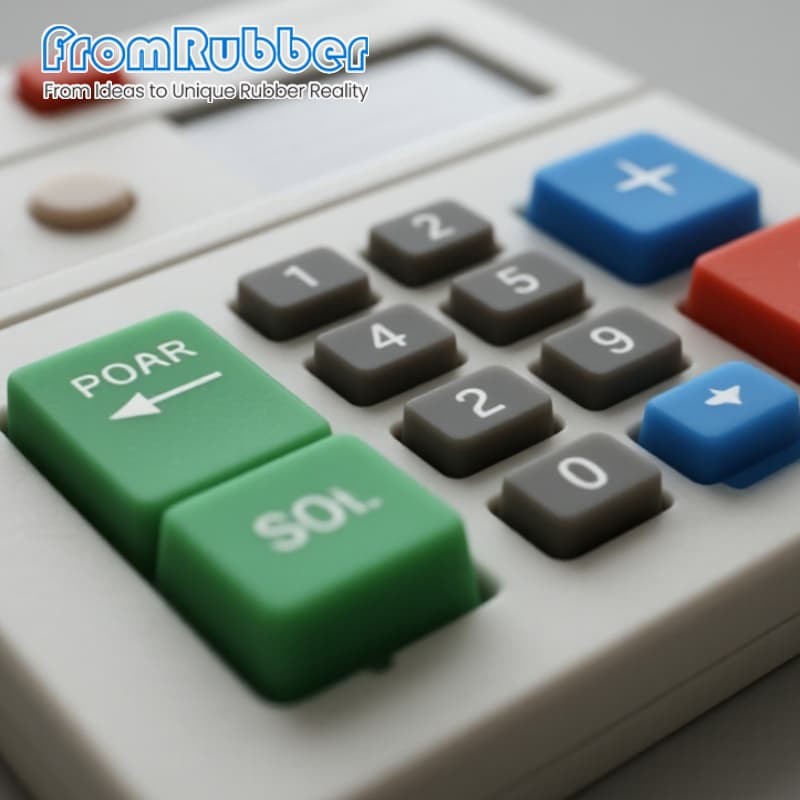
- Soft, elastic tactile response
- Unibody construction with integrated seals
- Excellent environmental resistance (IP67/IP68)
- Extreme temperature range (-55°C to 200°C+)
- Molded-in legends for maximum durability
- Reduced assembly complexity
ABS/POM Plastic Keypads
Mechanical, Crisp & Modular
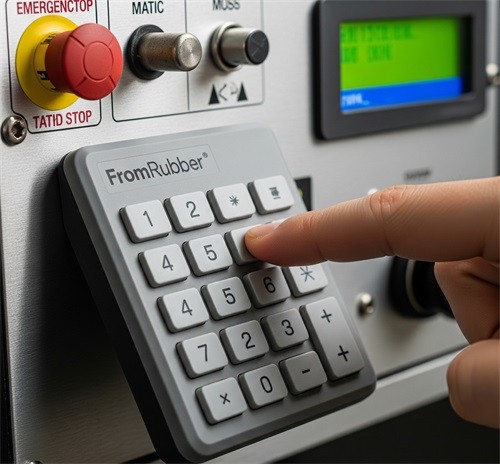
- Hard, crisp mechanical tactile feel
- Discrete keycap design
- No inherent sealing (requires gaskets)
- Limited temperature range
- Switch-dependent durability
- Modular and customizable
Detailed Feature Comparison
| Feature | Silicone Keypads | ABS/POM Keypads |
|---|---|---|
| Material & Tactility | Soft, elastic material providing a damped, quiet tactile snap from a collapsible dome structure. | Hard, rigid plastic delivering a crisp, mechanical feel dictated entirely by an underlying switch mechanism. |
| Design & Integration | Unibody construction allowing multiple keys, seals, and membranes in a single molded part. Simplifies assembly and reduces part count. | Discrete keycaps requiring individual mounting on switches and supporting structures. More complex assembly with higher part count. |
| Environmental Sealing (IP Rating) | Inherent, excellent sealing against dust and moisture. Easily achieves IP67/IP68 ratings with proper design. | No inherent sealing. Requires additional gaskets, o-rings, or membranes to achieve any IP rating, adding complexity and cost. |
| Durability & Wear Resistance | High cycle life (1-5 million+ actuations). Molded-in legends are virtually indestructible. Resists fatigue well. | Durability depends on the switch (typically 20-100 million cycles). Legends can wear unless double-shot molded. Surface may gloss over time. |
| Temperature & Chemical Resistance | Exceptional range (-55°C to 200°C+). Excellent weather and UV resistance. Good chemical resistance to water, alcohols, diluted acids/bases. | Limited range (approx. -20°C to 80°C/110°C). ABS yellows with UV exposure. POM has better chemical resistance but both are unsuitable for harsh environments. |
| Cost & Manufacturing | Higher tooling cost but lower per-unit assembled cost due to integrated design reducing labor and components. | Moderate tooling cost but higher total assembled cost due to multiple components (keycaps, switches, PCB) and extensive assembly labor. |
Ideal Applications
Silicone Keypad Applications
- Medical Devices & Equipment
- Industrial Control Panels
- Outdoor & Marine Electronics
- Automotive Interior Controls
- Kitchen & Home Appliances
- Remote Controls & Handheld Devices
- Laboratory & Testing Equipment
- Any application requiring IP sealing
ABS/POM Keypad Applications
- Gaming Keyboards & Peripherals
- Computer Keyboards (Office/Home)
- Data Entry Terminals
- Point-of-Sale Systems
- Test & Measurement Equipment (benign environments)
- Audio/Video Studio Controllers
- Hobbyist & Custom Mechanical Keyboards
- Applications where modularity is prioritized
Material Selection Guide
Choose Silicone When:
Your design requires environmental sealing (dust/water), must withstand extreme temperatures or harsh conditions, benefits from unibody design that reduces assembly complexity, or needs a soft-touch, quiet interface.
Choose ABS/POM When:
The primary requirement is a specific, crisp mechanical tactile feedback, the design requires hot-swappable or modular key components, or the application is in a controlled indoor environment where sealing is not a concern.
Need Expert Guidance on Your Keypad Design?
As specialists in silicone rubber manufacturing, FromRubber provides comprehensive design support and prototyping services to ensure your keypad solution meets all technical requirements and user experience goals.