Which suppliers specialize in automotive-grade or medical device silicone keypads?
- Share
- Issue Time
- Jan 9,2026
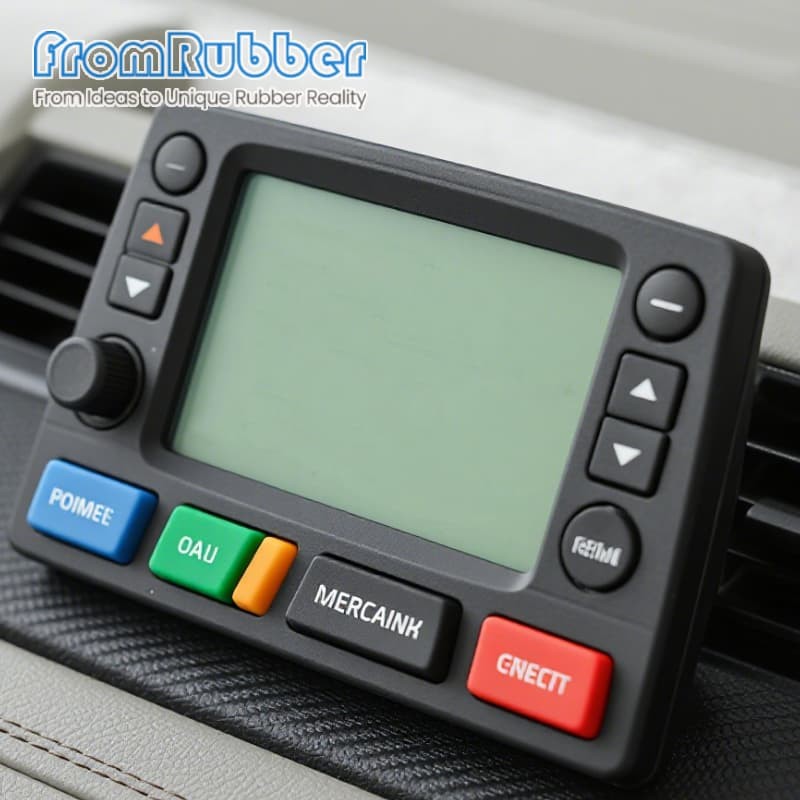
Specialized Suppliers for Critical Applications
Identifying the right suppliers for automotive-grade and medical device silicone keypads requires understanding specialized certifications, material requirements, and industry-specific performance standards. These sectors demand exceptional reliability, precision, and compliance.
Key Consideration: Suppliers for these industries must possess specific certifications (IATF 16949 for automotive, ISO 13485 for medical) and demonstrate proven experience with rigorous testing protocols and material traceability.
Industry Requirements Overview
Automotive and medical applications present unique challenges for silicone keypad manufacturers. Automotive components must withstand extreme temperatures (-40°C to +125°C), UV exposure, chemicals, and millions of actuations. Medical devices require biocompatibility, sterilization compatibility (autoclave, gamma, ETO), and precise tactile response for critical applications.
Automotive Standards
- IATF 16949 Certification
- AEC-Q200 Reliability Testing
- TS 16949 Compliance
- Automotive-grade silicone compounds
Medical Standards
- ISO 13485:2016 Certification
- ISO 10993 Biocompatibility
- FDA 21 CFR Part 820
- Medical-grade silicone (USP Class VI)
Common Requirements
- Full material traceability
- Cleanroom manufacturing
- Statistical process control
- Comprehensive validation testing
Specialized Silicone Keypad Suppliers
| Supplier Name | Specialization | Key Certifications | Notable Clients/Applications | Geographic Reach |
|---|---|---|---|---|
| LaFrance Corp | Automotive & aerospace silicone components | IATF 16949, AS9100D, ISO 9001:2015 | Major automotive OEMs, aviation controls | Global (USA, Germany, China) |
| Silicone Engineering Ltd | Medical device keypads & seals | ISO 13485:2016, FDA registered, ISO 10993 | Diagnostic equipment, surgical tools | UK, USA, Singapore |
| Polymer Solutions Inc. | High-reliability automotive interfaces | IATF 16949, VDA 6.3, ISO/TS 16949 | In-vehicle infotainment systems, EV controls | North America, Europe |
| MediSilicon Technologies | Medical-grade silicone products | ISO 13485, USP Class VI, cGMP | Patient monitors, drug delivery devices | USA, Ireland, Malaysia |
| ElastoKey International | Automotive & industrial keypads | IATF 16949, ISO 9001, UL recognition | Heavy machinery, agricultural equipment | Germany, USA, Brazil |
| FromRubber Manufacturing | Custom silicone solutions for automotive | ISO 9001:2015, IATF 16949 pending | Tier 2 automotive suppliers, industrial controls | Asia, Middle East |
| Precision Elastomers | Medical & laboratory equipment | ISO 13485, ISO 10993, FDA registered | Laboratory analyzers, medical imaging | USA, Canada, Netherlands |
| Siliconics Corporation | Both automotive & medical applications | IATF 16949, ISO 13485, ISO 14001 | Diverse automotive and healthcare clients | Japan, Thailand, Mexico |
Supplier Evaluation Criteria
When selecting a supplier for automotive or medical silicone keypads, consider these critical factors beyond basic certifications:
Technical Capabilities
- Material formulation expertise
- Mold design & tooling precision
- Cleanroom classification (for medical)
- Environmental testing facilities
Quality Systems
- Statistical process control (SPC)
- Failure mode analysis (FMEA)
- Material traceability systems
- Lot control & documentation
Industry Experience
- Years in target industry
- Reference projects & case studies
- Technical support responsiveness
- Design collaboration history
Regional Supplier Considerations
| Region | Automotive Specialists | Medical Specialists | Supply Chain Advantages |
|---|---|---|---|
| North America | LaFrance Corp, Polymer Solutions | MediSilicon Technologies, Precision Elastomers | Strong regulatory knowledge, proximity to OEMs |
| Europe | ElastoKey International, various German specialists | Silicone Engineering Ltd, MediSilicon (Ireland) | Precision engineering heritage, MDR compliance |
| Asia Pacific | Siliconics Corporation, FromRubber | Various specialized manufacturers | Cost efficiency, rapid prototyping, scaling capacity |
Emerging Trends & Technologies
The silicone keypad industry for automotive and medical applications is evolving with several important trends:
- Haptic Feedback Integration: Advanced silicone domes with integrated haptic actuators for touchscreen-like feedback.
- UV-Stable Formulations: Enhanced materials resisting dashboard degradation from sunlight exposure.
- Backlit & Optically Clear: Improved light transmission for EV and luxury vehicle interiors.
- Sealed Environmental Protection: IP67+ rated keypads for exterior applications.
- Anti-Microbial Silicones: Materials with integrated silver ions or other antimicrobial agents.
- Fluid-Resistant Sealing: Enhanced protection against bodily fluids and cleaning chemicals.
- Color-Coding Standards: Consistent color formulations for medical device differentiation.
- Low-Profile Surgical Designs: Ultra-thin keypads for minimally invasive surgical equipment.
Selection Recommendations
Based on industry analysis and supplier capabilities, here are practical recommendations for selecting silicone keypad suppliers:
For Automotive Applications
Prioritize suppliers with IATF 16949 certification and proven experience with automotive environmental testing (thermal cycling, UV resistance, chemical exposure). North American and European suppliers often have stronger relationships with automotive OEMs.
For Medical Devices
ISO 13485 certification is non-negotiable. Verify biocompatibility testing (ISO 10993) and sterilization validation data. Consider suppliers with cleanroom manufacturing and experience with your specific sterilization method (autoclave, ETO, gamma).
For Dual Applications
Some suppliers like Siliconics Corporation serve both industries. This can be advantageous for companies producing both automotive and medical products, though ensure they maintain separate quality systems for each industry's requirements.
This industry analysis is based on publicly available information, certifications, and market research. Supplier capabilities change regularly; always conduct due diligence including facility audits, reference checks, and sample testing before supplier selection.