How does the tensile strength and tear resistance of silicone seals compare to FKM seals?
- Share
- Issue Time
- Feb 26,2026
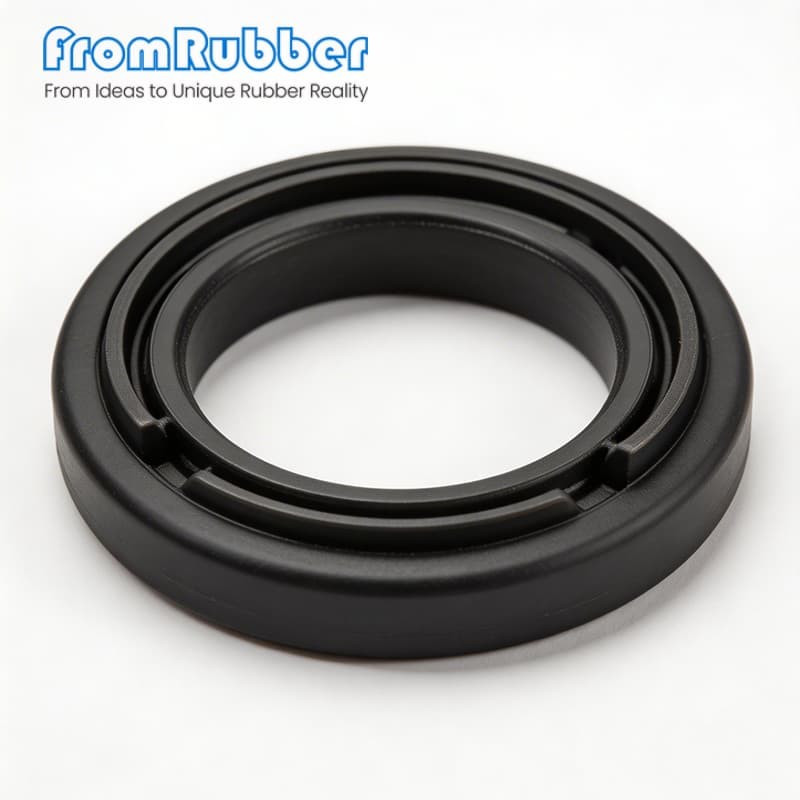
Tensile Strength & Tear Resistance
silicone seals vs FKM seals
Understanding these critical mechanical properties helps engineers select the optimal sealing material for extreme environments, fluid compatibility, and dynamic stress.
Why tensile & tear matter in seal design
In dynamic sealing applications, tensile strength (resistance to breaking under tension) and tear resistance (ability to withstand crack propagation) determine longevity. Silicone and FKM are two high-performance elastomers, but their mechanical profiles differ significantly due to polymer structure and crosslinking. Below we dissect these differences with up-to-date comparative data.
Tensile strength: silicone vs FKM
FKM typically exhibits higher tensile strength than general-purpose silicone, but specialty grades narrow the gap. The table below highlights typical values (at 23°C).
| Material / property | Tensile strength (MPa) | Elongation at break % |
|---|---|---|
| Silicone (peroxide cured) | 6.5 – 10.5 | 380 – 620 |
| FKM (bisphenol cured) | 11.0 – 16.5 | 190 – 320 |
| Silicone (high‑tear / LS) | 9.5 – 13.0 | 520 – 700 |
FKM shows higher tensile modulus, while silicone offers greater flexibility.
Tear resistance: silicone seals vs FKM seals
Tear strength is critical where seals are subjected to nicks or installation stress. FKM generally offers higher tear resistance, but silicone formulations with silica reinforcement can compete.
| Material / grade | Tear strength – Die B (kN/m) | Tear strength – Die C (kN/m) |
|---|---|---|
| Standard silicone (MQ/VMQ) | 12 – 20 | 18 – 28 |
| FKM (standard) | 25 – 40 | 35 – 55 |
| High-performance FKM (peroxide cured) | 40 – 58 | 50 – 75 |
Microstructure & performance drivers
1. Polymer backbone & bond energy
Silicone (polysiloxane) has a flexible Si–O–Si backbone with low intermolecular forces, which explains its moderate tensile strength but excellent low‑temperature flexibility. FKM relies on carbon‑fluorine bonds with high bond energy and strong chain interactions, leading to higher tensile and tear values, especially at elevated temperatures.
2. Reinforcement & crosslinking
Both elastomers are typically compounded with reinforcing fillers. Silicone uses fumed silica to improve tear resistance; without it tear strength can be below 10 kN/m. FKM incorporates carbon black or mineral fillers, achieving inherently higher tear propagation resistance. The type of crosslinking (bisphenol vs peroxide in FKM) also influences tear strength — peroxide‑cured grades often show superior tear and chemical resistance.
Thermal ageing effect (200h @200°C)
| Property change | Silicone (VMQ) | FKM |
|---|---|---|
| Tensile retention | 75–85% | 90–98% |
| Tear retention | 60–75% | 85–95% |
3. Selecting the right material for your application
If the sealing system requires extreme low-temperature flexibility (down to -60°C), electrical insulation, or food‑grade compliance, silicone remains a robust choice despite its lower tensile strength. For high-pressure hydraulic systems, aggressive chemicals, or continuous heat above 200°C, FKM provides superior tensile and tear performance, reducing the risk of extrusion or sudden tear propagation.
In some dynamic applications, co‑molded or blended compounds are emerging, but the inherent tear resistance of FKM typically outlasts silicone in mechanically demanding environments. Always verify with prototype testing under real operating conditions.
Verdict at a glance
FKM: 11–16.5 MPa
FKM (up to 75 kN/m
Silicone: elongation up to 700%
No universal winner — the choice depends on thermal, chemical, and mechanical demands. Use our comparison tables as your first filter.
All data are typical values based on published technical literature and compound datasheets. For critical applications, request material certificates and conduct validation under your specific conditions. This article is for informational use only.