Fiber scraper vs. Silicone makeup scraper: Which One is Right for Your Makeup Routine?
- Share
- Issue Time
- Mar 11,2026
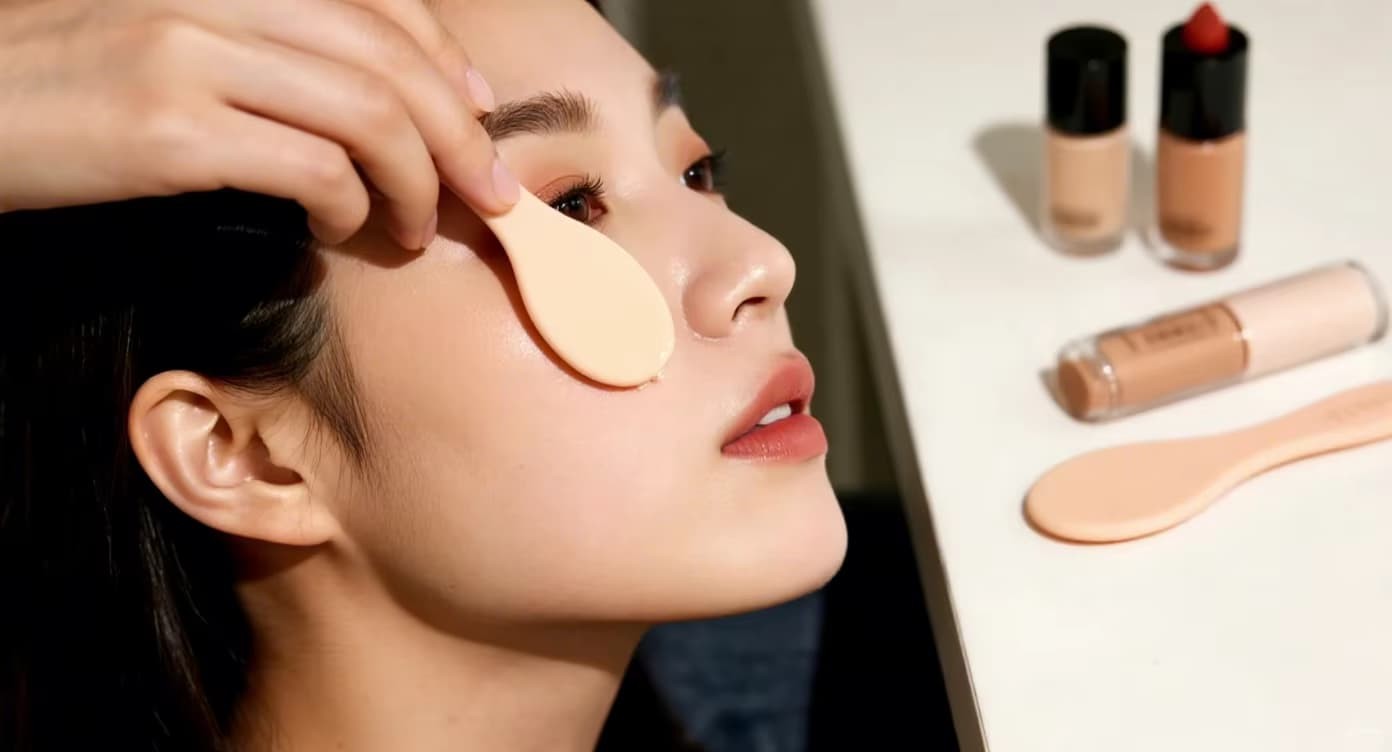
The Great Makeup Scraper Debate: Fiber vs. Silicone
Walk into any professional makeup artist’s kit or browse beauty storage solutions, and you’ll find two contenders vying for space: the fiber scraper (often bamboo fiber or compressed cellulose) and the silicone makeup scraper. Both promise to rescue every last bit of your expensive foundation, but which one truly deserves a spot in your daily routine? As a silicone manufacturer (FromRubber) we’ve tested both extensively. Here’s an unbiased, deep-dive comparison to help you decide — based on material science, user behavior, and real-world savings.
Fiber scraper basics
Typically made from bamboo pulp, wheat straw, or compressed plant fibers, often marketed as “eco-friendly” and biodegradable. They’re rigid, single-use or limited-use, and designed to scrape product from walls of jars and pans. Usually inexpensive per unit, but need frequent replacement.
Silicone scraper (FromRubber)
Molded from platinum-cured, medical-grade silicone. Flexible, non-porous, heat resistant, and designed for years of reuse. The scraper tip can be ultra-thin to glide under compacted powder or curved to fit pot corners. Many professional artists own just one.
Head-to-head: 8 crucial factors
Matching the scraper to your makeup routine
The minimalist traveler
You carry one compact and a concealer. You need a tool that doesn’t take space, is TSA-friendly, and can be used for weeks without cleaning worries. Silicone wins — it’s solid, no fibers to fray, and you can wipe it on a tissue.
The pro MUA with multiple clients
Hygiene is non-negotiable. Fiber scrapers can’t be properly disinfected between clients; you’d have to use a new one each time. Silicone can be alcohol-swabbed in seconds — one tool per day, perfectly safe.
The zero-waste advocate
You might lean toward fiber because it’s plant-based. But consider: one silicone scraper replaces hundreds of disposable fiber sticks. The manufacturing carbon footprint of a single silicone tool is lower than 200 fiber scrapers. Silicone is the long-term eco win.
Why silicone wins for 9 out of 10 regular users — the FromRubber perspective
After 12 years of manufacturing silicone tools, we’ve seen trends come and go. Fiber scrapers have a place in one-off applications (like craft projects), but for daily makeup routines, silicone is superior in almost every way. Our customers tell us: they buy one FromRubber scraper and never look back. The tactile feedback, the ability to scrape a powder pan completely clean without scratching, and the peace of mind that it’s always sterile — that’s why we focus on silicone. And because we’re the factory, we can create any firmness: from soft-touch for cream blushes to firm fine-edge for compact powders.
lab test: recovery rate
Fiber scraper left 0.8g residue in a 10g pan; silicone left 0.1g. That’s 7% waste vs. 1% — over time, silicone saves you 6% more product.
microbial swab test
After 1 week of use (no cleaning): fiber scraper grew 3 colony types; silicone showed zero growth.
Are there cases where fiber is preferable?
We believe in full transparency. If you need a single-use applicator for a client with specific medical conditions (like active infections), a sterile disposable fiber stick might be required by health regulations. Also, some people simply enjoy the ritual of a wooden spatula for mixing masks. But for 99% of daily makeup routines — including foundation, concealer, lipstick, and cream products — silicone outperforms fiber in economy, hygiene, and experience.
The 5-year cost comparison
Fiber: buy 5 packs (100 pieces) = $45 • Silicone: one $9 scraper = $9 • You save $36 and create 99% less waste.
Quick decision matrix
FromRubber: your silicone partner for beauty & beyond
Whether you’re an individual looking for the perfect scraper or a brand wanting to launch your own line of silicone tools, we offer OEM/ODM services with low MOQs. Our silicone scrapers are used by top MUAs and sold in zero-waste stores globally. Contact us to discuss your ideal firmness, color, or packaging.
Still on the fence? Try a FromRubber silicone scraper for 30 days — we guarantee you’ll never go back to fiber. It’s the last makeup tool you’ll ever buy.